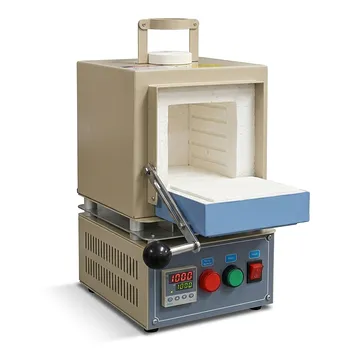
What is the primary function of an industrial electric furnace in the initial stage of preparing reclaimed carbon black?
Updated 3 months ago
The primary function of an industrial electric furnace in the initial stage of preparing reclaimed carbon black is the constant-temperature drying of tire fragments. This process, typically conducted at 110 °C, focuses on the total removal of physical moisture to stabilize the raw material before it undergoes chemical transformation.
Core Takeaway: Pre-treating tire fragments with an industrial electric furnace ensures the removal of physical moisture, which is essential for maximizing energy efficiency and maintaining the chemical integrity of the final reclaimed carbon black during high-temperature pyrolysis.
The Role of Constant-Temperature Drying
Elimination of Physical Moisture
The industrial electric furnace acts as a controlled thermal environment to purge residual water trapped within the tire fragments. This step ensures that the starting material is uniform and chemically "dry" before entering the reactor.
Preparing the Material for Pyrolysis
By maintaining a steady 110 °C, the furnace avoids premature thermal decomposition while ensuring every fragment reaches a state of equilibrium. This creates a consistent feedstock for the next stage of the reclamation process.
Strategic Benefits of Moisture Removal
Optimizing Energy Consumption
Removing water at a lower temperature is far more energy-efficient than allowing it to evaporate during the high-heat pyrolysis stage. By eliminating moisture early, the subsequent reactor can focus its energy entirely on breaking chemical bonds rather than boiling off water.
Protecting Product Quality
Moisture in the pyrolysis chamber can lead to unwanted side reactions and dilute the quality of the resulting oils and gases. Ensuring a dry feedstock prevents steam interference, which helps maintain the specific surface area and structural integrity of the reclaimed carbon black (rCB).
Enhancing Process Stability
An electric furnace provides the high-precision temperature control necessary to prevent hotspots. This precision ensures that the tire fragments do not begin to release volatile organic compounds (VOCs) too early, which keeps the production environment safer and more predictable.
Understanding the Trade-offs
Time Investment vs. Energy Savings
While adding a dedicated drying stage increases the total processing time, the reduction in energy load during the high-heat stage usually results in a net gain. Skipping this step often leads to higher operational costs due to the latent heat of vaporization required to handle moisture in the main reactor.
Equipment Complexity
Utilizing an industrial electric furnace adds a layer of infrastructure complexity to the facility. However, the ability to precisely control the "initial stage" environment reduces the wear and tear on high-temperature pyrolysis equipment by preventing corrosive steam formation.
Scaling Limitations
For small-scale lab environments, a tube furnace or small electric resistance furnace is highly effective. As production scales to an industrial level, maintaining the same level of thermal uniformity across massive volumes of tire fragments becomes a significant engineering challenge.
Applying This Process to Your Production Goal
Making the Right Choice for Your Goal
To achieve the best results in reclaimed carbon black production, your approach to the drying stage should align with your specific quality and efficiency targets.
- If your primary focus is Maximum Energy Efficiency: Ensure the electric furnace is calibrated to exactly 110 °C to remove all moisture without initiating the energy-intensive volatile release phase.
- If your primary focus is High-Purity Carbon Black: Prioritize a longer residence time in the drying furnace to ensure zero moisture carry-over, which prevents structural defects in the carbon skeleton.
- If your primary focus is High Throughput: Consider a continuous-feed electric furnace that can maintain constant temperatures while moving material quickly toward the pyrolysis stage.
By mastering the initial drying phase through precise thermal control, you establish the essential foundation for high-quality, sustainable carbon reclamation.
Summary Table:
| Process Stage | Primary Function | Operating Temp | Key Strategic Benefit |
|---|---|---|---|
| Initial Stage | Constant-Temperature Drying | 110 °C | Total removal of physical moisture |
| Energy Prep | Pre-Pyrolysis Stabilization | 110 °C | Reduces energy load on the main reactor |
| Quality Control | Moisture Elimination | 110 °C | Prevents steam interference and side reactions |
| Efficiency | Thermal Equilibrium | 110 °C | Ensures uniform feedstock for high-purity rCB |
Scale Your Carbon Reclamation with THERMUNITS Precision
Achieving high-purity reclaimed carbon black requires absolute control over every thermal stage. THERMUNITS is a leading manufacturer of high-temperature laboratory and industrial equipment tailored for material science and R&D. We offer a comprehensive range of thermal processing solutions designed to ensure the chemical integrity of your materials, including:
- Rotary & Tube Furnaces: Ideal for continuous or batch drying and pyrolysis.
- Muffle & Atmosphere Furnaces: For precise heat treatment under controlled conditions.
- Vacuum & Hot Press Systems: For advanced material synthesis.
- Specialized Equipment: CVD/PECVD systems, dental furnaces, and vacuum induction melting (VIM) furnaces.
Whether you are focusing on energy efficiency, high throughput, or material purity, our expert team can help you select the right equipment to maximize your R&D outcomes.
Ready to enhance your lab's performance?
Contact THERMUNITS Today to discuss your specific heat treatment requirements!
References
- M. M. El-Maadawy, Ahmed Taha. Conversion of carbon black recovered from waste tires into activated carbon <i>via</i> chemical/microwave methods for efficient removal of heavy metal ions from wastewater. DOI: 10.1039/d4ra00172a
Mentioned Products
- Silicon Carbide SiC Thermal Heating Elements for Industrial Electric Furnaces
- Industrial Large Box Furnace 1700C 216L High Temp Muffle Sintering System
- High Temperature Horizontal Electrical Assisted Sintering Furnace with 3KW Programmable Power Source for Advanced Ceramic Materials
- Electric Rotary Kiln Continuous Working Small Rotary Furnace Heating Pyrolysis Plant
- 1650C High Temperature Atmosphere Controlled Box Furnace with 65L Chamber for Advanced Material Sintering and Industrial Heat Treatment
People Also Ask
- Which materials are used for thermal elements in furnaces exceeding 1,500°C? Expert Guide to Extreme Heat Solutions
- How do electric thermal elements compare to combustion-based heating systems? Maximize Your Lab's Energy Efficiency
- What are the fundamental components and operating principles of electric thermal elements? A Comprehensive Guide
- Why is a Type C thermocouple selected for slag at 1773 K? Ensure Stability and Precision for High-Temp Analysis
- Why is the selection of high-performance thermal elements critical for high-temperature testing? Ensure Data Integrity.

Tech Team · ThermUnits
Last updated on Jun 02, 2026
Related Products
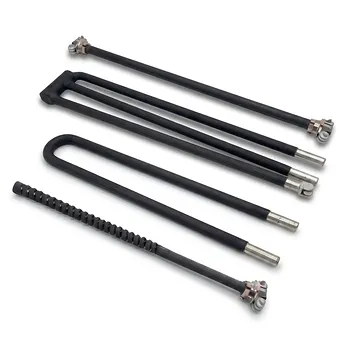
Silicon Carbide SiC Thermal Heating Elements for Industrial Electric Furnaces
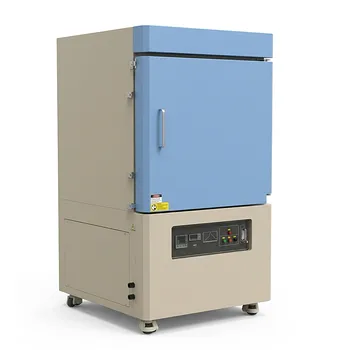
Industrial Large Box Furnace 1700C 216L High Temp Muffle Sintering System
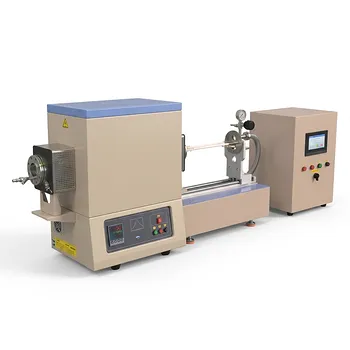
High Temperature Horizontal Electrical Assisted Sintering Furnace with 3KW Programmable Power Source for Advanced Ceramic Materials
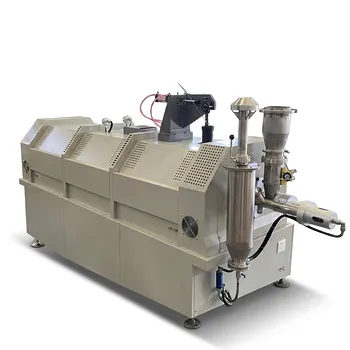
Electric Rotary Kiln Continuous Working Small Rotary Furnace Heating Pyrolysis Plant
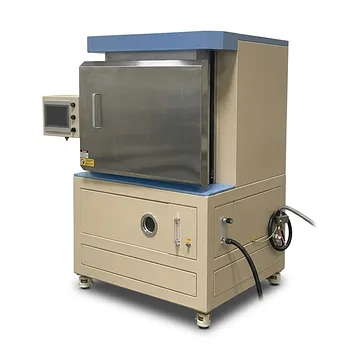
1650C High Temperature Atmosphere Controlled Box Furnace with 65L Chamber for Advanced Material Sintering and Industrial Heat Treatment
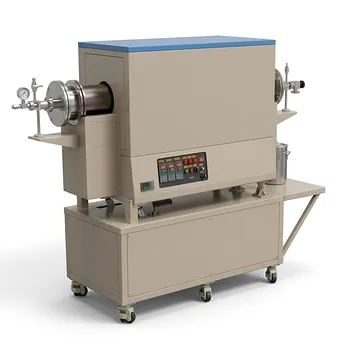
900°C Max Rotary Tube Furnace with 8 Inch 310S Alloy Tube and Optional Multi Zone Heating for Industrial Material Calcination
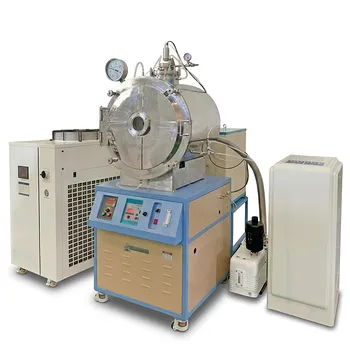
Ultra High Temperature Induction Heated Vacuum Furnace with Molten Salt Electrolysis Capability and 3000 Degree Precision Control
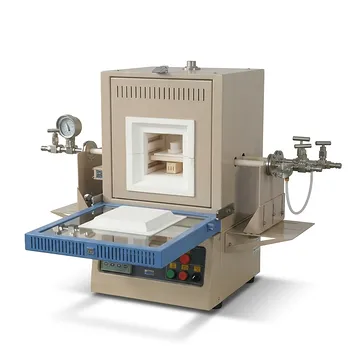
1700C Compact Hybrid Furnace with Dual Layer Box Sintering and Controlled Atmosphere Alumina Tubes
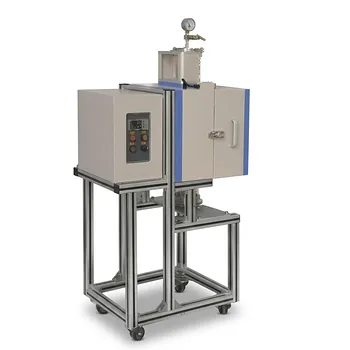
1200°C 5 Inch Vertical Quartz Tube Furnace with Stainless Steel Vacuum Flanges
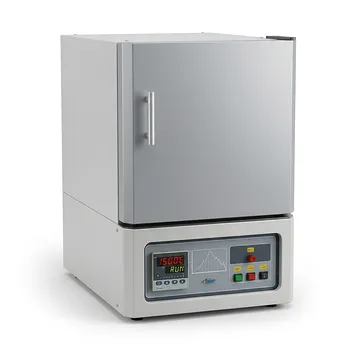
High Temperature 1500C Benchtop Muffle Furnace 3.6L Alumina Fiber Chamber Programmable Controller Sintering Annealing Carbonization Thermal Processing System

High Temperature 1700C Vertical Tube Furnace for Powder Spherification and Material Sintering
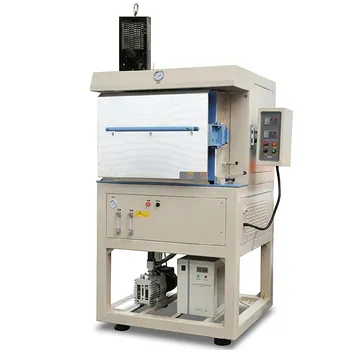
1200C Hydrogen Atmosphere Box Furnace with 5 Heated Sides and 64L Chamber
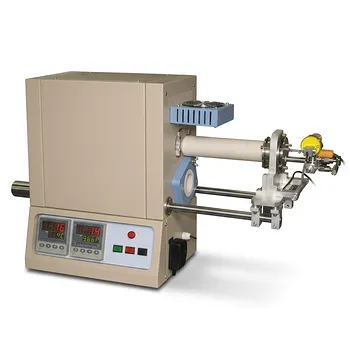
High Temperature Tube Furnace 1500C with Sliding Flanges and 50mm OD for Rapid Thermal Processing Fast Heating and Cooling

High Temperature 1700C Benchtop Tube Furnace with 5 Inch Heating Zone High Purity Alumina Tube and Vacuum Sealing Flanges
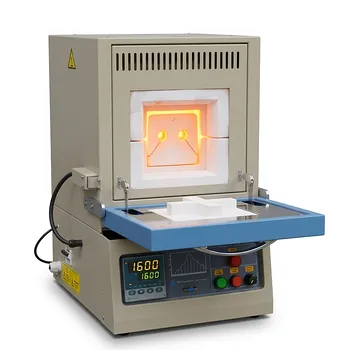
High Temperature Compact Muffle Furnace 1700 C with 30 Segment Programmable Controller and 1.7L Cubic Chamber
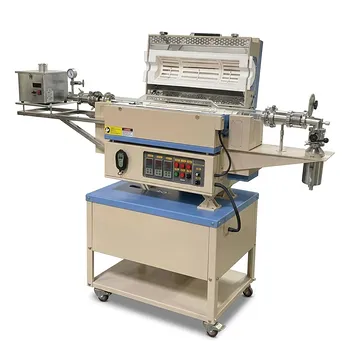
5 Inch Rotary Tube Furnace with Automatic Feeding and Receiving System 1200C Three Zone CVD Powder Processing
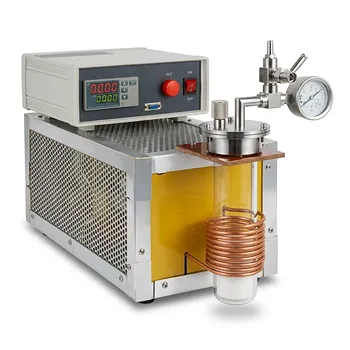
High Temperature Mini Induction Heating Furnace 1600C Laboratory Material Melting System
1200C Five Side Heating Muffle Furnace with Sliding Door 125L Volume High Temperature Heat Treatment System for Large Scale Sintering and Annealing
High Temperature Hydrogen Atmosphere Box Furnace 1650C Max Reducing Environment Material Synthesis System 8x8x8 Chamber