Which materials are used for thermal elements in furnaces exceeding 1,500°C? Expert Guide to Extreme Heat Solutions
Updated 5 months ago
For industrial furnaces operating above 1,500°C, the most reliable heating elements are Molybdenum Disilicide (MoSi$_2$) and Silicon Carbide (SiC). These ceramic-based materials are favored for their ability to maintain structural integrity and resist oxidation in high-heat, open-air environments. In specialized vacuum or inert gas furnaces, elements are typically constructed from Graphite or refractory metals like Tungsten and Molybdenum to reach even higher thermal thresholds.
Core Takeaway: Selecting a heating element for temperatures exceeding 1,500°C requires matching the material to the furnace atmosphere. Ceramics like MoSi$_2$ provide oxidation resistance in air, while graphite and refractory metals offer superior performance in vacuum or protected environments.
The Dominance of Ceramic Heating Elements
Molybdenum Disilicide (MoSi$_2$)
Molybdenum Disilicide is the industry standard for high-temperature air furnaces, capable of operating at element temperatures up to 1,850°C. Its longevity is due to a "self-healing" property where a thin, protective layer of quartz glass (silicon dioxide) forms on the surface upon heating.
This passivating layer prevents further oxidation, making the material highly stable in aggressive industrial atmospheres. It is commonly used in sintering and smelting applications where long-term durability is a critical requirement.
Silicon Carbide (SiC)
Silicon Carbide rods are a cost-effective and robust solution for temperatures up to roughly 1,600°C. Like MoSi$_2$, SiC forms a protective silica coating that allows it to operate effectively in oxidizing environments.
These elements are valued for their high power density and ability to withstand mechanical stress better than some other ceramic options. However, they are subject to "aging," where their electrical resistance increases over time, eventually requiring replacement.
Specialized Materials for Vacuum and Inert Environments
Graphite Heating Elements
In environments where oxygen is strictly removed, Graphite is a premier choice due to its increasing strength at high temperatures. It can reach temperatures well above 2,200°C without melting or losing structural stability.
Graphite is highly conductive and relatively easy to machine into complex shapes. It is frequently used in vacuum furnaces for heat treating and brazing due to its cost-effectiveness and reliability in non-oxidizing settings.
Refractory Metals (Tungsten and Molybdenum)
Tungsten and Molybdenum are used for ultra-high temperature applications that demand extreme purity and heat resistance. Tungsten, in particular, has the highest melting point of all metals, allowing it to function in the most demanding vacuum processes.
These metals are often paired with molybdenum radiation shields to maintain high-purity conditions. Because they oxidize rapidly in the presence of air at high temperatures, their use is strictly limited to vacuum or hydrogen-atmosphere furnaces.
Understanding the Trade-offs
Brittleness and Handling
Most materials used above 1,500°C, particularly ceramics like MoSi$_2$, are extremely brittle at room temperature. They can snap easily under mechanical shock or during installation, requiring careful handling and specialized support structures within the furnace.
Atmospheric Sensitivity
The primary limitation of high-temperature elements is their reaction to the surrounding gas. While MoSi$_2$ thrives in oxygen, it can suffer from "pest oxidation" at lower temperatures (400°C-700°C), and refractory metals will disintegrate almost instantly if exposed to oxygen at operating temperatures.
Electrical Characteristics
Different materials require different power management strategies. For example, SiC elements change resistance as they age, requiring variable voltage transformers to maintain consistent heat output, which adds complexity to the furnace control system.
Making the Right Choice for Your Goal
When selecting a thermal element for temperatures exceeding 1,500°C, the choice depends entirely on your furnace's atmosphere and your budget.
- If your primary focus is an oxidizing (air) atmosphere: Use Molybdenum Disilicide (MoSi$_2$) elements, as they form a protective glass layer that ensures stability up to 1,850°C.
- If your primary focus is a vacuum or inert environment: Opt for Graphite or Tungsten to achieve temperatures exceeding 2,000°C with high structural reliability.
- If your primary focus is high power density and cost-efficiency: Silicon Carbide (SiC) is the preferred choice for applications up to 1,600°C, provided you can manage its aging characteristics.
Choosing the correct material ensures not only that your furnace reaches the required temperature, but that it maintains operational stability over thousands of heat cycles.
Summary Table:
| Heating Element | Max Temp | Ideal Atmosphere | Key Advantage |
|---|---|---|---|
| MoSi2 | 1,850°C | Oxidizing (Air) | Self-healing quartz protective layer |
| Silicon Carbide (SiC) | 1,600°C | Oxidizing/Inert | High power density & cost-effective |
| Graphite | 2,200°C+ | Vacuum/Inert | Strength increases at higher temperatures |
| Refractory Metals | 3,000°C+ | Vacuum/Hydrogen | Highest melting points (Tungsten/Moly) |
Elevate Your Thermal Processing with THERMUNITS
Choosing the right heating element is critical for operations exceeding 1,500°C. As a leading manufacturer of high-temperature laboratory equipment, THERMUNITS specializes in delivering precision thermal solutions for material science and industrial R&D.
We offer a comprehensive range of equipment designed for extreme environments, including:
- Advanced Furnaces: Muffle, Vacuum, Atmosphere, Tube, Rotary, and Hot Press models.
- Specialized Systems: CVD/PECVD systems, Dental Furnaces, and Vacuum Induction Melting (VIM) furnaces.
- High-Performance Components: Premium MoSi2 and SiC thermal elements, electric rotary kilns, and heat treatment accessories.
Ready to optimize your high-temperature applications? Contact our technical team today for expert advice and custom heating solutions tailored to your research and production needs.
Mentioned Products
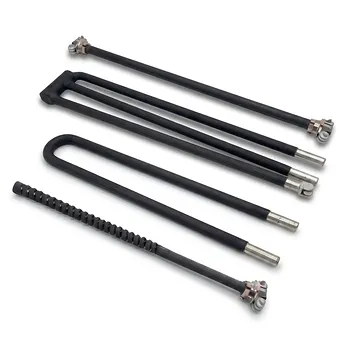
- Silicon Carbide SiC Thermal Heating Elements for Industrial Electric Furnaces
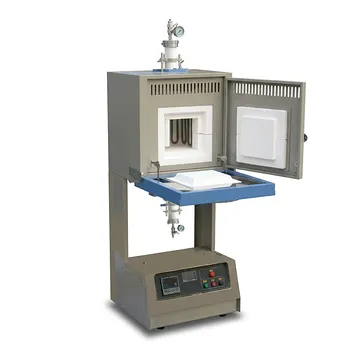
- Vertical Hybrid High Temperature Furnace 1500C Alumina Tube SOFC Fuel Cell Testing Laboratory Heat Treatment Research Equipment
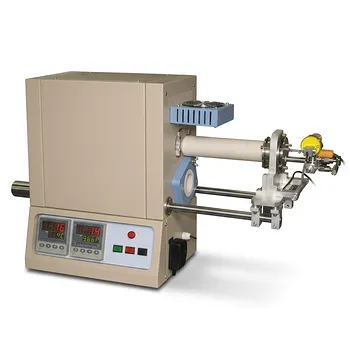
- High Temperature Tube Furnace 1500C with Sliding Flanges and 50mm OD for Rapid Thermal Processing Fast Heating and Cooling
- Molybdenum Disilicide MoSi2 Thermal Elements Electric Furnace Heating Element High Temperature Resistance
- High Temperature Benchtop Muffle Furnace 1700C 10L Chamber Alumina Fiber Insulation MoSi2 Heating Elements
People Also Ask
- How do electric thermal elements compare to combustion-based heating systems? Maximize Your Lab's Energy Efficiency
- What are the fundamental components and operating principles of electric thermal elements? A Comprehensive Guide
- What is the primary function of an industrial electric furnace in the initial stage of preparing reclaimed carbon black?
- Why is a Type C thermocouple selected for slag at 1773 K? Ensure Stability and Precision for High-Temp Analysis
- Why is the selection of high-performance thermal elements critical for high-temperature testing? Ensure Data Integrity.

Tech Team · ThermUnits
Last updated on Apr 14, 2026
Related Products
Silicon Carbide SiC Thermal Heating Elements for Industrial Electric Furnaces
Vertical Hybrid High Temperature Furnace 1500C Alumina Tube SOFC Fuel Cell Testing Laboratory Heat Treatment Research Equipment
High Temperature Tube Furnace 1500C with Sliding Flanges and 50mm OD for Rapid Thermal Processing Fast Heating and Cooling
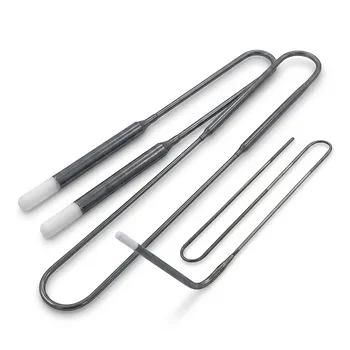
Molybdenum Disilicide MoSi2 Thermal Elements Electric Furnace Heating Element High Temperature Resistance
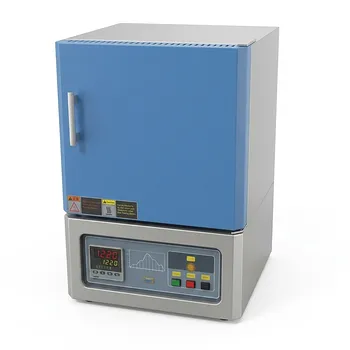
High Temperature Benchtop Muffle Furnace 1700C 10L Chamber Alumina Fiber Insulation MoSi2 Heating Elements
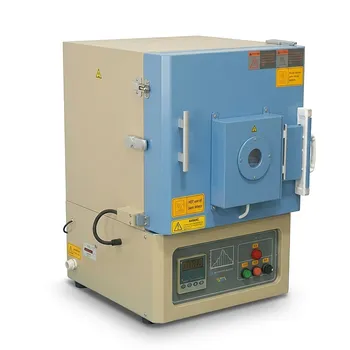
High Temperature Benchtop Muffle Furnace 1500C with 3.6L Chamber and Quartz Observation Window
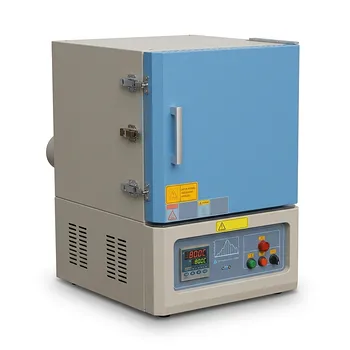
1800C Bench Top Muffle Furnace 18 Liters with Kanthal Super 1900 Heating Elements for High Purity Ceramic Sintering and Material Research
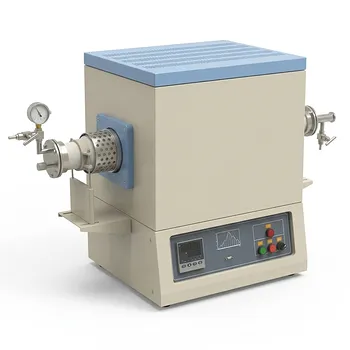
1750°C High Temperature Benchtop Vacuum Atmosphere Tube Furnace with Kanthal Super 1800 Heating Elements and 60mm Alumina Processing Tube
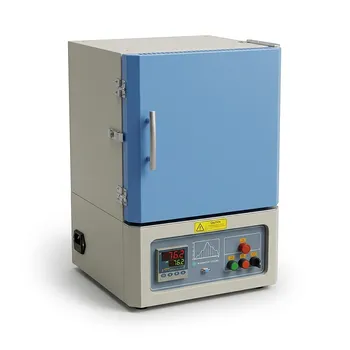
1750C Bench Top Muffle Furnace 3.6L High Grade Molybdenum Disilicide Heating Elements Laboratory Heat Treatment Equipment
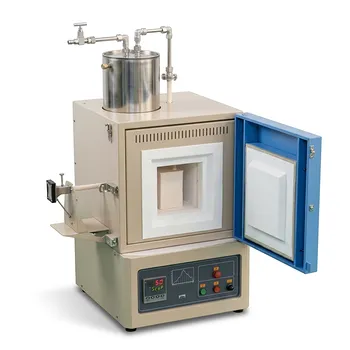
High Temperature Bench Top Muffle Furnace 1700C with Integrated Evaporating Particle Collection and 8x8x8 Alumina Fiber Chamber
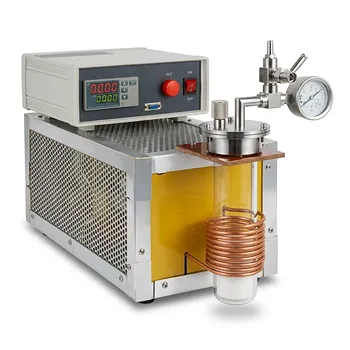
High Temperature Mini Induction Heating Furnace 1600C Laboratory Material Melting System
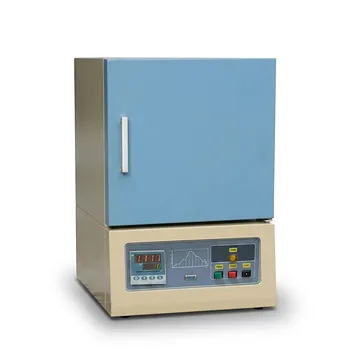
Ultra High Temperature Bench Top Muffle Furnace 1750C Sintering System with Kanthal Super Heating Elements and Precision Digital Control
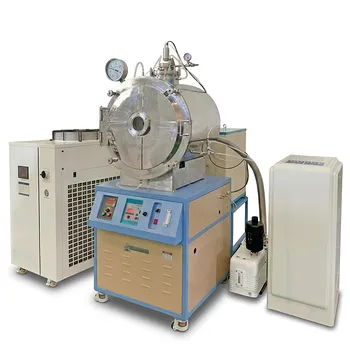
Ultra High Temperature Induction Heated Vacuum Furnace with Molten Salt Electrolysis Capability and 3000 Degree Precision Control
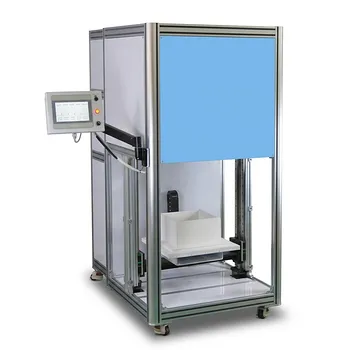
High Temperature 1600°C Three Zone Heated Bottom Loading Box Furnace with Rapid Thermal Processing Chamber 72L Volume
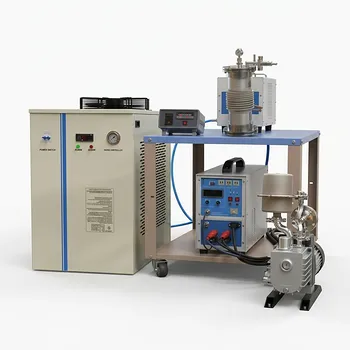
Induction Heating System with Temperature Control for High Temperature Vacuum Sintering and Melting
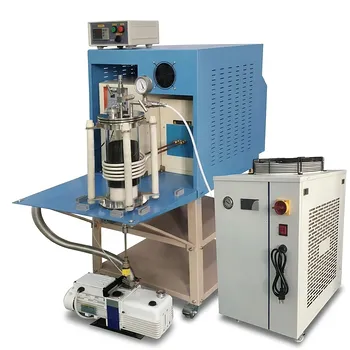
15KW Induction Heating System with 5 Inch Quartz Tube and 2200C Temperature Controller
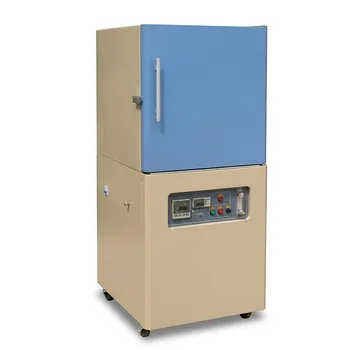
High Temperature Muffle Furnace with Dual Controllers and 36L Large Chamber 1700C Max
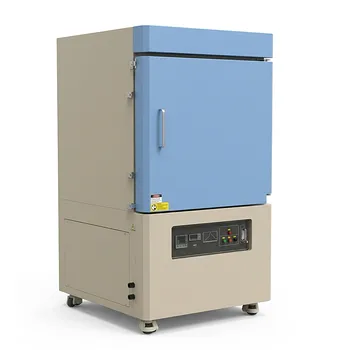
Industrial Large Box Furnace 1700C 216L High Temp Muffle Sintering System
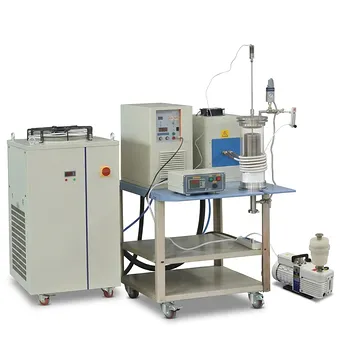
High Temperature Induction Melting System with Multi Cavity Crucible and 15KW Precision Digital Temperature Control