Why is a Type C thermocouple selected for slag at 1773 K? Ensure Stability and Precision for High-Temp Analysis
Updated 3 months ago
The selection of a Type C tungsten-rhenium thermocouple for slag monitoring at 1773 K is driven by its exceptional stability and precision in ultra-high temperature ranges. At this thermal threshold, standard sensors often fail or drift, but the Type C alloy provides the accurate, real-time baseline necessary for complex calculations, such as determining the emissivity of the slag sample.
Core Takeaway: Type C thermocouples (W-5% Re/W-26% Re) are the gold standard for 1773 K applications because they maintain a linear response and thermoelectric stability where other sensors degrade. This reliability is essential for ensuring experimental repeatability and the precise mapping of phase transitions in molten materials.
Performance in Extreme Thermal Environments
Superior Stability Above 1500 K
At 1773 K, many traditional thermocouples reach their physical limits, leading to measurement "drift" or mechanical failure. The W-5% Re/W-26% Re composition of the Type C sensor is specifically engineered to remain stable at temperatures exceeding 2000 K.
High Sensitivity and Linear Response
Type C thermocouples offer a linear response across a broad high-temperature spectrum (1273 K to over 2273 K). This linearity ensures that small fluctuations in the slag’s temperature are captured with high sensitivity, which is critical for maintaining phase equilibrium.
Precision in Real-Time Monitoring
In slag experiments, the thermocouple is often placed directly beneath the crucible holder to provide an immediate thermal signal. This placement allows for the precise execution of the melting regime, ensuring the sample follows the intended temperature-time curve.
Structural Integrity and Protection
Resistance to Material Erosion
Slag monitoring often involves volatile environments where metal vapors can contaminate sensors. When paired with high-purity alumina sleeves, Type C wires are shielded from erosion and direct contact with liquid steel or slag.
Maintaining Measurement Accuracy
The use of protective sleeving does not just preserve the wire; it ensures that the thermoelectric signal remains pure. This prevents the "poisoning" of the thermocouple alloy, which would otherwise result in inaccurate temperature readings during long-duration sintering or melting.
Critical Baseline for Emissivity
Accurate temperature data at 1773 K is the primary input for calculating the emissivity of a sample. Without the high-precision baseline provided by the Type C thermocouple, subsequent thermal radiation models and material property assessments would be fundamentally flawed.
Understanding the Trade-offs
Atmospheric Limitations
Tungsten-rhenium alloys are highly susceptible to oxidation. They must be used in a vacuum, high-purity inert gas (like Argon), or a dry reducing atmosphere; exposure to oxygen at 1773 K will cause the sensor to fail almost instantly.
Post-Heating Brittleness
Once a Type C thermocouple has been heated to 1773 K, the tungsten wires undergo recrystallization. This makes the sensor extremely brittle, meaning it can rarely be repositioned or handled after the first thermal cycle without breaking.
Applying This to Your Project
Recommendations for Implementation
- If your primary focus is emissivity calculation: Ensure the thermocouple is placed in the closest possible proximity to the crucible base to minimize the thermal gradient between the sensor and the slag surface.
- If your primary focus is long-term sintering stability: Prioritize the use of high-purity alumina or ceramic shielding to prevent vapor-phase contamination from altering the thermocouple's calibration over time.
- If your primary focus is phase transition boundary mapping: Utilize a high-speed data acquisition system to capitalize on the Type C's high sensitivity and linear response during rapid cooling or heating phases.
By matching the rugged stability of the Type C alloy with appropriate atmospheric controls, you ensure the integrity of high-temperature slag analysis.
Summary Table:
| Feature | Type C (W-5% Re/W-26% Re) Characteristic | Benefit for Slag Monitoring at 1773 K |
|---|---|---|
| Thermal Stability | Operates reliably above 2000 K | Prevents measurement drift and sensor failure |
| Signal Response | Highly linear from 1273 K to 2273 K | Accurate detection of small phase fluctuations |
| Application Focus | Provides real-time thermal baseline | Essential for precise emissivity calculations |
| Environment | Requires vacuum or inert gas (Argon) | Protects sensor from rapid high-temp oxidation |
| Durability | High-purity alumina sleeve protection | Resists erosion from volatile slag/metal vapors |
Optimize Your Thermal Processing with THERMUNITS
Precise temperature monitoring is only one piece of the puzzle. At THERMUNITS, we provide the comprehensive thermal solutions required for advanced material science and industrial R&D. As a leading manufacturer, our high-temperature laboratory equipment—including Muffle, Vacuum, Atmosphere, Tube, and Rotary furnaces, as well as CVD/PECVD systems and Vacuum Induction Melting (VIM) furnaces—is designed to meet the rigorous demands of slag analysis and heat treatment.
Ready to enhance your lab's efficiency and accuracy? Contact our experts today to find the perfect thermal processing system for your specific research needs!
References
- B. V. Rangavittal, Björn Glaser. Experimental Determination of Slag Emissivities for Enhanced Slag Control by Infrared‐Based Systems. DOI: 10.1002/srin.202400277
Mentioned Products
- Silicon Carbide SiC Thermal Heating Elements for Industrial Electric Furnaces
- 1200C High Temperature 5 Inch Sliding Tube Furnace for Rapid Thermal Processing RTP and Wafer Annealing
- 900°C Max Rotary Tube Furnace with 8 Inch 310S Alloy Tube and Optional Multi Zone Heating for Industrial Material Calcination
- High Temperature Three Zone Tube Furnace 1700C with Alumina Tube and Water Cooled Flanges
- High Temperature Tube Furnace 1500C with Sliding Flanges and 50mm OD for Rapid Thermal Processing Fast Heating and Cooling
People Also Ask
- Which materials are used for thermal elements in furnaces exceeding 1,500°C? Expert Guide to Extreme Heat Solutions
- How do electric thermal elements compare to combustion-based heating systems? Maximize Your Lab's Energy Efficiency
- What are the fundamental components and operating principles of electric thermal elements? A Comprehensive Guide
- What is the primary function of an industrial electric furnace in the initial stage of preparing reclaimed carbon black?
- Why is the selection of high-performance thermal elements critical for high-temperature testing? Ensure Data Integrity.

Tech Team · ThermUnits
Last updated on Jun 03, 2026
Related Products
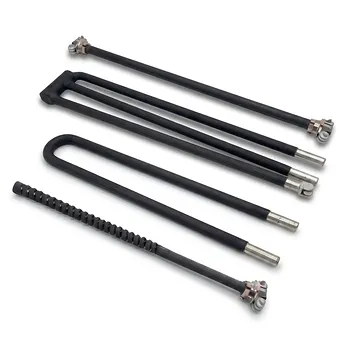
Silicon Carbide SiC Thermal Heating Elements for Industrial Electric Furnaces
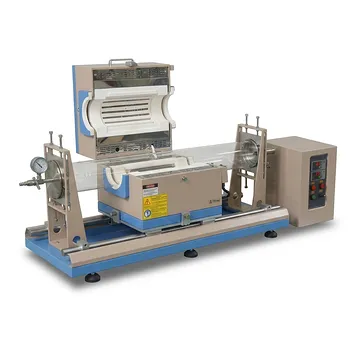
1200C High Temperature 5 Inch Sliding Tube Furnace for Rapid Thermal Processing RTP and Wafer Annealing
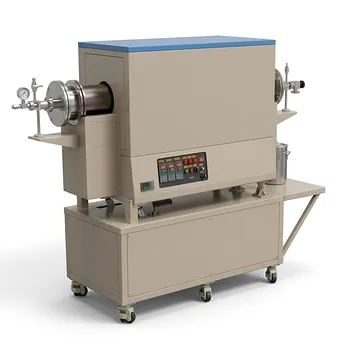
900°C Max Rotary Tube Furnace with 8 Inch 310S Alloy Tube and Optional Multi Zone Heating for Industrial Material Calcination
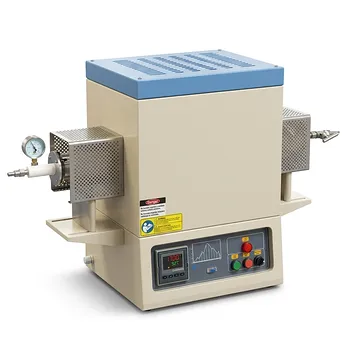
High Temperature Three Zone Tube Furnace 1700C with Alumina Tube and Water Cooled Flanges

High Temperature Tube Furnace 1500C with Sliding Flanges and 50mm OD for Rapid Thermal Processing Fast Heating and Cooling
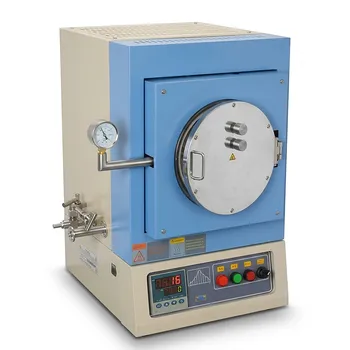
1100°C High Temperature Quartz Chamber Furnace 8 Inch OD with 7.6 Liter Capacity and Vacuum Atmosphere Capability
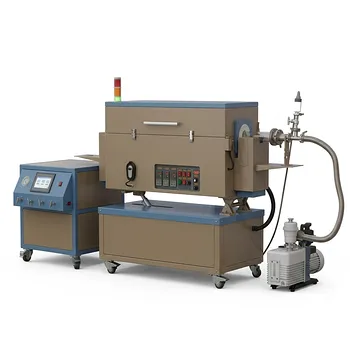
5 Inch Three Zone Rotary Tube Furnace with Integrated Gas Delivery System and 1200C Capability for Advanced Material CVD Processing
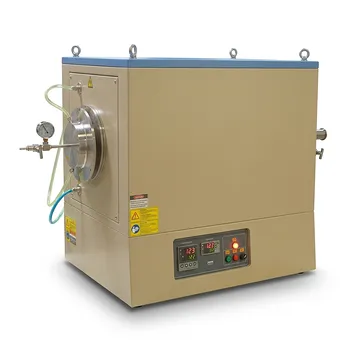
1100°C Large Diameter Quartz Tube Furnace with 24 Inch Heating Zone and Water Cooled Flanges
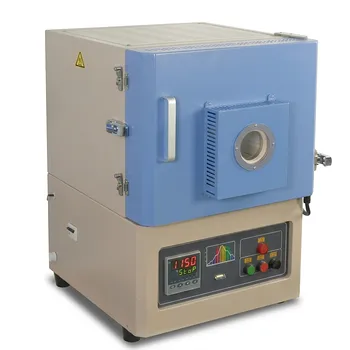
High Temperature Benchtop Muffle Furnace with Quartz Observation Window for Thermal Imaging and Material Analysis
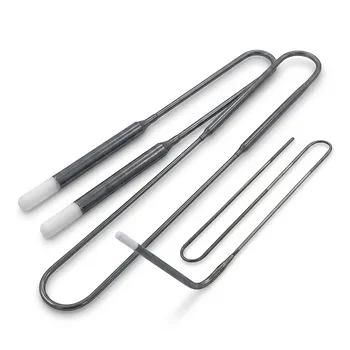
Molybdenum Disilicide MoSi2 Thermal Elements Electric Furnace Heating Element High Temperature Resistance
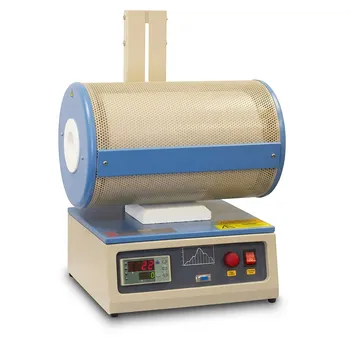
Multi Position Tube Furnace 1100C for Laboratory Material Research and Advanced Industrial Thermal Processing
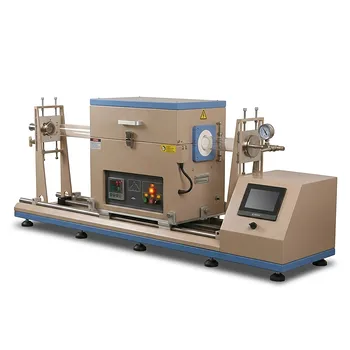
1200C Sliding Tube Furnace for Rapid Thermal Processing and CVD Graphene Growth with 100mm OD Capacity
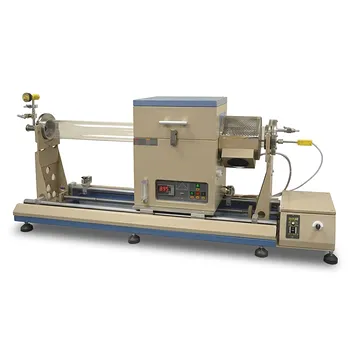
900 ºC Max Sliding RTP Tube Furnace with Rapid IR Heating and 4 Inch OD Quartz Tube
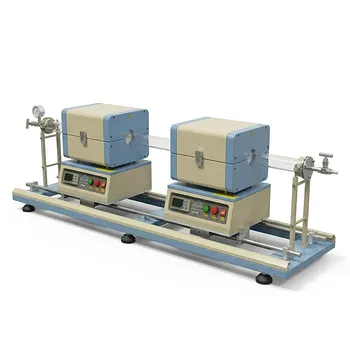
1200C Max Dual Sliding Tube Furnace with 50 mm Tube Flanges for CVD
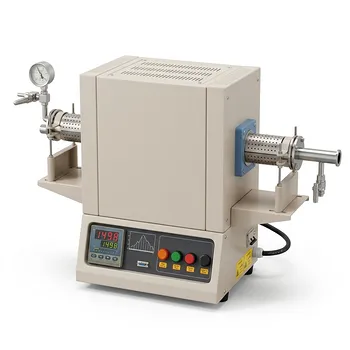
1500C High Temperature Compact Tube Furnace 2 Inch OD with Vacuum Flanges and Complete Accessories
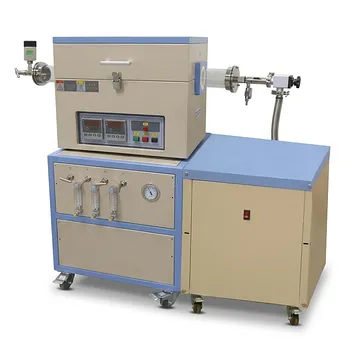
Dual Zone Quartz Tube Furnace with 80mm Diameter 1200C Max Temperature 3 Channel Gas Mixer and Vacuum Pump System
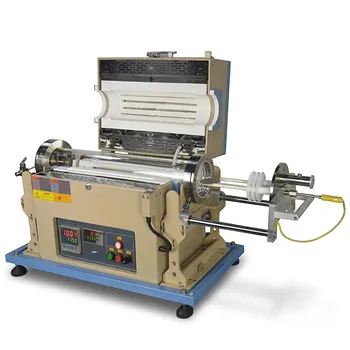
1200°C High Temperature 4 Inch Tube Furnace with Sliding Flange for CVD Systems
1100°C Vertical Laboratory Furnace for DIY Tubular Reactors with PID Temperature Controller

Compact High Temperature 1600C Tube Furnace with 50mm Alumina Tube and Vacuum Flanges for Material Sintering
