What is the purpose of pre-treating hygroscopic raw materials? Ensure Accuracy in Slag Viscosity Measurement
Updated 3 months ago
The primary objective of pre-treating hygroscopic raw materials is to guarantee the precision of the slag’s chemical composition. By removing moisture and residual carbonates through controlled heating, researchers prevent unintended deviations in the material’s mass, which would otherwise skew the results of high-temperature viscosity measurements.
Pre-treatment ensures that the mass of the raw materials reflects their actual chemical oxide content, rather than absorbed water or carbon dioxide. This step is essential because slag viscosity is highly sensitive to chemical ratios; even minor inaccuracies in the initial recipe can lead to significant experimental errors.
The Impact of Impurities on Experimental Integrity
Eliminating Moisture and Carbonates
Materials like calcium oxide (CaO) and magnesium oxide (MgO) are naturally hygroscopic, meaning they readily absorb moisture and carbon dioxide from the atmosphere.
If these materials are used "as-is," the weight measured on a scale includes the weight of these absorbed volatiles, not just the pure oxide.
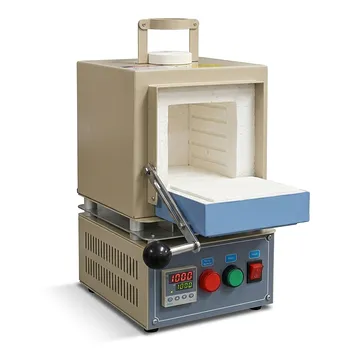
Pre-heating in a muffle furnace drives off these impurities, ensuring that the 10 grams you weigh is actually 10 grams of the intended chemical.
Protecting the Precision of the Recipe
Slag viscosity is a property that depends heavily on the specific balance of its components.
If the actual chemical composition differs from the calculated recipe due to moisture loss during melting, the resulting viscosity data will be invalid.
Pre-treatment serves as a calibration step for the raw materials, ensuring that the final slag matches the theoretical model intended for the study.
The Mechanics of the Pre-treatment Process
Achieving Thermal Stability at 1223 K
The standard procedure involves heating the oxides to 1223 K and maintaining that temperature for an extended period.
This specific temperature is high enough to facilitate both dehydration (removal of water) and calcination (removal of CO2 from residual carbonates).
By reaching this thermal threshold, the material becomes chemically stable and ready for the high-temperature environment of the viscosity measurement.
Preventing Volatile Interference During Melting
When untreated materials are placed directly into a high-temperature melting furnace, volatiles escape rapidly as gases.
This sudden release of gas can cause bubbling or splashing within the crucible, which may interfere with the sensitivity of the viscosity sensor.
Removing these gases beforehand ensures a quiescent melt, which is vital for obtaining a stable and clean measurement signal.
Understanding the Trade-offs and Risks
Time vs. Accuracy
The most significant trade-off in pre-treatment is the time investment required to reach and maintain 1223 K.
Skipping this step might save hours of preparation, but it risks producing data that is fundamentally flawed and unrepeatable.
In professional metallurgy, the reliability of the data almost always outweighs the desire for a faster experimental turnaround.
Re-absorption Risks
Once the materials are pre-treated, they remain "active" and can begin re-absorbing moisture immediately upon cooling.
Researchers must store pre-treated materials in desiccators or use them immediately to prevent the benefits of the pre-treatment from being lost.
Failure to handle these materials properly after heating creates a false sense of security regarding the slag's final composition.
How to Apply This to Your Project
Making the Right Choice for Your Goal
- If your primary focus is high-precision research: You must strictly adhere to the 1223 K pre-treatment protocol to ensure your chemical ratios are exact.
- If your primary focus is rapid industrial screening: You may use shorter drying times for less sensitive components, but you must still account for the potential composition drift in your final report.
- If your primary focus is minimizing equipment wear: Ensure that pre-treated materials are cooled in a controlled environment to prevent thermal shock to the crucibles or storage containers.
By meticulously removing volatiles before the melting process, you transform a potentially volatile experiment into a controlled, repeatable scientific measurement.
Summary Table:
| Process Step | Specification/Goal | Key Benefit |
|---|---|---|
| Temperature | 1223 K Maintenance | Full dehydration and calcination of oxides (CaO, MgO). |
| Impurity Removal | Eliminating H2O & CO2 | Ensures the weighed mass matches the theoretical chemical recipe. |
| Melt Quality | Removing Volatiles | Prevents bubbling and splashing for a stable viscosity sensor signal. |
| Post-Treatment | Desiccator Storage | Prevents immediate re-absorption of moisture after cooling. |
Elevate Your Material Research with THERMUNITS Precision
Achieve unmatched accuracy in your high-temperature experiments with THERMUNITS, a leading manufacturer of laboratory heat treatment solutions for material science and industrial R&D. Our high-performance range includes Muffle, Vacuum, Atmosphere, Tube, and Rotary furnaces, as well as CVD/PECVD systems, Hot Press furnaces, Dental Furnaces, and Vacuum Induction Melting (VIM) units.
Whether you are pre-treating hygroscopic materials or conducting complex slag viscosity measurements, our equipment ensures uniform heating and precise control for repeatable scientific results. Contact us today to discover how our tailored thermal processing solutions can optimize your laboratory’s workflow and data integrity.
References
- Elin Åström, J. Björkvall. Influence of Vanadium Oxide on the Viscosity Within the CaO–SiO2–“FeO”–MgO System. DOI: 10.1007/s11663-024-03322-9
Mentioned Products
- 1200C Muffle Furnace 12x8x5 7.2L Heating Chamber with Quartz Observation Window and Vent Port
- 1750C Compact Muffle Furnace 1.7L Ultra High Temperature Laboratory Sintering System for Advanced Ceramics and Material Science Research
- High Temperature 1200C Muffle Furnace 27L Volume 12x12x12 Chamber with Programmable PID Controller for Laboratory Material Science
- 1200°C High Temperature Muffle Furnace 19L Chamber with 50 Segment Programmable Controller
- 1750C Bench Top Muffle Furnace 3.6L High Grade Molybdenum Disilicide Heating Elements Laboratory Heat Treatment Equipment
People Also Ask
- What is the function of an experimental muffle furnace in the conversion of FeOOH to α-Fe2O3? Optimize Phase Transition
- Why is a muffle furnace required for MoO2@HCNF pre-oxidation? Crucial Steps for High-Performance Composites
- What is the function of a high-temperature Muffle furnace in removing residual solvents? Essential Bismuth Synthesis
- What is the function of Muffle furnace calcination? Essential steps for Pr-doped SrFeMoO6 Perovskite synthesis.
- What are the primary functions of a Muffle furnace in oxide calcination? Achieve high purity and phase control.

Tech Team · ThermUnits
Last updated on Jun 03, 2026
Related Products
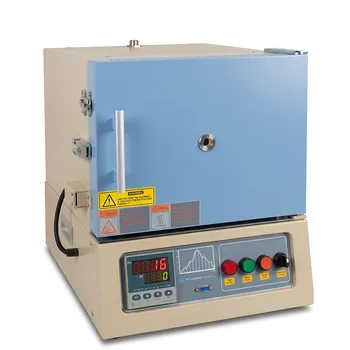
1200C Muffle Furnace 12x8x5 7.2L Heating Chamber with Quartz Observation Window and Vent Port
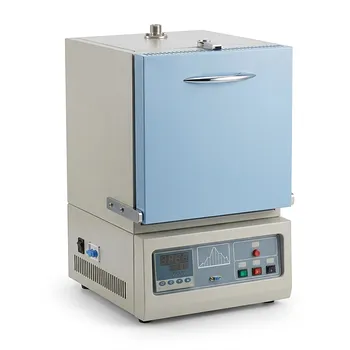
1750C Compact Muffle Furnace 1.7L Ultra High Temperature Laboratory Sintering System for Advanced Ceramics and Material Science Research
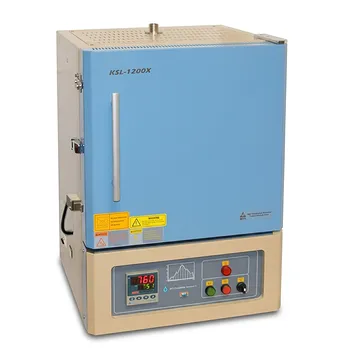
High Temperature 1200C Muffle Furnace 27L Volume 12x12x12 Chamber with Programmable PID Controller for Laboratory Material Science
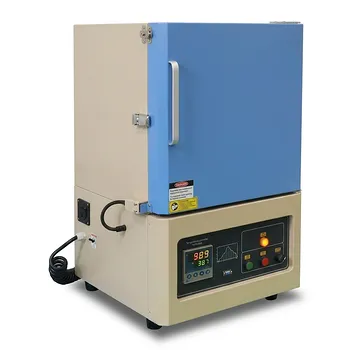
1200°C High Temperature Muffle Furnace 19L Chamber with 50 Segment Programmable Controller
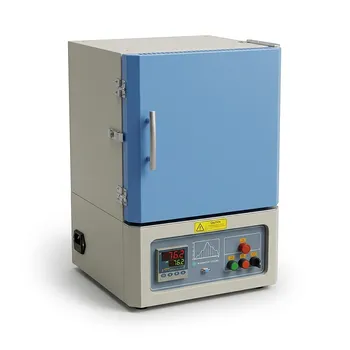
1750C Bench Top Muffle Furnace 3.6L High Grade Molybdenum Disilicide Heating Elements Laboratory Heat Treatment Equipment
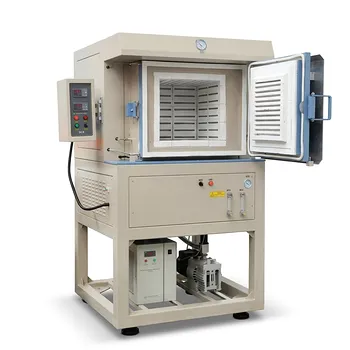
1200°C Five Side Heating Atmosphere Controlled Muffle Furnace 64 Liter High Uniformity Box Furnace for Material Synthesis
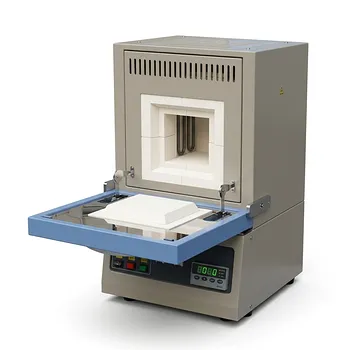
Five Sided Heating Muffle Furnace High Uniformity 1200C Lab Box Furnace 27L Alumina Fiber Chamber
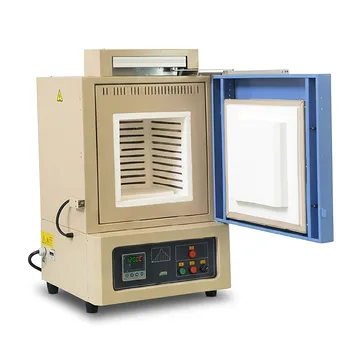
1200C High Temperature Muffle Furnace with Motorized Door and Automated PC Control for Industrial Sintering and Material Processing 27 Liter
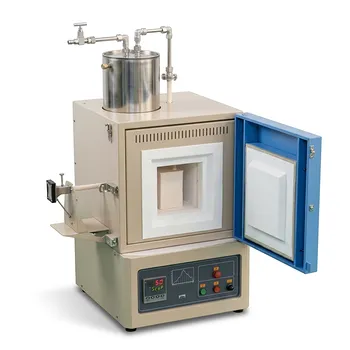
High Temperature Bench Top Muffle Furnace 1700C with Integrated Evaporating Particle Collection and 8x8x8 Alumina Fiber Chamber
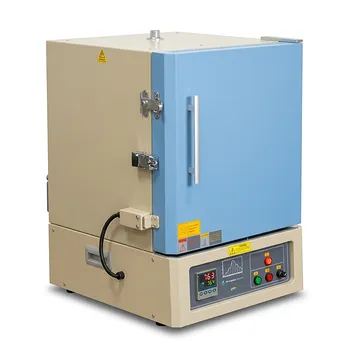
Large Capacity 1200C Muffle Furnace 64 Liter Chamber with Digital PID Controller and Built In Venting Port
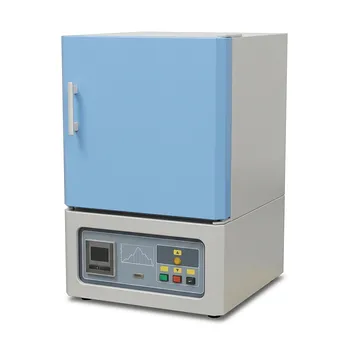
1800C Bench Top Muffle Furnace with Kanthal Super 1900 Heating Elements and 3.6L Alumina Fiber Chamber
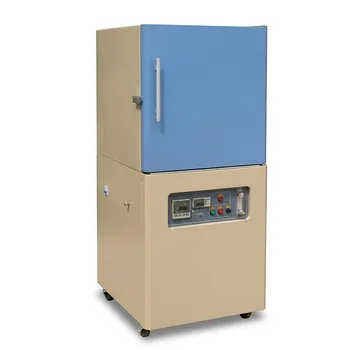
High Temperature Muffle Furnace with Dual Controllers and 36L Large Chamber 1700C Max
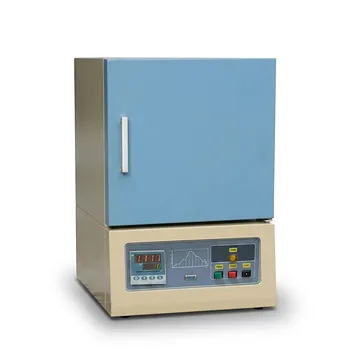
Ultra High Temperature Bench Top Muffle Furnace 1750C Sintering System with Kanthal Super Heating Elements and Precision Digital Control
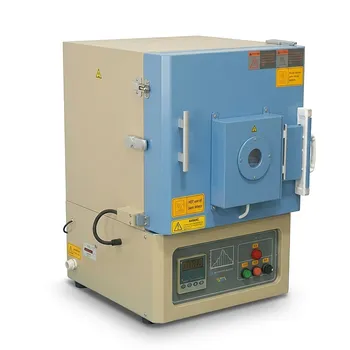
High Temperature Benchtop Muffle Furnace 1500C with 3.6L Chamber and Quartz Observation Window
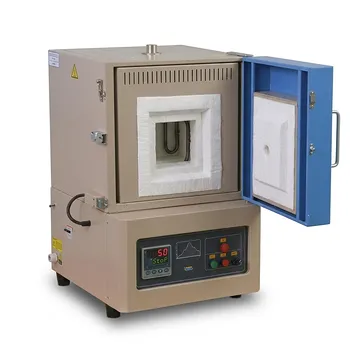
1800°C Bench Top Ultra High Temperature Muffle Furnace with Sapphire Observation Window and Top Feeding Port for Materials Research and Thermal Processing
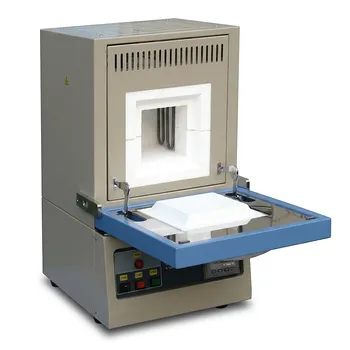
High Temperature 1800C Compact Muffle Furnace with Kanthal Super 1900 Heating Elements and 1.7L Alumina Chamber
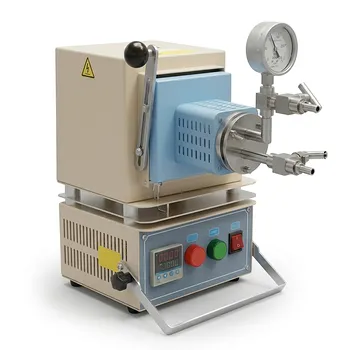
Compact Hybrid Muffle and Tube Furnace for 1000C Controlled Atmosphere Laboratory Material Sintering
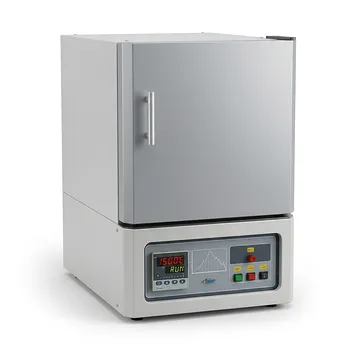
High Temperature 1500C Benchtop Muffle Furnace 3.6L Alumina Fiber Chamber Programmable Controller Sintering Annealing Carbonization Thermal Processing System
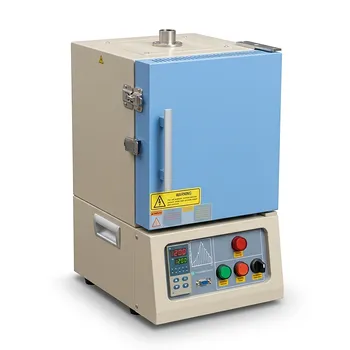
1200°C Small Box Furnace 4.2 Liter Programmable Muffle Furnace with High Purity Alumina Insulation and PID Control