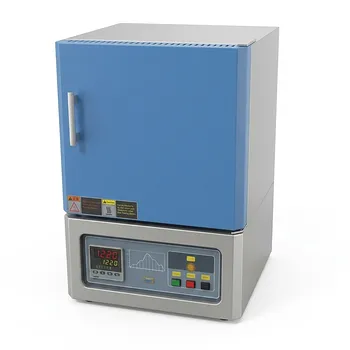
What is the function of a high-temperature Muffle furnace in removing residual solvents? Essential Bismuth Synthesis
Updated 3 months ago
In the synthesis of bismuth-based single-atom catalysts, a high-temperature Muffle furnace serves as the primary tool for solvent elimination and precursor stabilization. It provides a stable 190°C thermal environment specifically designed to drive off high-boiling-point solvents, such as dimethyl sulfoxide (DMSO), from semi-liquid precursor materials. This transition is critical for transforming the mixture into a dry solid powder, which serves as the physical foundation for the subsequent precision-controlled annealing required to regulate the bismuth coordination environment.
The Muffle furnace acts as a vital bridge between wet-chemistry synthesis and solid-state atomic engineering. By ensuring the complete removal of residual high-boiling solvents, it establishes the material consistency necessary for the precise structural regulation of single-atom sites.
Overcoming the DMSO Boiling Point Barrier
Thermal Requirements for Solvent Removal
Dimethyl sulfoxide (DMSO) is frequently used in catalyst synthesis but presents a challenge due to its high boiling point of approximately 189°C. Standard laboratory drying ovens often lack the thermal stability or range to effectively eliminate DMSO from a semi-liquid matrix.
The Necessity of the 190°C Threshold
The Muffle furnace is deployed at a specific set point of 190°C to ensure the environment remains slightly above the boiling point of the solvent. This precise temperature control ensures that every trace of residual DMSO is vaporized without causing premature or uncontrolled decomposition of the metal precursors.
Establishing the Physical Foundation for Catalysis
Transitioning from Semi-Liquid to Solid Powder
The removal of solvents transforms the precursor from a viscous, semi-liquid state into a uniform solid powder. This change in physical state is a prerequisite for achieving a high surface area and ensuring that the metal atoms are distributed correctly across the support material.
Preparing for Precision Tube Furnace Annealing
Once the Muffle furnace has produced a dry powder, the material is ready for high-temperature annealing in a tube furnace. The success of this secondary step—which regulates the coordination environment of the bismuth atoms—depends entirely on the dryness and purity of the powder produced in the Muffle furnace.
The Role of Thermal Stability in Material Integrity
Driving Solid-Phase Consistency
Beyond mere drying, the Muffle furnace provides a stable thermal field that prevents localized overheating, which could lead to unwanted metal aggregation. This stability ensures that the precursor components remain intimately mixed and ready for lattice reorganization.
Facilitating Precursor Stabilization
By providing a controlled oxidizing or neutral atmosphere, the furnace begins the process of stabilizing the metal species on their carrier. This pre-treatment ensures that the chemical bonds between the active sites and the carrier are prepared for the intense thermal induction effects of later synthesis stages.
Understanding the Trade-offs and Risks
Solvent Retention vs. Precursor Degradation
The primary trade-off in this stage involves balancing the total removal of high-boiling solvents against the risk of degrading sensitive organic ligands. If the temperature is too low, residual DMSO will interfere with the atomic coordination in the tube furnace; if too high, the bismuth may begin to cluster prematurely.
Atmospheric Influence on Results
While Muffle furnaces provide excellent temperature stability, they are often open to the ambient atmosphere unless specifically modified. Users must account for the presence of oxygen during the drying phase, as this can influence the initial oxidation state of the bismuth before the final annealing process begins.
Applying This Process to Your Synthesis Goals
Strategic Recommendations for Catalyst Preparation
- If your primary focus is DMSO removal: Maintain the Muffle furnace at a steady 190°C to ensure the solvent is completely driven off without reaching the decomposition point of the metal nitrates.
- If your primary focus is crystalline phase purity: Use the Muffle furnace for a longer duration at higher temperatures (e.g., 450°C to 800°C) to drive solid-state reactions and lattice reorganization.
- If your primary focus is single-atom dispersion: Ensure the Muffle furnace drying step is followed immediately by precision annealing in a tube furnace to prevent moisture re-absorption and atomic migration.
Ultimately, the Muffle furnace provides the thermal precision necessary to transform raw chemical mixtures into the highly ordered solid-state precursors required for advanced bismuth single-atom catalysis.
Summary Table:
| Synthesis Stage | Furnace Function | Temperature | Impact on Catalyst Quality |
|---|---|---|---|
| Solvent Removal | Eliminates high-boiling DMSO | 190°C | Prevents impurities from interfering with atomic sites. |
| Phase Transition | Semi-liquid to dry solid powder | Stable thermal field | Creates the foundation for uniform surface area. |
| Precursor Prep | Bridges wet-chemistry to solid-state | Variable | Ensures precursor stability before tube furnace annealing. |
| Aggregation Control | Prevents localized overheating | Precision controlled | Maintains single-atom dispersion and prevents clustering. |
Elevate Your Material Research with THERMUNITS
Precision is the heartbeat of single-atom catalysis. As a leading manufacturer of high-performance thermal equipment, THERMUNITS provides the advanced technology required for rigorous R&D and industrial material science.
Our comprehensive range of solutions—including Muffle, Vacuum, Atmosphere, Tube, and Rotary furnaces, as well as CVD/PECVD systems and Vacuum Induction Melting (VIM) furnaces—are engineered to provide the exact thermal stability needed for DMSO removal and high-temperature annealing.
Ready to optimize your synthesis process? Contact our technical experts today to discover how our heat treatment solutions can enhance your laboratory's efficiency and material integrity.
References
- Saswati Santra, Ian D. Sharp. Tuning Carbon Dioxide Reduction Reaction Selectivity of Bi Single‐Atom Electrocatalysts with Controlled Coordination Environments. DOI: 10.1002/cssc.202301452
Mentioned Products
- 1200C Muffle Furnace 12x8x5 7.2L Heating Chamber with Quartz Observation Window and Vent Port
- High Temperature 1200C Muffle Furnace 27L Volume 12x12x12 Chamber with Programmable PID Controller for Laboratory Material Science
- 1750C Compact Muffle Furnace 1.7L Ultra High Temperature Laboratory Sintering System for Advanced Ceramics and Material Science Research
- 1200C High Temperature 125L Muffle Furnace 5 Side Heating for Large Batch Sintering with Optional Alloy Debinding Chamber
- Ultra High Temperature Bench Top Muffle Furnace 1750C Sintering System with Kanthal Super Heating Elements and Precision Digital Control
People Also Ask
- What is the function of an experimental muffle furnace in the conversion of FeOOH to α-Fe2O3? Optimize Phase Transition
- Why is a muffle furnace required for MoO2@HCNF pre-oxidation? Crucial Steps for High-Performance Composites
- What is the function of Muffle furnace calcination? Essential steps for Pr-doped SrFeMoO6 Perovskite synthesis.
- What are the primary functions of a Muffle furnace in oxide calcination? Achieve high purity and phase control.
- Why is the muffle design advantageous for the production of ceramics and glass? Ensure Purity and Structural Integrity

Tech Team · ThermUnits
Last updated on Jun 03, 2026
Related Products
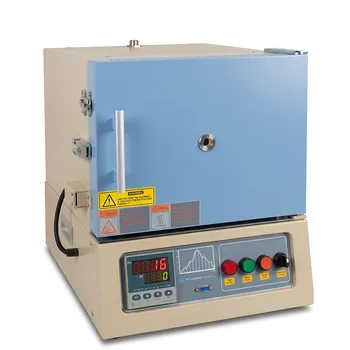
1200C Muffle Furnace 12x8x5 7.2L Heating Chamber with Quartz Observation Window and Vent Port
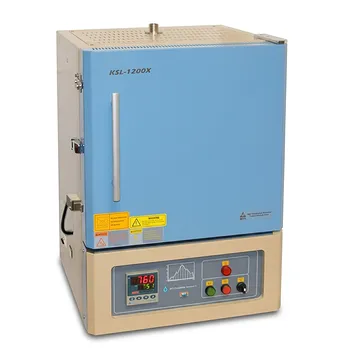
High Temperature 1200C Muffle Furnace 27L Volume 12x12x12 Chamber with Programmable PID Controller for Laboratory Material Science
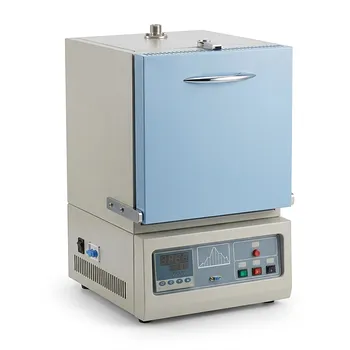
1750C Compact Muffle Furnace 1.7L Ultra High Temperature Laboratory Sintering System for Advanced Ceramics and Material Science Research
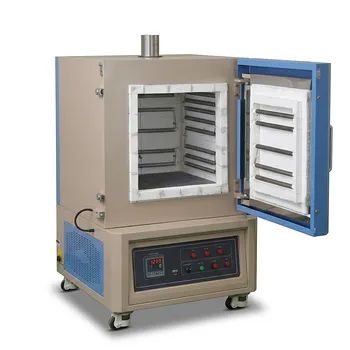
1200C High Temperature 125L Muffle Furnace 5 Side Heating for Large Batch Sintering with Optional Alloy Debinding Chamber
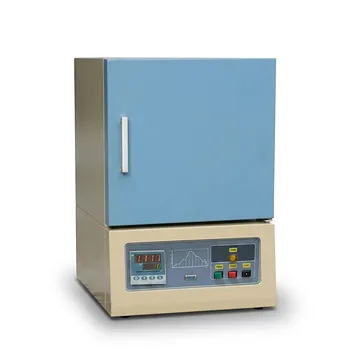
Ultra High Temperature Bench Top Muffle Furnace 1750C Sintering System with Kanthal Super Heating Elements and Precision Digital Control
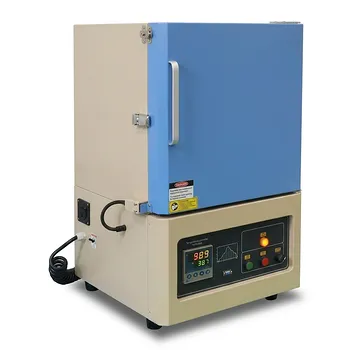
1200°C High Temperature Muffle Furnace 19L Chamber with 50 Segment Programmable Controller
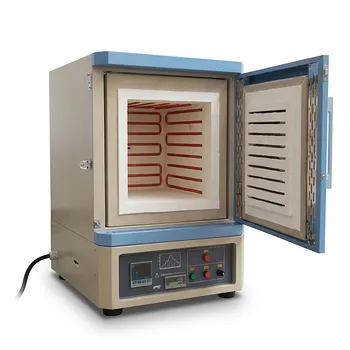
Five Side Heating Muffle Furnace 1200C High Uniformity 64L Chamber 16x16x16 Inch Industrial Heat Treatment
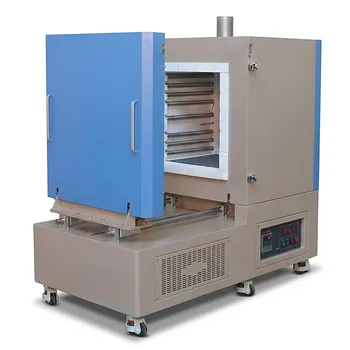
1200C Five Side Heating Muffle Furnace with Sliding Door 125L Volume High Temperature Heat Treatment System for Large Scale Sintering and Annealing
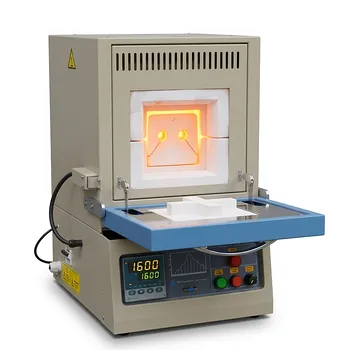
High Temperature Compact Muffle Furnace 1700 C with 30 Segment Programmable Controller and 1.7L Cubic Chamber
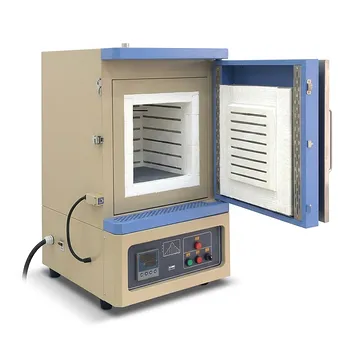
Five Side Heating Muffle Furnace High Purity Alumina Fiber 27L Chamber 1200C High Temperature Thermal Processing System for Sintering Annealing and Materials Research
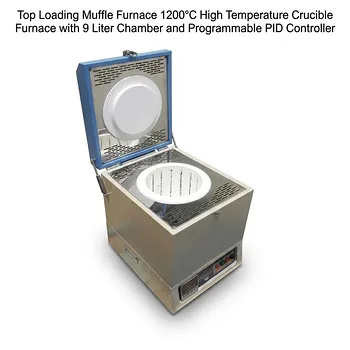
Top Loading Muffle Furnace 1200°C High Temperature Crucible Furnace with 9 Liter Chamber and Programmable PID Controller
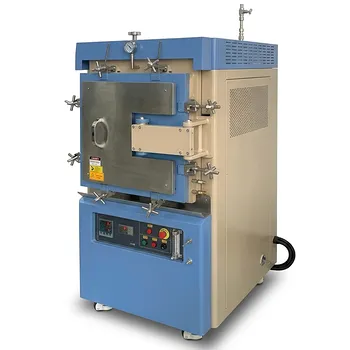
Atmosphere Controlled Muffle Furnace 1700C Maximum Temperature 80L High Capacity Vacuum Inert Gas Box Furnace
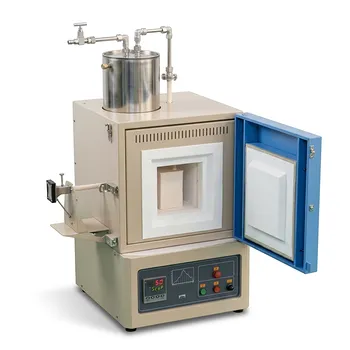
High Temperature Bench Top Muffle Furnace 1700C with Integrated Evaporating Particle Collection and 8x8x8 Alumina Fiber Chamber
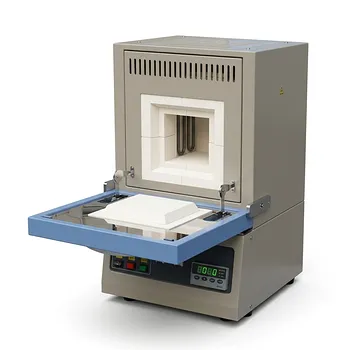
Five Sided Heating Muffle Furnace High Uniformity 1200C Lab Box Furnace 27L Alumina Fiber Chamber
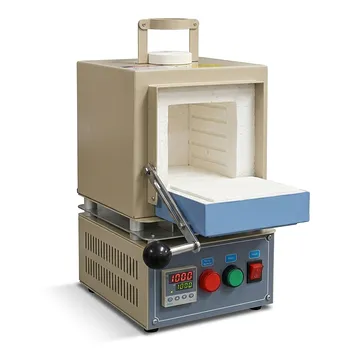
Compact 1000C Muffle Furnace with Programmable Controller and 2 Inch Top Port for Vacuum and Atmosphere Material Research
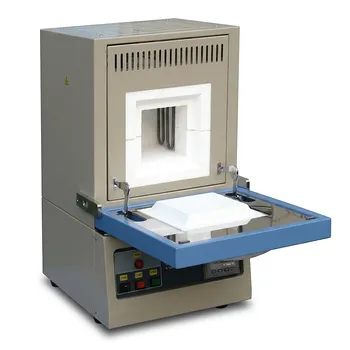
High Temperature 1800C Compact Muffle Furnace with Kanthal Super 1900 Heating Elements and 1.7L Alumina Chamber
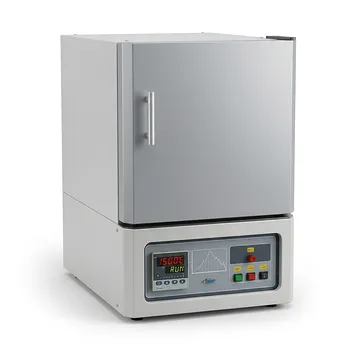
High Temperature 1500C Benchtop Muffle Furnace 3.6L Alumina Fiber Chamber Programmable Controller Sintering Annealing Carbonization Thermal Processing System
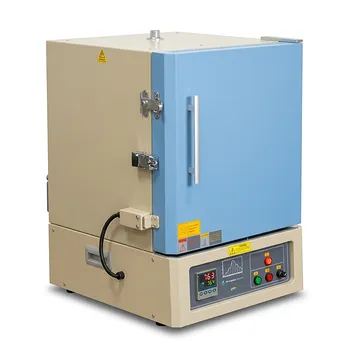
Large Capacity 1200C Muffle Furnace 64 Liter Chamber with Digital PID Controller and Built In Venting Port
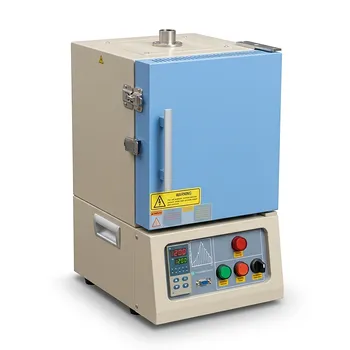
1200°C Small Box Furnace 4.2 Liter Programmable Muffle Furnace with High Purity Alumina Insulation and PID Control