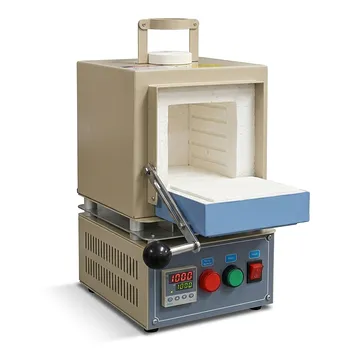
What is the application of a muffle furnace in evaluating grubs-derived biochar? Master Ash & Purity Analysis
Updated 3 months ago
Determining ash content is the primary specific application of a laboratory muffle furnace when evaluating grubs-derived biochar. This is achieved by heating the sample to a constant temperature of 550 °C for 4 hours, which oxidizes all organic components and leaves behind inorganic residue. This measurement is vital for calculating the enrichment of mineral elements and assessing the biochar's potential for improving soil fertility.
The laboratory muffle furnace serves as both a measurement tool for proximate analysis and a controlled environment for biochar synthesis. By precisely regulating high-temperature oxidation and thermal degradation, it allows researchers to quantify the mineral residue and tailor the biochar's chemical stability for specific environmental or industrial uses.
Quantifying Ash Content and Mineral Enrichment
The Mechanism of High-Temperature Oxidation
The muffle furnace provides the intense, consistent heat required to completely oxidize the organic matrix of the grubs-derived biochar. By placing the sample in a porcelain crucible at 550 °C, researchers ensure that all carbonaceous material is removed. The remaining inorganic matter, or ash, represents the concentrated minerals originally present in the biomass.
Implications for Soil Fertility
Evaluating the ash content is critical because it reflects the concentration of non-combustible minerals. In the context of grubs-derived biochar, this data helps predict how the material will contribute to soil nutrient levels. High mineral enrichment typically indicates a greater potential for the biochar to act as a soil amendment.
Evaluating Degree of Carbonization and Purity
Proximate Analysis Parameters
Beyond ash content, the muffle furnace is used to determine volatile matter and fixed carbon. These parameters are established by applying specific temperature programs that simulate different stages of thermal degradation. These values serve as essential indicators for the degree of carbonization and the overall purity of the biochar.
Industrial and Fuel Quality Indicators
For biochar intended for use as a solid fuel or industrial filler, the furnace helps predict slagging and fouling risks. By quantifying the concentration of minerals, researchers can estimate how the biochar will behave in industrial boilers. This helps in determining if the biochar is a high-quality carbon source or if its mineral content might interfere with industrial processes.
Controlling Physical and Chemical Property Synthesis
Thermal Tuning of pH and CEC
The muffle furnace acts as the core equipment for the synthesis of biochar itself, typically across a range of 300 °C to 700 °C. By adjusting the peak temperature, researchers can observe significant shifts in pH and Cation Exchange Capacity (CEC). Generally, higher temperatures in the furnace lead to increased pH and changes in the biochar's ability to hold nutrients.
Structural Development and Adsorption
The stable environment of the furnace facilitates dehydration and decarboxylation reactions. These chemical changes are responsible for creating well-developed pore structures and surface functional groups like hydroxyl and carboxyl groups. These structural features are what allow the biochar to effectively adsorb pollutants or load nanoscale particles for advanced water treatment.
Understanding the Trade-offs
Atmosphere Control Challenges
While a muffle furnace provides excellent temperature stability, the presence of oxygen is a critical variable. For ash determination, oxygen is necessary; however, for the initial synthesis (pyrolysis), the absence of oxygen is required to prevent the sample from simply burning away. Researchers must often use sealed crucibles or inert gas flows to achieve the desired carbonization without total combustion.
Mineral Volatilization Risks
At very high temperatures (e.g., above 750 °C), there is a risk of volatilizing certain minerals that would otherwise be part of the ash content. This can lead to an underestimation of the total inorganic residue. Researchers must balance the need for complete organic oxidation with the preservation of the mineral profile of the grubs-derived material.
How to Apply This to Your Project
Recommendations for Evaluation
To get the most accurate evaluation of your grubs-derived biochar, align your furnace settings with your primary research objective.
- If your primary focus is Soil Amendment Quality: Use a constant temperature of 550 °C for 4 hours to accurately determine ash content and mineral enrichment.
- If your primary focus is Adsorption Capacity: Target synthesis temperatures near 600 °C to maximize the development of pore structures and surface functional groups.
- If your primary focus is Industrial Fuel Standards: Conduct a full proximate analysis to determine fixed carbon and volatile matter to assess slagging risks.
- If your primary focus is Sample Purity: Utilize a low-temperature pretreatment (e.g., 50 °C) to remove moisture and surface contaminants before the main pyrolysis stage.
The laboratory muffle furnace remains the definitive tool for transforming raw biological data into quantifiable physicochemical benchmarks for biochar performance.
Summary Table:
| Application | Key Process / Parameter | Research & Industrial Value |
|---|---|---|
| Ash Content Analysis | 550 °C for 4 Hours | Quantifies mineral enrichment and soil fertility potential. |
| Proximate Analysis | Volatile Matter & Fixed Carbon | Indicates degree of carbonization and sample purity. |
| Biochar Synthesis | Thermal Tuning (300°C - 700°C) | Controls pH, CEC, and develops porous adsorption structures. |
| Fuel Quality Testing | Mineral Concentration Assessment | Predicts slagging and fouling risks for industrial boilers. |
| Pretreatment | Low-Temp Heating (~50 °C) | Removes moisture and surface contaminants before pyrolysis. |
Precision Thermal Solutions for Your Biochar Research
Accurate physicochemical evaluation starts with precise temperature control. THERMUNITS is a leading manufacturer of high-temperature laboratory equipment, empowering material science and industrial R&D teams to achieve repeatable, high-quality results. Whether you are quantifying ash content in a Muffle Furnace, performing complex pyrolysis in Vacuum or Atmosphere Furnaces, or scaling production with Electric Rotary Kilns, our technology is built for excellence.
Our Comprehensive Thermal Range Includes:
- Laboratory Furnaces: Muffle, Tube, and Dental Furnaces for routine analysis.
- Advanced Synthesis: CVD/PECVD systems, Hot Press Furnaces, and Vacuum Induction Melting (VIM).
- Industrial R&D: Rotary and Atmosphere Furnaces for specialized heat treatments.
Boost your lab’s efficiency and data accuracy with equipment designed for durability and precision. Contact THERMUNITS today to discuss your project requirements!
References
- Qingsong Zhao, Penggang Pei. Effect of pyrolysis temperature on physicochemical characteristics and toxic elements for grub manure-derived biochar. DOI: 10.1039/d4ra03778b
Mentioned Products
- 1200C Muffle Furnace 12x8x5 7.2L Heating Chamber with Quartz Observation Window and Vent Port
- 1750C Compact Muffle Furnace 1.7L Ultra High Temperature Laboratory Sintering System for Advanced Ceramics and Material Science Research
- High Temperature 1200C Muffle Furnace 27L Volume 12x12x12 Chamber with Programmable PID Controller for Laboratory Material Science
- 1200°C High Temperature Muffle Furnace 19L Chamber with 50 Segment Programmable Controller
- 1750C Bench Top Muffle Furnace 3.6L High Grade Molybdenum Disilicide Heating Elements Laboratory Heat Treatment Equipment
People Also Ask
- What is the function of an experimental muffle furnace in the conversion of FeOOH to α-Fe2O3? Optimize Phase Transition
- Why is a muffle furnace required for MoO2@HCNF pre-oxidation? Crucial Steps for High-Performance Composites
- What is the function of a high-temperature Muffle furnace in removing residual solvents? Essential Bismuth Synthesis
- What is the function of Muffle furnace calcination? Essential steps for Pr-doped SrFeMoO6 Perovskite synthesis.
- What are the primary functions of a Muffle furnace in oxide calcination? Achieve high purity and phase control.

Tech Team · ThermUnits
Last updated on Jun 02, 2026
Related Products
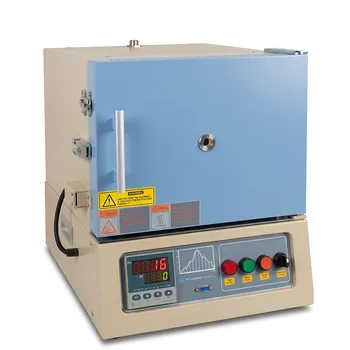
1200C Muffle Furnace 12x8x5 7.2L Heating Chamber with Quartz Observation Window and Vent Port
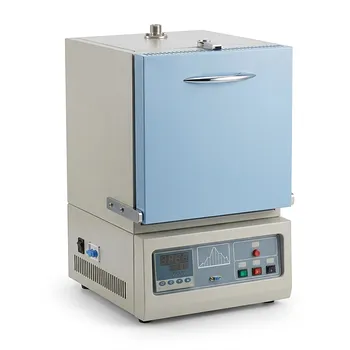
1750C Compact Muffle Furnace 1.7L Ultra High Temperature Laboratory Sintering System for Advanced Ceramics and Material Science Research
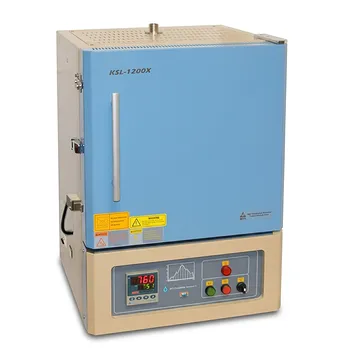
High Temperature 1200C Muffle Furnace 27L Volume 12x12x12 Chamber with Programmable PID Controller for Laboratory Material Science
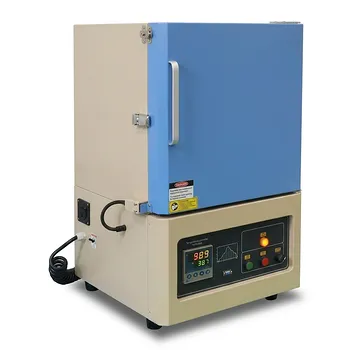
1200°C High Temperature Muffle Furnace 19L Chamber with 50 Segment Programmable Controller
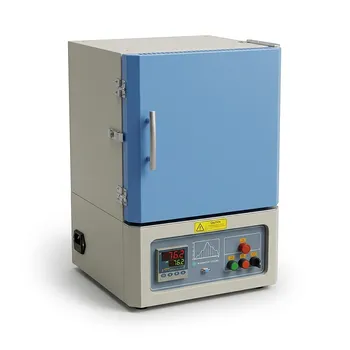
1750C Bench Top Muffle Furnace 3.6L High Grade Molybdenum Disilicide Heating Elements Laboratory Heat Treatment Equipment
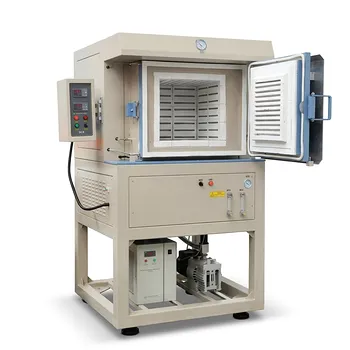
1200°C Five Side Heating Atmosphere Controlled Muffle Furnace 64 Liter High Uniformity Box Furnace for Material Synthesis
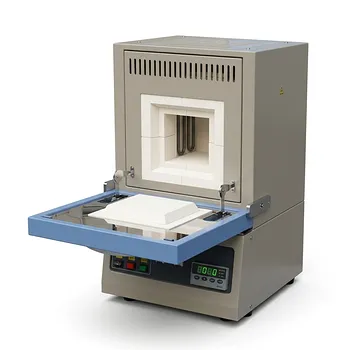
Five Sided Heating Muffle Furnace High Uniformity 1200C Lab Box Furnace 27L Alumina Fiber Chamber
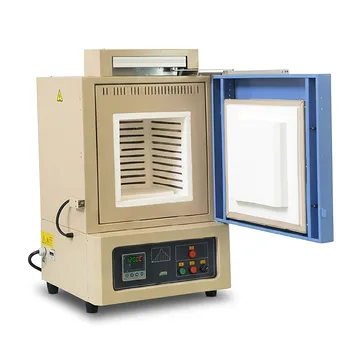
1200C High Temperature Muffle Furnace with Motorized Door and Automated PC Control for Industrial Sintering and Material Processing 27 Liter
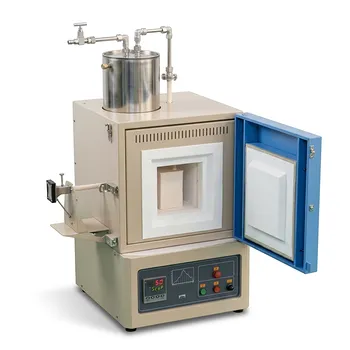
High Temperature Bench Top Muffle Furnace 1700C with Integrated Evaporating Particle Collection and 8x8x8 Alumina Fiber Chamber
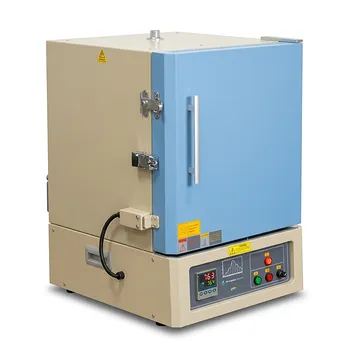
Large Capacity 1200C Muffle Furnace 64 Liter Chamber with Digital PID Controller and Built In Venting Port
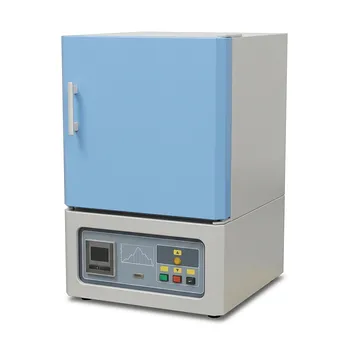
1800C Bench Top Muffle Furnace with Kanthal Super 1900 Heating Elements and 3.6L Alumina Fiber Chamber
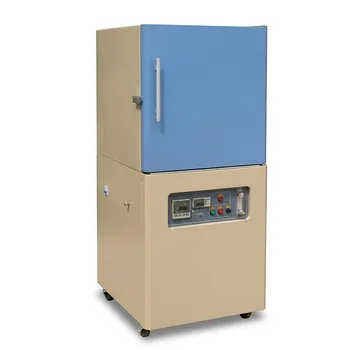
High Temperature Muffle Furnace with Dual Controllers and 36L Large Chamber 1700C Max
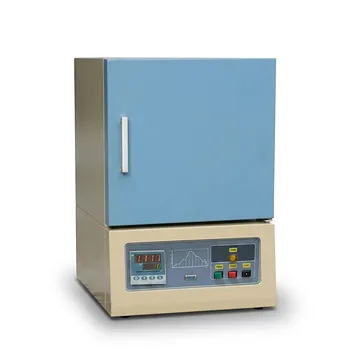
Ultra High Temperature Bench Top Muffle Furnace 1750C Sintering System with Kanthal Super Heating Elements and Precision Digital Control
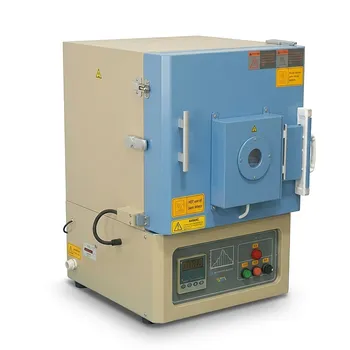
High Temperature Benchtop Muffle Furnace 1500C with 3.6L Chamber and Quartz Observation Window
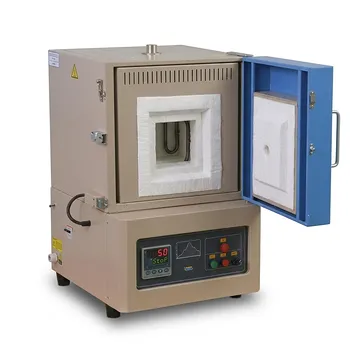
1800°C Bench Top Ultra High Temperature Muffle Furnace with Sapphire Observation Window and Top Feeding Port for Materials Research and Thermal Processing
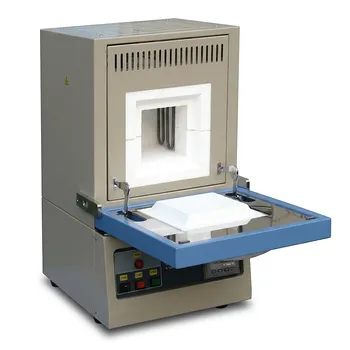
High Temperature 1800C Compact Muffle Furnace with Kanthal Super 1900 Heating Elements and 1.7L Alumina Chamber
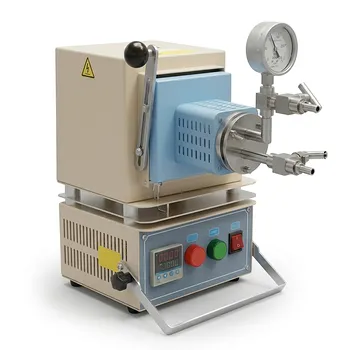
Compact Hybrid Muffle and Tube Furnace for 1000C Controlled Atmosphere Laboratory Material Sintering
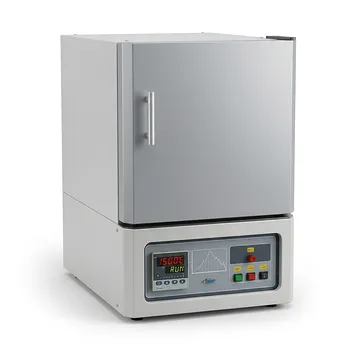
High Temperature 1500C Benchtop Muffle Furnace 3.6L Alumina Fiber Chamber Programmable Controller Sintering Annealing Carbonization Thermal Processing System
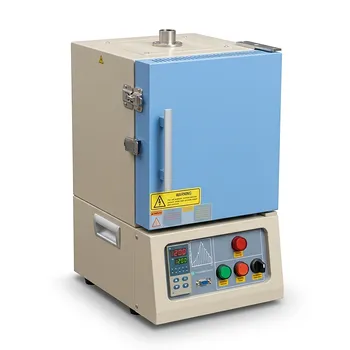
1200°C Small Box Furnace 4.2 Liter Programmable Muffle Furnace with High Purity Alumina Insulation and PID Control