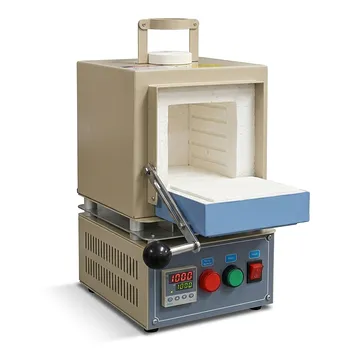
What is the role of a laboratory muffle furnace in the preparation of corncob biochar? Optimize Your Biochar Synthesis.
Updated 3 months ago
The laboratory muffle furnace is the primary vessel for the precise thermochemical conversion of corncob into functional biochar. It provides a stable, high-temperature environment—typically ranging from 250°C to 350°C—necessary to transform acid-treated biomass into solid carbonaceous residues. By maintaining rigorous control over the thermal environment, the furnace ensures the resulting material retains the specific polar organic functional groups required to bind toxins like microcystins and anatoxins.
The muffle furnace serves as a precision reactor that balances the thermal decomposition of biomass with the preservation of chemical functionality. It facilitates oxygen-limited pyrolysis to create a stable carbon matrix while preventing the total combustion of the material.
The Mechanism of Controlled Carbonization
Precision Temperature Regulation
The furnace provides a highly stable thermal environment that is critical for the slow pyrolysis of corncob. In the specific context of acid-treated corncob, maintaining a range of 250°C to 350°C prevents the over-degradation of the biomass. This temperature control is the deciding factor in whether the final product retains its intended chemical reactivity.
Creation of Oxygen-Deficient Conditions
A muffle furnace allows for oxygen-limited or anaerobic decomposition, which is essential for biochar synthesis. By restricting the available oxygen, the furnace ensures that the organic matter undergoes thermochemical conversion rather than catching fire. This process facilitates the formation of a stable carbon skeleton instead of ash.
Facilitating Pre-treatment and Drying
Beyond carbonization, the furnace is often used at lower temperatures (e.g., 50°C to 220°C) to remove moisture and volatile components. This step is vital for ensuring the purity of the corncob and the uniform distribution of activating agents like phosphoric acid. Proper drying ensures that subsequent high-temperature stages yield accurate and repeatable experimental data.
Structural and Chemical Transformation
Development of Porous Architecture
As the furnace heats the corncob, it triggers the removal of volatile organic components, which carves out a well-developed pore structure. This increased surface area is what gives biochar its "sponge-like" ability to trap contaminants. At higher temperatures, such as 800°C, the furnace can even facilitate deep pyrolysis, leading to a high degree of graphitization and a three-dimensional pore network.
Preservation of Surface Functional Groups
For specialized applications like toxin binding, the muffle furnace must be tuned to lower carbonization temperatures. This allows the biochar to keep its polar organic functional groups, such as hydroxyl or carboxyl groups, intact. If the furnace temperature is too high, these groups are lost, and the biochar loses its specific chemical affinity for microcystins.
Achieving High Fixed Carbon Content
The furnace environment encourages the decomposition of hemicellulose, cellulose, and lignin into a concentrated carbon matrix. This results in a product with high fixed carbon content, which enhances the material's thermal and chemical stability over time. This stability is what allows biochar to remain effective in environmental applications for long periods.
Understanding the Trade-offs
The Temperature vs. Functionality Paradox
Choosing the right furnace temperature involves a significant trade-off between surface area and surface chemistry. Higher temperatures (above 500°C) create more pores and greater surface area but destroy the oxygen-containing functional groups that many pollutants need for binding. Conversely, lower temperatures preserve these groups but may result in lower porosity and less stable carbon.
Limitations of Muffle Furnace Pyrolysis
Standard muffle furnaces may struggle with temperature gradients if they are not properly calibrated or if the sample size is too large. Furthermore, without a continuous flow of inert gas (like Nitrogen), there is a risk of partial oxidation which can reduce the yield of the biochar. Users must ensure a tight seal or an external gas supply to maintain the "oxygen-deficient" environment required for high-quality synthesis.
How to Optimize Your Biochar Synthesis
Effective biochar preparation requires matching the furnace settings to the specific chemical needs of your project.
- If your primary focus is toxin binding (e.g., microcystins): Operate the muffle furnace at lower temperatures (250°C - 350°C) to preserve the polar functional groups necessary for chemical adsorption.
- If your primary focus is maximum surface area: Increase the furnace temperature to 600°C or higher and utilize a nitrogen atmosphere to maximize pore development through deep pyrolysis.
- If your primary focus is material purity: Use a pre-treatment stage at 50°C to 80°C for several hours to ensure all moisture and surface contaminants are removed before the carbonization begins.
By masterfully controlling the thermal environment of the muffle furnace, you transform simple agricultural waste into a high-performance material tailored for specific environmental remediation goals.
Summary Table:
| Temperature Range | Process Phase | Key Outcome |
|---|---|---|
| 50°C - 220°C | Pre-treatment & Drying | Moisture removal and volatile component reduction. |
| 250°C - 350°C | Slow Pyrolysis | Preservation of polar functional groups for toxin binding. |
| Above 600°C | Deep Pyrolysis | Maximized surface area and well-developed porous architecture. |
| 800°C+ | Graphitization | Formation of a high-fixed carbon matrix and 3D pore network. |
Elevate Your Research with Precision Thermal Solutions
At THERMUNITS, we understand that the success of material science research depends on precise temperature control. As a leading manufacturer of high-temperature laboratory equipment, we provide a comprehensive range of thermal processing solutions tailored for biochar synthesis and industrial R&D.
Whether you need Muffle, Vacuum, Atmosphere, Tube, Rotary, or Hot Press furnaces, or specialized CVD/PECVD systems, our equipment ensures repeatable and accurate results. From producing high-surface-area biochar to developing complex material matrices, THERMUNITS delivers the reliability your laboratory demands.
Ready to enhance your lab's capabilities? Contact our experts today to find the ideal heat treatment solution for your specific application!
References
- Hasaruwani S. Kiridena, Dragan Isailović. Evaluation of Carbonized Corncobs for Removal of Microcystins and Nodularin-R from Water. DOI: 10.3390/separations11030084
Mentioned Products
- 1200C Muffle Furnace 12x8x5 7.2L Heating Chamber with Quartz Observation Window and Vent Port
- 1750C Compact Muffle Furnace 1.7L Ultra High Temperature Laboratory Sintering System for Advanced Ceramics and Material Science Research
- High Temperature 1200C Muffle Furnace 27L Volume 12x12x12 Chamber with Programmable PID Controller for Laboratory Material Science
- 1200°C High Temperature Muffle Furnace 19L Chamber with 50 Segment Programmable Controller
- 1750C Bench Top Muffle Furnace 3.6L High Grade Molybdenum Disilicide Heating Elements Laboratory Heat Treatment Equipment
People Also Ask
- What is the function of an experimental muffle furnace in the conversion of FeOOH to α-Fe2O3? Optimize Phase Transition
- Why is a muffle furnace required for MoO2@HCNF pre-oxidation? Crucial Steps for High-Performance Composites
- What is the function of a high-temperature Muffle furnace in removing residual solvents? Essential Bismuth Synthesis
- What is the function of Muffle furnace calcination? Essential steps for Pr-doped SrFeMoO6 Perovskite synthesis.
- What are the primary functions of a Muffle furnace in oxide calcination? Achieve high purity and phase control.

Tech Team · ThermUnits
Last updated on Jun 03, 2026
Related Products
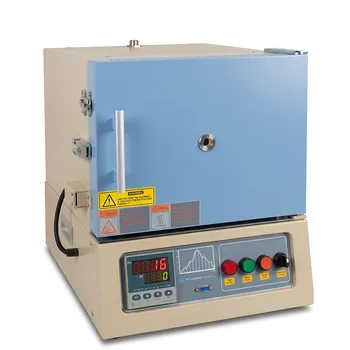
1200C Muffle Furnace 12x8x5 7.2L Heating Chamber with Quartz Observation Window and Vent Port
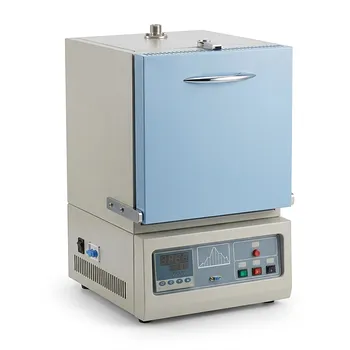
1750C Compact Muffle Furnace 1.7L Ultra High Temperature Laboratory Sintering System for Advanced Ceramics and Material Science Research
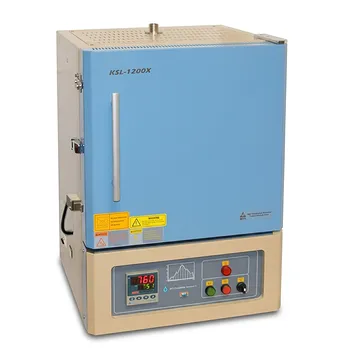
High Temperature 1200C Muffle Furnace 27L Volume 12x12x12 Chamber with Programmable PID Controller for Laboratory Material Science
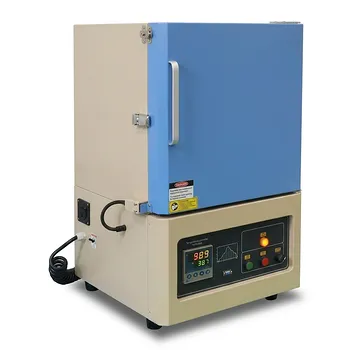
1200°C High Temperature Muffle Furnace 19L Chamber with 50 Segment Programmable Controller
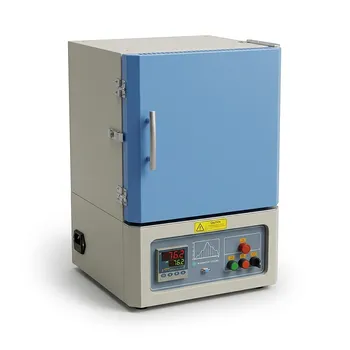
1750C Bench Top Muffle Furnace 3.6L High Grade Molybdenum Disilicide Heating Elements Laboratory Heat Treatment Equipment
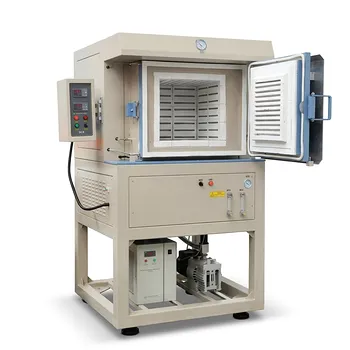
1200°C Five Side Heating Atmosphere Controlled Muffle Furnace 64 Liter High Uniformity Box Furnace for Material Synthesis
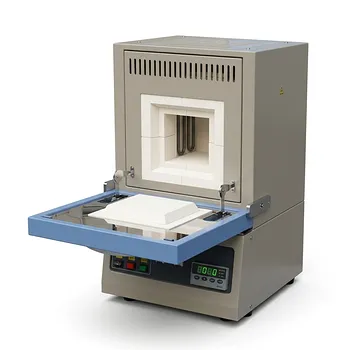
Five Sided Heating Muffle Furnace High Uniformity 1200C Lab Box Furnace 27L Alumina Fiber Chamber
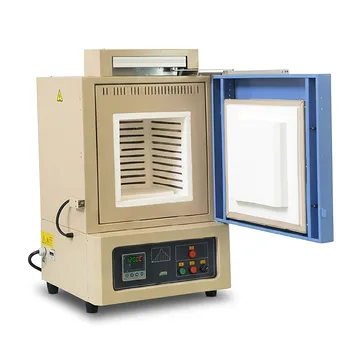
1200C High Temperature Muffle Furnace with Motorized Door and Automated PC Control for Industrial Sintering and Material Processing 27 Liter
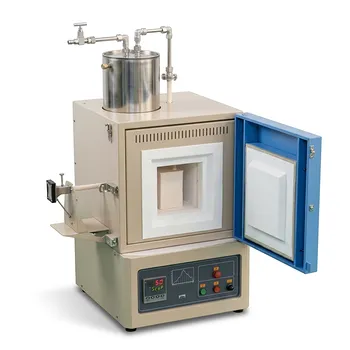
High Temperature Bench Top Muffle Furnace 1700C with Integrated Evaporating Particle Collection and 8x8x8 Alumina Fiber Chamber
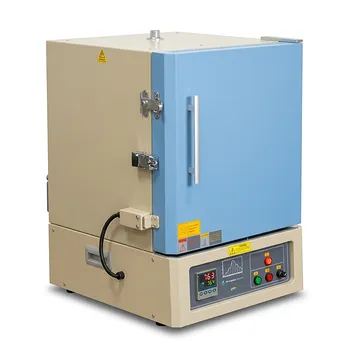
Large Capacity 1200C Muffle Furnace 64 Liter Chamber with Digital PID Controller and Built In Venting Port
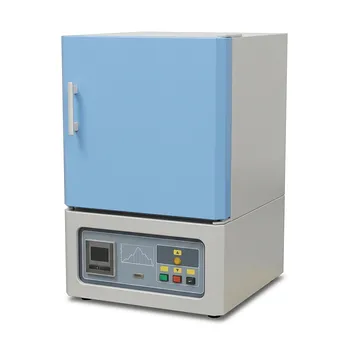
1800C Bench Top Muffle Furnace with Kanthal Super 1900 Heating Elements and 3.6L Alumina Fiber Chamber
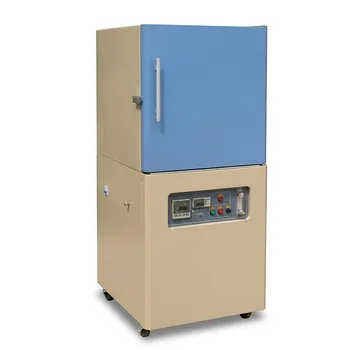
High Temperature Muffle Furnace with Dual Controllers and 36L Large Chamber 1700C Max
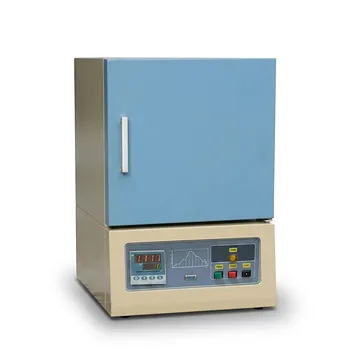
Ultra High Temperature Bench Top Muffle Furnace 1750C Sintering System with Kanthal Super Heating Elements and Precision Digital Control
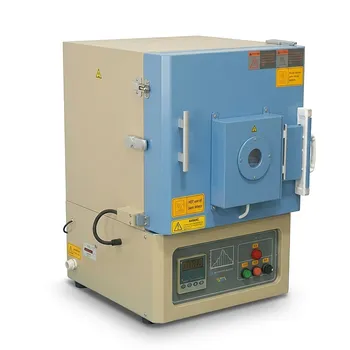
High Temperature Benchtop Muffle Furnace 1500C with 3.6L Chamber and Quartz Observation Window
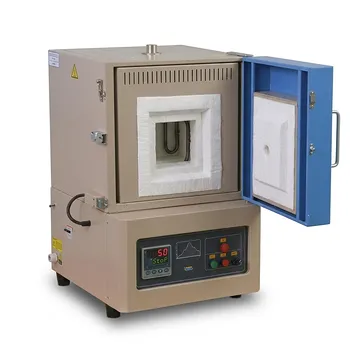
1800°C Bench Top Ultra High Temperature Muffle Furnace with Sapphire Observation Window and Top Feeding Port for Materials Research and Thermal Processing
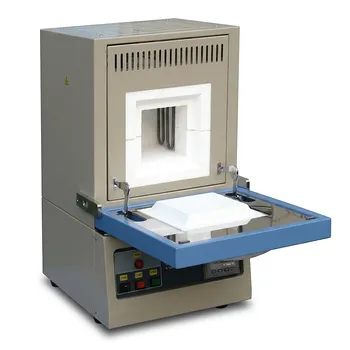
High Temperature 1800C Compact Muffle Furnace with Kanthal Super 1900 Heating Elements and 1.7L Alumina Chamber
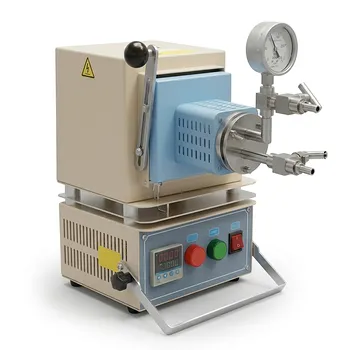
Compact Hybrid Muffle and Tube Furnace for 1000C Controlled Atmosphere Laboratory Material Sintering
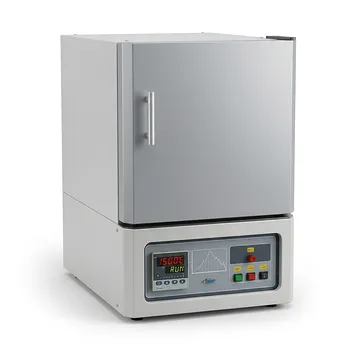
High Temperature 1500C Benchtop Muffle Furnace 3.6L Alumina Fiber Chamber Programmable Controller Sintering Annealing Carbonization Thermal Processing System
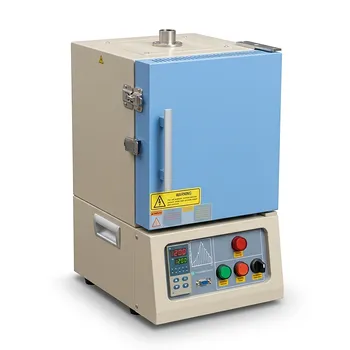
1200°C Small Box Furnace 4.2 Liter Programmable Muffle Furnace with High Purity Alumina Insulation and PID Control