What is the purpose of a vacuum rotary feedthrough in a roll-to-roll carbon nanotube synthesis system? Expert Guide
Updated 6 months ago
Vacuum rotary feedthroughs are the mechanical bridge of a roll-to-roll system. They allow an external motor to drive internal winding and unwinding reels without compromising the integrity of the vacuum environment. This component is essential for moving a substrate, such as stainless steel wire, through a high-temperature synthesis zone at precise, extremely low speeds.
The core purpose of a vacuum rotary feedthrough is to transmit mechanical torque into a sealed reaction chamber while maintaining a strict atmospheric barrier. This enables continuous material processing under the controlled low-pressure conditions necessary for high-quality carbon nanotube (CNT) growth.
Facilitating Continuous Mechanical Motion
Connecting External Power to Internal Components
The feedthrough acts as a transmission link between an external stepper motor and the internal reels. This setup allows the drive system to remain outside the harsh environment of the reaction chamber, protecting electronic components from heat and chemicals.
Precise Speed Control for Synthesis
Growth of carbon nanotubes requires the substrate to dwell in the high-temperature zone for a specific duration. The feedthrough facilitates the smooth movement of the substrate at constant speeds as low as centimeters per minute, ensuring uniform CNT coverage.
Maintaining Atmospheric Integrity
Sealing the Chemical Vapor Deposition (CVD) Environment
A Chemical Vapor Deposition (CVD) system must be evacuated to low pressures, often around 5x10^-2 Torr, before synthesis begins. The rotary feedthrough uses specialized seals to prevent atmospheric leaks while the internal shafts are rotating.
Preventing Oxidation and Contamination
By maintaining a high vacuum seal, the feedthrough ensures that residual oxygen and water vapor are successfully removed from the system. This prevents the unintended oxidation of metal catalyst films, which would otherwise inhibit the growth of the nanotubes at high temperatures.
Supporting a Controlled Reducing Atmosphere
Once the system is evacuated, specific carbon source gases are introduced to create a reducing atmosphere. The feedthrough ensures this delicate chemical balance is not disturbed by outside air during the continuous roll-to-roll winding process.
Understanding the Trade-offs and Limitations
Seal Wear and Maintenance
Mechanical seals within a rotary feedthrough are subject to friction and eventual physical wear. Over time, this can lead to micro-leaks that compromise the vacuum levels, requiring periodic maintenance or specialized lubrication.
Torque and Speed Constraints
There is often a trade-off between the torque capacity of the feedthrough and its ability to maintain a high-vacuum seal. High-speed rotations can generate heat within the seal assembly, potentially leading to thermal expansion and failure if not properly cooled or rated for the specific RPM.
How to Optimize Your Synthesis System
Applying This to Your Project
- If your primary focus is high-purity CNT growth: Prioritize a feedthrough with high-grade ferrofluidic or bellows seals to ensure the lowest possible leak rate during rotation.
- If your primary focus is high-throughput production: Selection should favor a feedthrough rated for higher torque to handle larger, heavier reels of substrate without slipping.
- If your primary focus is experimental flexibility: Use a feedthrough that is compatible with various motor types, allowing you to easily adjust the "centimeters per minute" feed rate for different catalyst recipes.
By serving as the vital link between external control and internal motion, the vacuum rotary feedthrough transforms a static furnace into a dynamic, continuous manufacturing platform.
Summary Table:
| Feature | Function in Roll-to-Roll (R2R) System | Material Science Impact |
|---|---|---|
| Mechanical Link | Connects external motor to internal winding reels | Protects electronics from heat/chemicals |
| Vacuum Seal | Maintains low pressure (upto 5x10^-2 Torr) | Prevents oxidation & catalyst contamination |
| Motion Control | Facilitates constant substrate speed (cm/min) | Ensures uniform CNT growth & coverage |
| Atmosphere Barrier | Sustains a high-purity reducing environment | Guarantees stable chemical vapor deposition |
Optimize Your Thermal Research with THERMUNITS
Precision in vacuum environments is critical for successful carbon nanotube synthesis and advanced material science. THERMUNITS is a leading manufacturer of high-performance laboratory equipment, providing high-precision solutions including CVD/PECVD systems, Rotary Furnaces, Vacuum Induction Melting (VIM) furnaces, and Hot Press installations.
Whether you are scaling up industrial R&D or refining lab-scale experiments, our comprehensive range of thermal processing solutions—including Muffle, Tube, Atmosphere, and Dental furnaces—is designed to meet the most demanding heat treatment requirements.
Ready to enhance your lab’s capabilities? Contact our engineering team today to discuss your specific thermal processing needs and discover how THERMUNITS can empower your next breakthrough.
References
- Jean‐Luc Meunier, Jason R. Tavares. Continuous Reactive-Roll-to-Roll Growth of Carbon Nanotubes for Fog Water Harvesting Applications. DOI: 10.3390/c10010009
Mentioned Products
- Continuous Feeding Rotary Tube Furnace for Industrial Powder Heat Treatment and Material Research
- Mini Rotary Tubular Furnaces for Precision Powder Heat Treatment and Thermogravimetric Analysis
- Three Zone Rotary Tube Furnace with Automatic Powder Feeding for Large Scale CVD Coating 1100C
- 1500C 3-Zone Rotary Tube Furnace 60mm with Automatic Powder Feeding and Receiving System for Continuous Material Synthesis
- 1500C Max Dual Zone Rotary Tube Furnace with 60 mm OD Alumina Tube for High Temperature Material Synthesis
People Also Ask
- How does a rotary tube furnace improve the processing of granular materials? Enhance Uniformity and Reaction Kinetics
- Why use a rotary tube furnace for FACS carbonization? Ensure uniform morphology and prevent sphere agglomeration.
- Why is the precise optimization of residence time essential in the catalyst calcination process? Maximize Your Yields.
- In what ways do rotary tube furnaces enhance chemical and specialty mineral processing? Drive Precision and Uniformity.
- What are the primary types of industrial rotary furnaces and functions? Expert Guide to Rotary Kiln & Hearth Systems

Tech Team · ThermUnits
Last updated on Apr 14, 2026
Related Products
Continuous Feeding Rotary Tube Furnace for Industrial Powder Heat Treatment and Material Research
Mini Rotary Tubular Furnaces for Precision Powder Heat Treatment and Thermogravimetric Analysis
Three Zone Rotary Tube Furnace with Automatic Powder Feeding for Large Scale CVD Coating 1100C
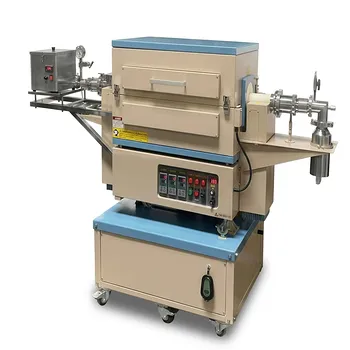
1500C 3-Zone Rotary Tube Furnace 60mm with Automatic Powder Feeding and Receiving System for Continuous Material Synthesis
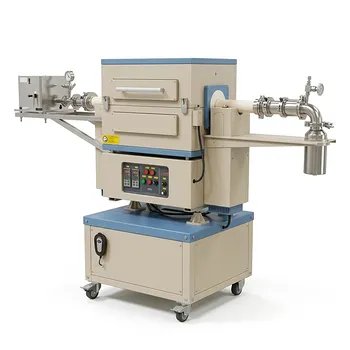
1500C Max Dual Zone Rotary Tube Furnace with 60 mm OD Alumina Tube for High Temperature Material Synthesis
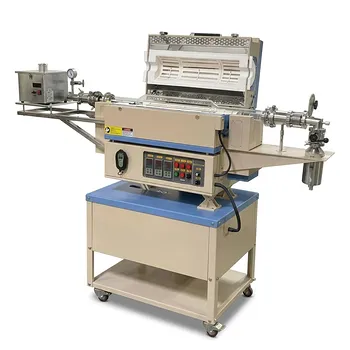
5 Inch Rotary Tube Furnace with Automatic Feeding and Receiving System 1200C Three Zone CVD Powder Processing
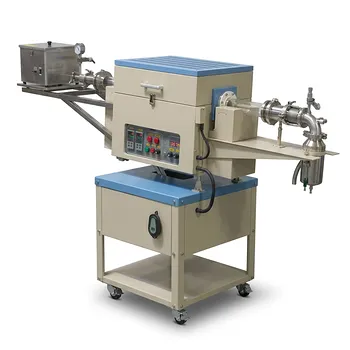
Two Zone Rotary CVD Furnace with Automatic Feeding and Receiving System for Powder Processing
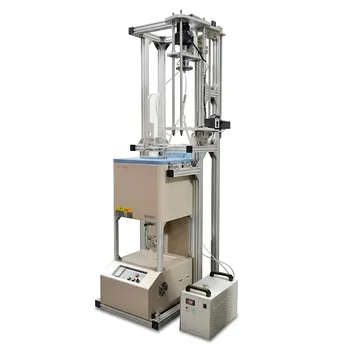
500C Vacuum Vertical Tube Furnace 84mm OD Sample Rotation Lifting System
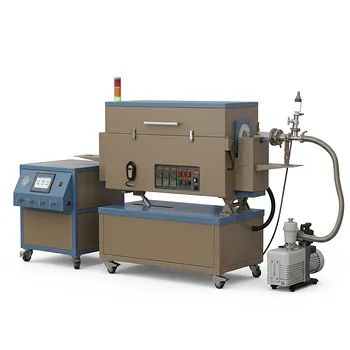
5 Inch Three Zone Rotary Tube Furnace with Integrated Gas Delivery System and 1200C Capability for Advanced Material CVD Processing
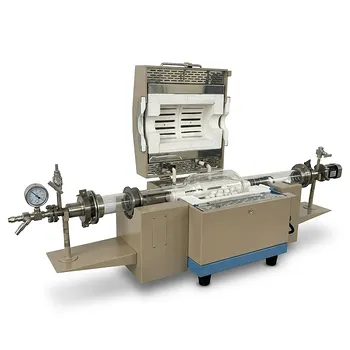
High Temperature Rotary Tube Furnace with Integrated Ball Milling and Gas Flow Function for Powder Nitriding
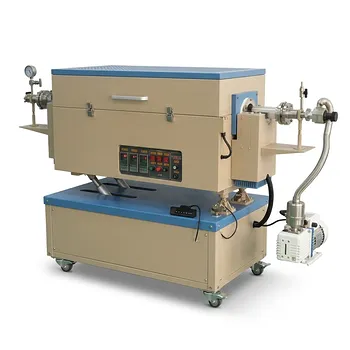
Three Zone Rotary Tube Furnace for High Temperature Powder Processing and Material Research
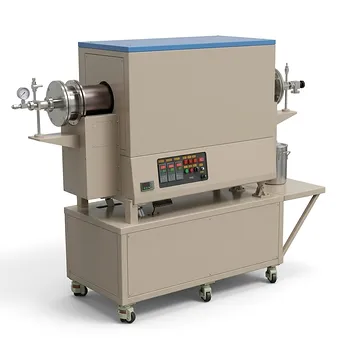
900°C Max Rotary Tube Furnace with 8 Inch 310S Alloy Tube and Optional Multi Zone Heating for Industrial Material Calcination
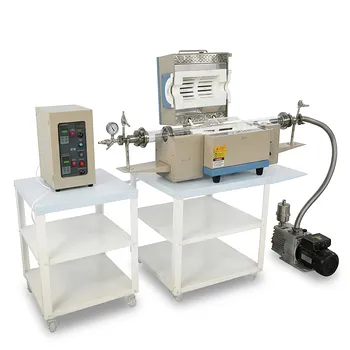
Two Zone Rotary Tube Furnace for Powder CVD Coating and Core Shell Material Synthesis 1100C
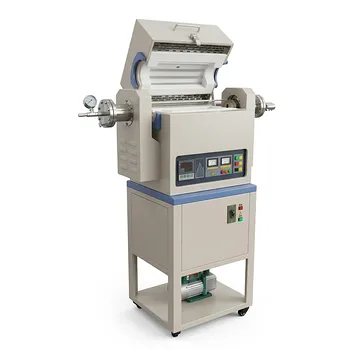
High Temperature Rotary Tilt Tubular Furnaces for Advanced Powder Sintering and Material Processing