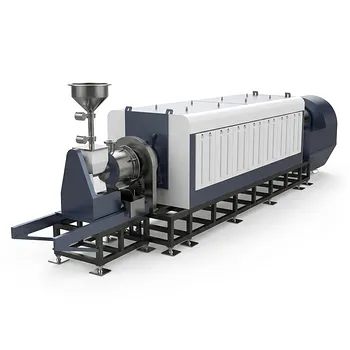
What are the primary types of industrial rotary furnaces and functions? Expert Guide to Rotary Kiln & Hearth Systems
Updated 5 months ago
Industrial rotary furnaces are categorized into three primary types based on their mechanical movement and thermal application: rotary kilns, tilting rotary furnaces, and rotary hearth furnaces. These systems are engineered to facilitate uniform heating through controlled rotation, serving critical roles in continuous mineral processing, batch metal melting, and the precise heat treatment of stationary components.
Core Takeaway: Rotary furnaces utilize mechanical rotation to solve the challenge of non-uniform heating in bulk materials. Selecting the correct furnace type depends on whether your material requires continuous gravity-fed flow, batch-style melting and pouring, or stationary placement on a moving platform.
The Rotary Kiln: Continuous High-Volume Processing
Mechanical Design and Gravity-Fed Flow
The rotary kiln is a long, slightly inclined cylindrical vessel that rotates slowly on its longitudinal axis. By maintaining a slight angle of 1 to 4 degrees, the kiln uses a combination of gravity and mechanical rotation to tumble solid materials from the feed end to the discharge end.
High-Temperature Pyroprocessing Applications
These furnaces are the industry standard for continuous pyroprocessing operations where high throughput is required. They are essential for processes such as calcination, sintering, roasting, and reduction, allowing for consistent chemical reactions throughout the material mass.
Waste Management and Incineration
Beyond mineral processing, rotary kilns are frequently employed for the incineration of hazardous waste. The constant tumbling action ensures that all surfaces of the waste are exposed to high temperatures, resulting in more complete combustion than static systems.
The Tilting Rotary Furnace: Precision Metal Melting
Batch Operation and Hydraulic Discharge
A tilting rotary furnace is a drum-shaped unit designed primarily for batch processing rather than continuous flow. These units utilize hydraulic tilting mechanisms to precisely control the discharging of molten material once the heating cycle is complete.
Efficiency in Metal Recycling
These furnaces are highly effective for metal melting and recycling, particularly for processing aluminum scrap or dross. The rotation helps break up surface oxides and facilitates the efficient separation of slag from the clean metal, maximizing recovery rates.
Specialized Short Rotary Variants
Short rotary furnaces are specialized versions that feature shorter cylinders and faster rotation rates, often around 1 rpm. This increased speed enhances the mixing of the melt and the separation of impurities, making them a staple in high-efficiency recycling facilities.
The Rotary Hearth Furnace: Stationary Part Treatment
Circular Platform Mechanics
The rotary hearth furnace differs significantly from kilns as it utilizes a circular rotating platform rather than a rotating cylinder. Materials or parts remain stationary on the hearth floor as the entire floor rotates through different temperature zones within the furnace.
Discrete Part Heat Treatment
This design is ideal for the heat treatment of stationary parts that cannot be tumbled, such as automotive or aerospace components. It allows for a continuous loading and unloading process while ensuring each part undergoes a precise, identical thermal profile.
Uniformity and Access
By moving parts through fixed heating zones, the rotary hearth provides exceptional thermal uniformity. Operators can easily automate the loading and unloading process at a single point, significantly improving the workflow of industrial production lines.
Understanding the Trade-offs
Maintenance and Mechanical Complexity
The primary disadvantage of all rotary systems is the mechanical wear on moving parts, such as rollers, tires, and seals. Because these components operate under extreme heat, they require rigorous maintenance schedules to prevent alignment issues or structural failure.
Energy Efficiency and Heat Loss
While rotation improves material heating, it also introduces challenges regarding refractory wear and heat loss at the seals. Maintaining a consistent internal atmosphere can be more difficult in a rotating system compared to a static furnace, often requiring sophisticated sealing technologies.
Scalability and Capital Cost
The capital investment for a large-scale rotary kiln is substantial, often requiring significant floor space and specialized foundations. Conversely, while tilting furnaces are smaller, their batch nature means they may not be suitable for the highest-volume mineral processing applications.
How to Apply This to Your Project
When determining which rotary furnace architecture is required for your facility, focus on the physical state of your material and your required throughput.
- If your primary focus is continuous mineral processing: Utilize a rotary kiln, as its inclined design is the most efficient method for moving high volumes of solid material through a thermal zone.
- If your primary focus is metal recycling or alloying: Opt for a tilting rotary furnace, which provides the necessary control for batch melting and the separation of dross from molten metal.
- If your primary focus is the uniform heating of discrete parts: Implement a rotary hearth furnace to ensure that stationary components receive a consistent thermal cycle without the risk of mechanical damage from tumbling.
Selecting the appropriate furnace type ensures optimal thermal efficiency and product consistency for your specific industrial application.
Summary Table:
| Furnace Type | Operation Mode | Primary Movement | Key Applications |
|---|---|---|---|
| Rotary Kiln | Continuous | Inclined cylinder rotation | Calcination, sintering, and mineral processing |
| Tilting Rotary | Batch | Drum rotation with hydraulic tilt | Metal melting, recycling, and slag separation |
| Rotary Hearth | Continuous Loading | Rotating circular platform | Heat treatment of stationary automotive/aerospace parts |
Elevate Your Thermal Processing with THERMUNITS
As a leading manufacturer of high-temperature laboratory equipment for material science and industrial R&D, THERMUNITS delivers high-performance solutions designed for precision and durability. Our extensive range includes electric rotary kilns, vacuum induction melting furnaces (VIM), CVD/PECVD systems, and a full suite of Muffle, Vacuum, Atmosphere, and Tube furnaces.
Ready to optimize your heat treatment workflow? Contact our technical experts today to discuss your specific requirements. Whether you are conducting advanced research or scaling industrial production, we provide the reliable equipment and thermal elements you need to succeed.
Mentioned Products
- Continuous Feeding Rotary Tube Furnace for Industrial Powder Heat Treatment and Material Research
- Laboratory Tilting Rotary Tubular Furnaces for Material Science and Industrial Heat Treatment
- 900°C Max Rotary Tube Furnace with 8 Inch 310S Alloy Tube and Optional Multi Zone Heating for Industrial Material Calcination
- Mini Rotary Tubular Furnaces for Precision Powder Heat Treatment and Thermogravimetric Analysis
- Three Zone Rotary Tube Furnace for High Temperature Powder Processing and Material Research
People Also Ask
- How does a rotary tube furnace improve the processing of granular materials? Enhance Uniformity and Reaction Kinetics
- Why use a rotary tube furnace for FACS carbonization? Ensure uniform morphology and prevent sphere agglomeration.
- In what ways do rotary tube furnaces enhance chemical and specialty mineral processing? Drive Precision and Uniformity.
- Why is the precise optimization of residence time essential in the catalyst calcination process? Maximize Your Yields.
- How does annealing temperature in a tube furnace regulate copper oxide foam phase? Precision Thermal Control Guide.

Tech Team · ThermUnits
Last updated on Apr 14, 2026
Related Products
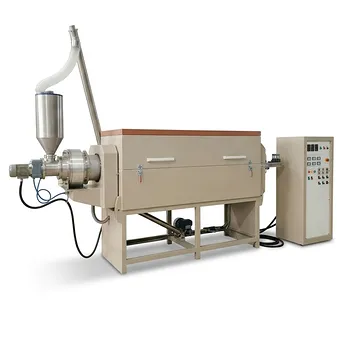
Continuous Feeding Rotary Tube Furnace for Industrial Powder Heat Treatment and Material Research
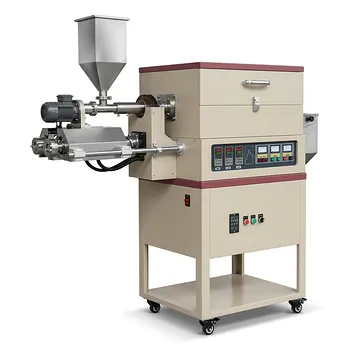
Laboratory Tilting Rotary Tubular Furnaces for Material Science and Industrial Heat Treatment
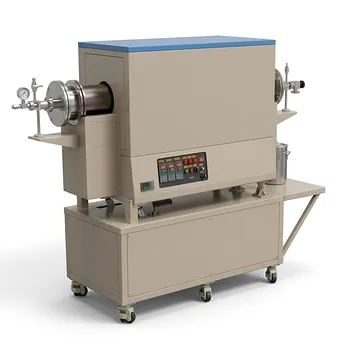
900°C Max Rotary Tube Furnace with 8 Inch 310S Alloy Tube and Optional Multi Zone Heating for Industrial Material Calcination
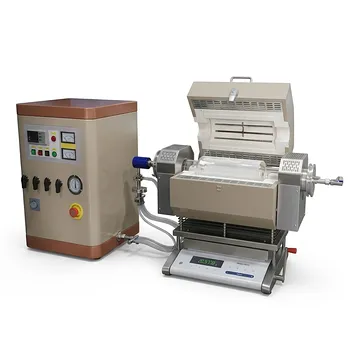
Mini Rotary Tubular Furnaces for Precision Powder Heat Treatment and Thermogravimetric Analysis
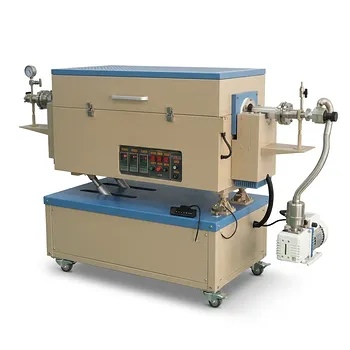
Three Zone Rotary Tube Furnace for High Temperature Powder Processing and Material Research
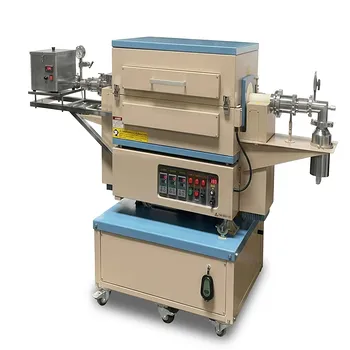
1500C 3-Zone Rotary Tube Furnace 60mm with Automatic Powder Feeding and Receiving System for Continuous Material Synthesis
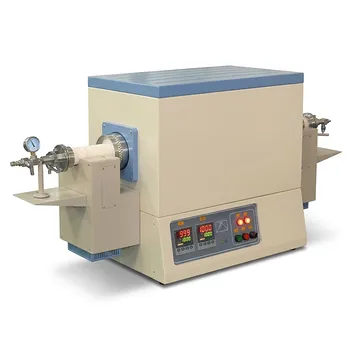
High Temperature 1700C Dual Zone Rotary Tube Furnace with 60mm Alumina Tube and Precision Rotation Control
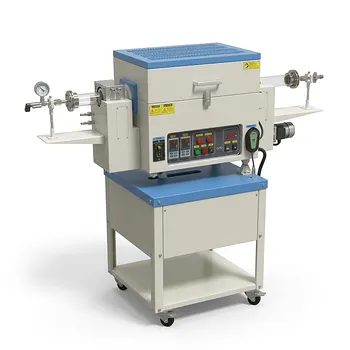
4 Inch Two Zone Rotary CVD Tube Furnace for High Temperature Battery Material Synthesis and Advanced Material Calcination
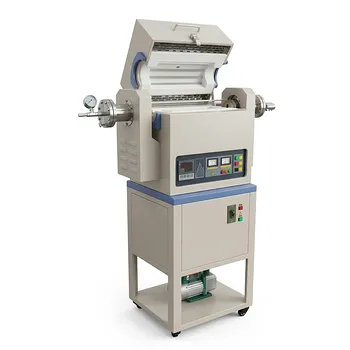
High Temperature Rotary Tilt Tubular Furnaces for Advanced Powder Sintering and Material Processing
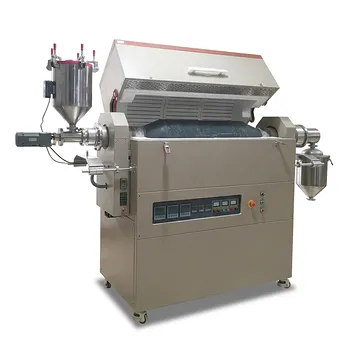
High Temperature Tilting Rotary Tubular Furnace for Continuous Powder Thermal Processing and Controlled Atmosphere Sintering
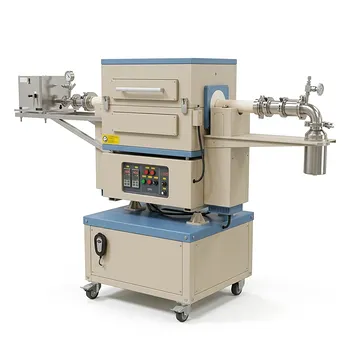
1500C Max Dual Zone Rotary Tube Furnace with 60 mm OD Alumina Tube for High Temperature Material Synthesis
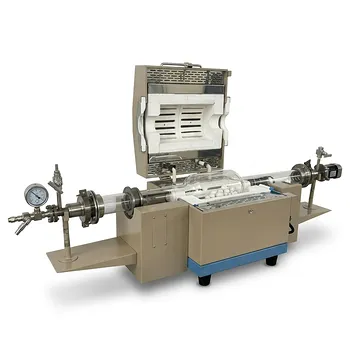
High Temperature Rotary Tube Furnace with Integrated Ball Milling and Gas Flow Function for Powder Nitriding
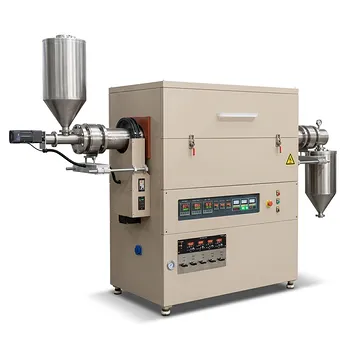
High Temperature Tilting Rotary Tube Furnace with Integrated Mass Flow Control and Multi Zone Heating
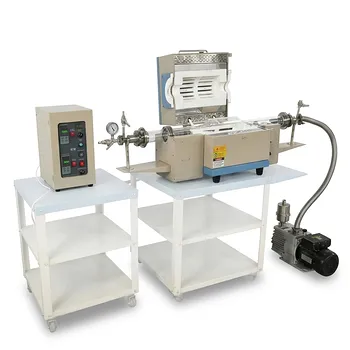
Two Zone Rotary Tube Furnace for Powder CVD Coating and Core Shell Material Synthesis 1100C

5 Inch Three Zone Rotary Tube Furnace with Integrated Gas Delivery System and 1200C Capability for Advanced Material CVD Processing
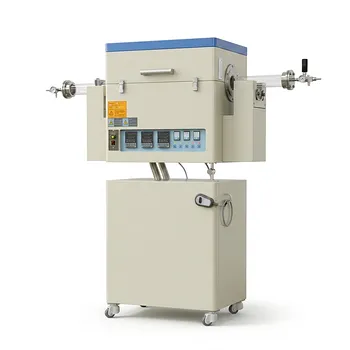
Three Temperature Zone Rotating Tube Furnace for Material Sintering and Controlled Atmospheric Heat Treatment
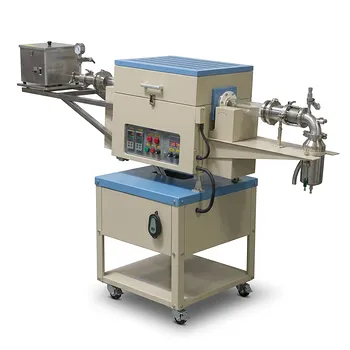
Two Zone Rotary CVD Furnace with Automatic Feeding and Receiving System for Powder Processing
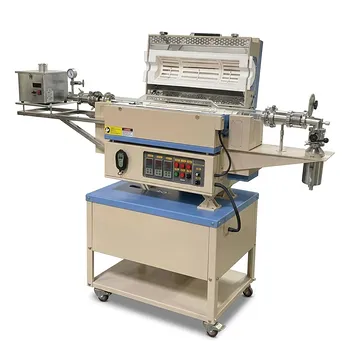
5 Inch Rotary Tube Furnace with Automatic Feeding and Receiving System 1200C Three Zone CVD Powder Processing
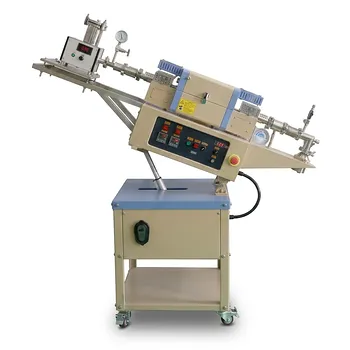
1100°C Dual Zone Rotary Tube Furnace with Automatic Feeding and Collection System for Continuous Powder Processing