What is the role of dental furnaces in the fabrication of implant-supported prosthetics? Precision Heat for Lab Success
Updated 5 months ago
The dental furnace is the critical link between digital design and clinical success in implant dentistry. It provides the precise thermal treatment required to sinter zirconia abutments, fire ceramic-to-metal bonds, and crystallize glass-ceramics. This process ensures high dimensional stability and a "passive fit," which is essential for minimizing stress on the osseointegrated implant and preventing long-term mechanical failure.
The dental furnace dictates the physical properties and interfacial precision of implant prosthetics by controlling atmospheric conditions and thermal gradients. It transforms raw materials into high-strength, biocompatible restorations that can withstand the unique stresses of the implant environment.
Ensuring Interfacial Precision and Passive Fit
The Importance of Dimensional Stability
In implant dentistry, sintering furnaces are used to process zirconia or hybrid ceramic abutments and crowns. Controlled thermal cycles ensure high dimensional stability, which is the ability of the material to maintain its shape during the transition from a "green" state to its final hardened form.
Achieving a Stress-Free Interface
Precision at the implant-abutment interface is non-negotiable for clinical success. By minimizing distortion during the heating process, the furnace enables a passive fit—a state where the prosthetic seats perfectly without exerting lateral or vertical tension on the osseointegrated fixture.
Reducing Mechanical Stress
A prosthetic that fits without tension significantly reduces the risk of screw loosening or bone resorption. This mechanical harmony is only possible when the furnace provides consistent, reproducible heat distribution across the entire restoration.
Strengthening Materials and Bio-Integration
Sintering Monolithic Structures
Furnaces facilitate the densification of ceramic particles, creating monolithic structures with superior fracture toughness. These structures are highly resistant to the occlusal forces common in molar regions and provide excellent biocompatibility.
Resistance to Bacterial Adhesion
The smooth, dense surface produced by proper sintering and glazing minimizes bacterial adhesion. This is vital for the health of the peri-implant tissues, as it reduces the risk of inflammation and peri-implantitis.
Vacuum-Assisted Chemical Bonding
A Dental Vacuum Furnace is essential for restorations involving metal frameworks. The vacuum environment removes internal gas pores and allows the ceramic to react chemically with the metal’s oxide film, creating a stable, high-strength bond that prevents delamination.
Mastering Aesthetics and Light Transmission
Precise Color Reproduction
Achieving a natural look requires controlled firing to manage color reproduction and light transmission. The furnace's programming allows for the specific heat levels needed to mimic the translucency of natural dentition.
Managing Internal Porosity
By using a vacuum environment, the furnace eliminates air between ceramic particles. This results in a denser material that reflects light accurately and maintains its aesthetic integrity over years of wear.
Crystallization of Glass-Ceramics
For materials like lithium disilicate, the furnace handles the transition from a partially crystallized state to a fully dense, high-strength ceramic. This crystallization phase is timed precisely to ensure both the beauty and the durability of the final prosthetic.
Understanding the Trade-offs
The Risk of Rapid Thermal Cycles
While fast-sintering programs can increase laboratory productivity, they may introduce internal micro-cracks. If the cooling or heating rates are too aggressive, the material’s structural integrity is compromised, leading to premature clinical failure.
Maintenance and Calibration Needs
Furnaces require regular calibration to ensure temperature accuracy. Even a minor deviation from the intended temperature can lead to under-sintered (weak) or over-fired (distorted) restorations, directly impacting the fit on the implant.
Material Contamination
Using the same furnace for different materials without proper cleaning or "purge" cycles can lead to cross-contamination. Metallic vapors or ceramic dust from previous cycles can discolor the restoration or affect its chemical bonding properties.
How to Apply This to Your Project
When selecting a furnace or protocol for implant-supported restorations, choose the method that aligns with your primary clinical requirement:
- If your primary focus is Maximum Durability: Utilize a high-temperature sintering furnace for monolithic zirconia to ensure optimal density and resistance to occlusal stress.
- If your primary focus is Aesthetic Integration: Use a specialized vacuum firing furnace to ensure accurate pigment distribution and light translucency in layered ceramics.
- If your primary focus is Long-Term Implant Health: Prioritize strict calibration protocols to guarantee the dimensional precision required for a passive, stress-free fit.
True clinical success in implantology relies on the invisible precision provided by the furnace’s thermal control.
Summary Table:
| Process Type | Function in Implant Fabrication | Impact on Clinical Success |
|---|---|---|
| Sintering | Densification of monolithic zirconia | Enhances fracture toughness and occlusal resistance |
| Crystallization | Transitioning glass-ceramics to final state | Ensures material durability and natural translucency |
| Vacuum Firing | Chemical bonding of ceramic to metal frames | Prevents delamination and internal porosity |
| Dimensional Control | Managing thermal gradients and shrinkage | Achieves a 'passive fit' to reduce implant stress |
| Glazing/Purging | Final surface smoothing and decontamination | Minimizes bacterial adhesion and peri-implantitis risk |
Achieve Unrivaled Precision with THERMUNITS Thermal Solutions
In the demanding field of implant dentistry and material science, the difference between failure and success lies in thermal precision. THERMUNITS is a leading manufacturer of high-performance laboratory equipment, providing the advanced technology needed for superior material densification and dimensional stability.
Our comprehensive range of solutions includes specialized Dental Furnaces, Vacuum and Atmosphere Furnaces, Hot Press systems, and CVD/PECVD systems, as well as Muffle, Tube, and Rotary furnaces. Whether you are a dental laboratory aiming for a perfect passive fit or an industrial R&D center developing the next generation of biocompatible materials, our equipment delivers consistent, reproducible results.
Enhance your heat treatment standards today.
Contact THERMUNITS to find your solution
Mentioned Products
- Dental Porcelain Zirconia Sintering Ceramic Vacuum Press Furnace
- Vacuum Dental Porcelain Sintering Furnace for High Precision Ceramic Restorations
- Dental Porcelain Zirconia Sintering Ceramic Furnace Chairside with Transformer
- 1800C Bench Top Muffle Furnace 18 Liters with Kanthal Super 1900 Heating Elements for High Purity Ceramic Sintering and Material Research
- High Temperature 1500C Benchtop Muffle Furnace 3.6L Alumina Fiber Chamber Programmable Controller Sintering Annealing Carbonization Thermal Processing System
People Also Ask
- How do zirconia sintering furnaces differ from porcelain firing furnaces? Key Technical & Performance Differences
- How do sintering and firing differ in a dental furnace? Master the key techniques for flawless restorations.
- What is the importance of dental furnaces in material science research and development? Keys to Ceramic Innovation
- What are the specific stages of the zirconia sintering process in a dental furnace? 4 Key Steps for Strength & Aesthetics
- How does a dental furnace prevent material cracking during rapid thermal cycles? Master Precision Thermal Control

Tech Team · ThermUnits
Last updated on Apr 14, 2026
Related Products
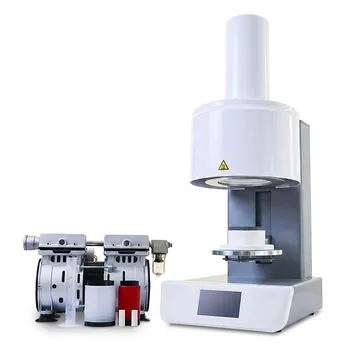
Dental Porcelain Zirconia Sintering Ceramic Vacuum Press Furnace
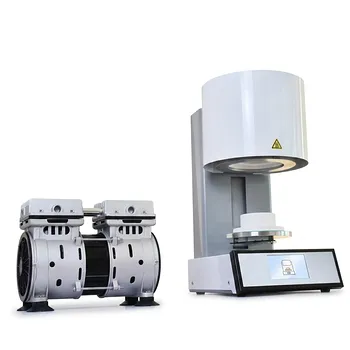
Vacuum Dental Porcelain Sintering Furnace for High Precision Ceramic Restorations
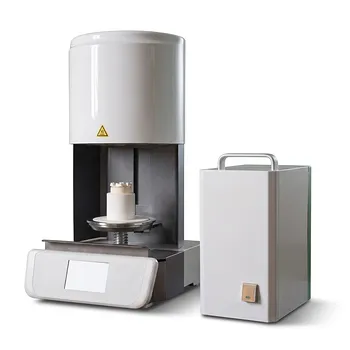
Dental Porcelain Zirconia Sintering Ceramic Furnace Chairside with Transformer
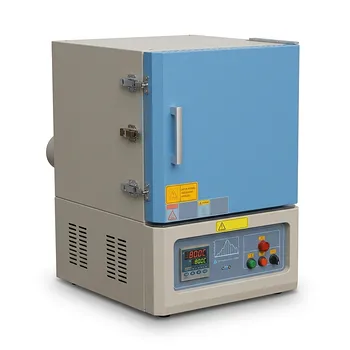
1800C Bench Top Muffle Furnace 18 Liters with Kanthal Super 1900 Heating Elements for High Purity Ceramic Sintering and Material Research
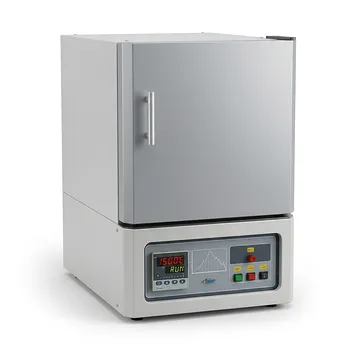
High Temperature 1500C Benchtop Muffle Furnace 3.6L Alumina Fiber Chamber Programmable Controller Sintering Annealing Carbonization Thermal Processing System
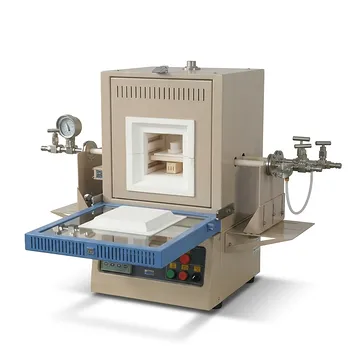
1700C Compact Hybrid Furnace with Dual Layer Box Sintering and Controlled Atmosphere Alumina Tubes
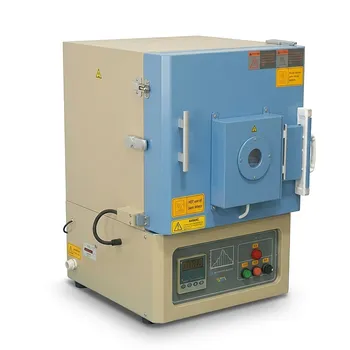
High Temperature Benchtop Muffle Furnace 1500C with 3.6L Chamber and Quartz Observation Window
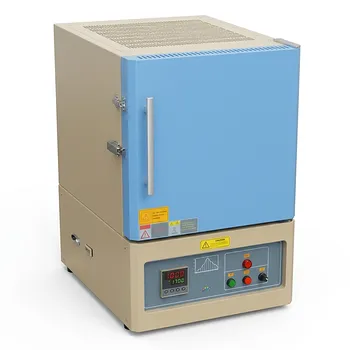
Large Bench Top 1700C High Temperature Muffle Furnace with 19L Chamber for Advanced Material Sintering and Annealing
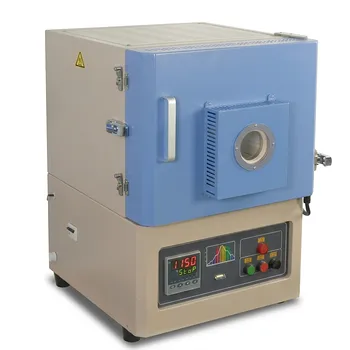
High Temperature Benchtop Muffle Furnace with Quartz Observation Window for Thermal Imaging and Material Analysis
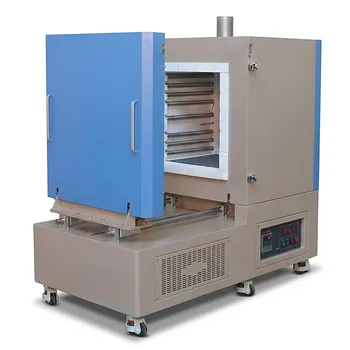
1200C Five Side Heating Muffle Furnace with Sliding Door 125L Volume High Temperature Heat Treatment System for Large Scale Sintering and Annealing
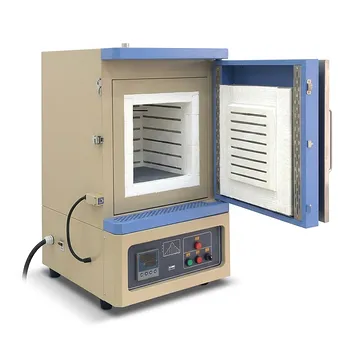
Five Side Heating Muffle Furnace High Purity Alumina Fiber 27L Chamber 1200C High Temperature Thermal Processing System for Sintering Annealing and Materials Research

1800C High Temperature Compact Vacuum Tube Furnace with 60mm OD Alumina Tube and Kanthal MoSi2 Heating Elements
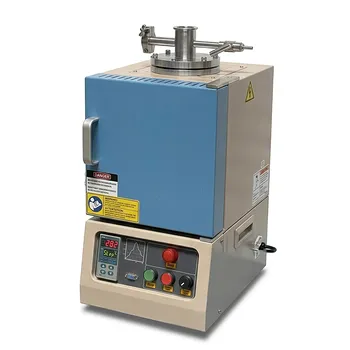
High Temperature Hybrid Muffle and Tube Furnace with Vacuum Capability and PID Control
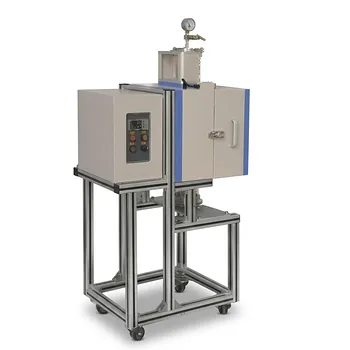
1200°C 5 Inch Vertical Quartz Tube Furnace with Stainless Steel Vacuum Flanges
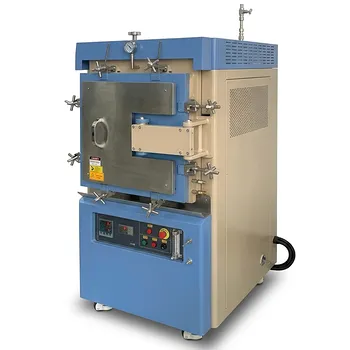
Atmosphere Controlled Muffle Furnace 1700C Maximum Temperature 80L High Capacity Vacuum Inert Gas Box Furnace
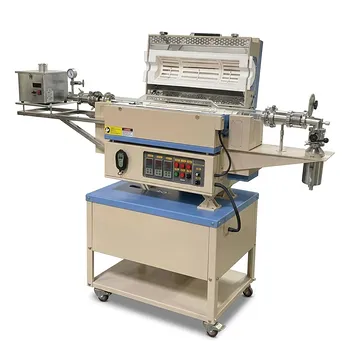
5 Inch Rotary Tube Furnace with Automatic Feeding and Receiving System 1200C Three Zone CVD Powder Processing
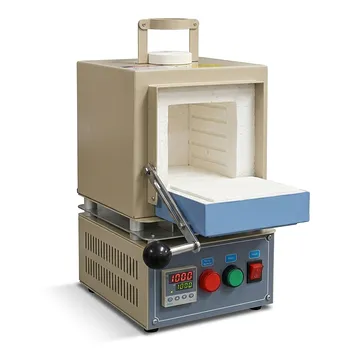
Compact 1000C Muffle Furnace with Programmable Controller and 2 Inch Top Port for Vacuum and Atmosphere Material Research
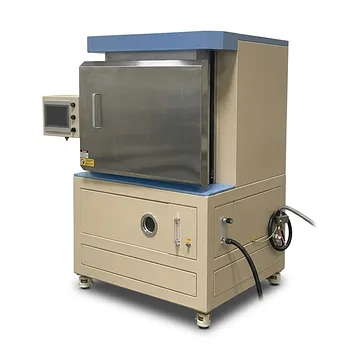
1650C High Temperature Atmosphere Controlled Box Furnace with 65L Chamber for Advanced Material Sintering and Industrial Heat Treatment
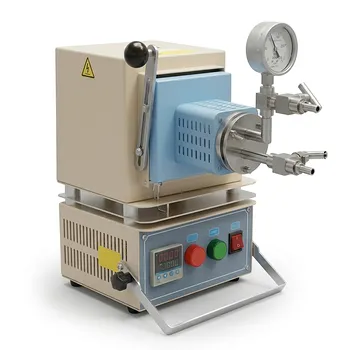
Compact Hybrid Muffle and Tube Furnace for 1000C Controlled Atmosphere Laboratory Material Sintering
