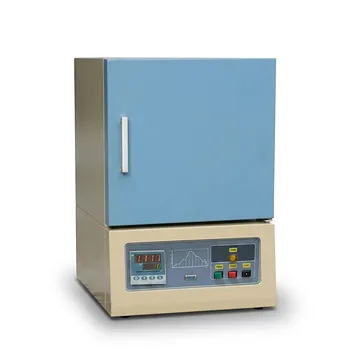
Which temperature sensors are used for high-accuracy monitoring in dental furnaces? Achieve ±1°C Sintering Precision
Updated 5 months ago
The gold standard for high-accuracy temperature monitoring in dental furnaces is the platinum-rhodium thermocouple. Specifically, Type S thermocouples are the primary choice for high-temperature sintering processes, while Type N thermocouples are utilized for lower temperature ranges. When integrated with advanced Proportional-Integral-Derivative (PID) controllers, these sensors achieve a remarkable precision of ±1°C to ±2°C.
High-accuracy dental furnaces rely on Type S and Type N thermocouples paired with PID logic to maintain thermal stability. This precision is essential for ensuring the structural integrity and aesthetic quality of ceramic restorations.
The Mechanics of Thermal Precision in Dentistry
The Role of Type S and Type N Thermocouples
Type S thermocouples are favored for high-temperature sintering because they offer exceptional stability and resistance to oxidation at extreme heat. Their platinum-rhodium composition ensures that the sensor does not degrade quickly under the harsh conditions required for dental zirconia and porcelain.
Type N thermocouples serve as a highly reliable alternative for lower temperature ranges, offering excellent resistance to "green rot" (oxidation) and better stability than older base-metal types. This selection allows the furnace to maintain precise control across the entire heating curve of a dental restoration.
PID Controllers: The Brain Behind the Sensor
A high-quality thermocouple is only as effective as the controller interpreting its data. PID (Proportional-Integral-Derivative) controllers use complex algorithms to adjust power to the heating elements in real-time.
By constantly calculating the difference between the desired setpoint and the actual temperature, PID systems prevent "overshoot." This results in a stable environment where fluctuations are limited to as little as ±1°C.
Ensuring Structural Integrity through Control
Multi-Stage Cycles and Uniform Distribution
Modern dental furnaces utilize these sensors to facilitate programmable multi-stage cycles. These cycles allow for specific dwell times at various temperatures, which is critical for the chemical transformation of the ceramic.
Accurate sensing ensures uniform temperature distribution throughout the chamber. Without this consistency, different parts of a restoration might expand or contract at different rates, leading to catastrophic failure.
Managed Cooling and Material Health
The monitoring process does not end when the heating cycle finishes; automated cooling systems rely on sensor data to manage the descent in temperature. Controlled cooling prevents the development of micro-cracks, warping, or internal thermal stresses.
By maintaining a steady rate of cooling, the furnace ensures that the ceramic reaches its final state without compromising its translucency or strength. This level of control is only possible through the high-frequency feedback provided by platinum-based sensors.
Understanding the Trade-offs
Calibration and Sensor Drift
While platinum-rhodium thermocouples are highly stable, they are not immune to "drift" over hundreds of firing cycles. Small deviations in accuracy can emerge over time, which may result in subtle changes in the shade or fit of the dental crown.
Regular calibration against a known standard is necessary to maintain the ±1°C precision window. Neglecting this maintenance can lead to inconsistent results that are difficult to diagnose from visual inspection alone.
Cost and Fragility
Type S thermocouples are significantly more expensive than standard industrial sensors due to their precious metal content. Additionally, the ceramic sheaths protecting these sensors are brittle and can be damaged by mechanical shock or rapid, extreme temperature changes if the furnace is mishandled.
The high cost of replacement means that furnace operators must be diligent about following manufacturer protocols for chamber cleaning and tray loading.
How to Apply This to Your Dental Lab
Making the Right Choice for Your Goal
-
If your primary focus is high-strength zirconia sintering: Ensure your furnace is equipped with Type S thermocouples and a high-resolution PID controller capable of reaching 1600°C with ±1°C stability.
-
If your primary focus is aesthetic porcelain veneering: Prioritize furnaces that emphasize uniform temperature distribution and precise cooling stages to prevent micro-fractures in delicate layers.
-
If your primary focus is long-term equipment reliability: Implement a bi-annual calibration schedule and use "silver wire" or manufacturer-approved test kits to verify thermocouple accuracy.
By choosing the right sensor technology and maintaining it rigorously, you ensure that every restoration meets the highest standards of durability and clinical fit.
Summary Table:
| Sensor/Component | Type | Accuracy | Primary Application |
|---|---|---|---|
| Type S Thermocouple | Platinum-Rhodium | ±1°C to ±2°C | High-temperature zirconia sintering |
| Type N Thermocouple | Base Metal | High Stability | Lower temperature porcelain processes |
| PID Controller | Logic System | Real-time Adjustment | Preventing temperature overshoot |
| Controlled Cooling | Automated System | Variable Rates | Preventing micro-cracks and warping |
Elevate Your Lab Precision with THERMUNITS
As a leading manufacturer of high-temperature laboratory equipment, THERMUNITS provides the thermal processing solutions your material science or industrial R&D projects require. Our advanced Dental Furnaces and comprehensive range of equipment—including Muffle, Vacuum, Tube, and Hot Press furnaces—are designed for uncompromising accuracy.
Why partner with THERMUNITS?
- Precision Engineering: Achieve reliable ±1°C stability with Type S sensors and PID logic.
- Comprehensive Range: From dental solutions to CVD/PECVD systems and vacuum induction melting (VIM) furnaces.
- Expert Support: Tailored heat treatment solutions for zirconia, porcelain, and advanced ceramics.
Contact our specialists today to find the perfect thermal solution for your laboratory's needs.
Mentioned Products
- High Temperature Benchtop Muffle Furnace with Quartz Observation Window for Thermal Imaging and Material Analysis
- 1800°C Bench Top Ultra High Temperature Muffle Furnace with Sapphire Observation Window and Top Feeding Port for Materials Research and Thermal Processing
- High Temperature Benchtop Muffle Furnace 1500C with 3.6L Chamber and Quartz Observation Window
- Ultra High Temperature Bench Top Muffle Furnace 1750C Sintering System with Kanthal Super Heating Elements and Precision Digital Control
People Also Ask
- What is the function of a muffle furnace in aluminoborosilicate glass prep? Stabilize Raw Materials for Superior Purity
- What is the function of a high-temperature muffle furnace in phosphorus-modified zeolite catalyst preparation?
- What is the function of a high-temp muffle furnace in Ni-V oxide synthesis? Optimize your material's performance.
- What role does a high-temperature muffle furnace play in evaluating the mineral composition of rock samples? LOI & XRF Guide
- What is the purpose of using muffle or tube furnaces in glass synthesis? Achieve Precise Melt-Quenching & Homogeneity

Tech Team · ThermUnits
Last updated on Apr 14, 2026
Related Products
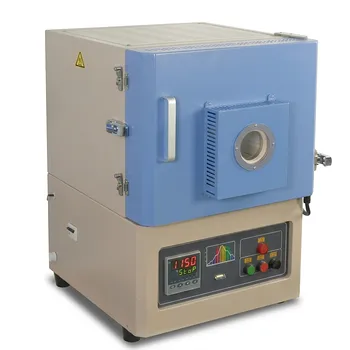
High Temperature Benchtop Muffle Furnace with Quartz Observation Window for Thermal Imaging and Material Analysis
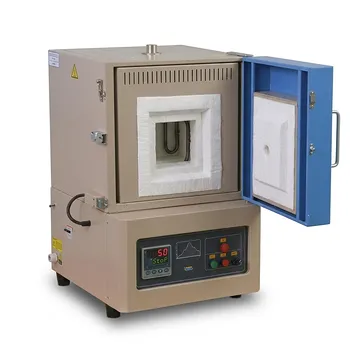
1800°C Bench Top Ultra High Temperature Muffle Furnace with Sapphire Observation Window and Top Feeding Port for Materials Research and Thermal Processing
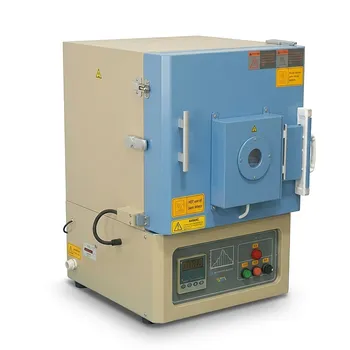
High Temperature Benchtop Muffle Furnace 1500C with 3.6L Chamber and Quartz Observation Window