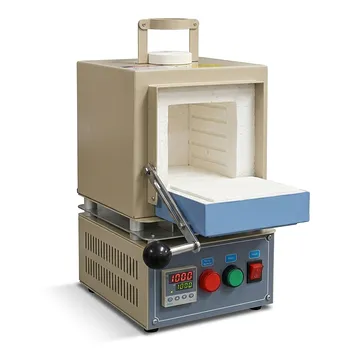
What is the significance of muffle furnaces in (NH4)3UO2F5 decomposition? Precision Thermal Control
Updated 3 months ago
The muffle furnace provides a stable, uniform thermal field and precise temperature control required to drive the desorption of ammonium fluoride ($NH_4F$) from the intermediate material. By maintaining a programmed temperature—typically around 300°C—the furnace ensures uniform bulk heating that preserves the sample's microscopic outline while facilitating the transition into uranyl fluoride micromaterials.
The muffle furnace acts as a critical controlled environment that balances the removal of volatile components with the preservation of structural integrity. Its primary significance lies in its ability to manage the desorption kinetics to achieve specific target morphologies, such as porous or swollen microspheres.
The Role of Uniform Bulk Heating
Preserving Structural Frameworks
The muffle furnace utilizes heating elements enclosed by refractory materials to create a high-temperature static environment. This configuration ensures that heat is distributed evenly throughout the sample, which is vital for maintaining the microscopic outline of the $(NH_4)_3UO_2F_5$ intermediates during decomposition.
Preventing Localized Thermal Stress
Unlike methods that apply direct flame or uneven heat, the muffle furnace’s stable thermal field prevents localized hotspots. This uniformity allows the entire volume of the microsphere to react simultaneously, reducing the risk of structural collapse or uneven phase transformation.
Facilitating Chemical Desorption
Driving Ammonium Fluoride Removal
The primary chemical objective in this environment is the desorption of ammonium fluoride components. The furnace provides the necessary thermal energy to break molecular bonds, allowing volatiles to exit the precursor framework effectively.
Precise Temperature Programming
Achieving the target uranyl fluoride structure requires a specific thermal profile, such as heating to 300°C. The muffle furnace's ability to maintain these precise setpoints ensures that the decomposition of $(NH_4)_3UO_2F_5$ proceeds at a controlled rate, preventing runaway reactions that could destroy the material's delicate features.
Managing Morphological Evolution
Engineering Porosity and Surface Area
The decomposition process often results in porous or swollen morphological characteristics. These features are not accidental; they are a direct result of the $NH_4F$ gases escaping the solid matrix within the stable environment of the furnace.
Achieving Target Micromaterials
The furnace is critical for obtaining uranyl fluoride micromaterials with specific morphologies. By controlling the thermal environment, researchers can ensure the final product retains the desired size and shape while gaining the internal porosity necessary for its intended application.
Understanding the Trade-offs
Balancing Swelling and Integrity
While the muffle furnace helps maintain the "outline" of the sample, the desorption of volatiles naturally causes swelling. If the temperature ramp is too aggressive, the internal pressure from escaping gases can lead to the fragmentation of the microspheres rather than controlled porosity.
The Limitation of Static Environments
Muffle furnaces typically provide a static environment, which is excellent for uniformity but can lead to the accumulation of desorbed gases near the sample surface. In some industrial contexts, this may require careful monitoring to ensure that the concentration of expelled $NH_4F$ does not interfere with the ongoing decomposition or damage the furnace interior.
How to Apply This to Your Process
Optimization Strategies
- If your primary focus is structural fidelity: Utilize a slower temperature ramp rate within the muffle furnace to allow gases to escape without causing excessive swelling or fracturing.
- If your primary focus is high surface area/porosity: Target the upper limit of the decomposition temperature (near 300°C) more rapidly to encourage the formation of a highly porous internal skeleton.
- If your primary focus is phase purity: Ensure the furnace remains at the target temperature long enough to complete the desorption of all $NH_4F$ volatile components, preventing residual contamination.
The stability of the muffle furnace's thermal field is the foundational requirement for transforming $(NH_4)_3UO_2F_5$ into precise uranyl fluoride micromaterials.
Summary Table:
| Key Feature | Role in (NH4)3UO2F5 Decomposition | Benefit to Final Micromaterial |
|---|---|---|
| Uniform Bulk Heating | Distributes stable thermal energy evenly | Preserves structural microscopic outline |
| Precise Temp Control | Maintains specific setpoints (e.g., 300°C) | Ensures controlled NH4F desorption kinetics |
| Stable Thermal Field | Eliminates localized hotspots | Prevents structural collapse or fragmentation |
| Morphological Management | Manages gas expansion/swelling | Achieves targeted porosity and surface area |
Elevate Your Material Research with THERMUNITS
As a leading manufacturer of high-temperature laboratory equipment, THERMUNITS provides the precision heating solutions necessary for complex material transformations like (NH4)3UO2F5 decomposition. Our advanced thermal systems are engineered for superior uniformity, essential for material science and industrial R&D.
Why Choose THERMUNITS for Your Thermal Processing?
- Comprehensive Range: We offer high-performance Muffle, Vacuum, Atmosphere, Tube, Rotary, and Hot Press furnaces.
- Specialized Systems: Expertise in CVD/PECVD systems, Dental Furnaces, Electric Rotary Kilns, and Vacuum Induction Melting (VIM) furnaces.
- Precision Components: Quality Thermal Elements and laboratory heat treatment equipment tailored to your specific research goals.
Ready to optimize your lab's efficiency and achieve superior material results? Contact THERMUNITS Today to consult with our experts on the perfect furnace for your application!
References
- Harry Jang, Frédéric Poineau. Tailoring Triuranium Octoxide into Multidimensional Uranyl Fluoride Micromaterials. DOI: 10.1021/acsomega.4c02554
Mentioned Products
- Five Side Heating Muffle Furnace High Purity Alumina Fiber 27L Chamber 1200C High Temperature Thermal Processing System for Sintering Annealing and Materials Research
- High Temperature 1500C Benchtop Muffle Furnace 3.6L Alumina Fiber Chamber Programmable Controller Sintering Annealing Carbonization Thermal Processing System
- 1200C High Temperature 125L Muffle Furnace 5 Side Heating for Large Batch Sintering with Optional Alloy Debinding Chamber
- High Temperature Muffle Furnace with Alloy Chamber for Debinding and Sintering Applications
- High Temperature Benchtop Muffle Furnace with Quartz Observation Window for Thermal Imaging and Material Analysis
People Also Ask
- What are the typical operating temperature ranges for standard and advanced muffle furnaces? Expert Temperature Guide.
- In what ways do muffle furnaces support aerospace and advanced materials testing? Essential High-Temp Validation Tools
- How does the heating mechanism of a muffle furnace differ from that of an open-flame furnace? Indirect vs Direct Heat
- What is the role of the muffle furnace in h-BN precursor preparation? Optimize Morphology and Chemical Purity.
- Why is the muffle design advantageous for the production of ceramics and glass? Ensure Purity and Structural Integrity

Tech Team · ThermUnits
Last updated on Jun 02, 2026
Related Products
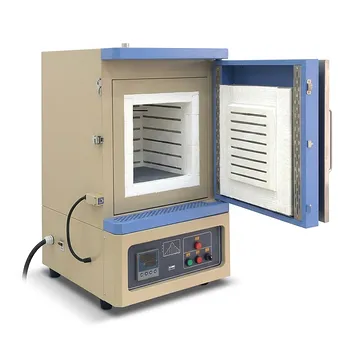
Five Side Heating Muffle Furnace High Purity Alumina Fiber 27L Chamber 1200C High Temperature Thermal Processing System for Sintering Annealing and Materials Research
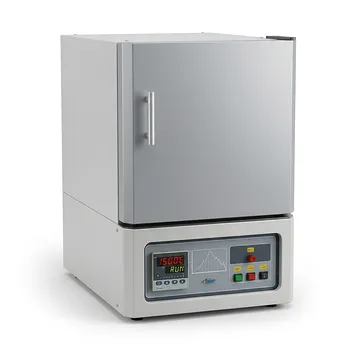
High Temperature 1500C Benchtop Muffle Furnace 3.6L Alumina Fiber Chamber Programmable Controller Sintering Annealing Carbonization Thermal Processing System
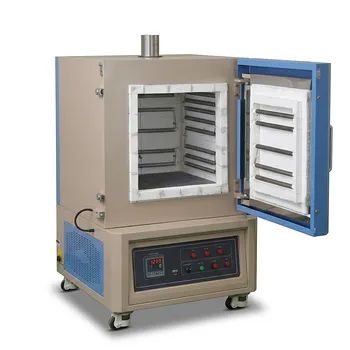
1200C High Temperature 125L Muffle Furnace 5 Side Heating for Large Batch Sintering with Optional Alloy Debinding Chamber
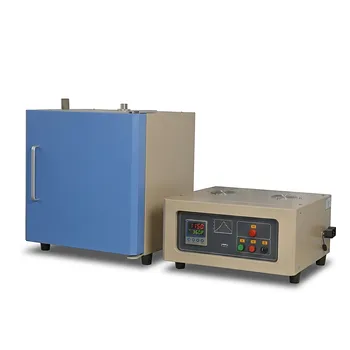
High Temperature Muffle Furnace with Alloy Chamber for Debinding and Sintering Applications
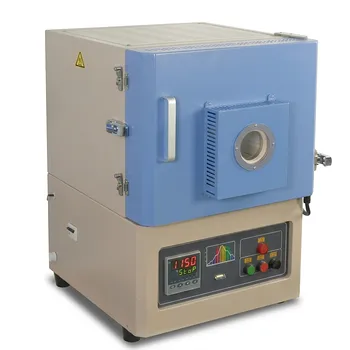
High Temperature Benchtop Muffle Furnace with Quartz Observation Window for Thermal Imaging and Material Analysis
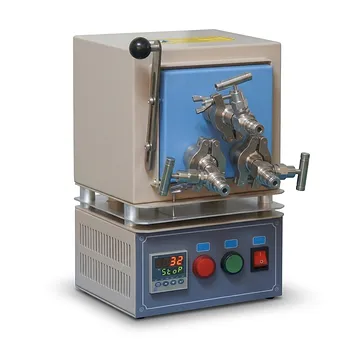
Triple Tube Compact Hybrid Muffle Furnace 1000C High Vacuum Thermal Processing System
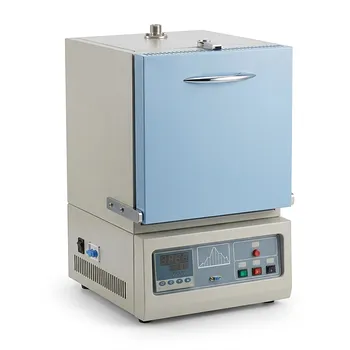
1750C Compact Muffle Furnace 1.7L Ultra High Temperature Laboratory Sintering System for Advanced Ceramics and Material Science Research
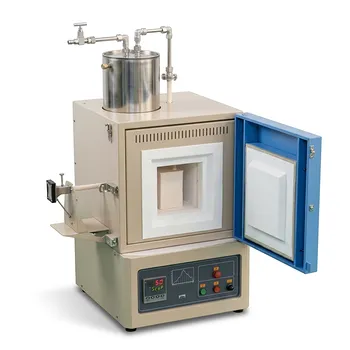
High Temperature Bench Top Muffle Furnace 1700C with Integrated Evaporating Particle Collection and 8x8x8 Alumina Fiber Chamber
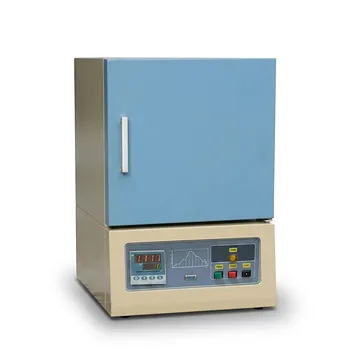
Ultra High Temperature Bench Top Muffle Furnace 1750C Sintering System with Kanthal Super Heating Elements and Precision Digital Control
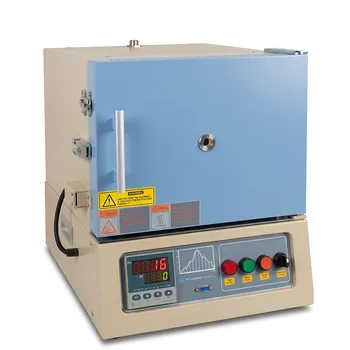
1200C Muffle Furnace 12x8x5 7.2L Heating Chamber with Quartz Observation Window and Vent Port
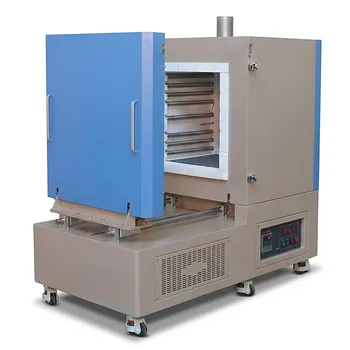
1200C Five Side Heating Muffle Furnace with Sliding Door 125L Volume High Temperature Heat Treatment System for Large Scale Sintering and Annealing
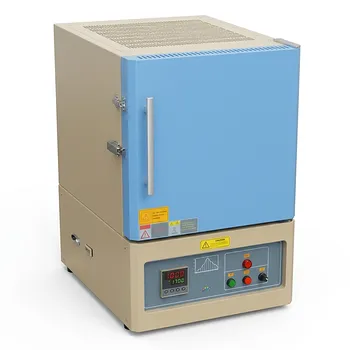
Large Bench Top 1700C High Temperature Muffle Furnace with 19L Chamber for Advanced Material Sintering and Annealing
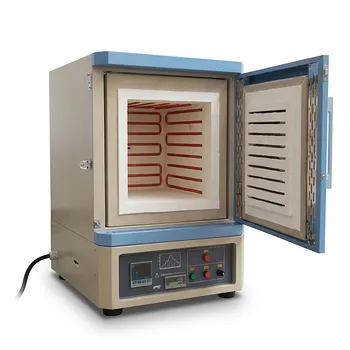
Five Side Heating Muffle Furnace 1200C High Uniformity 64L Chamber 16x16x16 Inch Industrial Heat Treatment
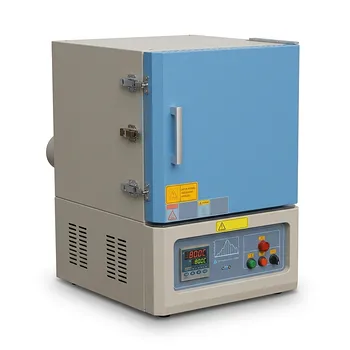
1800C Bench Top Muffle Furnace 18 Liters with Kanthal Super 1900 Heating Elements for High Purity Ceramic Sintering and Material Research
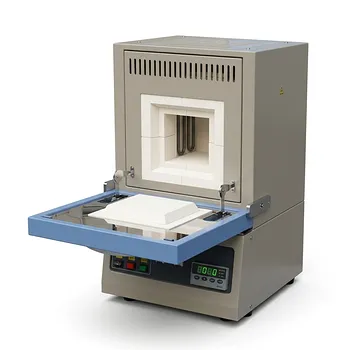
Five Sided Heating Muffle Furnace High Uniformity 1200C Lab Box Furnace 27L Alumina Fiber Chamber
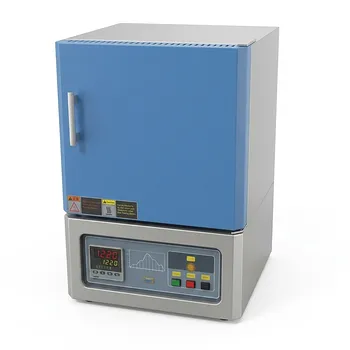
High Temperature Benchtop Muffle Furnace 1700C 10L Chamber Alumina Fiber Insulation MoSi2 Heating Elements
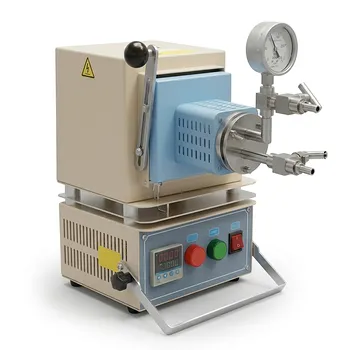
Compact Hybrid Muffle and Tube Furnace for 1000C Controlled Atmosphere Laboratory Material Sintering
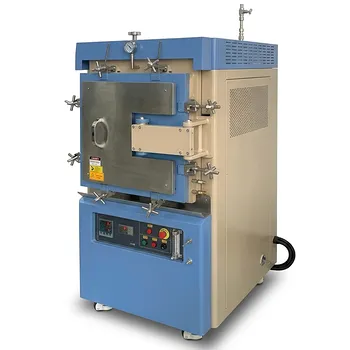
Atmosphere Controlled Muffle Furnace 1700C Maximum Temperature 80L High Capacity Vacuum Inert Gas Box Furnace
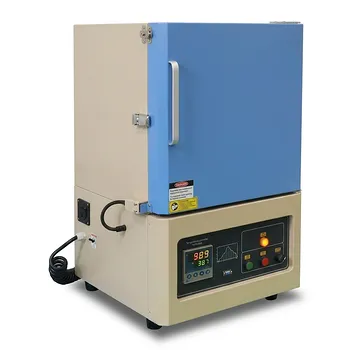
1200°C High Temperature Muffle Furnace 19L Chamber with 50 Segment Programmable Controller