Why are nitrogen purging and atmosphere control systems necessary for MLPB? Optimize Magnetism & Biochar Yield
Updated 5 months ago
Nitrogen purging and atmosphere control are the fundamental safeguards for synthesizing Magnetic Lemon Peel Biochar (MLPB). These systems create an anaerobic environment that prevents the oxidative combustion of biomass at high temperatures, ensuring the formation of a stable carbon skeleton rather than ash. Furthermore, they facilitate the precise chemical reduction of iron precursors into magnetic phases—specifically magnetite (Fe3O4)—while preventing the destruction of vital surface functional groups and persistent free radicals.
Nitrogen management transforms a simple heating process into a controlled chemical synthesis. By excluding oxygen, the system protects the structural integrity of the biochar and ensures the development of specific magnetic properties required for environmental remediation.
Preventing Oxidative Combustion
Protecting the Carbon Skeleton
During high-temperature pyrolysis, the presence of oxygen would cause the lemon peel biomass to catch fire and burn into ash. Atmosphere control systems displace oxygen with high-purity nitrogen to ensure the material undergoes carbonization rather than combustion. This process preserves the aromatic structure and the microporous framework of the resulting biochar.
Maintaining Mass Yield and Density
Without strict atmosphere isolation, oxygen interference leads to excessive mass loss. By maintaining an oxygen-deficient state, the system ensures that the carbon yield is maximized. This is critical for creating a dense, stable matrix that can support magnetic nanoparticles.
Guiding Magnetic Phase Formation
Stoichiometric Iron Reduction
The magnetic properties of MLPB depend on the successful conversion of iron salts into magnetic oxide phases. Nitrogen acts as a protective shield, guiding the reduction of iron components according to specific stoichiometric ratios. This prevents the iron from over-oxidizing into non-magnetic forms, which would render the biochar useless for magnetic recovery.
In-Situ Generation of Fe3O4
A nitrogen atmosphere is essential for the in-situ generation of magnetite (Fe3O4) crystalline phases within the biochar pores. By excluding oxygen, the system allows divalent and trivalent iron precursors to precipitate and transform correctly. This results in a final product with the strong magnetic characteristics necessary for adsorption and easy separation from water.
Preserving Chemical Functionality
Protecting Surface Functional Groups
The efficacy of MLPB in removing contaminants like hexavalent chromium depends on its surface functional groups and persistent free radicals (PFRs). Nitrogen purging prevents these sensitive chemical sites from being destroyed by premature oxidation. This preserves the chemical potential of the biochar, allowing it to perform complex reduction and adsorption tasks.
Managing Volatile Transport
During the reaction, a constant nitrogen flow (optimized at 150 mL/min) acts as a carrier gas. This flow rapidly transports volatile gases out of the reaction zone and into condensation systems. Removing these volatiles prevents secondary cracking reactions that could otherwise alter the product distribution and clog the biochar's pores.
Understanding the Trade-offs
The Cost of High-Purity Inertia
While necessary, the continuous use of high-purity nitrogen adds significant operational costs to the pyrolysis process. Using lower-grade nitrogen may introduce trace oxygen, which can degrade the magnetic performance and surface chemistry of the MLPB.
Flow Rate Sensitivity
There is a delicate balance in maintaining the nitrogen flow rate. If the flow is too low, volatile matter may linger and undergo secondary reactions that block the micropores; if the flow is too high, it may cause a cooling effect that disrupts the thermal stability of the furnace.
How to Apply This to Your Project
Recommendations for Synthesis
To achieve the highest quality Magnetic Lemon Peel Biochar, consider your primary objective:
- If your primary focus is Maximum Magnetism: Ensure a precise nitrogen flow of 150 mL/min to guide the stoichiometric reduction of iron into Fe3O4.
- If your primary focus is Adsorption Capacity: Prioritize the removal of all oxygen before heating begins to preserve the microporous structure and surface functional groups.
- If your primary focus is Structural Stability: Use high-purity nitrogen to maintain a strictly anaerobic environment, preventing the oxidative degradation of the carbon skeleton.
By meticulously controlling the internal atmosphere, you ensure that the complex chemical transformation from waste peel to functional magnetic material is both successful and repeatable.
Summary Table:
| Key System Function | Role in MLPB Pyrolysis | Primary Benefit |
|---|---|---|
| Oxygen Exclusion | Prevents biomass combustion into ash | Preserves carbon skeleton & mass yield |
| Phase Control | Guides stoichiometric iron reduction | Ensures in-situ formation of magnetite (Fe3O4) |
| Surface Protection | Shields functional groups from oxidation | Maintains adsorption & remediation efficiency |
| Volatile Management | Carrier gas (150 mL/min) removes gases | Prevents pore clogging & secondary reactions |
Elevate Your Biochar Synthesis with THERMUNITS Precision
Achieving the perfect magnetic properties in MLPB requires uncompromising atmosphere control. THERMUNITS is a leading manufacturer of high-temperature laboratory equipment dedicated to material science and industrial R&D. We offer a comprehensive range of thermal processing solutions—including Atmosphere, Tube, Vacuum, Muffle, and Rotary furnaces, as well as CVD/PECVD systems—designed to provide the exact gas flow and thermal stability your research demands.
Whether you are scaling up biochar production or developing advanced catalysts, our equipment ensures repeatable, high-quality results. Contact us today to discuss your thermal processing needs and discover how our expertise can accelerate your innovation.
References
- Samah Daffalla, Mohamed R. El‐Aassar. Synthesis of a Novel Magnetic Biochar from Lemon Peels via Impregnation-Pyrolysis for the Removal of Methyl Orange from Wastewater. DOI: 10.3390/magnetochemistry10120095
Mentioned Products
- 1500C Three Zone Vertical Pyrolysis Furnace for Nanoparticle Synthesis and Advanced Oxide Coating
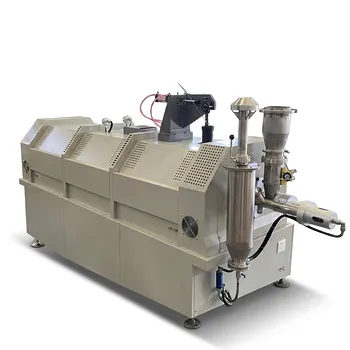
- Electric Rotary Kiln Small Rotary Furnace Biomass Pyrolysis Plant
- 915MHz MPCVD Diamond Machine Microwave Plasma Chemical Vapor Deposition System Reactor
- Electric Rotary Kiln Continuous Working Small Rotary Furnace Heating Pyrolysis Plant
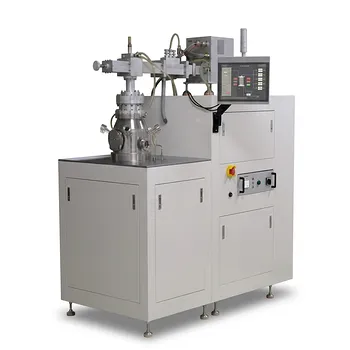
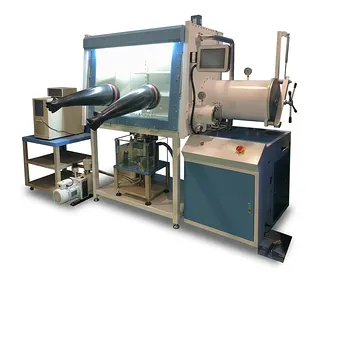
- High Temperature Induction Melting System with Integrated Ultra High Purity Glove Box for Metallic Alloy Processing
People Also Ask
- Why is high-precision temperature control essential in a pyrolysis furnace? Master Pd NPs/NO-C Catalyst Synthesis
- What is the technical necessity of multiple high-temperature thermocouples in a pyrolysis furnace? Precision Control
- Why is it necessary to maintain a strict nitrogen (N2) atmosphere during the operation of a pyrolysis furnace? (Pro Tips)
- Why is Nitrogen (N2) required for 3D carbon electrodes? Ensure material purity and structural integrity.
- Why are precise nitrogen supply systems and flow meters necessary in the pyrolysis process? Optimize Purity & Yield.

Tech Team · ThermUnits
Last updated on Apr 14, 2026
Related Products
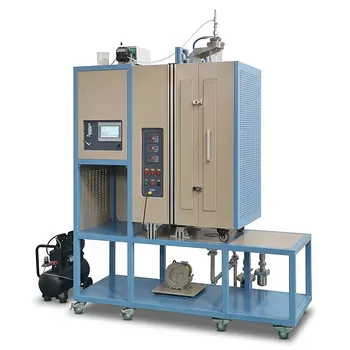
1500C Three Zone Vertical Pyrolysis Furnace for Nanoparticle Synthesis and Advanced Oxide Coating
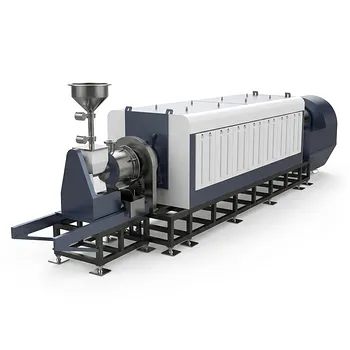
Electric Rotary Kiln Small Rotary Furnace Biomass Pyrolysis Plant
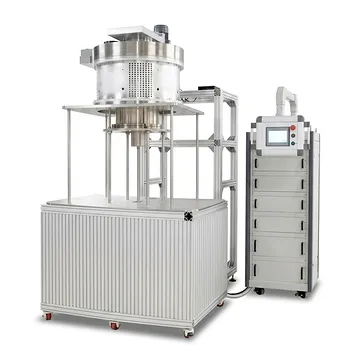
915MHz MPCVD Diamond Machine Microwave Plasma Chemical Vapor Deposition System Reactor
Electric Rotary Kiln Continuous Working Small Rotary Furnace Heating Pyrolysis Plant
High Temperature Induction Melting System with Integrated Ultra High Purity Glove Box for Metallic Alloy Processing