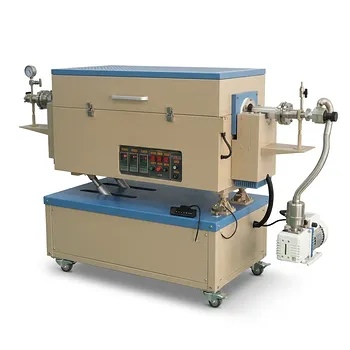
Why is Nitrogen (N2) required for 3D carbon electrodes? Ensure material purity and structural integrity.
Updated 3 months ago
A continuous flow of high-purity Nitrogen (N2) is fundamental to preventing the oxidative destruction of the carbon framework during high-temperature pyrolysis. It establishes a strictly inert, oxygen-free environment that ensures the 3D electrode maintains its structural integrity, high carbon yield, and specific surface chemistry. This process is essential for creating a pure carbon surface capable of selective chemical reactions, such as the efficient synthesis of hydrogen peroxide (H2O2).
Core Takeaway: Nitrogen acts as both a chemical shield and a physical transport medium. It prevents the carbon material from burning away while simultaneously sweeping away volatile byproducts to preserve the electrode's purity and intricate pore structure.
Preventing Material Degradation and Oxidative Loss
Establishing an Anaerobic Environment
Pyrolysis requires a strictly inert atmosphere to prevent the carbon source from undergoing combustion. By purging oxygen and water vapor from the furnace, nitrogen ensures that the material decomposes thermally rather than reacting with air.
Maximizing Carbon Yield
Without a stable nitrogen flow, the carbon material would suffer oxidative loss, significantly reducing the final yield. Maintaining this anaerobic shield allows for maximum carbon fixation, turning the precursor into a stable, solid "hard carbon" structure.
High-Temperature Stability
Carbonization often occurs at extreme temperatures, sometimes reaching up to 1600 degrees Celsius. At these levels, even trace amounts of oxygen can cause severe oxidation, making the continuous displacement of air a technical necessity.
Engineering Surface Chemistry and Purity
Creating Oxygen-Free Surfaces
The primary goal for 3D pyrolytic carbon electrodes is often the synthesis of hydrogen peroxide (H2O2). A high-purity nitrogen environment ensures an oxygen-free carbon surface, which is the specific chemical condition required for high selectivity in this reaction.
Maintaining Functional Group Ratios
The performance of an electrode depends on the precise ratio of oxygen-containing functional groups on its surface. A controlled nitrogen flow prevents "unintended" oxidation, allowing researchers to maintain exact control over the material's chemical characteristics.
Protecting Persistent Free Radicals
In advanced environmental applications, nitrogen preserves persistent free radicals (PFRs) on the biochar surface. These radicals provide the chemical potential needed for reducing contaminants like hexavalent chromium, but they are easily destroyed by premature oxidation.
Structural Integrity and Volatile Management
Nitrogen as a Carrier Gas
Beyond protection, nitrogen acts as a carrier gas that physically transports syngas and tar vapors out of the furnace. This prevents these byproduct vapors from re-condensing on the electrode surface, which could clog pores or cause secondary carbonization.
Preservation of Microporous Structures
The "3D" nature of these electrodes refers to their complex internal architecture and pore structure. A stable flow prevents the internal scaffolding from collapsing due to oxidative thinning, ensuring the final product remains highly porous.
Formation of Protective Shells
In electrodes containing metal catalysts, nitrogen facilitates the transformation of carbon into a protective graphene shell. This shell encases active metal species, protecting them from environmental degradation and enhancing the electrode's electrical conductivity.
Understanding the Trade-offs and Pitfalls
The Risk of Insufficient Purity
Using nitrogen that is not "high-purity" can introduce trace oxygen or moisture into the system. Even parts-per-million levels of impurities can poison the surface of the carbon or alter the dispersion of atomic metal sites, leading to inconsistent electrode performance.
Flow Rate Sensitivity
If the flow rate is too low (e.g., significantly below 100–500 mL/min), air may leak back into the furnace or volatile tars may accumulate. Conversely, an excessively high flow rate can cause temperature fluctuations within the furnace tube, leading to non-uniform carbonization.
Managing Metal Volatilization
In certain specialized catalyst syntheses, the nitrogen flow must be carefully calibrated to manage evaporated metal vapors (such as zinc). If the flow is not stable, these vapors may not be removed efficiently, potentially interfering with the formation of the desired microporous structures.
Implementing Stable Nitrogen Flow for Your Project
Recommendations Based on Technical Goals
- If your primary focus is H2O2 synthesis: Use the highest purity nitrogen available to ensure a completely oxygen-free terminal surface, as this is the "critical chemical condition" for catalytic selectivity.
- If your primary focus is high-surface-area 3D structures: Prioritize a stable, continuous flow rate (e.g., 500 mL/min) to act as an effective carrier gas, ensuring that tar vapors do not condense and block the electrode's micropores.
- If your primary focus is metal-doped catalysts: Ensure the nitrogen atmosphere is established well before the temperature reaches 350°C to protect newly formed metallic nanoparticles from early oxidation.
By treating the nitrogen flow as a precise chemical reagent rather than a simple utility, you ensure the structural and chemical integrity of the 3D pyrolytic carbon electrode.
Summary Table:
| Role of Nitrogen | Technical Impact | Material Benefit |
|---|---|---|
| Inert Atmosphere | Prevents combustion & oxidation | Maximizes carbon yield |
| Carrier Gas | Removes tar & volatile vapors | Preserves micropore structure |
| Surface Control | Eliminates oxygen poisoning | High catalytic selectivity (H2O2) |
| Thermal Shield | Enables stable anaerobic heating | Protects integrity up to 1600°C |
Partner with THERMUNITS for your material science breakthroughs. As a global leader in high-temperature laboratory equipment, we offer advanced Atmosphere, Tube, and Vacuum furnaces specifically engineered for precise carbonization and pyrolysis. Our comprehensive range, including CVD/PECVD systems, Muffle furnaces, and Thermal Elements, empowers industrial R&D with the stability required for sensitive electrode synthesis. Contact our experts today to optimize your laboratory heat treatment solutions!
References
- Rusen Zou, Yifeng Zhang. Advancing Microbial Electrochemical H<sub>2</sub>O<sub>2</sub> Synthesis by Tailoring the Surface Chemistry of Stereolithography-Derived 3D Pyrolytic Carbon Electrodes. DOI: 10.1021/acsenvironau.4c00067
Mentioned Products
- 1500C Three Zone Vertical Pyrolysis Furnace for Nanoparticle Synthesis and Advanced Oxide Coating
- Electric Rotary Kiln Small Rotary Furnace Biomass Pyrolysis Plant
- Electric Rotary Kiln Continuous Working Small Rotary Furnace Heating Pyrolysis Plant
- High Temperature 1700C Vertical Tube Furnace for Powder Spherification and Material Sintering
- Five Side Heating Muffle Furnace High Purity Alumina Fiber 27L Chamber 1200C High Temperature Thermal Processing System for Sintering Annealing and Materials Research
People Also Ask
- Why is high-precision temperature control essential in a pyrolysis furnace? Master Pd NPs/NO-C Catalyst Synthesis
- What is the technical necessity of multiple high-temperature thermocouples in a pyrolysis furnace? Precision Control
- Why is it necessary to maintain a strict nitrogen (N2) atmosphere during the operation of a pyrolysis furnace? (Pro Tips)
- Why are precise nitrogen supply systems and flow meters necessary in the pyrolysis process? Optimize Purity & Yield.
- What is the role of a high-temperature tube furnace in coal powder pyrolysis benchmarking? Achieve Precise Baselines.

Tech Team · ThermUnits
Last updated on Jun 03, 2026
Related Products
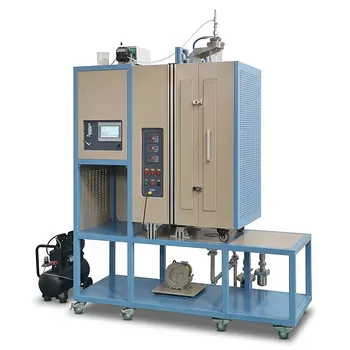
1500C Three Zone Vertical Pyrolysis Furnace for Nanoparticle Synthesis and Advanced Oxide Coating
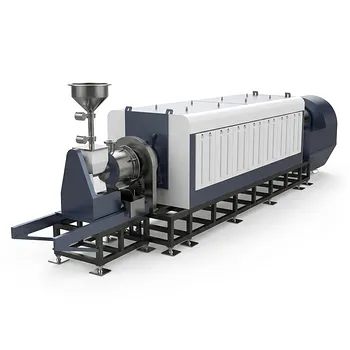
Electric Rotary Kiln Small Rotary Furnace Biomass Pyrolysis Plant
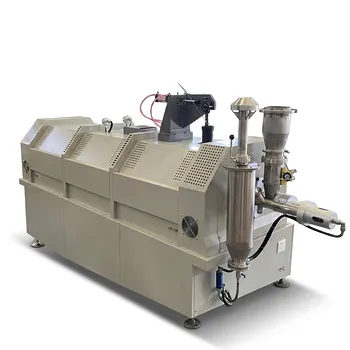
Electric Rotary Kiln Continuous Working Small Rotary Furnace Heating Pyrolysis Plant

High Temperature 1700C Vertical Tube Furnace for Powder Spherification and Material Sintering
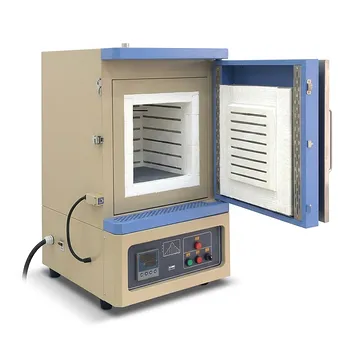
Five Side Heating Muffle Furnace High Purity Alumina Fiber 27L Chamber 1200C High Temperature Thermal Processing System for Sintering Annealing and Materials Research
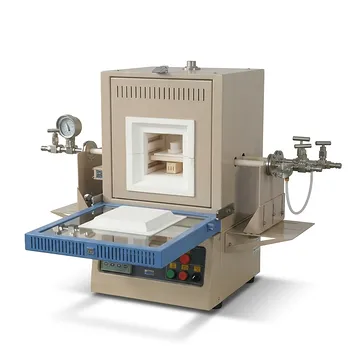
1700C Compact Hybrid Furnace with Dual Layer Box Sintering and Controlled Atmosphere Alumina Tubes
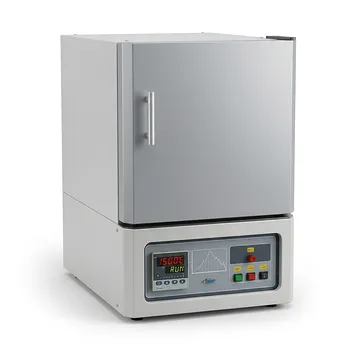
High Temperature 1500C Benchtop Muffle Furnace 3.6L Alumina Fiber Chamber Programmable Controller Sintering Annealing Carbonization Thermal Processing System
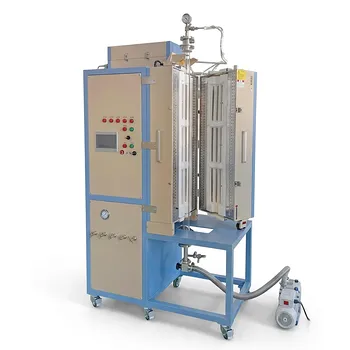
1200C Three Zone Vertical Fixed Fluidized Bed Furnace for Methane Reforming and Fischer Tropsch Reactions

Compact High Temperature 1600C Tube Furnace with 50mm Alumina Tube and Vacuum Flanges for Material Sintering
1200C Five Side Heating Muffle Furnace with Sliding Door 125L Volume High Temperature Heat Treatment System for Large Scale Sintering and Annealing
High Temperature Hydrogen Atmosphere Box Furnace 1650C Max Reducing Environment Material Synthesis System 8x8x8 Chamber
High Temperature Tilting Rotary Tubular Furnace for Continuous Powder Thermal Processing and Controlled Atmosphere Sintering
High Temperature Vertical Crucible Furnace with 22L Heating Chamber and 1200C Maximum Temperature
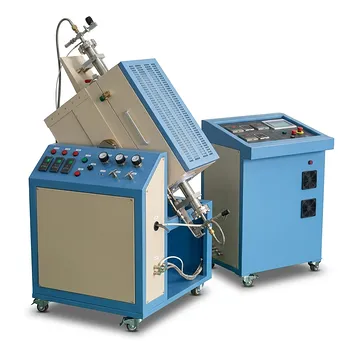
1100C High Pressure Rocking Tube Furnace with 2 Inch Super Alloy Processing Tube for Material Synthesis
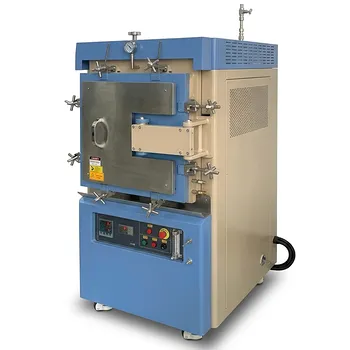
Atmosphere Controlled Muffle Furnace 1700C Maximum Temperature 80L High Capacity Vacuum Inert Gas Box Furnace

High Temperature 1700C Benchtop Tube Furnace with 5 Inch Heating Zone High Purity Alumina Tube and Vacuum Sealing Flanges

1200°C 5 Inch Vertical Quartz Tube Furnace with Stainless Steel Vacuum Flanges
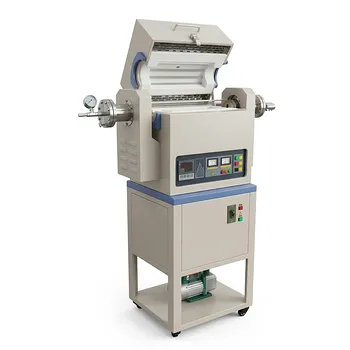
High Temperature Rotary Tilt Tubular Furnaces for Advanced Powder Sintering and Material Processing

1800C High Temperature Compact Vacuum Tube Furnace with 60mm OD Alumina Tube and Kanthal MoSi2 Heating Elements