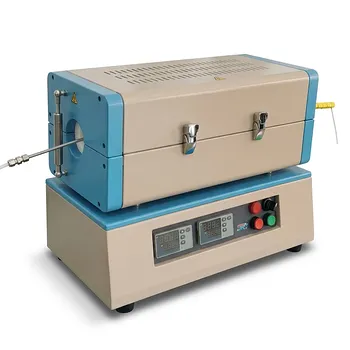
Why are precise nitrogen supply systems and flow meters necessary in the pyrolysis process? Optimize Purity & Yield.
Updated 3 months ago
Precise nitrogen control is the foundation of pyrolysis stability.
Nitrogen supply systems and flow meters are essential because they eliminate oxygen to prevent combustion and provide a stable carrier medium for volatile products. By maintaining a strictly anaerobic environment and a consistent flow rate, these components ensure that thermal decomposition—rather than oxidation—occurs, while also governing the residence time of vapors to prevent undesirable secondary reactions.
A precise nitrogen system transforms a potential combustion chamber into a controlled anaerobic environment. By integrating flow meters, operators can dictate the exact residence time of vapors, ensuring repeatable results and high-purity product recovery.
Establishing an Inert Environment
Oxygen Displacement and Purging
Nitrogen is used to purge the reactor system before heating begins to displace ambient air. Reducing oxygen levels to below 2 percent is critical to prevent the raw materials from undergoing oxidative combustion or "ashing" at high temperatures.
Maintaining Chemical Purity
A high-purity nitrogen supply (often 99.999% purity) ensures that the chemical transformation of the feedstocks is driven solely by temperature and heating rate. This excludes interference from oxygen and moisture, preventing oxidative side reactions from contaminating experimental data or the final product.
Preservation of Carbon Structures
In an oxygen-deficient environment, nitrogen allows the material to undergo incomplete thermal decomposition. This process preserves the carbon skeleton, which is necessary for creating biochar with specific aromatic structures and light-absorption capabilities.
The Role of Nitrogen as a Carrier Gas
Vapor Transport and Recovery
During the reaction, nitrogen acts as a transport medium for volatile matter. It rapidly sweeps pyrolysis vapors out of the high-temperature reaction zone and into the condensation and collection systems for efficient recovery.
Mitigating Secondary Cracking
By moving vapors quickly, the nitrogen flow prevents secondary cracking reactions. Without this rapid transport, the product vapors would stay in the heat too long, breaking down further into less desirable gases and altering the final product distribution.
Why Precise Flow Measurement is Mandatory
Controlling Residence Time
The flow rate directly determines the residence time of gas-phase products within the reactor. Precise flow meters allow operators to fine-tune this timing, which is a primary factor in determining the ratio of bio-oil, gas, and char produced.
Ensuring Data Comparability
Stable flow control prevents fluctuations that could lead to varying degrees of secondary reactions. This precision ensures that data from different experiments remain comparable and reproducible, which is vital for mass balance calculations.
Understanding the Trade-offs
Cost vs. Purity
Utilizing ultra-high-purity nitrogen increases operational costs but is necessary for sensitive thermogravimetric analysis. Using lower-grade inert gas may save money but risks introducing trace oxygen, which can degrade the quality of the carbonized structures.
Flow Rate Imbalances
If the flow rate is too high, it may prevent the biomass from reaching the required internal temperature or overwhelm the condensation system. Conversely, a flow rate that is too low increases residence time, leading to excessive carbon deposition and loss of liquid oil yield.
Making the Right Choice for Your Goal
- If your primary focus is high-purity biochar: Prioritize a rigorous pre-reaction purge and maintain a stable anaerobic environment to preserve the integrity of the carbon skeleton.
- If your primary focus is liquid oil recovery: Use high-precision mass flow controllers to minimize vapor residence time, effectively preventing the secondary cracking of bio-oil into non-condensable gases.
- If your primary focus is kinetic modeling or research: Implement 99.999% purity nitrogen and digital flow meters to eliminate atmospheric variables and ensure accurate mass balance data.
Properly calibrated nitrogen systems turn the unpredictable nature of thermal decomposition into a precise, repeatable chemical process.
Summary Table:
| Function | Key Component | Impact on Pyrolysis |
|---|---|---|
| Oxygen Displacement | Nitrogen Purge System | Prevents oxidative combustion to preserve carbon structures. |
| Vapor Transport | Carrier Gas Flow | Sweeps volatiles out of hot zones to mitigate secondary cracking. |
| Process Control | Precision Flow Meters | Regulates residence time to dictate bio-oil, gas, and char ratios. |
| Data Integrity | 99.999% High-Purity N2 | Eliminates atmospheric variables for repeatable mass balance data. |
Master Thermal Precision with THERMUNITS
THERMUNITS is a leading manufacturer of high-temperature laboratory equipment dedicated to advancing material science and industrial R&D. We provide a comprehensive range of thermal processing solutions—including Atmosphere Furnaces, Tube Furnaces, CVD/PECVD systems, and Vacuum Induction Melting (VIM) furnaces—perfectly engineered for the rigorous demands of precise pyrolysis.
Our systems ensure the stable anaerobic environments and exact gas flow control required to eliminate oxidation and maximize your research efficiency. From high-purity biochar production to optimized liquid oil recovery, THERMUNITS delivers the reliability and accuracy your lab needs to succeed.
Consult with Our Experts to Find Your Ideal Furnace Solution Today
References
- Ayden Kemp, Sushil Adhikari. Production of Aviation Fuel-Range Hydrocarbons Through Catalytic Co-Pyrolysis of Polystyrene and Southern Pine. DOI: 10.3390/catal14110806
Mentioned Products
- 1500C Three Zone Vertical Pyrolysis Furnace for Nanoparticle Synthesis and Advanced Oxide Coating
- Electric Rotary Kiln Small Rotary Furnace Biomass Pyrolysis Plant
- Electric Rotary Kiln Continuous Working Small Rotary Furnace Heating Pyrolysis Plant
- Gas Pre-Heating Tube Furnace for High Temperature Pyrolysis Reactors and Material Science Research
People Also Ask
- Why is high-precision temperature control essential in a pyrolysis furnace? Master Pd NPs/NO-C Catalyst Synthesis
- What is the technical necessity of multiple high-temperature thermocouples in a pyrolysis furnace? Precision Control
- Why is it necessary to maintain a strict nitrogen (N2) atmosphere during the operation of a pyrolysis furnace? (Pro Tips)
- Why is Nitrogen (N2) required for 3D carbon electrodes? Ensure material purity and structural integrity.
- What is the role of a high-temperature tube furnace in coal powder pyrolysis benchmarking? Achieve Precise Baselines.

Tech Team · ThermUnits
Last updated on Jun 03, 2026
Related Products
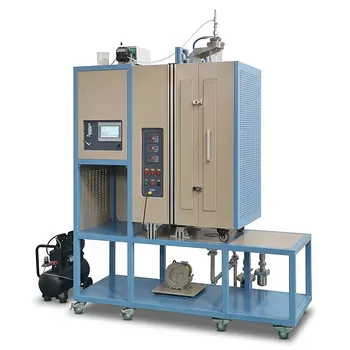
1500C Three Zone Vertical Pyrolysis Furnace for Nanoparticle Synthesis and Advanced Oxide Coating
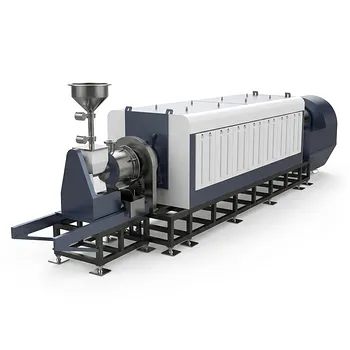
Electric Rotary Kiln Small Rotary Furnace Biomass Pyrolysis Plant
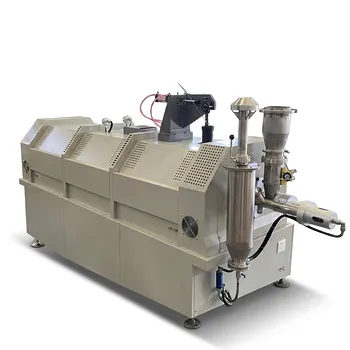
Electric Rotary Kiln Continuous Working Small Rotary Furnace Heating Pyrolysis Plant