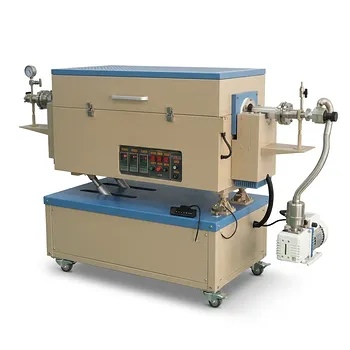
Why is it necessary to maintain a strict nitrogen (N2) atmosphere during the operation of a pyrolysis furnace? (Pro Tips)
Updated 3 months ago
Maintaining a strict nitrogen (N2) atmosphere is essential because pyrolysis is defined by the thermal decomposition of materials in the absence of oxygen. Without this inert environment, the high temperatures required for the process would cause the feedstock to undergo combustion (burning) rather than chemical transformation. This results in the conversion of organic matter into ash and the total loss of the desired solid carbon products and volatile oils.
Core Takeaway: Nitrogen serves as both a chemical shield and a transport medium, preventing the destruction of the material via oxidation while simultaneously managing the movement of volatile gases to ensure a high-quality final product.
Preventing Material Destruction and Loss
Excluding Oxygen to Prevent Combustion
Pyrolysis must occur in an oxygen-free or oxygen-deficient environment to function correctly. High-purity nitrogen displaces the oxygen within the furnace chamber, ensuring the feedstock undergoes thermal decomposition rather than incineration.
Avoiding the Formation of Ash
In the presence of oxygen, biomass and other carbonaceous materials are reduced to ash at high temperatures. An N2 atmosphere ensures that organic components are instead converted into solid carbon products through a controlled process of devolatilization.
Protecting Sensitive Nanostructures
For advanced materials, such as those containing carbon nanotubes or iron-based nanoparticles, an inert environment is critical. Nitrogen prevents these metallic and carbon structures from oxidizing, which would otherwise destroy their unique electrical or magnetic properties.
Preserving Chemical and Structural Integrity
Safeguarding Microporous Architecture
The development of a biochar’s pore structure is sensitive to the surrounding atmosphere. A strict nitrogen environment protects the formation of the microporous structure, ensuring the final material has the high surface area required for effective adsorption.
Retaining Surface Functional Groups
Oxygen-containing functional groups and persistent free radicals (PFRs) are often the active components in chemical reduction processes. Maintaining an inert atmosphere prevents the premature oxidation of these groups, preserving the material's chemical potential for tasks like heavy metal remediation.
Enabling Precise Chemical Doping
In processes involving melamine or other precursors, nitrogen helps maintain the chemical equilibrium inside the furnace. This environment is necessary to promote the efficient doping of nitrogen atoms into the carbon framework, creating high-performance substrates.
Managing the Reaction Environment
Nitrogen as a Transport Medium
Beyond protection, nitrogen acts as a carrier gas that continuously flushes the reaction chamber. It rapidly transports pyrolysis vapors out of the high-temperature zone and into the condensation system.
Preventing Secondary Reactions
By quickly removing volatiles, the nitrogen flow prevents them from lingering in the heat and undergoing unintended secondary reactions. This ensures the chemical stability of the final product and helps maintain a consistent quality.
Purging Residual Contaminants
Nitrogen is used to purge the system before heating begins to remove any residual air. This initial step is vital to ensure that no trace oxygen remains to cause oxidation during the critical ramp-up phases of the heating cycle.
Understanding the Trade-offs
Gas Purity vs. Product Quality
Using lower-purity nitrogen can introduce trace amounts of oxygen into the system. While this may be more cost-effective, it can lead to partial oxidation, which silently degrades the surface properties and structural integrity of the biochar.
Flow Rate and Heat Loss
A higher nitrogen flow rate effectively removes volatiles but can also carry away significant thermal energy. Operators must balance the need for rapid vapor transport with the energy requirements and temperature stability of the furnace.
Cost and Infrastructure
Maintaining a continuous flow of high-purity nitrogen adds to the operational cost and requires specialized gas handling equipment. However, failing to maintain this atmosphere usually results in the total failure of the pyrolysis process.
How to Apply This to Your Project
Recommendations for Implementation
- If your primary focus is Maximizing Surface Area: Ensure a thorough initial purge of the furnace and maintain a consistent flow to prevent any structural collapse of the pores due to trace oxidation.
- If your primary focus is Preserving Magnetic or Metallic Traits: Use only high-purity (99.99% or higher) nitrogen to prevent the oxidation of iron or other sensitive nanoparticles.
- If your primary focus is Producing Bio-Oils: Optimize the nitrogen flow rate to ensure volatiles are moved quickly to the condenser without over-cooling the reaction zone.
Strict atmospheric control is the foundational requirement that transforms a simple furnace into a precision instrument for chemical synthesis and material recovery.
Summary Table:
| Function of Nitrogen | Key Benefit | Impact on Material |
|---|---|---|
| Oxygen Exclusion | Prevents Combustion | Ensures conversion to carbon/oils instead of ash |
| Inert Shielding | Structural Protection | Safeguards sensitive nanostructures and metallic traits |
| Carrier Gas | Vapor Transport | Removes volatiles quickly to prevent secondary reactions |
| Chemical Buffering | Pore Preservation | Maintains microporous architecture and high surface area |
| System Purging | Contaminant Removal | Eliminates residual air to prevent oxidation during ramp-up |
Achieve Precision in Pyrolysis with THERMUNITS
Maintaining a strict inert atmosphere is the difference between successful material synthesis and total material loss. THERMUNITS is a leading manufacturer of high-temperature laboratory equipment designed for rigorous material science and industrial R&D.
We offer a comprehensive range of thermal processing solutions tailored for oxygen-sensitive applications, including:
- Atmosphere & Vacuum Furnaces for precise gas control.
- Tube & Rotary Furnaces for continuous and batch pyrolysis.
- CVD/PECVD Systems for advanced thin-film and carbon research.
- Muffle, Hot Press, and Vacuum Induction Melting (VIM) Furnaces.
Whether you are refining bio-oils or engineering advanced carbon nanostructures, our equipment provides the stability and atmospheric purity your research demands. Contact our technical experts today to discuss your specific heat treatment requirements!
References
- Ana B. Cuevas, M.P. Dorado. An Overview of Pyrolysis as Waste Treatment to Produce Eco-Energy. DOI: 10.3390/en17122852
Mentioned Products
- 1500C Three Zone Vertical Pyrolysis Furnace for Nanoparticle Synthesis and Advanced Oxide Coating
- Electric Rotary Kiln Small Rotary Furnace Biomass Pyrolysis Plant
- Electric Rotary Kiln Continuous Working Small Rotary Furnace Heating Pyrolysis Plant
- High Temperature 1700C Vertical Tube Furnace for Powder Spherification and Material Sintering
- Five Side Heating Muffle Furnace High Purity Alumina Fiber 27L Chamber 1200C High Temperature Thermal Processing System for Sintering Annealing and Materials Research
People Also Ask
- Why is high-precision temperature control essential in a pyrolysis furnace? Master Pd NPs/NO-C Catalyst Synthesis
- What is the technical necessity of multiple high-temperature thermocouples in a pyrolysis furnace? Precision Control
- Why is Nitrogen (N2) required for 3D carbon electrodes? Ensure material purity and structural integrity.
- Why are precise nitrogen supply systems and flow meters necessary in the pyrolysis process? Optimize Purity & Yield.
- What is the role of a high-temperature tube furnace in coal powder pyrolysis benchmarking? Achieve Precise Baselines.

Tech Team · ThermUnits
Last updated on Jun 03, 2026
Related Products
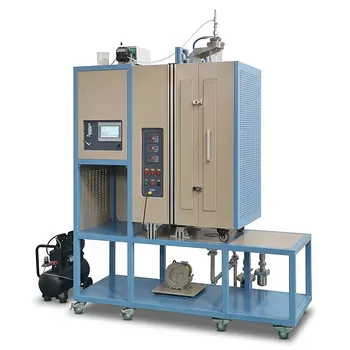
1500C Three Zone Vertical Pyrolysis Furnace for Nanoparticle Synthesis and Advanced Oxide Coating
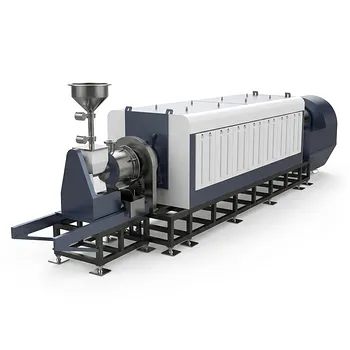
Electric Rotary Kiln Small Rotary Furnace Biomass Pyrolysis Plant
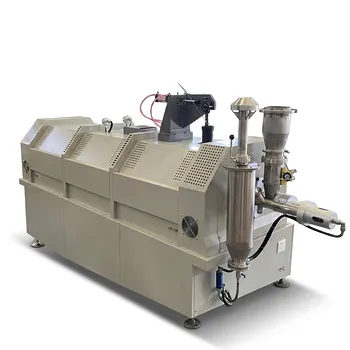
Electric Rotary Kiln Continuous Working Small Rotary Furnace Heating Pyrolysis Plant

High Temperature 1700C Vertical Tube Furnace for Powder Spherification and Material Sintering
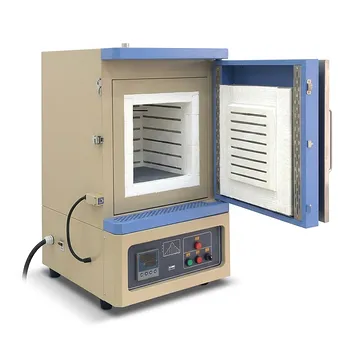
Five Side Heating Muffle Furnace High Purity Alumina Fiber 27L Chamber 1200C High Temperature Thermal Processing System for Sintering Annealing and Materials Research
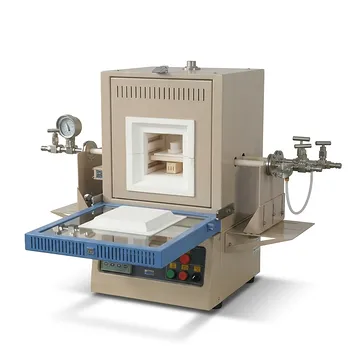
1700C Compact Hybrid Furnace with Dual Layer Box Sintering and Controlled Atmosphere Alumina Tubes
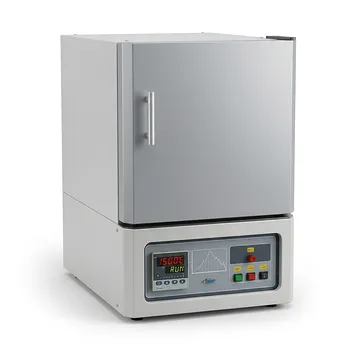
High Temperature 1500C Benchtop Muffle Furnace 3.6L Alumina Fiber Chamber Programmable Controller Sintering Annealing Carbonization Thermal Processing System
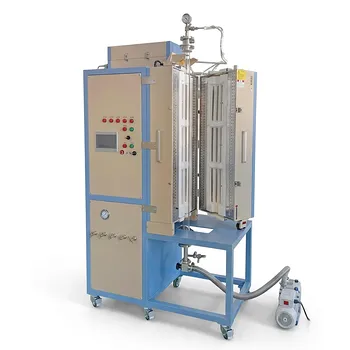
1200C Three Zone Vertical Fixed Fluidized Bed Furnace for Methane Reforming and Fischer Tropsch Reactions

Compact High Temperature 1600C Tube Furnace with 50mm Alumina Tube and Vacuum Flanges for Material Sintering
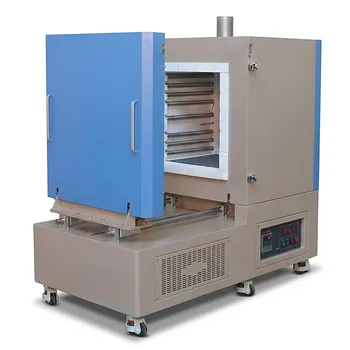
1200C Five Side Heating Muffle Furnace with Sliding Door 125L Volume High Temperature Heat Treatment System for Large Scale Sintering and Annealing
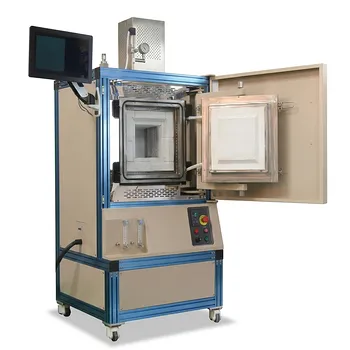
High Temperature Hydrogen Atmosphere Box Furnace 1650C Max Reducing Environment Material Synthesis System 8x8x8 Chamber
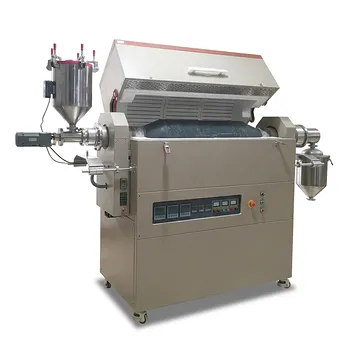
High Temperature Tilting Rotary Tubular Furnace for Continuous Powder Thermal Processing and Controlled Atmosphere Sintering
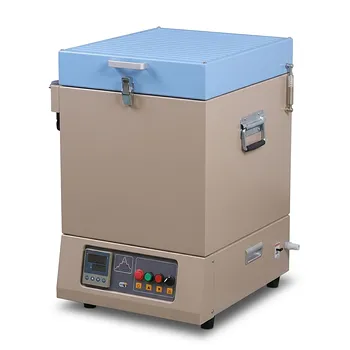
High Temperature Vertical Crucible Furnace with 22L Heating Chamber and 1200C Maximum Temperature
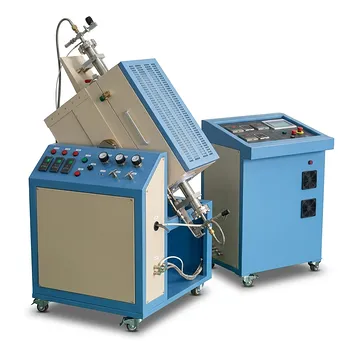
1100C High Pressure Rocking Tube Furnace with 2 Inch Super Alloy Processing Tube for Material Synthesis
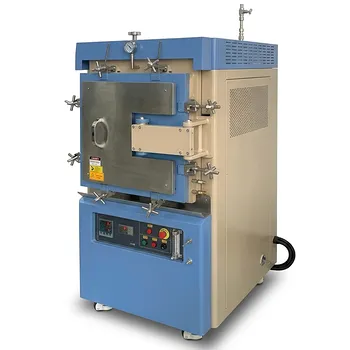
Atmosphere Controlled Muffle Furnace 1700C Maximum Temperature 80L High Capacity Vacuum Inert Gas Box Furnace

High Temperature 1700C Benchtop Tube Furnace with 5 Inch Heating Zone High Purity Alumina Tube and Vacuum Sealing Flanges
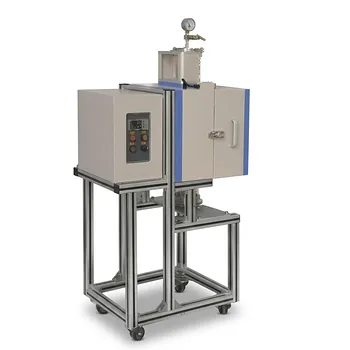
1200°C 5 Inch Vertical Quartz Tube Furnace with Stainless Steel Vacuum Flanges

1800C High Temperature Compact Vacuum Tube Furnace with 60mm OD Alumina Tube and Kanthal MoSi2 Heating Elements
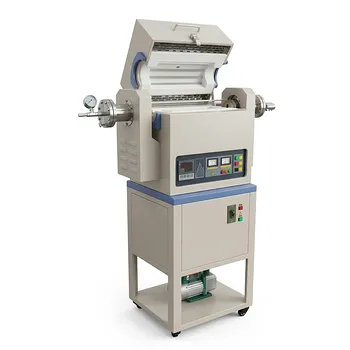
High Temperature Rotary Tilt Tubular Furnaces for Advanced Powder Sintering and Material Processing