Why is a ceramic boat typically selected as a sample carrier for high-temperature iron ore heat treatment? Essential Guide
Updated 3 months ago
Ceramic boats are the standard for iron ore heat treatment because they provide a unique combination of extreme thermal durability and chemical inertness. Specifically, in iron ore experiments involving hydrogen reduction, these boats ensure the sample remains uncontaminated while their shallow design facilitates uniform gas-solid contact. This allows for precise control over reaction kinetics without the carrier material interfering with the chemical results.
The selection of a ceramic boat is driven by its ability to withstand temperatures often exceeding 1200°C without reacting with iron ore or reducing gases. Its physical geometry optimizes gas penetration and ensures sample purity, which is critical for gathering accurate metallurgical data.
Superior Chemical and Thermal Stability
Resistance to Reducing Atmospheres
In high-temperature reduction experiments, iron ore is often exposed to hydrogen gas or carbon sources. Ceramic boats, typically composed of high-purity alumina, are selected because they do not react with these reducing agents. This stability ensures that the reduction process only affects the iron ore sample, maintaining the integrity of the experiment.
Preventing Impurity Migration
Maintaining the purity of the sample is paramount in metallurgical research. Ceramic materials do not introduce metal ions or other impurities into the iron ore during heat treatment. This is essential for researchers who need to analyze the precise composition of the resulting iron or slag without interference from the container.
Exceptional Refractoriness
Iron ore heat treatment often requires temperatures near or above 1000°C. High-purity ceramic boats possess a high degree of refractoriness, allowing them to maintain structural integrity where other materials might soften or melt. This ensures a stable platform for the sample within the furnace's constant temperature zone.
Optimizing Gas-Solid Interaction
Shallow Trough Geometry
The physical design of a ceramic boat features a shallow trough that allows researchers to spread powder samples in a thin, even layer. This configuration is critical for ensuring that hydrogen gas or other carrier gases can penetrate the entire sample layer uniformly. Uniform penetration prevents the formation of "dead zones" where the ore might remain unreacted.
Efficient Removal of Reaction Byproducts
During pyrolysis or reduction, small gas molecules are often generated as byproducts. The open structure of the ceramic boat allows these gases to be efficiently swept away by the carrier gas. This helps maintain the reaction equilibrium and ensures the process moves toward completion as intended.
Durability in Extreme Environments
Thermal Shock Resistance
Experimental protocols often involve moving samples in and out of hot zones, creating significant temperature gradients. High-quality ceramic boats are designed with excellent thermal shock stability, allowing them to withstand repeated heating and cooling cycles without cracking. This durability makes them a cost-effective choice for long-term laboratory use.
Non-Adherence and Corrosion Resistance
At high temperatures, some materials can become "sticky" or react with the iron ore to form a permanent bond. Ceramic boats offer high resistance to chemical corrosion and do not typically adhere to the sample. This allows for easy sample recovery and ensures the boat can be cleaned and reused for subsequent tests.
Understanding the Trade-offs
While ceramic boats are highly effective, they are not without limitations. Their primary drawback is physical brittleness; they can easily shatter if dropped or handled roughly with metal tongs. Furthermore, while they resist chemical attack, extremely aggressive molten salts or specific fluxing agents can eventually degrade the alumina surface over time.
Choosing the wrong grade of ceramic can also lead to issues. Low-purity ceramics may contain silica or other binders that could leach into the sample at temperatures exceeding 1200°C. Researchers must balance the need for high-purity alumina (which is more expensive) against the specific requirements of their experiment to avoid unnecessary costs.
Selecting the Right Boat for Your Goal
How to Apply This to Your Project
When selecting a ceramic carrier for your iron ore experiments, consider the specific atmospheric and thermal conditions of your furnace.
- If your primary focus is high-purity reduction: Use high-purity alumina boats (99%+) to ensure no silicon or trace metals migrate into your iron sample.
- If your primary focus is reaction kinetics and gas flow: Choose a boat with a wide, shallow profile to maximize the surface area-to-volume ratio of the ore powder.
- If your primary focus is high-throughput testing: Prioritize boats with documented thermal shock resistance to allow for faster cooling and heating cycles.
By matching the specific properties of the ceramic boat to your experimental parameters, you ensure the highest possible data reliability and sample integrity.
Summary Table:
| Key Feature | Functional Benefit | Significance in Research |
|---|---|---|
| High-Purity Alumina | Chemical Inertness | Prevents sample contamination in reducing atmospheres. |
| Shallow Geometry | Uniform Gas-Solid Contact | Ensures complete reaction and precise kinetic data. |
| High Refractoriness | Temperature Resistance | Maintains structural integrity at 1200°C and above. |
| Thermal Stability | Shock Resistance | Withstands rapid heating and cooling cycles without cracking. |
| Non-Adherent Surface | Corrosion Resistance | Facilitates easy sample recovery and boat reuse. |
Optimize Your Thermal Research with THERMUNITS
Precise heat treatment experiments require more than just the right carrier; they demand high-performance thermal environments. THERMUNITS is a leading manufacturer of high-temperature laboratory equipment, providing the precision and reliability needed for advanced material science.
From Tube and Muffle Furnaces perfect for iron ore reduction to advanced CVD/PECVD systems, Vacuum Induction Melting (VIM), and Hot Press units, we offer a comprehensive range of solutions tailored for industrial R&D.
Ready to elevate your lab's capabilities? Contact us today to discuss your specific requirements and find the ideal furnace for your application!
References
- Yu. V. Konyukhov, Mykola Kravchenko. Application of low-temperature reduction by hydrogen for enhancing the magnetic characteristics of several iron ores. DOI: 10.17073/0368-0797-2024-6-644-652
Mentioned Products
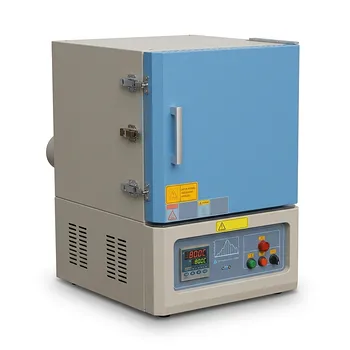
- 1800C Bench Top Muffle Furnace 18 Liters with Kanthal Super 1900 Heating Elements for High Purity Ceramic Sintering and Material Research
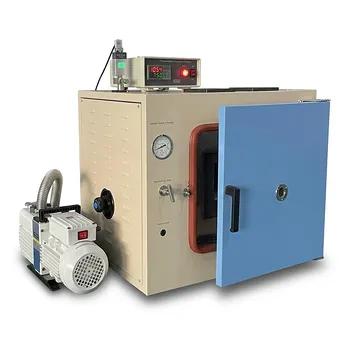
- Compact High Vacuum Box Furnace 1050C Max 6.2L Ceramic Chamber Stainless Steel Shell Programmable Temperature Controller for Material Science Research
People Also Ask
- Why is a benchtop muffle furnace essential for U3O8 micromaterials? Achieve precision stoichiometry and purity.
- What materials are typically used for heating elements in muffle furnaces? A Guide to Performance & Temperature Limits
- What role does a laboratory high-temperature muffle furnace play in the ash analysis phase of biomass co-firing research? [Guide]
- Why is a sintering furnace or Rapid Thermal Processing (RTP) equipment necessary for the formation of electrodes? Master Solar Ohmic Contacts.
- What function does argon serve in MOF melt-quenching? Prevent oxidation and ensure chemical integrity.

Tech Team · ThermUnits
Last updated on Jun 03, 2026