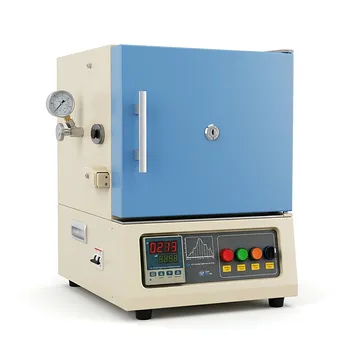
What materials are typically used for heating elements in muffle furnaces? A Guide to Performance & Temperature Limits
Updated 5 months ago
Selecting the right heating element for a muffle furnace depends entirely on the required operating temperature and the atmosphere of the application. For temperatures up to 1,400°C, metallic alloys like Kanthal are the industry standard, while high-demand applications reaching 1,800°C or more require ceramic-based elements like Silicon Carbide (SiC) or Molybdenum Disilicide (MoSi2).
The choice of heating element is a balance between thermal limit, chemical resistance, and cost. While metallic alloys offer affordability for standard lab work, ceramic elements are essential for ultra-high-temperature sintering and smelting due to their ability to form protective oxide layers.
Mid-Range Performance: Metallic Resistance Alloys
Kanthal (Iron-Chromium-Aluminum)
Kanthal alloys are the most common choice for furnaces operating in the lower to mid-range, typically up to 1,200–1,400°C. These alloys provide excellent resistance to oxidation and are highly cost-effective for general laboratory heating.
Nichrome (Nickel-Chromium)
Used primarily for moderate temperatures, Nichrome is a high-resistance alloy favored for its ductility and ease of fabrication. It is typically found in entry-level furnaces where temperatures do not exceed the 1,000–1,100°C range.
High-Temperature Performance: Ceramic Elements
Silicon Carbide (SiC)
Silicon Carbide elements are preferred for advanced applications reaching up to 1,500–1,600°C. These ceramic rods are known for their high power output and ability to withstand aggressive industrial atmospheres.
Molybdenum Disilicide (MoSi2)
For ultra-high temperature applications up to 1,800°C or 1,850°C, MoSi2 is the definitive material of choice. These elements are exceptionally durable because they develop a self-passivating oxide layer that ensures long-term stability and resistance to oxidation.
Specialized Elements for Controlled Environments
Refractory Metals and Graphite
In specialized vacuum furnaces, elements may be constructed from molybdenum, tungsten, or graphite to reach temperatures exceeding 2,200°C. These materials require inert or vacuum environments to prevent rapid oxidation and structural failure.
Element Geometry and Distribution
Heating elements are often arranged in helical or zoned patterns to ensure even heat distribution within the chamber. This arrangement is critical for maintaining thermal uniformity, which protects both the furnace insulation and the integrity of the samples.
Understanding the Trade-offs
Brittleness and Handling
While ceramic elements like SiC and MoSi2 offer superior temperature limits, they are significantly more brittle than metallic alloys. They are susceptible to mechanical shock and can break easily during installation or if the furnace is moved abruptly.
Oxidation and Aging
Metallic elements gradually oxidize over time, leading to a change in resistance and eventual failure. Ceramic elements also "age," but their self-healing oxide layers provide a more stable performance profile at the cost of a much higher initial investment.
Atmosphere Compatibility
Elements like MoSi2 perform best in oxidizing atmospheres where their protective silica layer can thrive. Using these elements in reducing atmospheres or vacuums requires specific grades or lower temperature limits to prevent the "pest" oxidation effect.
Making the Right Choice for Your Goal
When selecting a furnace based on its heating element, consider the specific thermal and chemical demands of your process.
- If your primary focus is routine laboratory ashing or heat treatment (<1,200°C): A furnace with Kanthal (Fe-Cr-Al) elements provides the best balance of longevity and cost-effectiveness.
- If your primary focus is high-speed ceramic sintering (1,400°C to 1,600°C): Choose Silicon Carbide (SiC) elements for their high power density and ability to maintain stable temperatures in demanding cycles.
- If your primary focus is ultra-high temperature R&D or smelting (up to 1,800°C): Invest in Molybdenum Disilicide (MoSi2) elements to ensure the thermal durability required for extreme heat.
By matching the material properties of the heating element to your specific temperature ceiling, you ensure both the precision of your results and the longevity of your equipment.
Summary Table:
| Material Type | Max Temperature | Typical Applications |
|---|---|---|
| Nichrome (Ni-Cr) | Up to 1,100°C | Entry-level lab heating, ductile & easy to form. |
| Kanthal (Fe-Cr-Al) | Up to 1,400°C | Standard lab ashing, heat treatment, cost-effective. |
| Silicon Carbide (SiC) | Up to 1,600°C | High-speed sintering, industrial R&D, high power density. |
| Molybdenum Disilicide (MoSi2) | Up to 1,850°C | Ultra-high temp sintering, smelting, self-passivating. |
| Graphite / Refractory Metals | 2,200°C+ | Specialized vacuum or inert atmosphere processing. |
Optimize Your Thermal Processing with THERMUNITS
As a leading manufacturer of high-temperature laboratory equipment for material science and industrial R&D, THERMUNITS provides the precision and durability your research demands. Choosing the right heating element is critical for the longevity of your equipment and the accuracy of your results.
Our Comprehensive Solutions Include:
- Furnaces: Muffle, Vacuum, Atmosphere, Tube, Rotary, and Hot Press models.
- Advanced Systems: CVD/PECVD systems, Vacuum Induction Melting (VIM), and Electric Rotary Kilns.
- Specialized Tools: Dental Furnaces and high-performance Thermal Elements.
Whether you are performing routine laboratory ashing or ultra-high-temperature sintering, our experts can help you select the ideal thermal processing solution tailored to your specific atmosphere and temperature requirements.
Ready to elevate your lab's performance?
Contact THERMUNITS Today to discuss your project requirements and get a professional consultation!
Mentioned Products
- 1750C Bench Top Muffle Furnace 3.6L High Grade Molybdenum Disilicide Heating Elements Laboratory Heat Treatment Equipment
- High Temperature Benchtop Muffle Furnace 1700C 10L Chamber Alumina Fiber Insulation MoSi2 Heating Elements
- Ultra High Temperature Bench Top Muffle Furnace 1750C Sintering System with Kanthal Super Heating Elements and Precision Digital Control
- 1800C Bench Top Muffle Furnace 18 Liters with Kanthal Super 1900 Heating Elements for High Purity Ceramic Sintering and Material Research
- High Temperature Bench Top Muffle Furnace 1700C with Integrated Evaporating Particle Collection and 8x8x8 Alumina Fiber Chamber
People Also Ask
- Why is a benchtop muffle furnace essential for U3O8 micromaterials? Achieve precision stoichiometry and purity.
- What role does a laboratory high-temperature muffle furnace play in the ash analysis phase of biomass co-firing research? [Guide]
- What role does a high-temperature muffle furnace play in evaluating the mineral composition of rock samples? LOI & XRF Guide
- What is the function of a muffle furnace in aluminoborosilicate glass prep? Stabilize Raw Materials for Superior Purity
- What is the function of a high-temp muffle furnace in Ni-V oxide synthesis? Optimize your material's performance.

Tech Team · ThermUnits
Last updated on Apr 14, 2026
Related Products
1750C Bench Top Muffle Furnace 3.6L High Grade Molybdenum Disilicide Heating Elements Laboratory Heat Treatment Equipment
High Temperature Benchtop Muffle Furnace 1700C 10L Chamber Alumina Fiber Insulation MoSi2 Heating Elements
Ultra High Temperature Bench Top Muffle Furnace 1750C Sintering System with Kanthal Super Heating Elements and Precision Digital Control
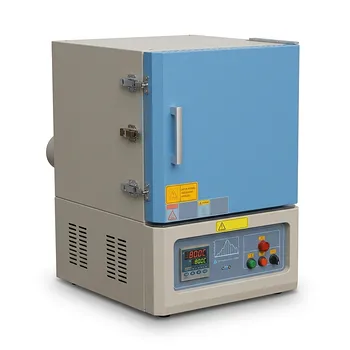
1800C Bench Top Muffle Furnace 18 Liters with Kanthal Super 1900 Heating Elements for High Purity Ceramic Sintering and Material Research
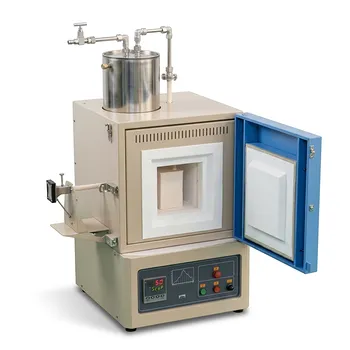
High Temperature Bench Top Muffle Furnace 1700C with Integrated Evaporating Particle Collection and 8x8x8 Alumina Fiber Chamber
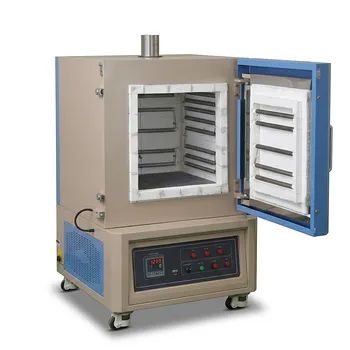
1200C High Temperature 125L Muffle Furnace 5 Side Heating for Large Batch Sintering with Optional Alloy Debinding Chamber
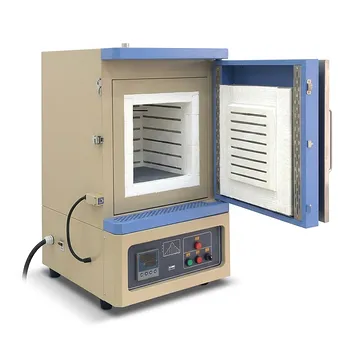
Five Side Heating Muffle Furnace High Purity Alumina Fiber 27L Chamber 1200C High Temperature Thermal Processing System for Sintering Annealing and Materials Research
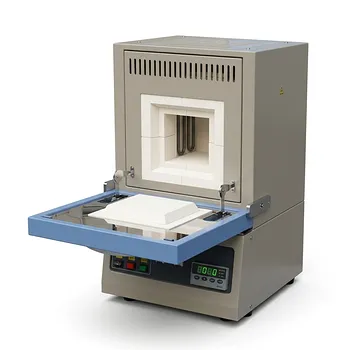
Five Sided Heating Muffle Furnace High Uniformity 1200C Lab Box Furnace 27L Alumina Fiber Chamber
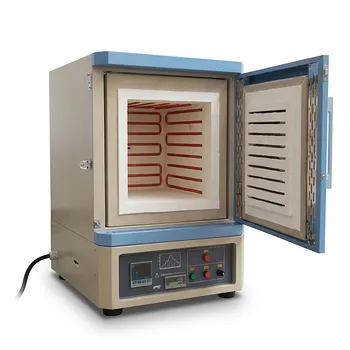
Five Side Heating Muffle Furnace 1200C High Uniformity 64L Chamber 16x16x16 Inch Industrial Heat Treatment
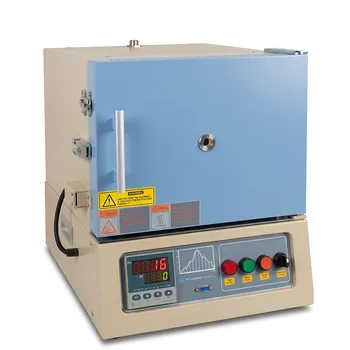
1200C Muffle Furnace 12x8x5 7.2L Heating Chamber with Quartz Observation Window and Vent Port
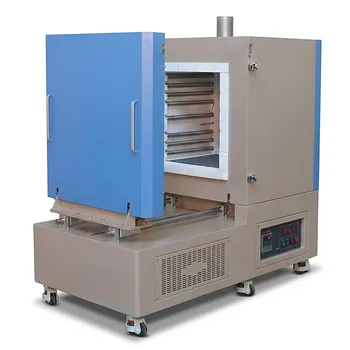
1200C Five Side Heating Muffle Furnace with Sliding Door 125L Volume High Temperature Heat Treatment System for Large Scale Sintering and Annealing
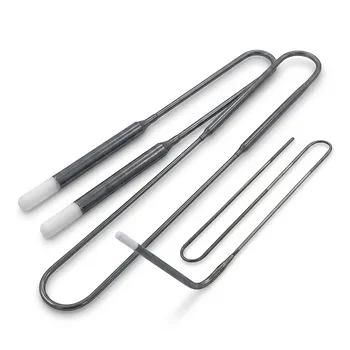
Molybdenum Disilicide MoSi2 Thermal Elements Electric Furnace Heating Element High Temperature Resistance
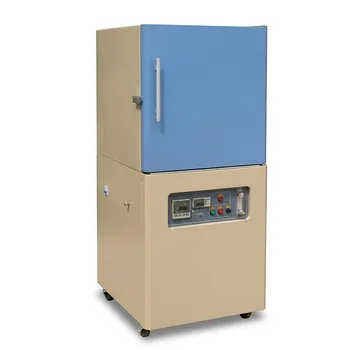
High Temperature Muffle Furnace with Dual Controllers and 36L Large Chamber 1700C Max
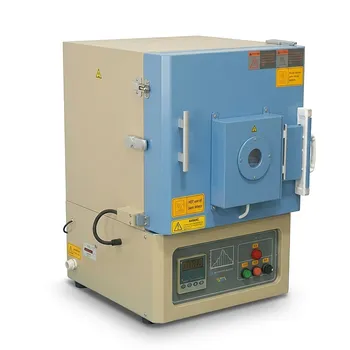
High Temperature Benchtop Muffle Furnace 1500C with 3.6L Chamber and Quartz Observation Window
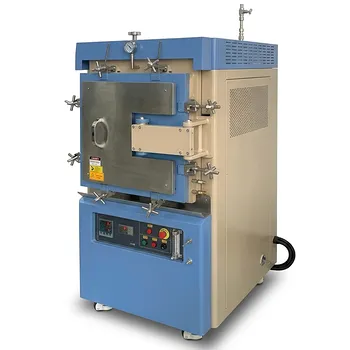
Atmosphere Controlled Muffle Furnace 1700C Maximum Temperature 80L High Capacity Vacuum Inert Gas Box Furnace
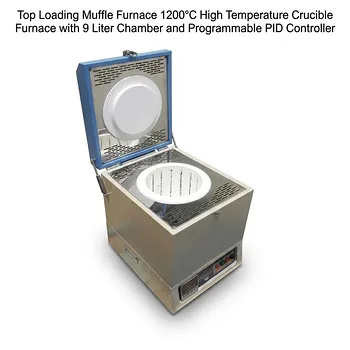
Top Loading Muffle Furnace 1200°C High Temperature Crucible Furnace with 9 Liter Chamber and Programmable PID Controller
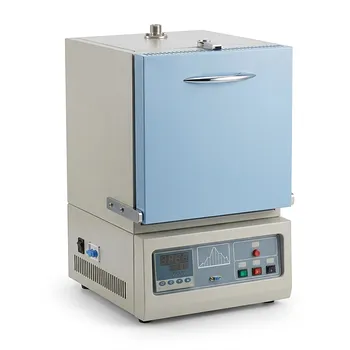
1750C Compact Muffle Furnace 1.7L Ultra High Temperature Laboratory Sintering System for Advanced Ceramics and Material Science Research
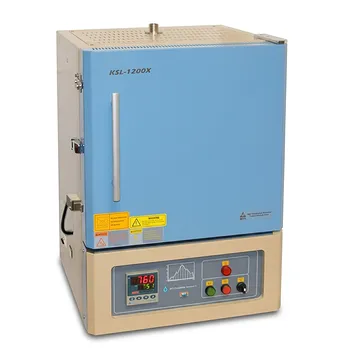
High Temperature 1200C Muffle Furnace 27L Volume 12x12x12 Chamber with Programmable PID Controller for Laboratory Material Science
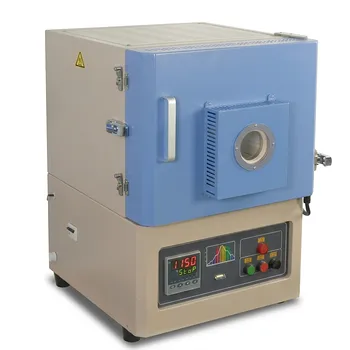
High Temperature Benchtop Muffle Furnace with Quartz Observation Window for Thermal Imaging and Material Analysis