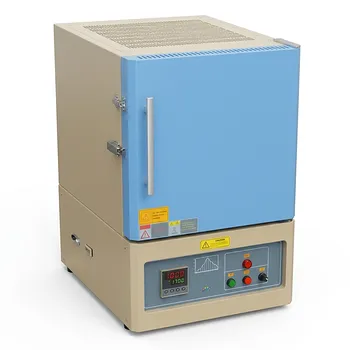
What is the function of a Muffle Furnace in coal and biomass proximate analysis? Key Insights for R&D.
Updated 6 months ago
A laboratory high-temperature muffle furnace is the primary instrument used to isolate and quantify the chemical constituents of coal and biomass through controlled thermal degradation. By providing a strictly regulated environment of temperature, residence time, and atmosphere (oxidizing or inert), the furnace enables the precise measurement of volatile matter, ash content, and the calculation of fixed carbon according to international standards like ASTM D7582-12.
The muffle furnace serves as the "thermal separator" in proximate analysis, allowing researchers to determine a fuel's energy potential and inorganic impurity levels by simulating specific stages of the combustion or gasification process.
The Mechanism of Controlled Thermal Decomposition
Precise Temperature Regulation for Specific Components
Proximate analysis relies on the fact that different components of coal and biomass react at specific temperature thresholds. The muffle furnace provides the stability required to hold samples at temperatures such as 950°C for volatile matter or 700°C for ash content without fluctuation.
Atmospheric Control and Mass Loss
The furnace allows for the manipulation of the internal atmosphere, which is critical for distinguishing between volatile release and total combustion. By using oxygen-free or oxygen-limited conditions, the furnace induces pyrolysis to drive off volatiles while leaving a solid carbon matrix behind for further analysis.
Standardized Heating Programs
Adherence to standards like ASTM or ISO is mandatory for professional laboratory work. Modern muffle furnaces offer programmable heating rates that ensure the material is not "shocked," which could lead to sample sputtering or incomplete reactions that would skew the final mass loss data.
Determining Key Technical Indicators
Quantifying Volatile Matter (VM)
Volatile matter consists of the components of coal or biomass (excluding moisture) that are released at high temperatures in the absence of oxygen. The muffle furnace enables the determination of dry ash-free volatile matter (VCdaf), a core parameter used to predict combustion stability and the effectiveness of gasification processes.
Measuring Ash Content and Inorganic Residue
Ash represents the non-combustible inorganic minerals remaining after the fuel has been completely oxidized. By subjecting samples to high-temperature calcination, the furnace ensures the thorough combustion of all organic components, leaving only the "anhydrous ash" (Ad) required to evaluate impurity levels and potential equipment fouling.
Evaluating Energy Potential and Fixed Carbon
While fixed carbon is not measured directly, it is calculated based on the data provided by the muffle furnace’s treatment of VM and ash. This information allows engineers to assess the energy density and carbonized framework of the raw material, which is essential for designing co-combustion systems.
Understanding the Trade-offs and Pitfalls
The Risk of Sample Cross-Contamination
If the furnace is not properly vented or cleaned between cycles, residual vapors from biomass pyrolysis can contaminate subsequent ash tests. This can lead to artificial weight gain in samples, resulting in inaccurate ash content percentages and flawed energy density calculations.
Atmospheric Leakage in Volatile Testing
A common pitfall is a failure to maintain a strictly anaerobic environment during volatile matter determination. If oxygen enters the crucible, a portion of the fixed carbon will burn, leading to an overestimation of volatile matter and an underestimation of the fuel’s actual carbon content.
Thermal Lag in High-Density Loads
When the furnace is overloaded with too many samples, the internal temperature may drop significantly, and recovery time increases. This deviation from the standardized residence time can result in incomplete thermal decomposition, making the data non-compliant with ASTM or ISO benchmarks.
Making the Right Choice for Your Research Goal
Depending on whether you are evaluating fuel for an industrial boiler or a small-scale gasifier, your use of the muffle furnace will vary.
- If your primary focus is Predicting Pollutant Emissions: Prioritize the precise determination of ash content and inorganic residue to understand the chemical byproduct profile after combustion.
- If your primary focus is Maximizing Gasification Efficiency: Focus on the "dry ash-free volatile matter" (VCdaf) parameters to determine how much of the fuel will convert to syngas.
- If your primary focus is Improving Fuel Handling and Storage: Utilize the furnace for torrefaction testing (approx. 290°C) to evaluate how mild pyrolysis enhances the hydrophobicity and brittleness of the biomass.
The muffle furnace remains the definitive tool for transforming raw material into the foundational data required for modern energy engineering.
Summary Table:
| Analysis Phase | Target Temperature | Atmosphere | Primary Objective |
|---|---|---|---|
| Volatile Matter | 950°C | Inert/Anaerobic | Measure gas release (VCdaf) |
| Ash Content | 700°C | Oxidizing | Quantify inorganic mineral residue |
| Fixed Carbon | Calculated | N/A | Evaluate energy density & fuel quality |
| Torrefaction | ~290°C | Controlled | Improve fuel storage & brittleness |
Optimize Your Thermal Research with THERMUNITS
Precision in thermal decomposition is critical for accurate material characterization and fuel analysis. THERMUNITS is a leading manufacturer of high-temperature laboratory equipment designed specifically for material science and industrial R&D.
We provide a comprehensive range of high-performance solutions to meet your strictest testing requirements, including:
- Muffle, Atmosphere, and Vacuum Furnaces for precise proximate analysis and calcination.
- Tube, Rotary, and Hot Press Furnaces for versatile material processing.
- CVD/PECVD Systems, Dental Furnaces, and Vacuum Induction Melting (VIM) Furnaces.
- Premium Thermal Elements and specialized heat treatment equipment.
Whether you are refining gasification efficiency or predicting pollutant emissions, our equipment ensures compliance with ASTM/ISO standards and delivers reliable data every time.
Ready to elevate your lab's capabilities? Contact our experts today to find your perfect thermal solution!
References
- Miguel Doria Oviedo, Jesús D. Rhenals-Julio. EFFECT OF BIOMASS ADDITION ON SOX, NOX, AND CO2 EMISSIONS DURING COFIRING OF PULVERIZED COAL. DOI: 10.35741/issn.0258-2724.59.4.8
Mentioned Products
- 1200°C High Temperature Muffle Furnace 19L Chamber with 50 Segment Programmable Controller
- High Temperature 1700C Bench Top Muffle Furnace with Alumina Fiber Insulation and 3.6L Chamber Capacity for Precision Sintering and Heat Treatment
- 1750C Compact Muffle Furnace 1.7L Ultra High Temperature Laboratory Sintering System for Advanced Ceramics and Material Science Research
- 1200C High Temperature Muffle Furnace with Motorized Door and Automated PC Control for Industrial Sintering and Material Processing 27 Liter
- High Temperature 1200C Muffle Furnace 27L Volume 12x12x12 Chamber with Programmable PID Controller for Laboratory Material Science
People Also Ask
- What role does a high-temperature muffle furnace play in evaluating the mineral composition of rock samples? LOI & XRF Guide
- Why is annealing in a high-temperature muffle furnace necessary for SiO2/Si substrate pretreatment before monolayer WS2 synthesis?
- What role does a high-temperature muffle furnace play in the synthesis of Melem precursors? Precision Polymerization.
- What is the purpose of using muffle or tube furnaces in glass synthesis? Achieve Precise Melt-Quenching & Homogeneity
- What is the function of a muffle furnace in aluminoborosilicate glass prep? Stabilize Raw Materials for Superior Purity

Tech Team · ThermUnits
Last updated on Apr 14, 2026
Related Products
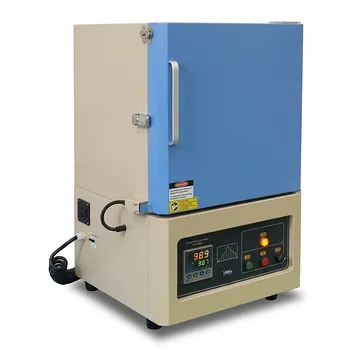
1200°C High Temperature Muffle Furnace 19L Chamber with 50 Segment Programmable Controller
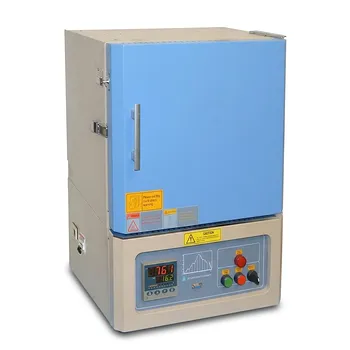
High Temperature 1700C Bench Top Muffle Furnace with Alumina Fiber Insulation and 3.6L Chamber Capacity for Precision Sintering and Heat Treatment
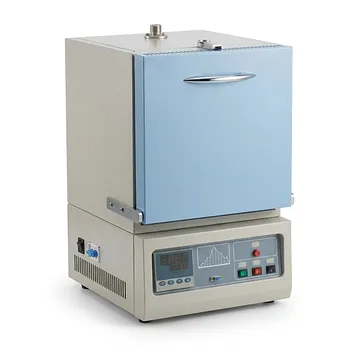
1750C Compact Muffle Furnace 1.7L Ultra High Temperature Laboratory Sintering System for Advanced Ceramics and Material Science Research
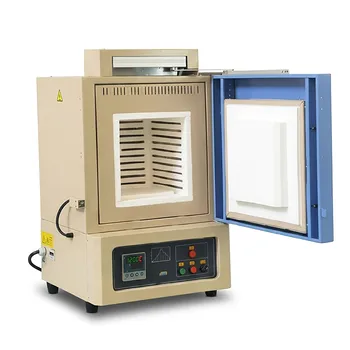
1200C High Temperature Muffle Furnace with Motorized Door and Automated PC Control for Industrial Sintering and Material Processing 27 Liter
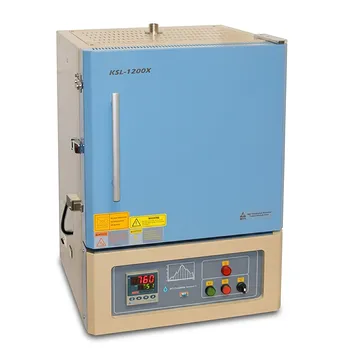
High Temperature 1200C Muffle Furnace 27L Volume 12x12x12 Chamber with Programmable PID Controller for Laboratory Material Science
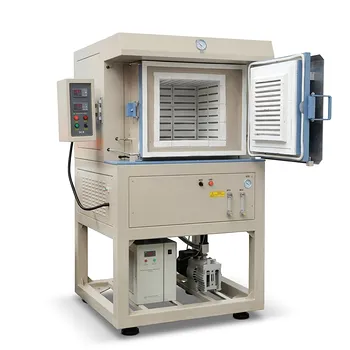
1200°C Five Side Heating Atmosphere Controlled Muffle Furnace 64 Liter High Uniformity Box Furnace for Material Synthesis
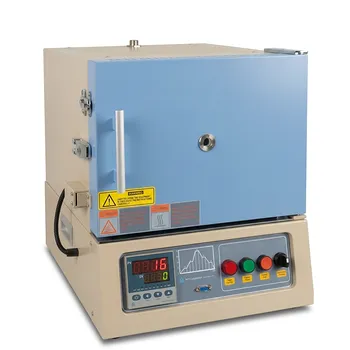
1200C Muffle Furnace 12x8x5 7.2L Heating Chamber with Quartz Observation Window and Vent Port
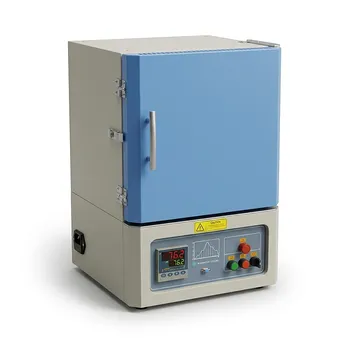
1750C Bench Top Muffle Furnace 3.6L High Grade Molybdenum Disilicide Heating Elements Laboratory Heat Treatment Equipment
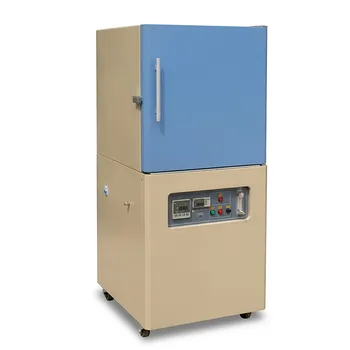
High Temperature Muffle Furnace with Dual Controllers and 36L Large Chamber 1700C Max
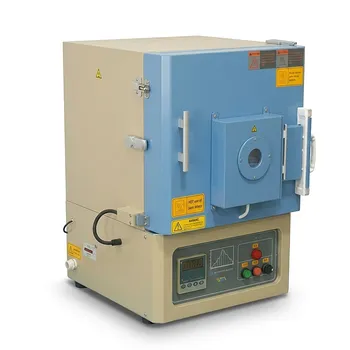
High Temperature Benchtop Muffle Furnace 1500C with 3.6L Chamber and Quartz Observation Window
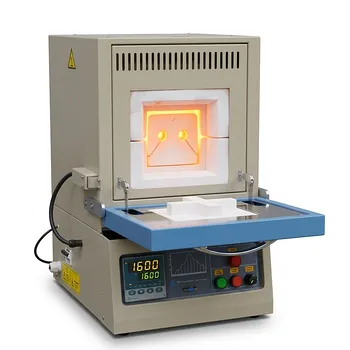
High Temperature Compact Muffle Furnace 1700 C with 30 Segment Programmable Controller and 1.7L Cubic Chamber
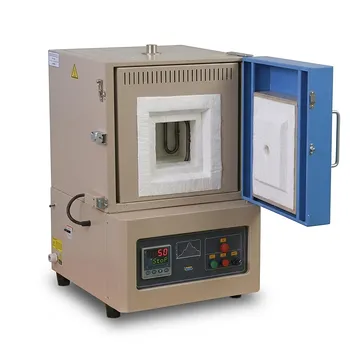
1800°C Bench Top Ultra High Temperature Muffle Furnace with Sapphire Observation Window and Top Feeding Port for Materials Research and Thermal Processing
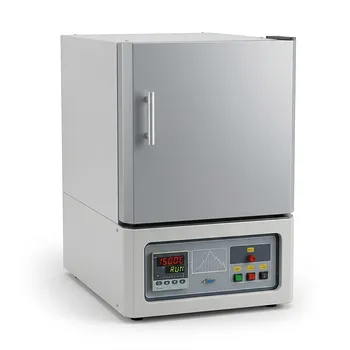
High Temperature 1500C Benchtop Muffle Furnace 3.6L Alumina Fiber Chamber Programmable Controller Sintering Annealing Carbonization Thermal Processing System
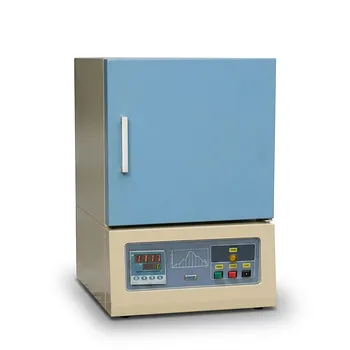
Ultra High Temperature Bench Top Muffle Furnace 1750C Sintering System with Kanthal Super Heating Elements and Precision Digital Control
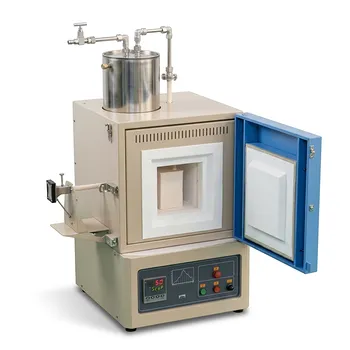
High Temperature Bench Top Muffle Furnace 1700C with Integrated Evaporating Particle Collection and 8x8x8 Alumina Fiber Chamber
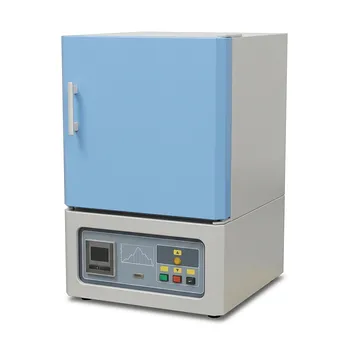
1800C Bench Top Muffle Furnace with Kanthal Super 1900 Heating Elements and 3.6L Alumina Fiber Chamber
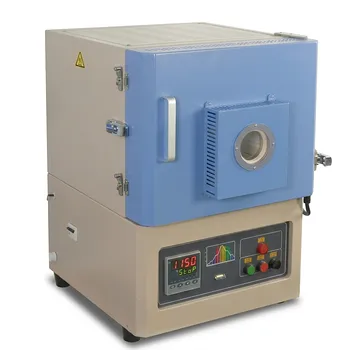
High Temperature Benchtop Muffle Furnace with Quartz Observation Window for Thermal Imaging and Material Analysis
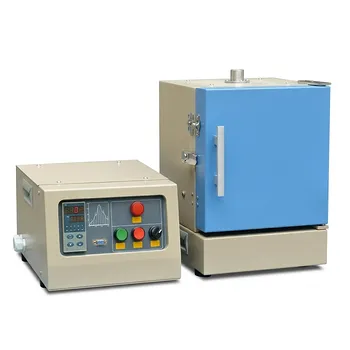
1200C Small Box Muffle Furnace with Separated Programmable Controller and 4.2L Alumina Fiber Chamber
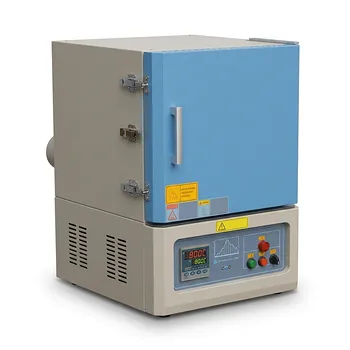
1800C Bench Top Muffle Furnace 18 Liters with Kanthal Super 1900 Heating Elements for High Purity Ceramic Sintering and Material Research