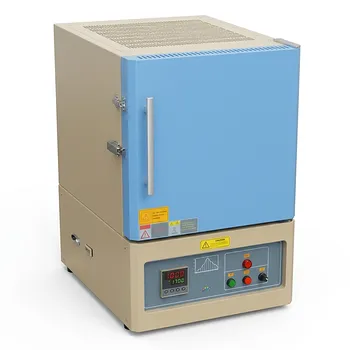
What role does a laboratory high-temperature muffle furnace play in the ash analysis phase of biomass co-firing research? [Guide]
Updated 3 months ago
The muffle furnace is the foundational tool for isolating inorganic matter from biomass fuel. In the context of co-firing research, it provides the strictly controlled, high-temperature oxidative environment required to remove all organic components, leaving behind a carbon-free ash sample. This sample is essential for determining the chemical composition and thermal behavior of the fuel, which directly informs how it will interact with coal in industrial boilers.
Core Takeaway: A laboratory high-temperature muffle furnace enables the precise extraction of inorganic ash by controlling oxidation rates and temperatures. This process is critical for predicting operational risks like slagging and fouling, which are the primary technical hurdles in biomass co-firing.
The Foundational Role of Controlled Thermal Decomposition
Complete Oxidation of Organic Matter
The primary function of the muffle furnace is to facilitate the complete oxidative decomposition of biomass raw materials. By heating samples to specific temperatures (typically between 550°C and 800°C), the furnace ensures that all carbonaceous material is volatilized and removed.
Producing Carbon-Free Ash for Analysis
The result of this process is a uniform, carbon-free ash residue that represents the true inorganic content of the fuel. Without the precise temperature control and stable heat field of a muffle furnace, residual carbon could contaminate subsequent tests, leading to inaccurate data on the fuel’s mineral properties.
Adherence to Standardized Protocols
Muffle furnaces allow researchers to follow established ASTM standards (such as ASTM D7582 or D1857). These standards define specific heating rates and holding times to ensure that results are repeatable across different laboratories and industrial applications.
Predicting Boiler Performance and Operational Risks
Chemical Characterization via XRF
Once the ash is extracted, it undergoes X-ray Fluorescence (XRF) spectroscopy to identify the concentration of silicon, aluminum, iron, and alkali metals. High concentrations of alkali metals, common in certain biomass types, are a major concern because they lower the melting point of the ash.
Evaluating Slagging and Fouling Tendencies
The inorganic data gathered from the ash is used to calculate slagging and fouling indices. These theoretical predictions help researchers understand if the biomass-coal blend will create sticky deposits on boiler tubes, which reduces heat transfer efficiency and can cause structural damage.
Determining Ash Fusion Temperatures
High-performance furnaces are used to observe ash cone deformation at temperatures reaching up to 1275°C. By identifying the Initial Deformation Temperature (IDT) and Softening Temperature (ST), engineers can develop strategies to prevent molten ash from accumulating in the furnace.
Understanding the Trade-offs and Limitations
Volatilization of Trace Elements
One significant trade-off is the potential loss of volatile inorganic elements if the furnace temperature is set too high. For example, excessive heat during the ashing phase can cause the loss of certain chlorides or sulfur components, which may skew the results of the subsequent chemical analysis.
Time-Intensive Processing
While a muffle furnace provides high accuracy, the process is inherently time-consuming, often requiring several hours of "soaking" time to ensure complete oxidation. This creates a bottleneck in high-throughput research environments where rapid fuel screening is required.
Temperature Gradient Risks
In lower-quality furnaces, temperature non-uniformity within the chamber can lead to incomplete ashing of samples located near the door or edges. Researchers must ensure their equipment maintains a stable, high-temperature field to avoid "cold spots" that leave unburnt carbon in the sample.
How to Apply This to Your Research Project
Selecting the Right Approach
To maximize the utility of your muffle furnace in biomass co-firing research, tailor your settings to your specific analytical goal:
- If your primary focus is elemental composition (XRF): Use lower ashing temperatures (approx. 550°C) to prevent the volatilization of critical inorganic minerals.
- If your primary focus is slagging and fouling behavior: Focus on identifying the Initial Deformation Temperature (IDT) by using a furnace capable of reaching at least 1250°C with controlled ramp rates.
- If your primary focus is regulatory compliance: Ensure your furnace program strictly matches the ASTM D7582-12 standards for proximate analysis of biomass and coal blends.
By precisely controlling the oxidative environment, the muffle furnace transforms raw biomass into the actionable data required to ensure the efficiency and safety of co-firing operations.
Summary Table:
| Research Phase | Muffle Furnace Function | Critical Outcome |
|---|---|---|
| Oxidation | Facilitates complete thermal decomposition of organic matter | Carbon-free ash residue for mineral analysis |
| Characterization | Precise temperature control for chemical (XRF) identification | Accurate slagging and fouling predictive indices |
| Fusion Testing | High-temp observation of ash cone deformation (up to 1275°C) | Identification of Softening Temperatures (ST) |
| Compliance | Programmable heating rates matching ASTM standards | Repeatable and standardized research data |
Optimize your biomass co-firing research with high-precision thermal solutions from THERMUNITS. As a leading manufacturer of high-temperature laboratory equipment for material science and industrial R&D, we offer a comprehensive range of thermal processing solutions—including Muffle, Vacuum, Atmosphere, Tube, Rotary, and Hot Press furnaces, CVD/PECVD systems, Dental Furnaces, and Vacuum Induction Melting (VIM) furnaces—designed to ensure standardized results and eliminate temperature gradients. Whether you are predicting operational slagging risks or conducting complex ash fusion tests, our equipment delivers the stability and accuracy your project demands. Contact our technical experts today to enhance your lab’s heat treatment capabilities!
References
- Hafizh Ghazidin, Hariana Hariana. Investigation of ash problems potential for a blend of high-sulfur coal and bamboo pellet biomass. DOI: 10.1088/1742-6596/2828/1/012038
Mentioned Products
- 1200°C High Temperature Muffle Furnace 19L Chamber with 50 Segment Programmable Controller
- High Temperature 1700C Bench Top Muffle Furnace with Alumina Fiber Insulation and 3.6L Chamber Capacity for Precision Sintering and Heat Treatment
- 1750C Compact Muffle Furnace 1.7L Ultra High Temperature Laboratory Sintering System for Advanced Ceramics and Material Science Research
- 1200C High Temperature Muffle Furnace with Motorized Door and Automated PC Control for Industrial Sintering and Material Processing 27 Liter
- High Temperature 1200C Muffle Furnace 27L Volume 12x12x12 Chamber with Programmable PID Controller for Laboratory Material Science
People Also Ask
- What role does a high-temperature muffle furnace play in evaluating the mineral composition of rock samples? LOI & XRF Guide
- What is the purpose of using muffle or tube furnaces in glass synthesis? Achieve Precise Melt-Quenching & Homogeneity
- What role does a high-temperature muffle furnace play in the synthesis of Melem precursors? Precision Polymerization.
- Why is annealing in a high-temperature muffle furnace necessary for SiO2/Si substrate pretreatment before monolayer WS2 synthesis?
- What is the function of a muffle furnace in aluminoborosilicate glass prep? Stabilize Raw Materials for Superior Purity

Tech Team · ThermUnits
Last updated on Jun 03, 2026
Related Products
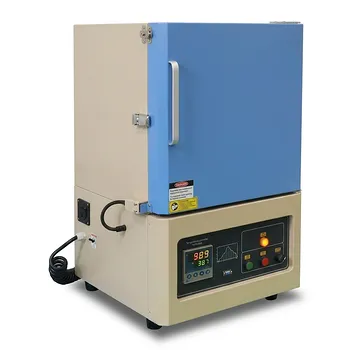
1200°C High Temperature Muffle Furnace 19L Chamber with 50 Segment Programmable Controller
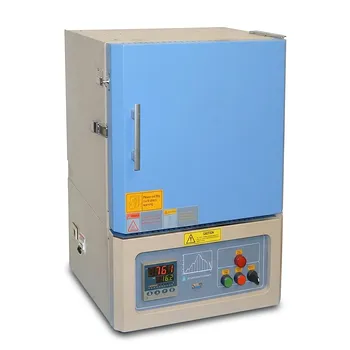
High Temperature 1700C Bench Top Muffle Furnace with Alumina Fiber Insulation and 3.6L Chamber Capacity for Precision Sintering and Heat Treatment
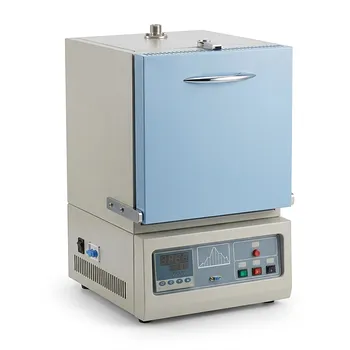
1750C Compact Muffle Furnace 1.7L Ultra High Temperature Laboratory Sintering System for Advanced Ceramics and Material Science Research
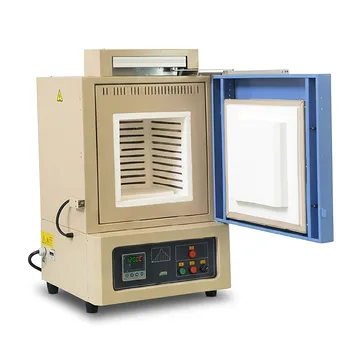
1200C High Temperature Muffle Furnace with Motorized Door and Automated PC Control for Industrial Sintering and Material Processing 27 Liter
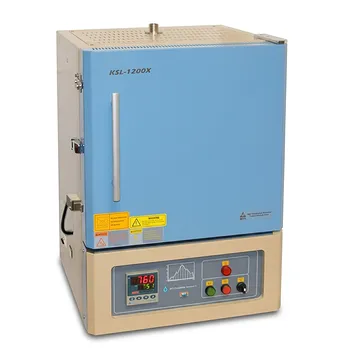
High Temperature 1200C Muffle Furnace 27L Volume 12x12x12 Chamber with Programmable PID Controller for Laboratory Material Science
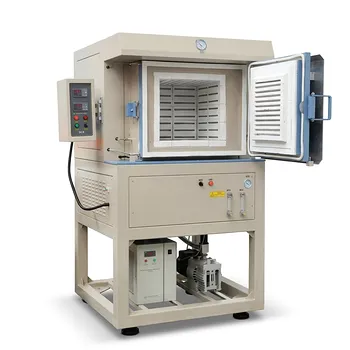
1200°C Five Side Heating Atmosphere Controlled Muffle Furnace 64 Liter High Uniformity Box Furnace for Material Synthesis
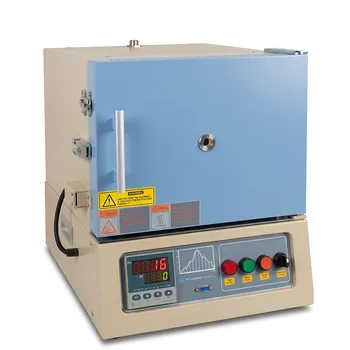
1200C Muffle Furnace 12x8x5 7.2L Heating Chamber with Quartz Observation Window and Vent Port
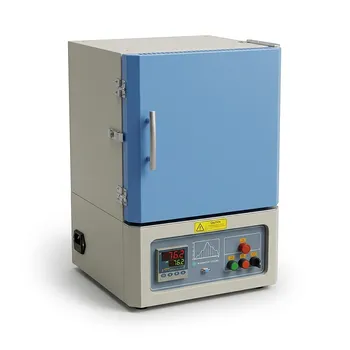
1750C Bench Top Muffle Furnace 3.6L High Grade Molybdenum Disilicide Heating Elements Laboratory Heat Treatment Equipment
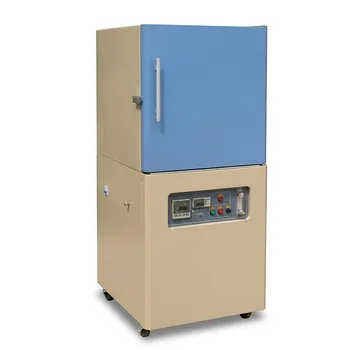
High Temperature Muffle Furnace with Dual Controllers and 36L Large Chamber 1700C Max
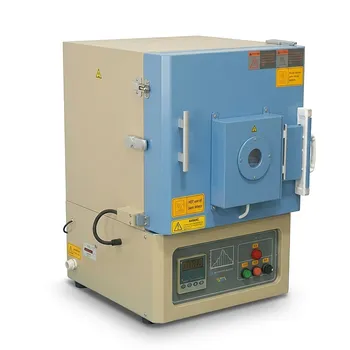
High Temperature Benchtop Muffle Furnace 1500C with 3.6L Chamber and Quartz Observation Window
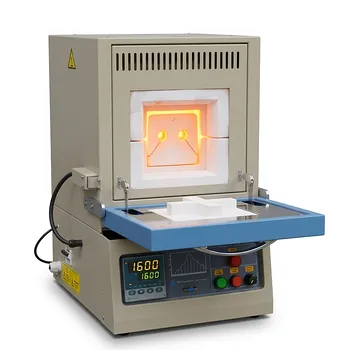
High Temperature Compact Muffle Furnace 1700 C with 30 Segment Programmable Controller and 1.7L Cubic Chamber
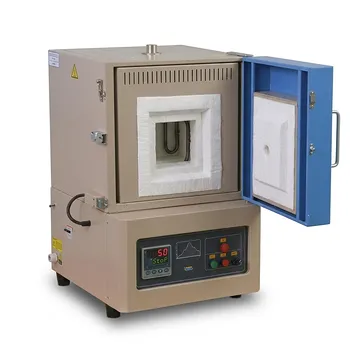
1800°C Bench Top Ultra High Temperature Muffle Furnace with Sapphire Observation Window and Top Feeding Port for Materials Research and Thermal Processing
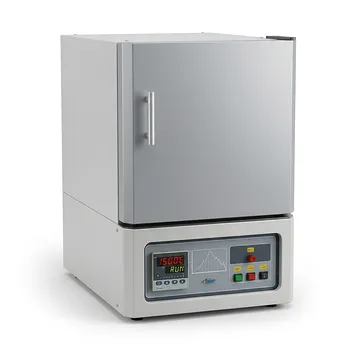
High Temperature 1500C Benchtop Muffle Furnace 3.6L Alumina Fiber Chamber Programmable Controller Sintering Annealing Carbonization Thermal Processing System
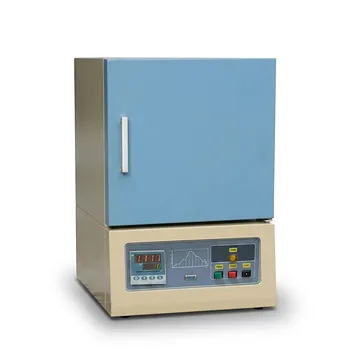
Ultra High Temperature Bench Top Muffle Furnace 1750C Sintering System with Kanthal Super Heating Elements and Precision Digital Control
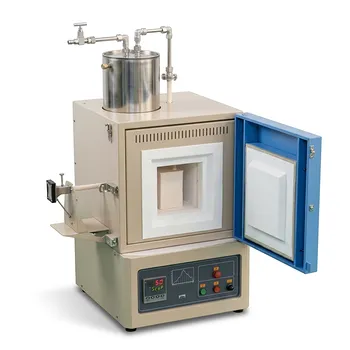
High Temperature Bench Top Muffle Furnace 1700C with Integrated Evaporating Particle Collection and 8x8x8 Alumina Fiber Chamber
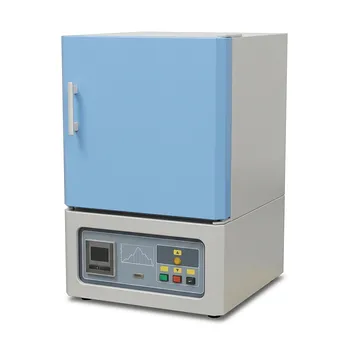
1800C Bench Top Muffle Furnace with Kanthal Super 1900 Heating Elements and 3.6L Alumina Fiber Chamber
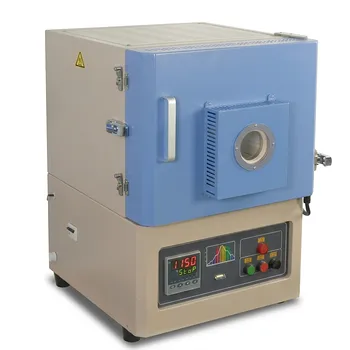
High Temperature Benchtop Muffle Furnace with Quartz Observation Window for Thermal Imaging and Material Analysis
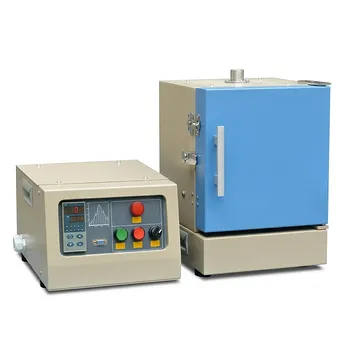
1200C Small Box Muffle Furnace with Separated Programmable Controller and 4.2L Alumina Fiber Chamber
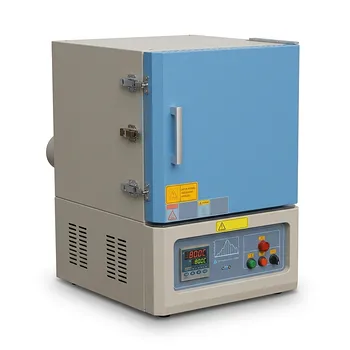
1800C Bench Top Muffle Furnace 18 Liters with Kanthal Super 1900 Heating Elements for High Purity Ceramic Sintering and Material Research