Why is high-purity argon necessary for NiAl alloy synthesis? Prevent Oxidation & Ensure Structural Integrity
Updated 3 months ago
High-purity argon is essential for NiAl synthesis primarily to prevent rapid oxidation during the intense exothermic reaction. Without this inert shield, the aluminum reacts instantly with oxygen, creating brittle oxides that destroy the alloy's structural integrity and degrade its functional performance.
Core Takeaway: A high-purity argon atmosphere provides a critical oxygen-free environment that preserves the chemical stoichiometry and mechanical strength of porous NiAl alloys by neutralizing the extreme oxidation risks posed by high reaction temperatures.
Managing Thermal and Chemical Reactivity
The Impact of Strongly Exothermic Reactions
The synthesis of Nickel-Aluminum (NiAl) alloys is characterized by a strongly exothermic reaction that generates high instantaneous temperatures. In an ambient environment, these spikes in heat would catalyze immediate and violent reactions with atmospheric gases.
Neutralizing Aluminum’s Chemical Activity
Aluminum is highly chemically active at elevated temperatures and naturally tends to form oxide films. An argon atmosphere completely isolates the aluminum matrix from oxygen, preventing the degradation of both the matrix and any internal reinforcements during high-temperature processing.
Maintaining Chemical Stoichiometry
Using high-purity argon ensures that the designed chemical stoichiometry is preserved. This prevents the "oxidative loss" of high-activity elements, ensuring the final material aligns with the intended theoretical phase structure and entropy.
Protecting the Structural Integrity of the Porous Framework
Eliminating Brittle Oxide Impurities
The presence of even trace amounts of oxygen during synthesis leads to the formation of brittle oxide impurities. These impurities act as stress concentrators within the alloy, significantly reducing the overall structural strength and mechanical integrity of the material.
Preservation of the Porous Architecture
Porous alloys rely on a specific, interconnected framework to maintain their functional performance. Rapid oxidation during synthesis can erode these delicate structures, leading to a collapse of the porous framework or a loss of essential surface area.
Ensuring Electrical and Functional Performance
For porous alloys used in technical applications, such as catalysis or electronics, chemical purity is paramount. The inert environment ensures that metal precursors do not undergo unnecessary oxidation, which preserves the electrical conductivity and specific coordination structures of the alloy.
Understanding the Trade-offs and Pitfalls
The Necessity of "High Purity"
Standard-grade argon may contain trace amounts of moisture or oxygen that are sufficient to compromise the alloy at 1600°C. Using anything less than high-purity argon risks subsurface oxidation, which is difficult to detect but ruins the alloy's long-term durability.
Gas Entrapment Risks
While argon is necessary for protection, it can sometimes become trapped within the pores of the alloy during rapid solidification. This can lead to internal porosity issues or "argon bloating" if the material is reheated, requiring careful control of gas pressure and cooling rates.
Cost vs. Material Quality
High-purity argon increases the operational cost of synthesis compared to nitrogen or vacuum environments. However, nitrogen is often unsuitable as it can react with aluminum to form nitrides, making argon the only viable choice for maintaining a truly inert state.
How to Apply This to Your Synthesis Process
Implementing Effective Atmosphere Control
To ensure the highest quality NiAl alloy, your atmospheric control strategy should be tailored to your specific equipment and goals.
- If your primary focus is Maximum Structural Strength: Prioritize an ultra-high purity argon purge (99.999%+) to eliminate brittle oxide inclusions at the grain boundaries.
- If your primary focus is Porous Architecture Precision: Ensure the argon flow rate is stabilized to displace oxygen without creating turbulence that could disrupt the forming pore structure.
- If your primary focus is Electrocatalytic Performance: Use argon during both the loading and the sintering phases to prevent any moisture from altering the low-valence metal sites.
Achieving a superior porous NiAl alloy depends entirely on maintaining a rigorous, oxygen-free environment to shield the material from its own reactive nature.
Summary Table:
| Key Reason | Impact on Porous NiAl Synthesis |
|---|---|
| Oxidation Prevention | Shields chemically active Aluminum from forming brittle oxide impurities. |
| Exothermic Control | Manages intense heat spikes to prevent violent atmospheric reactions. |
| Stoichiometry | Preserves designed chemical ratios by preventing oxidative element loss. |
| Framework Protection | Maintains the structural integrity and surface area of the porous architecture. |
| Functional Purity | Ensures high electrical conductivity and prevents nitride formation. |
Elevate Your Material Research with THERMUNITS Precision Furnaces
Achieving perfect stoichiometry in porous alloys requires more than just gas—it requires a high-performance thermal environment. THERMUNITS is a leading manufacturer of high-temperature laboratory equipment for material science and industrial R&D. We provide the advanced Atmosphere, Vacuum, and CVD/PECVD furnaces necessary to maintain rigorous inert environments for reactive materials like NiAl alloys.
Our comprehensive range of thermal solutions includes:
- Laboratory Furnaces: Muffle, Tube, and Rotary systems.
- Advanced Processing: Hot Press furnaces, Vacuum Induction Melting (VIM), and Dental Furnaces.
- Components: High-quality Thermal Elements and heat treatment accessories.
Don't let oxidation compromise your structural integrity. Contact THERMUNITS today to find the ideal furnace solution for your specialized synthesis needs!
References
- Gülizar Sarıyer, H. Erdem Çamurlu. Effect of Cold Compaction Pressure on Porous NiAl Articles Produced by Using Space Holder Urea via VCS. DOI: 10.55546/jmm.1460140
Mentioned Products
- High Temperature Induction Melting System with Integrated Ultra High Purity Glove Box for Metallic Alloy Processing
- Atmosphere Controlled Directional Solidification Induction Melting and Continuous Casting System for Non Ferrous Metal Alloys
- 600°C Vertical Crucible Furnace with SS316 Alloy Reactor and 6 Port Vacuum Flange
- High Pressure Induction Melting Casting System 1700C Max for Alloy Granulation and Infiltration Equipment
- High Vacuum Melting Casting Furnace with Mechanical Stirring and Secondary Charge for Metallic Alloy Research
People Also Ask
- What are the key structural components that make up a Vacuum Induction Melting (VIM) furnace system? Full Guide
- How does the skin effect influence VIM frequency selection? Optimize Heat Penetration & Stirring Efficiency
- What technical advantages does Vacuum Induction Melting offer regarding alloy homogeneity and purity? Enhance Performance
- Why is a VIM furnace utilized for high-performance metals? Achieve Superior Material Purity and Integrity
- Explain the physical principle behind heat generation in a Vacuum Induction Melting (VIM) furnace: A Technical Guide

Tech Team · ThermUnits
Last updated on Jun 02, 2026
Related Products
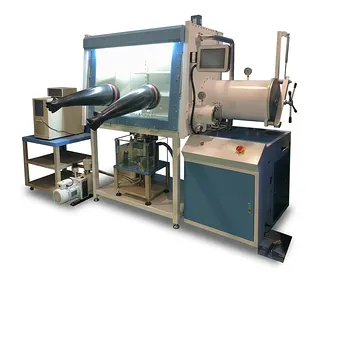
High Temperature Induction Melting System with Integrated Ultra High Purity Glove Box for Metallic Alloy Processing
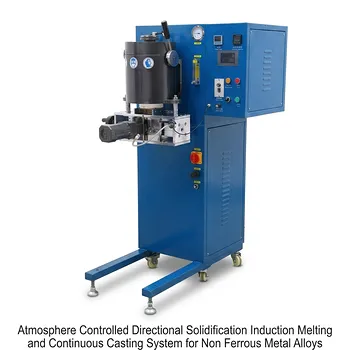
Atmosphere Controlled Directional Solidification Induction Melting and Continuous Casting System for Non Ferrous Metal Alloys
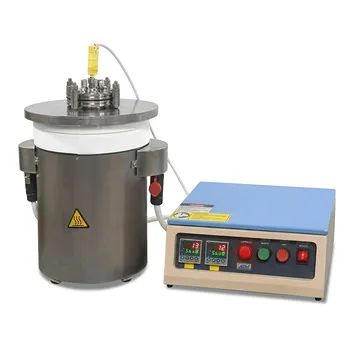
600°C Vertical Crucible Furnace with SS316 Alloy Reactor and 6 Port Vacuum Flange
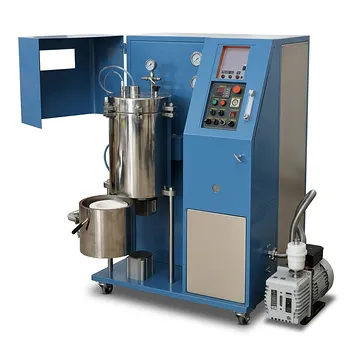
High Pressure Induction Melting Casting System 1700C Max for Alloy Granulation and Infiltration Equipment
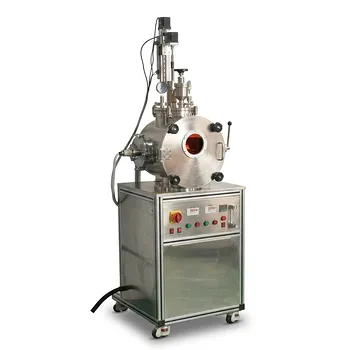
High Vacuum Melting Casting Furnace with Mechanical Stirring and Secondary Charge for Metallic Alloy Research
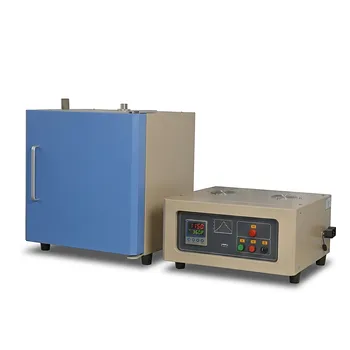
High Temperature Muffle Furnace with Alloy Chamber for Debinding and Sintering Applications