Explain the physical principle behind heat generation in a Vacuum Induction Melting (VIM) furnace: A Technical Guide
Updated 5 months ago
The fundamental principle of heat generation in a Vacuum Induction Melting (VIM) furnace is electromagnetic induction. This process converts electrical energy into thermal energy directly within the metal charge, utilizing the same physics that power high-efficiency industrial heating. By eliminating the need for external heat sources or physical contact with heating elements, VIM achieves levels of purity and temperature control that are impossible with traditional melting methods.
Core Takeaway: VIM technology uses Faraday’s Law of Induction to create "eddy currents" within a conductive metal, generating heat through internal electrical resistance while maintaining a pristine vacuum environment.
The Mechanics of Electromagnetic Induction
Faraday’s Law and the Induction Coil
The process begins with an induction coil, typically made of water-cooled copper, which surrounds a refractory crucible. A medium-frequency alternating current (AC)—usually between 500 and 3000 Hz—is passed through this coil.
This flow of electricity generates a rapidly alternating magnetic field that radiates inward toward the center of the crucible. Because the magnetic field is constantly changing direction, it satisfies the conditions for electromagnetic induction.
The Induction of Eddy Currents
When the magnetic field penetrates the conductive metal charge inside the crucible, it induces internal loops of electrical current known as eddy currents. According to Lenz’s Law, these induced currents flow in a direction that opposes the change in the magnetic field that created them.
Unlike a standard heating element that transfers heat via radiation or convection, these currents exist inside the metal itself. This creates a direct conversion of electromagnetic energy into kinetic energy at the atomic level.
The Joule Effect and Volumetric Heating
As these eddy currents navigate the internal structure of the metal, they encounter electrical resistance. This resistance results in the Joule effect, also known as $I^2R$ heating, where the energy of the moving electrons is converted into heat.
Because the heat is generated volumetrically within the charge, the furnace does not rely on external thermal transfer. This makes the system highly efficient, allowing for rapid melting while the surrounding equipment remains relatively cool.
Enhancing Material Purity and Consistency
The Role of the Vacuum Environment
Traditional furnaces often transfer heat through radiation or convection, which requires an atmosphere to be present. In VIM, the vacuum does not facilitate heating; instead, it provides a controlled environment for refining the melt.
The vacuum allows for the removal of dissolved gases (like oxygen, nitrogen, and hydrogen) and prevents the oxidation of sensitive alloying elements. This environment is critical for producing the high-purity superalloys used in aerospace and nuclear applications.
Electromagnetic Stirring
A secondary effect of the induction process is the physical movement of the molten metal. The interaction between the magnetic field and the induced currents creates Lorentz forces, which cause the liquid metal to circulate.
This electromagnetic stirring ensures a completely homogenous temperature and chemical composition throughout the melt. It also brings impurities to the surface, making it easier for the vacuum to extract them.
Understanding the Trade-offs
The Challenge of Frequency Selection
The frequency of the AC current determines the "skin depth" or how deep the eddy currents penetrate the metal. Lower frequencies penetrate deeper and provide stronger stirring, while higher frequencies are better for smaller pieces but may result in uneven heating if not managed.
Refractory and Thermal Shock
While the induction process is contactless, the refractory lining of the crucible must still withstand extreme temperatures. Operators must apply power gradually during the initial stages of a melt cycle to prevent thermal shock, which can crack the lining and contaminate the metal.
Material Conductivity Requirements
Induction heating requires the material being melted to be electrically conductive. While this is ideal for metals and alloys, non-conductive materials cannot be heated directly by induction; they would require a conductive "susceptor" to bridge the energy gap.
Making the Right Choice for Your Goal
To apply these principles effectively, consider your specific production requirements:
- If your primary focus is High-Purity Alloys: Utilize the vacuum environment and electromagnetic stirring to maximize the extraction of dissolved gases and impurities.
- If your primary focus is Rapid Production: Optimize your AC frequency to match the size of your metal charge, ensuring the most efficient volumetric heating possible.
- If your primary focus is Equipment Longevity: Implement a gradual power-up sequence during the melting stage to minimize thermal stress on the crucible’s refractory lining.
By mastering the interaction between magnetic fields and electrical resistance, VIM provides a precise, efficient, and exceptionally clean path to metallurgical excellence.
Summary Table:
| Stage | Physical Principle | Functional Result |
|---|---|---|
| Energy Source | Alternating Magnetic Field | Rapid energy transfer via copper induction coils |
| Heat Generation | Eddy Currents (Joule Effect) | Precise, volumetric heating directly within the metal |
| Refining | Vacuum Environment | Removal of dissolved gases (O, N, H) and oxidation prevention |
| Consistency | Lorentz Forces | Electromagnetic stirring for chemical & thermal homogeneity |
Elevate Your Material Research with THERMUNITS
Are you looking to achieve ultimate purity in your metallurgical processes? THERMUNITS is a leading manufacturer of high-temperature laboratory equipment for material science and industrial R&D. We specialize in providing advanced thermal processing solutions, including our high-performance Vacuum Induction Melting (VIM) furnaces, designed for the most demanding aerospace and nuclear applications.
Beyond VIM technology, our comprehensive range includes:
- Furnaces: Muffle, Vacuum, Atmosphere, Tube, Rotary, and Hot Press.
- Advanced Systems: CVD/PECVD systems, Dental Furnaces, and Electric Rotary Kilns.
- Specialty Equipment: Thermal Elements and laboratory heat treatment tools.
Ready to optimize your lab’s efficiency? Contact us today to consult with our experts and find the perfect heating solution tailored to your specific research goals.
Mentioned Products
- 1900C Maximum High Temperature 7KW Vacuum Induction Melting System with 60mm Quartz Tube and Manual Temperature Control for Metallic Alloy Research
- Induction Melting Casting Furnace 1750C Vacuum High Frequency Metal Processing Unit
- High Temperature Induction Melting System with Integrated Ultra High Purity Glove Box for Metallic Alloy Processing
- Atmosphere Controlled Induction Melting Granulating Casting Furnace 1500C 5kg Capacity
- Atmosphere Controlled Induction Melting Casting System 1600C 10L Capacity
People Also Ask
- What is the primary role of a Vacuum Induction Melting furnace in the smelting of Fe-Cr-N alloys? Ensuring High Purity
- How does a Vacuum Induction Melting furnace heat materials while preventing atmospheric contamination? Achieve High Purity
- What are the key structural components that make up a Vacuum Induction Melting (VIM) furnace system? Full Guide
- How does the skin effect influence VIM frequency selection? Optimize Heat Penetration & Stirring Efficiency
- What technical advantages does Vacuum Induction Melting offer regarding alloy homogeneity and purity? Enhance Performance

Tech Team · ThermUnits
Last updated on Apr 14, 2026
Related Products
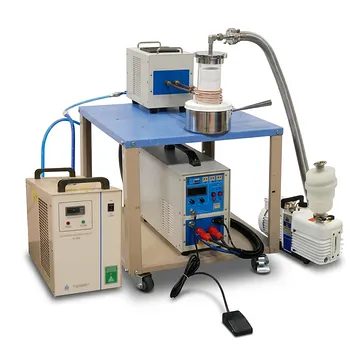
1900C Maximum High Temperature 7KW Vacuum Induction Melting System with 60mm Quartz Tube and Manual Temperature Control for Metallic Alloy Research
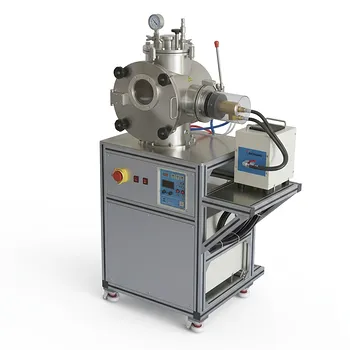
Induction Melting Casting Furnace 1750C Vacuum High Frequency Metal Processing Unit
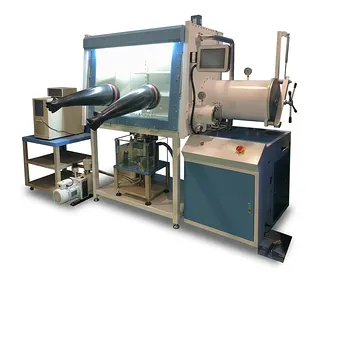
High Temperature Induction Melting System with Integrated Ultra High Purity Glove Box for Metallic Alloy Processing
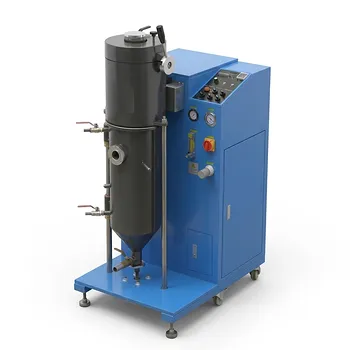
Atmosphere Controlled Induction Melting Granulating Casting Furnace 1500C 5kg Capacity
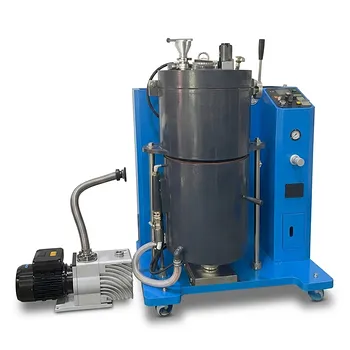
Atmosphere Controlled Induction Melting Casting System 1600C 10L Capacity
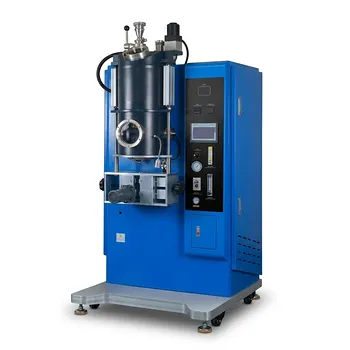
Atmosphere Controlled Continuous Casting Furnace with Secondary Charge Function for Induction Melting and Metal Alloy Wire Production
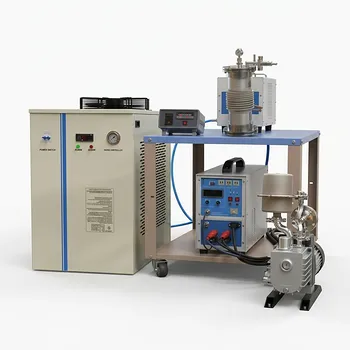
Induction Heating System with Temperature Control for High Temperature Vacuum Sintering and Melting
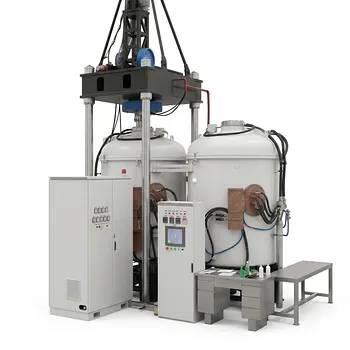
High Pressure 600T Vacuum Induction Hot Press Furnace for Advanced Material Heat Treatment and Sintering
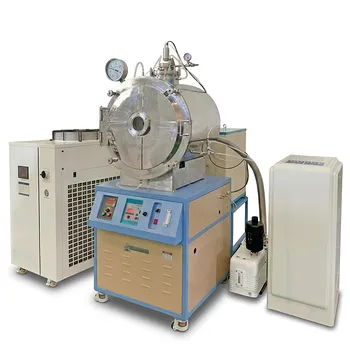
Ultra High Temperature Induction Heated Vacuum Furnace with Molten Salt Electrolysis Capability and 3000 Degree Precision Control
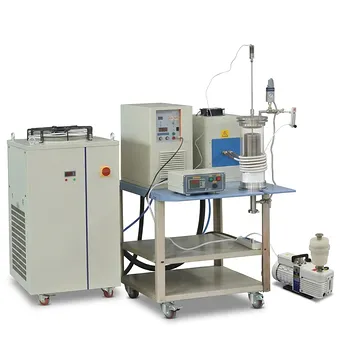
High Temperature Induction Melting System with Multi Cavity Crucible and 15KW Precision Digital Temperature Control
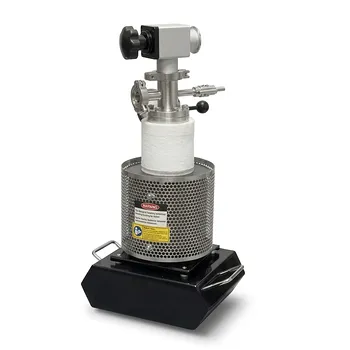
High Temperature 1100C Compact Top Loading Vertical Vacuum Tube Furnace for High Vacuum Noble Metal Melting and Material Research
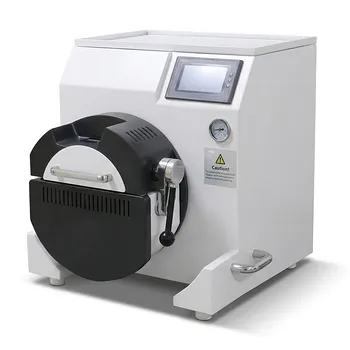
Desktop Induction Melting Furnace with Automatic Rotary Casting Function up to 1700C for Advanced Metal Alloy Research
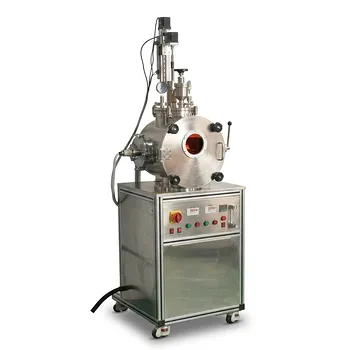
High Vacuum Melting Casting Furnace with Mechanical Stirring and Secondary Charge for Metallic Alloy Research
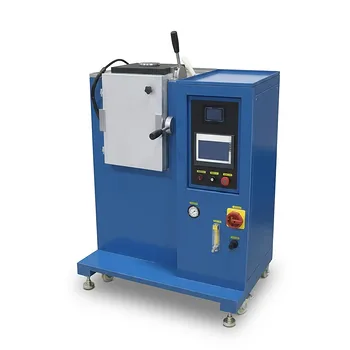
High Throughput Induction Melting and Casting Furnace for Superalloy Research 1700C Atmosphere Controlled Multi Sample System
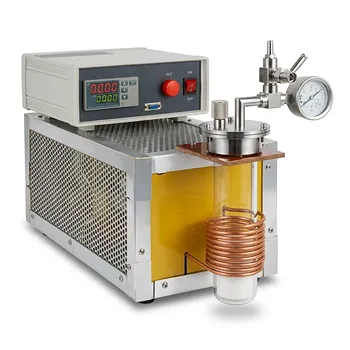
High Temperature Mini Induction Heating Furnace 1600C Laboratory Material Melting System
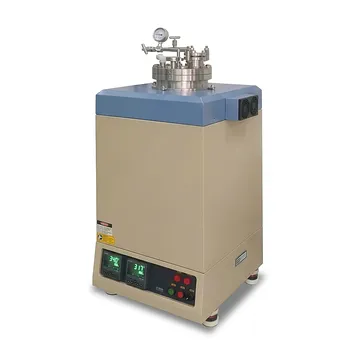
High Temperature 1000C Vacuum Furnace with 8 Inch ID Chamber for Material Sintering and Research Annealing
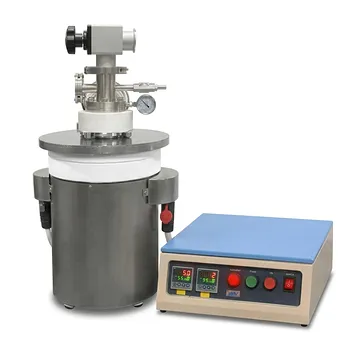
1100C High Temperature Vacuum Crucible Furnace with Quartz Chamber for Thermal Processing and Sintering
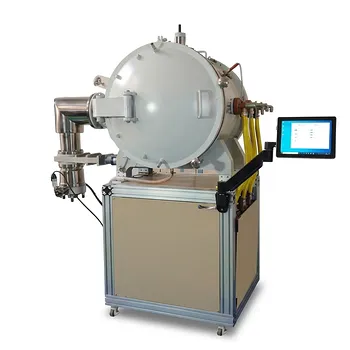
High Temperature Cold Wall Vacuum Furnace for Advanced Material Sintering and Annealing 1600C Heating Area 200x200x300mm
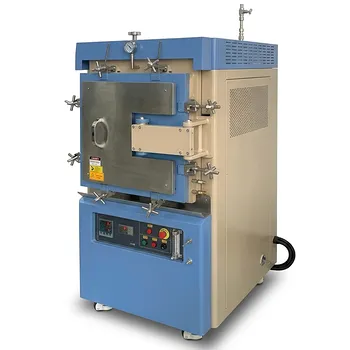
Atmosphere Controlled Muffle Furnace 1700C Maximum Temperature 80L High Capacity Vacuum Inert Gas Box Furnace
