What are the key structural components that make up a Vacuum Induction Melting (VIM) furnace system? Full Guide
Updated 5 months ago
The structural integrity and operational efficiency of a Vacuum Induction Melting (VIM) furnace rely on a sophisticated integration of thermal, vacuum, and electrical systems. At its core, a VIM system consists of a steel vacuum chamber housing a coreless induction unit, a water-cooled copper induction coil, and a refractory-lined crucible. These components work in tandem with multi-stage vacuum pumps, high-frequency power supplies, and specialized material handling systems to melt and refine high-purity alloys.
Core Takeaway: A VIM furnace is not merely a melting tool but a comprehensive chemical reactor. It uses a controlled vacuum environment and electromagnetic stirring to eliminate atmospheric contamination and achieve precise metallurgical compositions.
The Melting Core and Containment
The Vacuum Chamber
The vacuum chamber serves as the primary pressure vessel, typically constructed from high-strength steel. It is designed to maintain an airtight seal, providing the controlled environment necessary to prevent oxidation and nitrogen absorption during the melting process.
The Induction Coil and Crucible
Inside the chamber, a water-cooled copper induction coil surrounds a refractory-lined crucible. The crucible is typically composed of high-stability materials like magnesia or zirconia to withstand extreme temperatures while remaining chemically inert to the molten metal.
Electromagnetic Induction Stirring
The induction coil does more than heat the metal; it generates an electromagnetic field that creates intense stirring within the melt. This induction stirring is critical for eliminating temperature gradients and ensuring that alloying elements are distributed uniformly throughout the molten bath.
Vacuum Systems and Atmosphere Control
The Multi-Stage Pumping Train
To achieve the deep vacuum required for high-purity alloys, the system utilizes a multi-stage vacuum pumping setup. This typically includes roughing pumps for initial evacuation, Roots blowers for intermediate pressure, and diffusion or vapor-booster pumps to reach high-vacuum levels.
Removal of Volatile Impurities
The vacuum environment is essential for the evaporation of impurities such as copper and tin. By reducing the ambient pressure, the system accelerates the mass transfer of dissolved gases—including oxygen, nitrogen, and hydrogen—from the melt surface into the vacuum stream.
Power Delivery and Automation
Medium-Frequency Power Supply
Modern VIM systems utilize an IGBT-based medium-frequency power supply. This technology allows for precise control over the heating rate, which is vital for protecting the refractory lining from thermal shock during the initial stages of a heat cycle.
Integrated Control Systems
Sophisticated PLC (Programmable Logic Controller) or SCADA (Supervisory Control and Data Acquisition) systems monitor every aspect of the melt. These systems track temperature, vacuum levels, and power consumption to ensure repeatability and strictly adhere to metallurgical specifications.
Operational Infrastructure for Casting
Specialized Charging Systems
To maintain the vacuum, VIM furnaces use specialized charging systems that allow operators to add raw materials or alloying elements without exposing the chamber to the atmosphere. This is often achieved through vacuum locks or isolated hoppers.
Pouring and Mold Handling
The final stage involves a pouring system that includes a preheated refractory tundish. This mechanism allows the molten metal to be transferred into a mold-handling system while remaining under vacuum, ensuring the final ingot or casting is free of atmospheric inclusions.
Understanding the Trade-offs
Refractory Interaction vs. Purity
While the crucible protects the coil, refractory materials can slowly erode or react with the melt at high temperatures. Selecting the wrong refractory for a specific alloy can lead to non-metallic inclusions, negating the benefits of the vacuum environment.
Stirring Power vs. Surface Disturbance
High induction stirring is beneficial for compositional uniformity, but excessive power can cause surface turbulence. If the melt surface is disrupted too violently, it can lead to increased refractory wear or entrapment of slag particles.
Applying VIM Technology to Your Project
Making the Right Choice for Your Goal
- If your primary focus is gas removal and high purity: Prioritize a system with a multi-stage diffusion pumping train to reach the lowest possible vacuum levels.
- If your primary focus is complex alloy composition (e.g., superalloys): Ensure the system features advanced PLC controls and electromagnetic stirring to manage late-stage alloying additions precisely.
- If your primary focus is high-throughput production: Invest in semi-continuous systems with dedicated vacuum locks for charging and mold removal to minimize cycle times.
By integrating precise electromagnetic heating with a deep vacuum environment, VIM technology provides the control necessary to produce the world's most demanding metallic materials.
Summary Table:
| Component | Primary Function | Key Benefit |
|---|---|---|
| Vacuum Chamber | Pressure vessel for airtight seal | Prevents oxidation and atmospheric contamination |
| Induction Coil | Generates electromagnetic field | Provides precise heating and active melt stirring |
| Crucible | High-temperature containment | Chemical inertness ensures alloy purity |
| Vacuum Pump Train | Multi-stage gas evacuation | Removes dissolved gases (O, N, H) and impurities |
| Power Supply | Medium-frequency energy delivery | Protects refractories and controls heating rates |
| Charging System | Material addition under vacuum | Maintains environment integrity during alloying |
Elevate Your Metallurgical Research with THERMUNITS
Are you looking to achieve unmatched purity and precision in your alloy development? THERMUNITS is a leading manufacturer of high-temperature laboratory equipment, providing advanced thermal processing solutions for material science and industrial R&D. Our Vacuum Induction Melting (VIM) furnaces are engineered for superior metallurgical control and operational efficiency.
In addition to VIM systems, our comprehensive product range includes:
- Muffle, Vacuum, Atmosphere, Tube, and Rotary Furnaces
- Hot Press Furnaces & CVD/PECVD Systems
- Dental Furnaces & Electric Rotary Kilns
- High-Quality Thermal Elements
Whether you are refining superalloys or conducting complex heat treatments, THERMUNITS delivers the reliability and technical expertise you need. Contact our expert team today to discuss your project requirements and discover how our equipment can enhance your lab's capabilities!
Mentioned Products
- 1900C Maximum High Temperature 7KW Vacuum Induction Melting System with 60mm Quartz Tube and Manual Temperature Control for Metallic Alloy Research
- Induction Melting Casting Furnace 1750C Vacuum High Frequency Metal Processing Unit
- High Temperature Induction Melting System with Integrated Ultra High Purity Glove Box for Metallic Alloy Processing
- Atmosphere Controlled Induction Melting Granulating Casting Furnace 1500C 5kg Capacity
- Atmosphere Controlled Induction Melting Casting System 1600C 10L Capacity
People Also Ask
- What is the primary role of a Vacuum Induction Melting furnace in the smelting of Fe-Cr-N alloys? Ensuring High Purity
- How does a Vacuum Induction Melting furnace heat materials while preventing atmospheric contamination? Achieve High Purity
- How does the skin effect influence VIM frequency selection? Optimize Heat Penetration & Stirring Efficiency
- What technical advantages does Vacuum Induction Melting offer regarding alloy homogeneity and purity? Enhance Performance
- Explain the physical principle behind heat generation in a Vacuum Induction Melting (VIM) furnace: A Technical Guide

Tech Team · ThermUnits
Last updated on Apr 14, 2026
Related Products
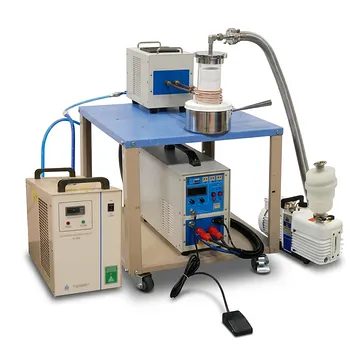
1900C Maximum High Temperature 7KW Vacuum Induction Melting System with 60mm Quartz Tube and Manual Temperature Control for Metallic Alloy Research
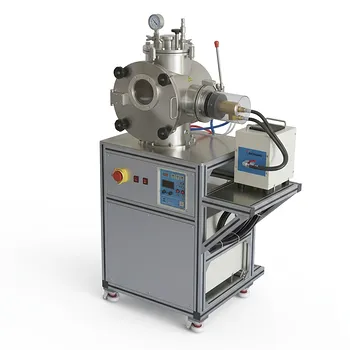
Induction Melting Casting Furnace 1750C Vacuum High Frequency Metal Processing Unit
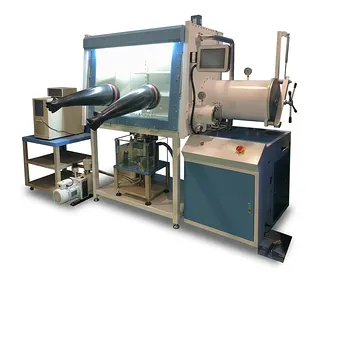
High Temperature Induction Melting System with Integrated Ultra High Purity Glove Box for Metallic Alloy Processing
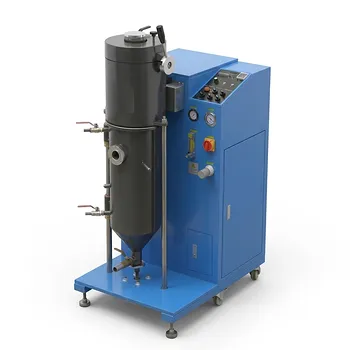
Atmosphere Controlled Induction Melting Granulating Casting Furnace 1500C 5kg Capacity
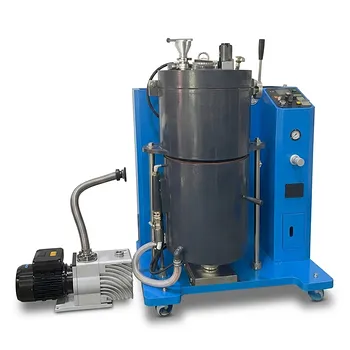
Atmosphere Controlled Induction Melting Casting System 1600C 10L Capacity
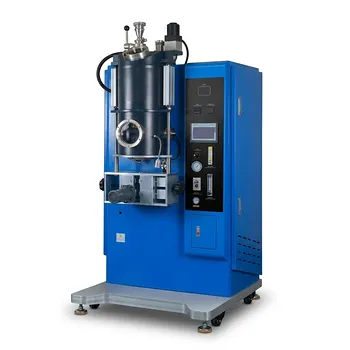
Atmosphere Controlled Continuous Casting Furnace with Secondary Charge Function for Induction Melting and Metal Alloy Wire Production
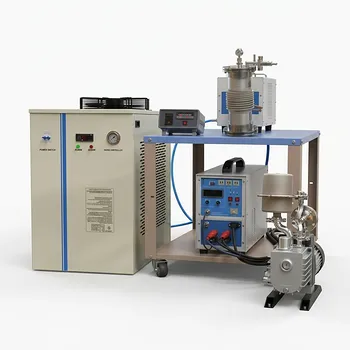
Induction Heating System with Temperature Control for High Temperature Vacuum Sintering and Melting
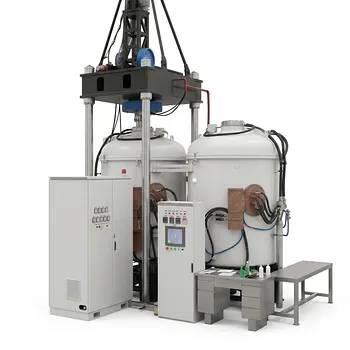
High Pressure 600T Vacuum Induction Hot Press Furnace for Advanced Material Heat Treatment and Sintering
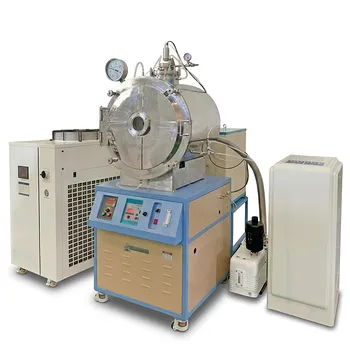
Ultra High Temperature Induction Heated Vacuum Furnace with Molten Salt Electrolysis Capability and 3000 Degree Precision Control
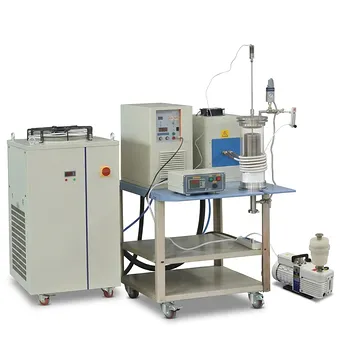
High Temperature Induction Melting System with Multi Cavity Crucible and 15KW Precision Digital Temperature Control
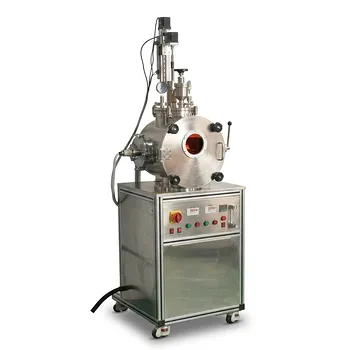
High Vacuum Melting Casting Furnace with Mechanical Stirring and Secondary Charge for Metallic Alloy Research
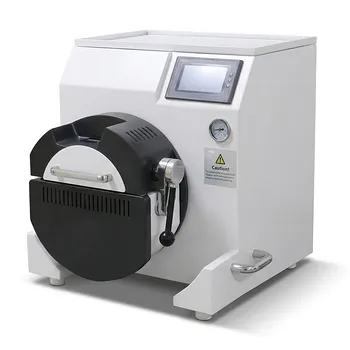
Desktop Induction Melting Furnace with Automatic Rotary Casting Function up to 1700C for Advanced Metal Alloy Research
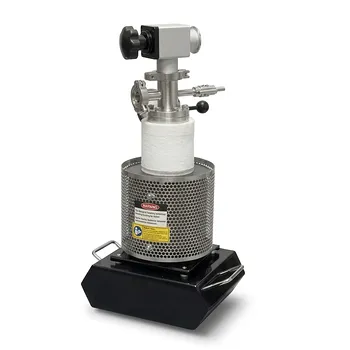
High Temperature 1100C Compact Top Loading Vertical Vacuum Tube Furnace for High Vacuum Noble Metal Melting and Material Research
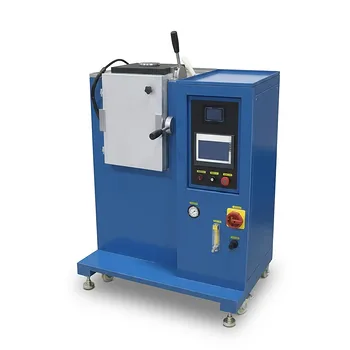
High Throughput Induction Melting and Casting Furnace for Superalloy Research 1700C Atmosphere Controlled Multi Sample System
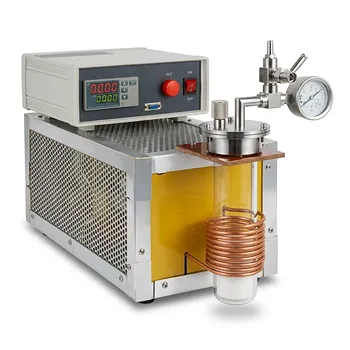
High Temperature Mini Induction Heating Furnace 1600C Laboratory Material Melting System
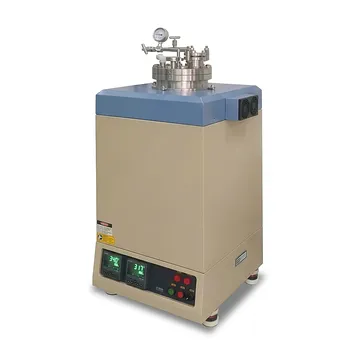
High Temperature 1000C Vacuum Furnace with 8 Inch ID Chamber for Material Sintering and Research Annealing
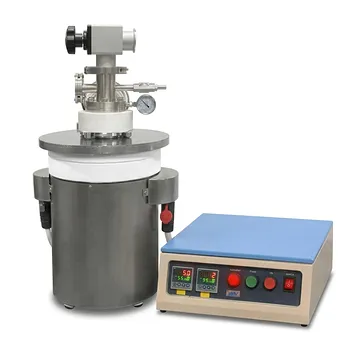
1100C High Temperature Vacuum Crucible Furnace with Quartz Chamber for Thermal Processing and Sintering
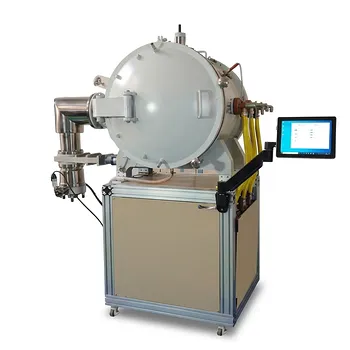
High Temperature Cold Wall Vacuum Furnace for Advanced Material Sintering and Annealing 1600C Heating Area 200x200x300mm
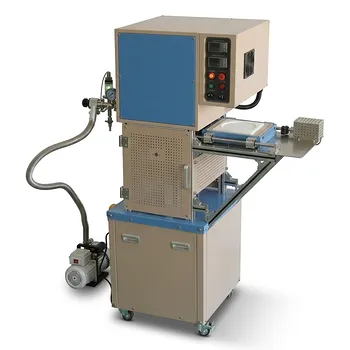
1200°C Bottom Loading Vacuum Furnace with Rapid Gas Cooling and 8.6 Inch Diameter Quartz Chamber
