How does the skin effect influence VIM frequency selection? Optimize Heat Penetration & Stirring Efficiency
Updated 5 months ago
Frequency selection in Vacuum Induction Melting (VIM) is governed by the skin effect, which dictates how deeply electromagnetic energy penetrates the metal charge. Lower frequencies are required for larger charges to ensure deep heat penetration, while higher frequencies are better suited for smaller charges where surface heating is more efficient. This selection process balances electromagnetic coupling with the need for uniform thermal distribution across the melt.
To optimize VIM furnace performance, operators must select a frequency where the "skin depth" is mathematically aligned with the charge diameter. This ensures the magnetic field penetrates deep enough to melt the core while maintaining high electrical efficiency and necessary bath agitation.
The Physics of the Skin Effect in VIM
Concentration of Eddy Currents
The skin effect is a phenomenon where alternating current (AC) tends to avoid the center of a conductor and flow near the surface. In a VIM furnace, the induction coil creates a magnetic field that induces eddy currents within the metal charge. At higher frequencies, these currents concentrate in a thin outer layer, which can lead to rapid surface melting while the core remains cold.
The Concept of Penetration Depth
Penetration depth, often called skin depth, represents the distance from the surface where the induced current density significantly drops. For effective melting, the magnetic field must reach the center of the metal pieces. If the skin depth is too shallow, the furnace relies on slow thermal conduction to melt the interior, reducing overall productivity.
Critical Factors Influencing Frequency Selection
Impact of Charge Diameter
The physical size of the metal charge is the most influential factor in choosing an operating frequency. Large furnace charges require lower frequencies (often 50 Hz to 1,000 Hz) to allow the magnetic field to penetrate the substantial mass. Conversely, small charges or laboratory-scale melts require higher frequencies to ensure the electromagnetic field couples effectively with the smaller volume.
Material Resistivity and Coupling
The electrical resistivity of the specific alloy being melted changes how the skin effect behaves. Materials with higher resistivity allow for deeper field penetration at a given frequency compared to highly conductive metals. Engineers must account for these material properties to ensure the power supply can "couple" or transfer energy efficiently into the charge.
Understanding the Trade-offs
Efficiency vs. Thermal Uniformity
Higher frequencies generally offer better coupling efficiency, meaning more of the energy from the coil is converted into heat within the metal. However, this comes at the cost of uniformity, as the heat is generated almost entirely on the periphery. This imbalance can lead to localized overheating and increased evaporation of volatile alloying elements in the vacuum environment.
Stirring Intensity and Melt Homogeneity
A major benefit of induction melting is electromagnetic stirring, which is inversely proportional to frequency. Lower frequencies produce a much stronger stirring action, which is vital for homogenizing the melt and ensuring consistent chemistry. If the frequency is too high, the stirring force diminishes, potentially leading to stratification and poor alloy quality.
Optimizing Your VIM Frequency Selection
Choosing the correct frequency requires balancing the physical dimensions of your crucible with the electrical characteristics of your feedstock.
- If your primary focus is large-scale ingot production: Select lower frequencies (typically under 1,000 Hz) to ensure the magnetic field penetrates the entire diameter of the heavy charge and provides robust stirring.
- If your primary focus is melting small batches or fine scrap: Opt for higher frequencies (3,000 Hz to 10,000 Hz) to maintain effective energy coupling with smaller surface areas and prevent energy "transparency."
Selecting the correct frequency transforms the skin effect from a physical limitation into a tool for precise, efficient metallurgical control.
Summary Table:
| Feature | Low Frequency (50 - 1,000 Hz) | High Frequency (3,000 - 10,000 Hz) |
|---|---|---|
| Target Charge | Large ingots / Heavy mass | Small batches / Fine scrap |
| Penetration | Deep (reaches the core) | Shallow (concentrated at surface) |
| Melt Stirring | Strong (high homogeneity) | Weak (low bath agitation) |
| Best Application | Industrial production & large melts | Laboratory R&D & small-scale melting |
Optimize Your Melting Process with THERMUNITS Expert Solutions
Selecting the correct frequency is vital for transforming physical limitations into metallurgical advantages. THERMUNITS is a leading manufacturer specializing in high-temperature laboratory equipment for material science and industrial R&D. We offer a robust portfolio of thermal solutions, including Vacuum Induction Melting (VIM) Furnaces, Muffle, Vacuum, and Atmosphere furnaces, CVD/PECVD systems, and Dental Furnaces.
Our engineers are ready to help you navigate the complexities of the skin effect to ensure your equipment delivers superior uniformity, energy efficiency, and alloy quality. Whether you need an electric rotary kiln or a custom VIM system, we have the expertise to support your research.
Get a Custom Quote and Technical Consultation Today
Mentioned Products
- 1900C Maximum High Temperature 7KW Vacuum Induction Melting System with 60mm Quartz Tube and Manual Temperature Control for Metallic Alloy Research
- Induction Melting Casting Furnace 1750C Vacuum High Frequency Metal Processing Unit
- High Temperature Induction Melting System with Integrated Ultra High Purity Glove Box for Metallic Alloy Processing
- Atmosphere Controlled Induction Melting Casting System 1600C 10L Capacity
- Atmosphere Controlled Induction Melting Granulating Casting Furnace 1500C 5kg Capacity
People Also Ask
- What is the primary role of a Vacuum Induction Melting furnace in the smelting of Fe-Cr-N alloys? Ensuring High Purity
- How does a Vacuum Induction Melting furnace heat materials while preventing atmospheric contamination? Achieve High Purity
- What are the key structural components that make up a Vacuum Induction Melting (VIM) furnace system? Full Guide
- What technical advantages does Vacuum Induction Melting offer regarding alloy homogeneity and purity? Enhance Performance
- Explain the physical principle behind heat generation in a Vacuum Induction Melting (VIM) furnace: A Technical Guide

Tech Team · ThermUnits
Last updated on Apr 14, 2026
Related Products
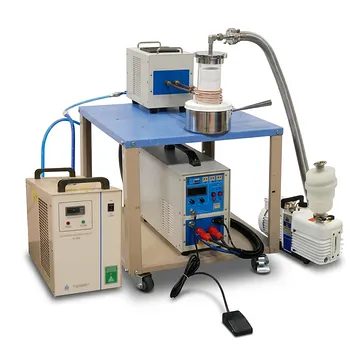
1900C Maximum High Temperature 7KW Vacuum Induction Melting System with 60mm Quartz Tube and Manual Temperature Control for Metallic Alloy Research
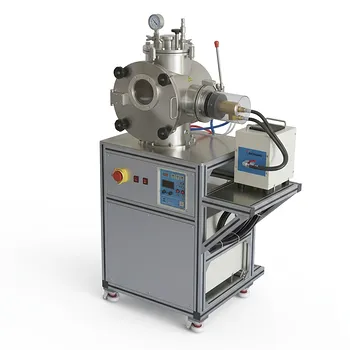
Induction Melting Casting Furnace 1750C Vacuum High Frequency Metal Processing Unit
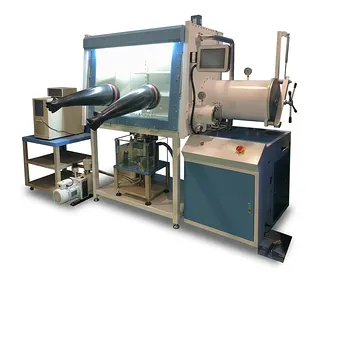
High Temperature Induction Melting System with Integrated Ultra High Purity Glove Box for Metallic Alloy Processing
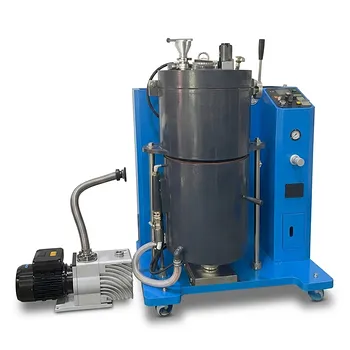
Atmosphere Controlled Induction Melting Casting System 1600C 10L Capacity
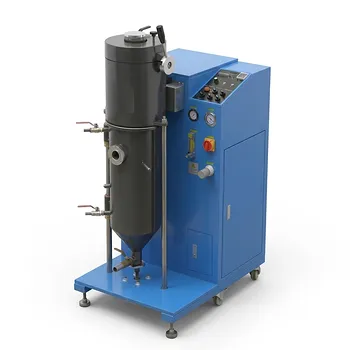
Atmosphere Controlled Induction Melting Granulating Casting Furnace 1500C 5kg Capacity
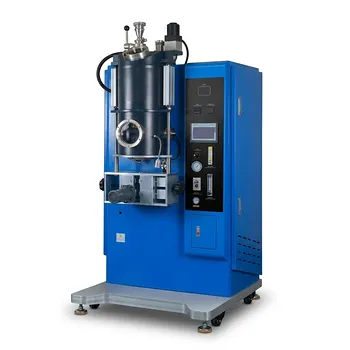
Atmosphere Controlled Continuous Casting Furnace with Secondary Charge Function for Induction Melting and Metal Alloy Wire Production
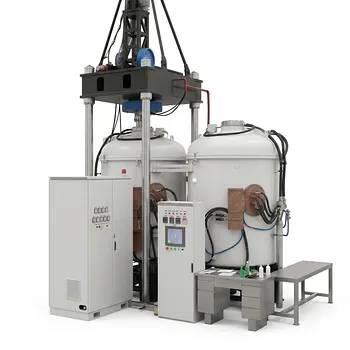
High Pressure 600T Vacuum Induction Hot Press Furnace for Advanced Material Heat Treatment and Sintering
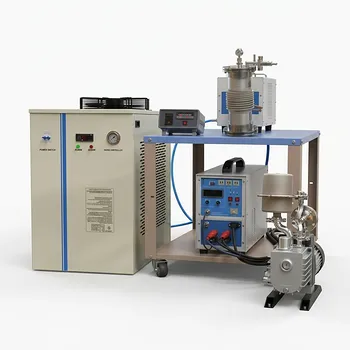
Induction Heating System with Temperature Control for High Temperature Vacuum Sintering and Melting
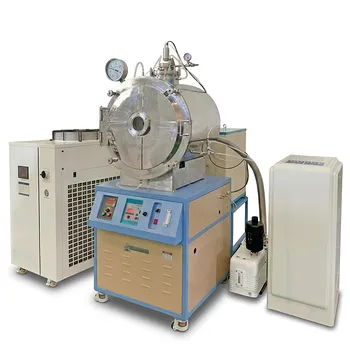
Ultra High Temperature Induction Heated Vacuum Furnace with Molten Salt Electrolysis Capability and 3000 Degree Precision Control
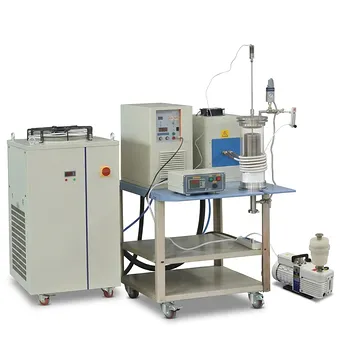
High Temperature Induction Melting System with Multi Cavity Crucible and 15KW Precision Digital Temperature Control
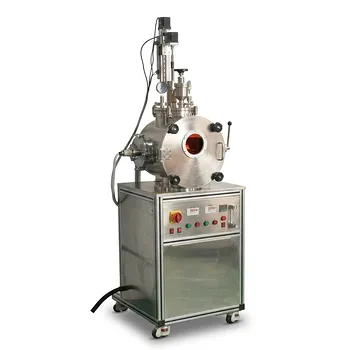
High Vacuum Melting Casting Furnace with Mechanical Stirring and Secondary Charge for Metallic Alloy Research
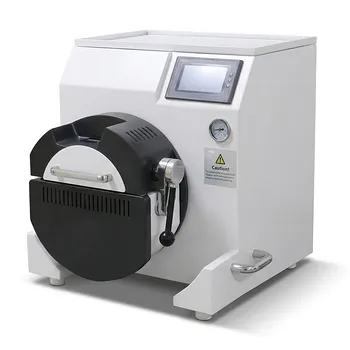
Desktop Induction Melting Furnace with Automatic Rotary Casting Function up to 1700C for Advanced Metal Alloy Research
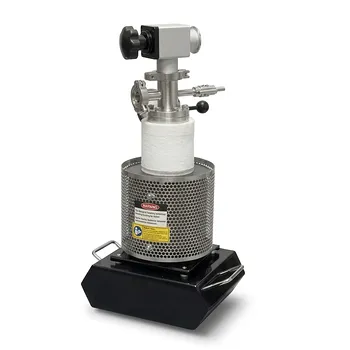
High Temperature 1100C Compact Top Loading Vertical Vacuum Tube Furnace for High Vacuum Noble Metal Melting and Material Research
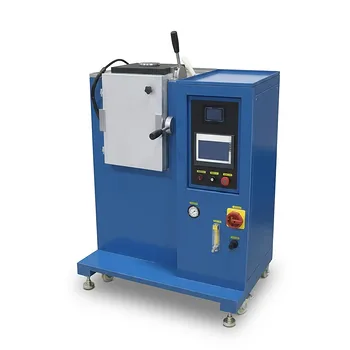
High Throughput Induction Melting and Casting Furnace for Superalloy Research 1700C Atmosphere Controlled Multi Sample System
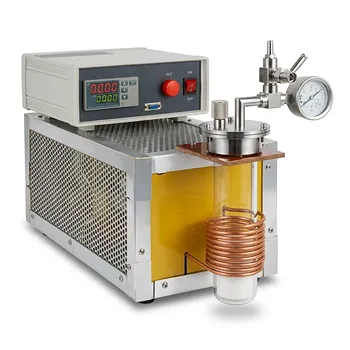
High Temperature Mini Induction Heating Furnace 1600C Laboratory Material Melting System
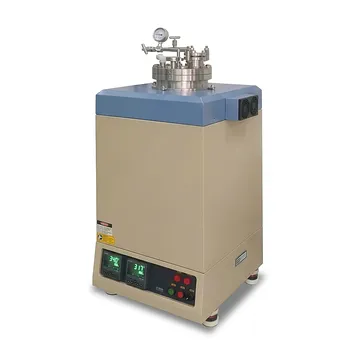
High Temperature 1000C Vacuum Furnace with 8 Inch ID Chamber for Material Sintering and Research Annealing
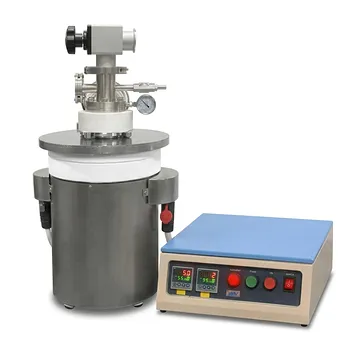
1100C High Temperature Vacuum Crucible Furnace with Quartz Chamber for Thermal Processing and Sintering
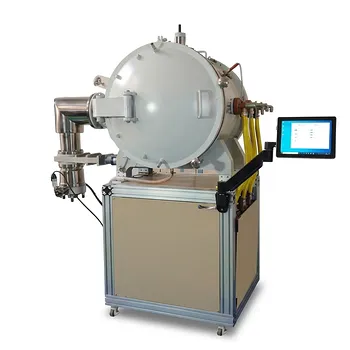
High Temperature Cold Wall Vacuum Furnace for Advanced Material Sintering and Annealing 1600C Heating Area 200x200x300mm
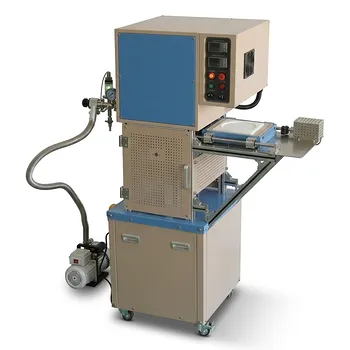
1200°C Bottom Loading Vacuum Furnace with Rapid Gas Cooling and 8.6 Inch Diameter Quartz Chamber
