Why is a VIM furnace utilized for high-performance metals? Achieve Superior Material Purity and Integrity
Updated 3 months ago
Vacuum Induction Melting (VIM) is the industry standard for high-performance metallurgy because it creates a pristine environment that eliminates gaseous impurities and prevents the oxidative loss of reactive elements. By utilizing electromagnetic induction within a high-vacuum chamber, VIM allows for the melting and refining of alloys without exposure to atmospheric oxygen or nitrogen. This process is essential for achieving the ultra-high purity and precise chemical composition required for mission-critical components in aerospace, nuclear, and electronic applications.
The core value of VIM technology lies in its ability to produce alloys with superior fatigue resistance and chemical homogeneity. By operating in a vacuum, it effectively removes dissolved gases and volatile contaminants that would otherwise compromise the mechanical integrity of the final material.
The Mechanics of Material Purity
Effective Removal of Dissolved Gases
The high-vacuum environment within a VIM furnace facilitates the deep removal of dissolved gases such as oxygen, nitrogen, and hydrogen. These gases are detrimental to metal quality, as they can cause porosity and brittleness in the finished product.
Prevention of Elemental Oxidation
In a standard atmospheric melt, active metallic elements react quickly with oxygen, leading to the loss of expensive alloying components and the formation of unwanted oxides. VIM prevents this secondary oxidation, ensuring that the precise alloying ratios required for high-performance specifications are maintained.
Elimination of Volatile Impurities
Under ultra-low pressure, harmful impurities with low vapor pressures are effectively "boiled off" from the melt pool. This purification process is critical for achieving the extreme material purity necessary for electronic-grade specialty materials and nuclear energy components.
Achieving Chemical and Structural Excellence
The Role of Electromagnetic Stirring
A unique benefit of induction heating is the electromagnetic stirring effect, which naturally circulates the molten metal. This ensures high chemical homogeneity throughout the entire batch, preventing the "pooling" of elements that can lead to structural weak points.
Enhancing Mechanical Properties
By removing inclusions and gas-related defects, VIM significantly improves the fatigue strength, toughness, and corrosion resistance of the metal. These enhancements are the primary reason VIM is mandated for aerospace-grade alloys used in extreme, high-stress environments.
Uniformity of Temperature
Induction heating provides exceptional temperature uniformity and efficiency compared to traditional heating methods. This controlled thermal environment allows for precise metallurgical reactions and repeatable results across different production cycles.
Understanding the Trade-offs
Operational Complexity and Cost
VIM systems require significant capital investment and higher operational costs compared to atmospheric melting. The need for specialized vacuum pumps, airtight chambers, and high-energy induction systems makes it a specialized solution rather than a general-purpose tool.
Refractory Interactions
Despite the vacuum environment, the molten metal is still in contact with the crucible’s refractory lining. At high temperatures, some chemical interactions can occur between the melt and the refractory material, which may introduce trace contaminants if the lining is not carefully selected.
Cooling and Cycle Times
Maintaining a vacuum throughout the melting and initial cooling phases increases the total processing time. The throughput of a VIM furnace is generally lower than that of open-air induction furnaces, requiring careful production planning.
How to Apply This to Your Project
When deciding whether to utilize Vacuum Induction Melting for your material preparation, consider your primary performance requirements and environmental constraints.
- If your primary focus is aerospace or turbine components: Utilize VIM to ensure the material meets the strict fatigue performance and purity requirements necessary for extreme-heat environments.
- If your primary focus is high-purity electronic materials: VIM is the most effective choice for removing volatile impurities and dissolved gases that interfere with electrical conductivity.
- If your primary focus is cost-sensitive, low-stress applications: Standard atmospheric induction melting may be more appropriate, as the high cost of VIM may outweigh the benefits of ultra-high purity.
- If your primary focus is chemical precision with active elements: Use VIM to prevent the oxidation of reactive components like titanium or aluminum, ensuring the final alloy matches your theoretical design.
Choosing Vacuum Induction Melting is a strategic investment in the long-term reliability and physical performance of high-specification metal materials.
Summary Table:
| Key VIM Feature | Benefit to Material | Typical Application |
|---|---|---|
| High-Vacuum Environment | Removes dissolved gases (O, N, H) and prevents oxidation | Aerospace & Nuclear Components |
| Induction Stirring | Ensures high chemical homogeneity and uniform temperature | Turbine Blades & Superalloys |
| Impurity Volatilization | Removes volatile contaminants for extreme purity | Electronic-Grade Materials |
| Precise Temperature Control | Allows for repeatable metallurgical reactions | Industrial R&D and Material Science |
Elevate Your Material Science with THERMUNITS High-Performance Solutions
At THERMUNITS, we understand that high-performance alloys demand uncompromising purity and precision. As a leading manufacturer of advanced laboratory heat treatment equipment, we provide industry-grade Vacuum Induction Melting (VIM) furnaces, along with Muffle, Atmosphere, Tube, and Hot Press systems tailored for aerospace, nuclear, and electronic R&D. Our thermal processing solutions empower engineers to eliminate impurities, prevent oxidation, and achieve the chemical homogeneity required for mission-critical components.
Ready to optimize your alloy preparation? Contact our experts today to discover how our high-temperature equipment can advance your material development and industrial research goals.
References
- Yulian He, Zhiyong Han. Preparation of the Amorphous NiCoP Nanosheet Array on Carbon Cloth for High‐Performance Solid‐State Hybrid Supercapacitor. DOI: 10.1002/slct.202304554
Mentioned Products
- 1900C Maximum High Temperature 7KW Vacuum Induction Melting System with 60mm Quartz Tube and Manual Temperature Control for Metallic Alloy Research
- Induction Melting Casting Furnace 1750C Vacuum High Frequency Metal Processing Unit
- High Temperature Induction Melting System with Integrated Ultra High Purity Glove Box for Metallic Alloy Processing
- Atmosphere Controlled Induction Melting Granulating Casting Furnace 1500C 5kg Capacity
- Atmosphere Controlled Induction Melting Casting System 1600C 10L Capacity
People Also Ask
- What is the primary role of a Vacuum Induction Melting furnace in the smelting of Fe-Cr-N alloys? Ensuring High Purity
- How does a Vacuum Induction Melting furnace heat materials while preventing atmospheric contamination? Achieve High Purity
- What are the key structural components that make up a Vacuum Induction Melting (VIM) furnace system? Full Guide
- How does the skin effect influence VIM frequency selection? Optimize Heat Penetration & Stirring Efficiency
- What technical advantages does Vacuum Induction Melting offer regarding alloy homogeneity and purity? Enhance Performance

Tech Team · ThermUnits
Last updated on Jun 02, 2026
Related Products
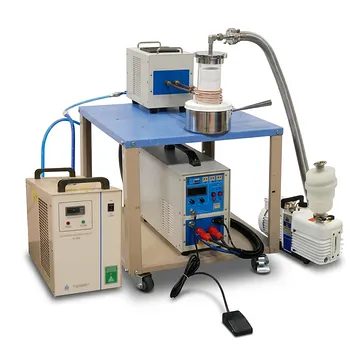
1900C Maximum High Temperature 7KW Vacuum Induction Melting System with 60mm Quartz Tube and Manual Temperature Control for Metallic Alloy Research
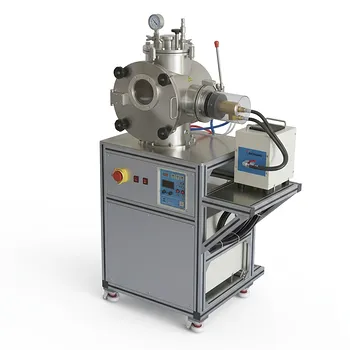
Induction Melting Casting Furnace 1750C Vacuum High Frequency Metal Processing Unit
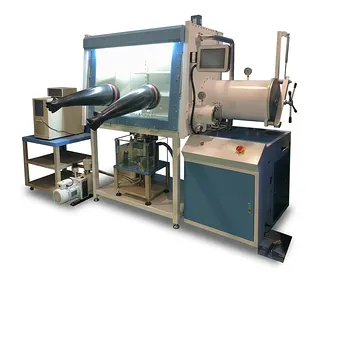
High Temperature Induction Melting System with Integrated Ultra High Purity Glove Box for Metallic Alloy Processing
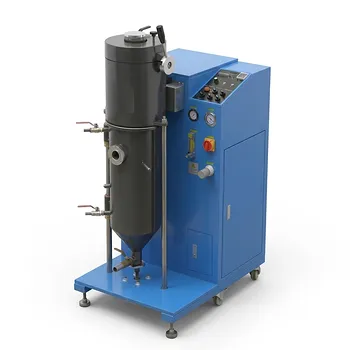
Atmosphere Controlled Induction Melting Granulating Casting Furnace 1500C 5kg Capacity
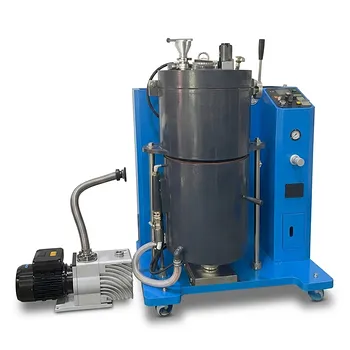
Atmosphere Controlled Induction Melting Casting System 1600C 10L Capacity
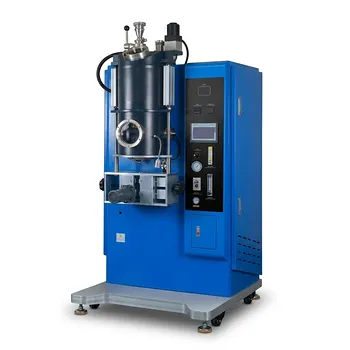
Atmosphere Controlled Continuous Casting Furnace with Secondary Charge Function for Induction Melting and Metal Alloy Wire Production
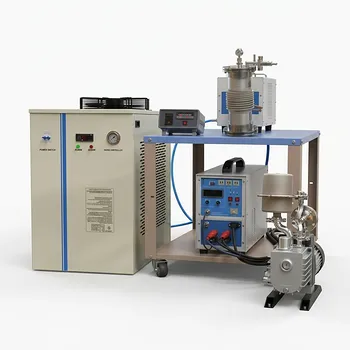
Induction Heating System with Temperature Control for High Temperature Vacuum Sintering and Melting
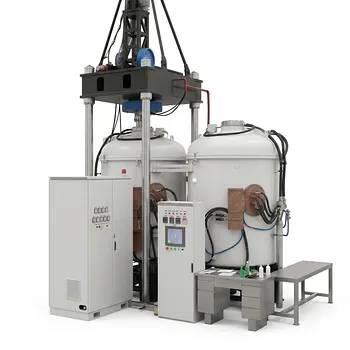
High Pressure 600T Vacuum Induction Hot Press Furnace for Advanced Material Heat Treatment and Sintering
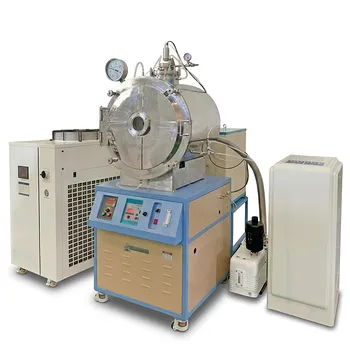
Ultra High Temperature Induction Heated Vacuum Furnace with Molten Salt Electrolysis Capability and 3000 Degree Precision Control
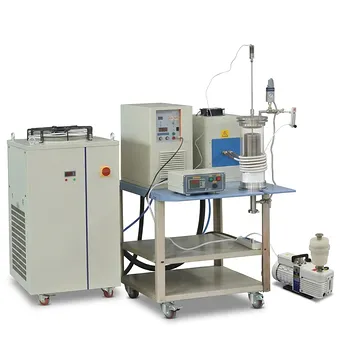
High Temperature Induction Melting System with Multi Cavity Crucible and 15KW Precision Digital Temperature Control
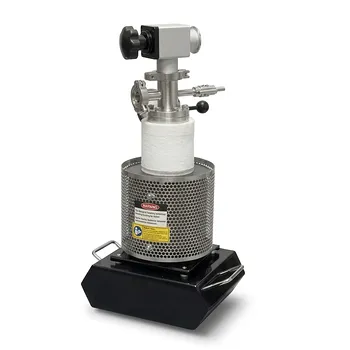
High Temperature 1100C Compact Top Loading Vertical Vacuum Tube Furnace for High Vacuum Noble Metal Melting and Material Research
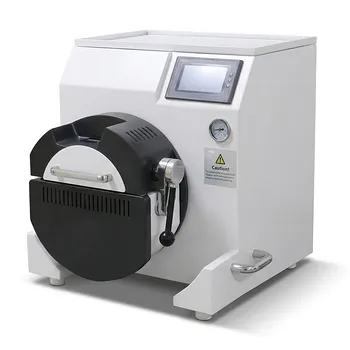
Desktop Induction Melting Furnace with Automatic Rotary Casting Function up to 1700C for Advanced Metal Alloy Research
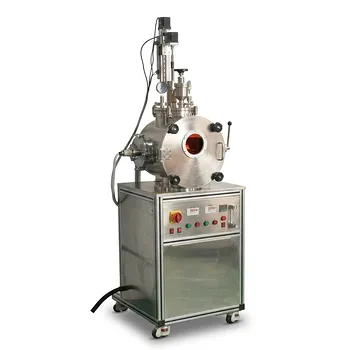
High Vacuum Melting Casting Furnace with Mechanical Stirring and Secondary Charge for Metallic Alloy Research
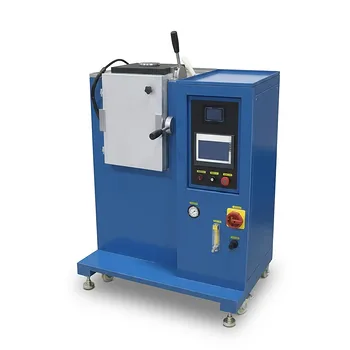
High Throughput Induction Melting and Casting Furnace for Superalloy Research 1700C Atmosphere Controlled Multi Sample System
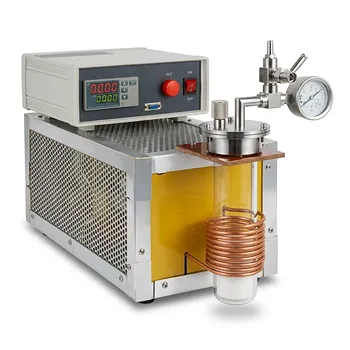
High Temperature Mini Induction Heating Furnace 1600C Laboratory Material Melting System
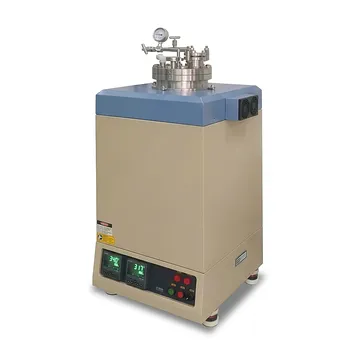
High Temperature 1000C Vacuum Furnace with 8 Inch ID Chamber for Material Sintering and Research Annealing
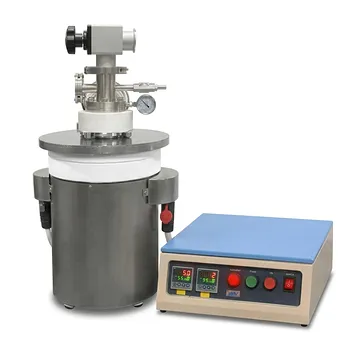
1100C High Temperature Vacuum Crucible Furnace with Quartz Chamber for Thermal Processing and Sintering
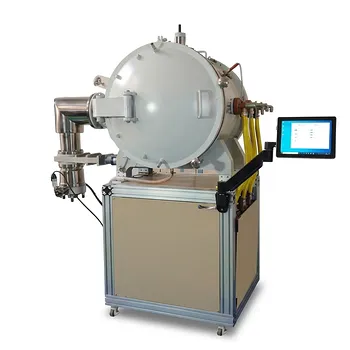
High Temperature Cold Wall Vacuum Furnace for Advanced Material Sintering and Annealing 1600C Heating Area 200x200x300mm
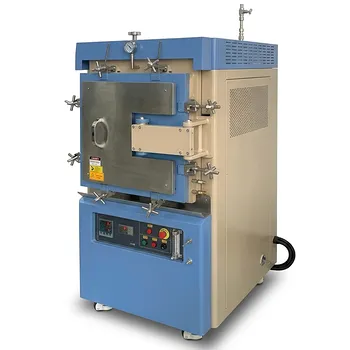
Atmosphere Controlled Muffle Furnace 1700C Maximum Temperature 80L High Capacity Vacuum Inert Gas Box Furnace
