Why is a high-purity nitrogen atmosphere system essential during the pyrolysis of corn biomass? Prevent Oxidation
Updated 3 months ago
High-purity nitrogen acts as the critical barrier between controlled thermal decomposition and destructive combustion. By continuously flushing the reaction chamber, this system maintains a strictly oxygen-free environment that prevents corn biomass from catching fire at high temperatures. Instead of reducing the material to worthless ash, the system directs the thermal energy to break down organic macromolecules into energy-rich bio-oil and stable bio-char.
Core Takeaway: A high-purity nitrogen system is essential because it replaces oxygen with an inert atmosphere, ensuring that corn biomass undergoes pyrolysis rather than oxidation. This chemical redirection is what allows for the recovery of carbon-rich solids and liquid fuels instead of losing the material to combustion.
Preventing Destructive Oxidation and Ashing
The Shift from Combustion to Pyrolysis
At elevated temperatures, such as 400°C, biomass will naturally react with oxygen to undergo direct combustion. The nitrogen system displaces this oxygen, forcing the biomass to undergo pyrolysis, which is the thermal degradation of matter in an anaerobic state.
Preventing the Reduction to Ash
In the presence of even small amounts of oxygen, organic components are quickly oxidized and "ashed." An inert nitrogen atmosphere ensures that the carbon elements are retained, forming a stable biochar skeleton rather than being lost as carbon dioxide.
Preservation of Material Integrity and Structure
Protecting the Microporous Skeleton
The structural value of biochar lies in its microporous structure, which is highly sensitive to oxygen. High-purity nitrogen protects these microscopic pores during formation, preventing the internal architecture from collapsing due to premature oxidation.
Safeguarding Chemical Functionality
For specialized applications, such as the reduction of hexavalent chromium, the biochar must retain surface functional groups and persistent free radicals (PFRs). An oxygen-free environment ensures these chemical "tools" are preserved on the biochar surface rather than being stripped away by oxidative reactions.
Developing Light-Absorbing Structures
Pyrolysis in a nitrogen-rich environment allows corn biomass to develop carbonized structures with specific physical properties, like broadband light absorption. This capability is entirely dependent on the incomplete thermal decomposition that only occurs when oxygen is excluded.
The Role of Nitrogen as a Transport Medium
Facilitating Volatile Recovery
Nitrogen does not just sit in the chamber; it acts as a carrier gas that continuously moves through the system. This flow carries pyrolysis vapors away from the high-temperature zone and into the condensation system before they can break down further.
Managing Reaction Equilibrium
By rapidly removing volatiles, the nitrogen flow prevents secondary reactions that could degrade the quality of the resulting bio-oil. This ensures a higher yield of liquid products and prevents the buildup of unwanted byproducts inside the furnace.
Understanding the Trade-offs
Purity Levels vs. Operational Cost
While "high-purity" nitrogen (99.99% or higher) is ideal, it carries a higher operational cost than industrial-grade nitrogen. However, using lower purity gas introduces trace oxygen, which can significantly degrade the aromatic structure and surface chemistry of the biochar.
Flow Rate Sensitivity
The speed of the nitrogen flow is a delicate balance. If the flow is too slow, volatiles remain in the heat too long and decompose; if it is too fast, it may cool the reaction zone excessively or bypass the condensation system, leading to reduced oil recovery.
How to Apply This to Your Project
Making the Right Choice for Your Goal
- If your primary focus is maximizing biochar yield: Ensure the nitrogen system is activated well before heating begins to purge all residual oxygen from the biomass pores.
- If your primary focus is high-quality bio-oil production: Focus on optimizing the nitrogen flow rate to ensure vapors are transported to the condenser at the precise moment of formation.
- If your primary focus is specialized chemical filtration: Use the highest purity nitrogen available to preserve the sensitive surface functional groups and persistent free radicals required for contaminant reduction.
Mastering the inert atmosphere within your pyrolysis system is the single most important factor in transforming raw agricultural waste into high-value carbon and energy products.
Summary Table:
| Feature of N₂ System | Primary Function | Impact on Pyrolysis Output |
|---|---|---|
| Oxygen Displacement | Prevents combustion and ashing | Retains carbon and stable biochar |
| Inert Environment | Protects surface functional groups | Preserves chemical reactivity and PFRs |
| Structural Support | Maintains microporous skeleton | Ensures high-value physical architecture |
| Carrier Gas Role | Transports volatile vapors | Increases bio-oil yield and quality |
| High Purity (99.99%) | Eliminates trace oxidative reactions | Optimizes aromatic structure integrity |
Elevate Your Material Research with THERMUNITS Precision Furnaces
Successful biomass pyrolysis depends on uncompromising atmosphere control. THERMUNITS is a leading manufacturer of high-temperature laboratory equipment specifically designed for material science and industrial R&D. Our advanced Atmosphere Furnaces, Vacuum Furnaces, and Tube Furnaces provide the ultra-pure inert environments necessary to prevent oxidation and maximize your bio-oil and biochar yields.
Whether you are working on CVD/PECVD systems, rotary kilns, or specialized heat treatments, our comprehensive range of thermal solutions—including Muffle, Rotary, and Hot Press furnaces—offers the reliability your research demands.
Ready to optimize your thermal processing? Contact THERMUNITS Today to Request a Quote and let our experts help you select the perfect equipment for your high-purity atmosphere requirements.
References
- Jelena Isailović, Vesna Antić. The energy potential of the products obtained by pyrolysis of agricultural waste. DOI: 10.5937/rgd240033i
Mentioned Products
- Electric Rotary Kiln Small Rotary Furnace Biomass Pyrolysis Plant
- 1500C Three Zone Vertical Pyrolysis Furnace for Nanoparticle Synthesis and Advanced Oxide Coating
- Electric Rotary Kiln Continuous Working Small Rotary Furnace Heating Pyrolysis Plant
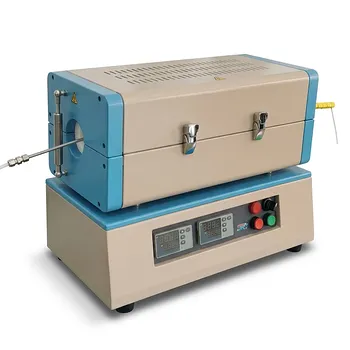
- Gas Pre-Heating Tube Furnace for High Temperature Pyrolysis Reactors and Material Science Research
People Also Ask
- How does the electric rotary kiln support environmental compliance and sustainability? Achieve Zero-Emission Production
- What are the maintenance and service life advantages of an electric rotary kiln? 25+ Year Longevity & Low Maintenance
- What thermal efficiency can be expected from an electric rotary kiln compared to fuel-fired alternatives? Gain 95% efficiency.
- How does the use of an electric rotary kiln facilitate CO2 capture in cement and lime production? Achieve High-Purity CCUS
- Which minerals and specialty chemicals are commonly processed using electric rotary kilns? Precision Thermal Processing Guide

Tech Team · ThermUnits
Last updated on Jun 03, 2026
Related Products
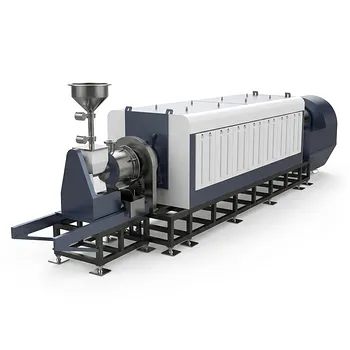
Electric Rotary Kiln Small Rotary Furnace Biomass Pyrolysis Plant
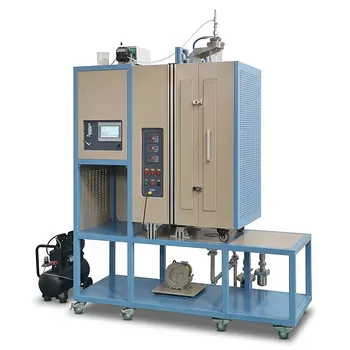
1500C Three Zone Vertical Pyrolysis Furnace for Nanoparticle Synthesis and Advanced Oxide Coating
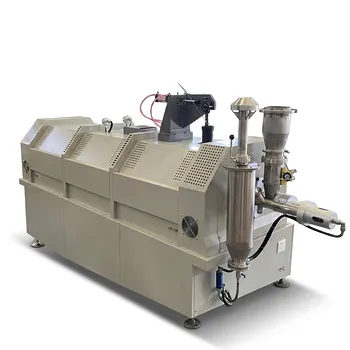
Electric Rotary Kiln Continuous Working Small Rotary Furnace Heating Pyrolysis Plant