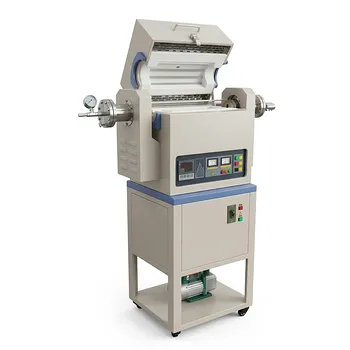
How is temperature regulated and monitored in an electric rotary kiln? Achieve High-Precision Thermal Control
Updated 5 months ago
Precise thermal control in electric rotary kilns is achieved through automated zoning and high-resolution monitoring.
Regulation relies on independent electric resistance zones controlled by PID or SCR systems that modulate power to create specific thermal profiles. Monitoring is performed by a dual-sensor approach: internal thermocouples track the active process temperature, while external infrared scanners monitor the shell to ensure the refractory lining remains intact.
Electric rotary kilns provide superior thermal precision compared to traditional combustion kilns by decoupling heat generation from gas flow. This allows operators to manage complex material transitions through segmented control zones with high repeatability.
The Mechanics of Temperature Regulation
Segmented Zoning for Multi-Stage Processing
Electric kilns utilize independent resistance elements arranged in segments along the length of the rotating shell. These segments create distinct thermal zones—typically categorized as preheating, reaction, and soaking zones—to manage the physical and chemical state of the material as it moves through the kiln.
The Role of PID and SCR Controllers
Each heating zone is managed by a Proportional-Integral-Derivative (PID) controller or a Silicon Controlled Rectifier (SCR). These systems modulate the electrical energy sent to metallic alloy or silicon carbide elements, providing a granular level of control that combustion-based systems cannot easily match.
Mechanisms of Heat Transfer
While conventional kilns rely heavily on gas convection, electric variants primarily utilize radiation and conduction. Heat radiates from the hot shell or refractory surface to the material bed, while conduction occurs directly at the bed-shell interface as the kiln rotates at speeds between 0.5 and 5 rpm.
Advanced Monitoring Systems
Internal Thermocouples for Process Feedback
To maintain a stable reaction environment, internal thermocouples are strategically placed to provide real-time feedback to the control system. This ensures that the material residence time—often ranging from 1 to 3 hours—is spent at the exact temperature required for the specific chemical process.
Infrared Scanners for Shell Integrity
External infrared scanners are critical for monitoring the outer cylindrical steel shell. These scanners identify "hot spots" that indicate thinning or failure of the refractory lining, allowing operators to intervene before structural damage occurs.
Specialized High-Temperature Monitoring
Standard electric kilns operate between 1050°C and 1200°C, but specialty designs can go higher. In systems using induction coils or electromagnetic heating, monitoring becomes even more critical as these technologies can achieve significantly higher power densities and temperatures than standard resistance elements.
Understanding the Trade-offs
Thermal Inertia Challenges
Electric kilns, particularly those with heavy refractory linings, possess significant thermal inertia. This means they do not respond instantly to changes in control settings, requiring sophisticated PID tuning to prevent temperature "overshoot" or "undershoot" during startup or material feed variations.
Sensor Degradation in Harsh Environments
Thermocouples and scanners are subject to the same harsh internal conditions as the kiln itself. Over time, abrasive materials or corrosive purge gases can degrade sensor accuracy, necessitating a robust calibration schedule to prevent process drift.
Power Density vs. Element Life
Pushing resistance elements to their maximum temperature limit of approximately 1200°C can accelerate oxidation and mechanical failure. Balancing the desired heat ramp-up speed with the long-term durability of the heating elements is a constant operational challenge.
Optimizing Your Kiln Control Strategy
Achieving the best results with an electric rotary kiln requires aligning your control hardware with your specific material requirements.
- If your primary focus is process precision: Invest in a higher number of independent heating zones with dedicated PID controllers to maintain a flat and stable thermal profile.
- If your primary focus is equipment longevity: Prioritize high-resolution external IR scanning and automated alarms to detect refractory wear before it compromises the steel shell.
- If your primary focus is material throughput: Optimize your rotation speed (rpm) and shell inclination to balance the heat transfer efficiency with the required residence time.
By integrating intelligent zoning with comprehensive internal and external monitoring, operators can transform the electric rotary kiln into a highly predictable and efficient thermal processing tool.
Summary Table:
| System Component | Function | Key Technology |
|---|---|---|
| Regulation | Modulates power to create thermal profiles | PID or SCR Controllers |
| Heating Zones | Manages multi-stage material transitions | Independent Resistance Elements |
| Internal Monitoring | Provides real-time process feedback | High-resolution Thermocouples |
| External Monitoring | Ensures shell integrity & detects hot spots | Infrared (IR) Scanners |
| Mechanical Motion | Balances residence time & heat transfer | Shell Rotation (0.5 - 5 RPM) |
Elevate Your R&D with THERMUNITS Thermal Solutions
At THERMUNITS, we understand that precision is the backbone of material science. As a leading manufacturer, we provide a comprehensive range of high-temperature equipment, including advanced electric rotary kilns, muffle, vacuum, and atmosphere furnaces, as well as CVD/PECVD and vacuum induction melting (VIM) systems. Whether you are scaling industrial R&D or refining laboratory heat treatment, our solutions ensure superior temperature uniformity and durability.
Ready to optimize your thermal processing?
Contact THERMUNITS Today to discuss your specific requirements and discover how our expert-engineered furnaces and thermal elements can enhance your lab's efficiency and results.
Mentioned Products
- Electric Rotary Kiln Continuous Working Small Rotary Furnace Heating Pyrolysis Plant
- Electric Rotary Kiln Small Rotary Furnace for Activated Carbon Regeneration
- Electric Rotary Kiln Small Rotary Furnace Biomass Pyrolysis Plant
- 900°C Max Rotary Tube Furnace with 8 Inch 310S Alloy Tube and Optional Multi Zone Heating for Industrial Material Calcination
- High Temperature Tilting Rotary Tube Furnace with Integrated Mass Flow Control and Multi Zone Heating
People Also Ask
- What thermal efficiency can be expected from an electric rotary kiln compared to fuel-fired alternatives? Gain 95% efficiency.
- How does the use of an electric rotary kiln facilitate CO2 capture in cement and lime production? Achieve High-Purity CCUS
- What are the maintenance and service life advantages of an electric rotary kiln? 25+ Year Longevity & Low Maintenance
- How does the electric rotary kiln support environmental compliance and sustainability? Achieve Zero-Emission Production
- What are the primary components and heating mechanisms of an electric rotary kiln? Optimize High-Purity Heat Treatment

Tech Team · ThermUnits
Last updated on Apr 14, 2026
Related Products
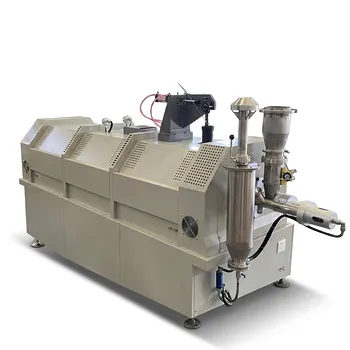
Electric Rotary Kiln Continuous Working Small Rotary Furnace Heating Pyrolysis Plant
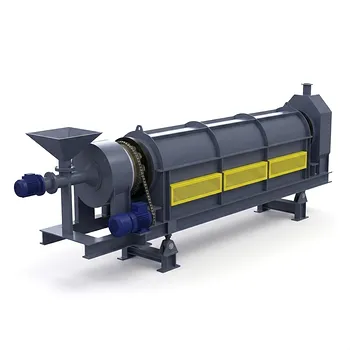
Electric Rotary Kiln Small Rotary Furnace for Activated Carbon Regeneration
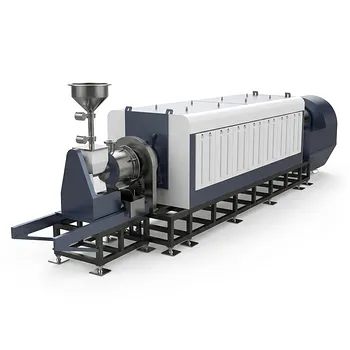
Electric Rotary Kiln Small Rotary Furnace Biomass Pyrolysis Plant
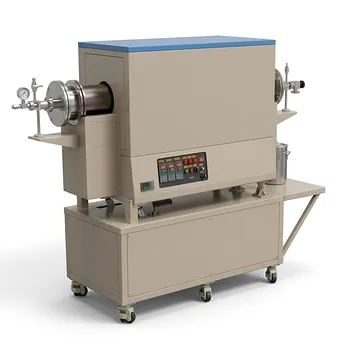
900°C Max Rotary Tube Furnace with 8 Inch 310S Alloy Tube and Optional Multi Zone Heating for Industrial Material Calcination
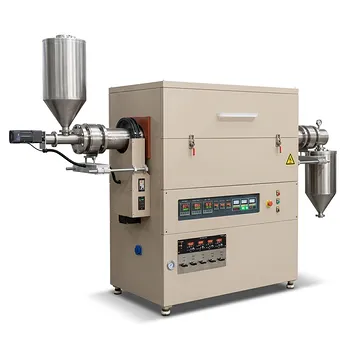
High Temperature Tilting Rotary Tube Furnace with Integrated Mass Flow Control and Multi Zone Heating
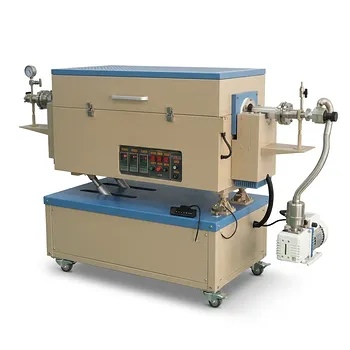
Three Zone Rotary Tube Furnace for High Temperature Powder Processing and Material Research
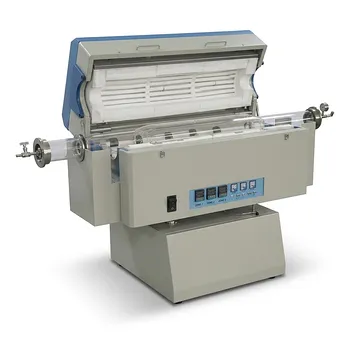
Large Three Temperature Zone Rotating Tube Furnace for High Uniformity Material Sintering
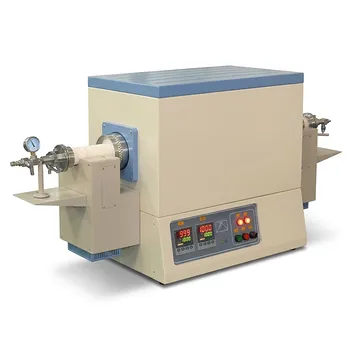
High Temperature 1700C Dual Zone Rotary Tube Furnace with 60mm Alumina Tube and Precision Rotation Control
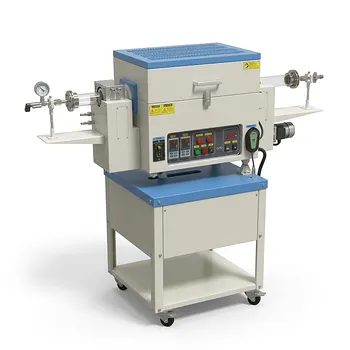
4 Inch Two Zone Rotary CVD Tube Furnace for High Temperature Battery Material Synthesis and Advanced Material Calcination
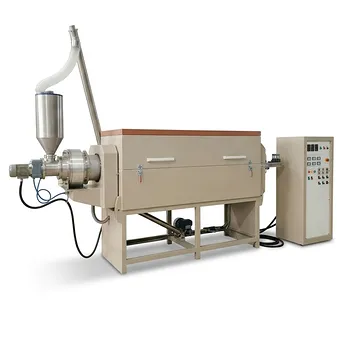
Continuous Feeding Rotary Tube Furnace for Industrial Powder Heat Treatment and Material Research
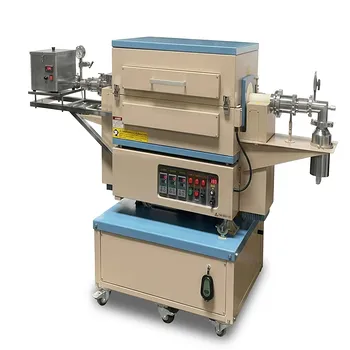
1500C 3-Zone Rotary Tube Furnace 60mm with Automatic Powder Feeding and Receiving System for Continuous Material Synthesis
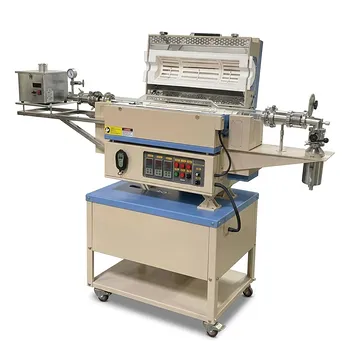
5 Inch Rotary Tube Furnace with Automatic Feeding and Receiving System 1200C Three Zone CVD Powder Processing
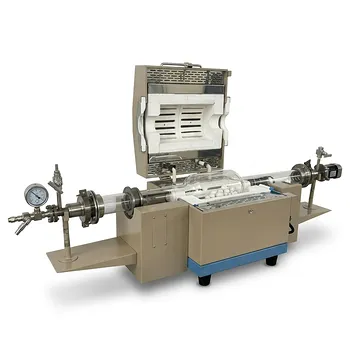
High Temperature Rotary Tube Furnace with Integrated Ball Milling and Gas Flow Function for Powder Nitriding

Vertical 1700C Vacuum and Atmosphere Tube Furnace with 80mm Alumina Tube
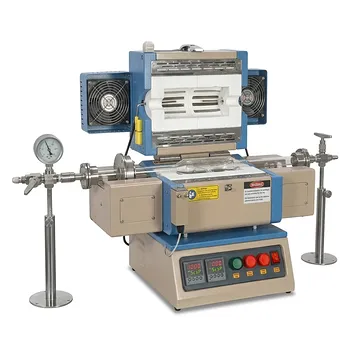
Dual Zone Rotary Tube Furnace for Uniform Powder Calcination 1000C 2 Inch Quartz Tube
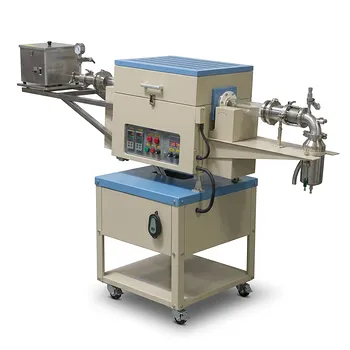
Two Zone Rotary CVD Furnace with Automatic Feeding and Receiving System for Powder Processing
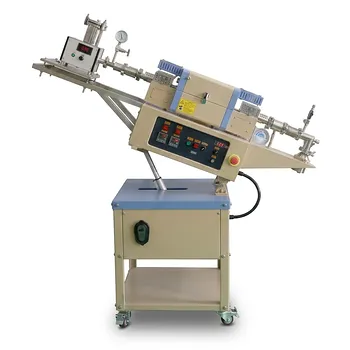
1100°C Dual Zone Rotary Tube Furnace with Automatic Feeding and Collection System for Continuous Powder Processing
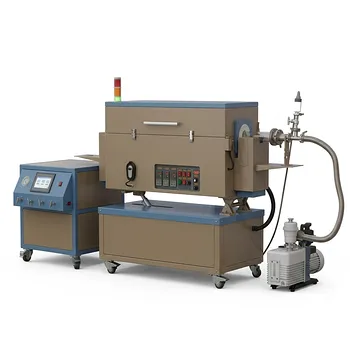
5 Inch Three Zone Rotary Tube Furnace with Integrated Gas Delivery System and 1200C Capability for Advanced Material CVD Processing
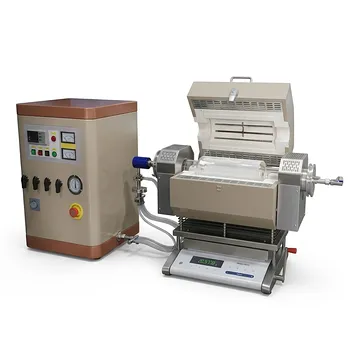
Mini Rotary Tubular Furnaces for Precision Powder Heat Treatment and Thermogravimetric Analysis