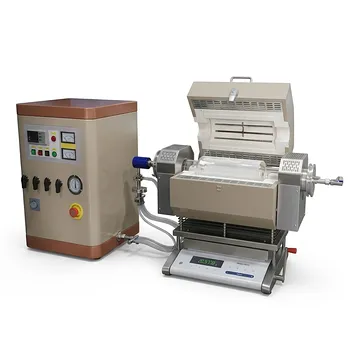
How does the electric rotary kiln support environmental compliance and sustainability? Achieve Zero-Emission Production
Updated 5 months ago
The adoption of electric rotary kilns is a primary driver for industrial decarbonization. By replacing fossil fuel combustion with electrical resistance or plasma heating, these kilns eliminate direct on-site emissions of greenhouse gases, NOx, SOx, and particulates. This shift allows manufacturers in the chemical and metallurgical sectors to align with stringent global environmental standards while significantly reducing their operational carbon footprint.
Core Takeaway: Electric rotary kilns provide a zero-emission alternative to traditional combustion-based processing, enabling companies to meet rigorous regulatory requirements like the EU CBAM and benefit from international carbon trading markets.
The Elimination of Point-Source Emissions
Removing the Combustion Cycle
Traditional kilns rely on the burning of fossil fuels, which inherently produces carbon dioxide and other harmful byproducts. Electric kilns utilize clean energy for heat transfer, removing the combustion process entirely from the production site.
Drastic Reduction in Pollutants
Beyond greenhouse gases, electric heating eliminates the release of sulfur oxides (SOx) and nitrogen oxides (NOx). This makes it significantly easier for facilities to meet local air quality standards and reduces the need for complex scrubbers and filtration systems.
Minimal Particulate Matter
Because there is no high-velocity air-fuel mixture being injected into the kiln, the entrainment of dust and particulates is greatly reduced. This results in a cleaner exhaust stream and simplifies the environmental management of the facility.
Navigating Global Regulatory Frameworks
Alignment with EU CBAM and ETS
Regulations such as the European Union’s Carbon Border Adjustment Mechanism (CBAM) and Emissions Trading System (ETS) place a financial premium on carbon output. Electric kilns allow manufacturers to produce goods with a lower carbon intensity, avoiding heavy tariffs and carbon taxes.
Monetizing Sustainability via Carbon Trading
By reducing direct emissions to zero, companies can lower their demand for carbon allowances. In many jurisdictions, this creates an opportunity to sell excess credits on the open market, transforming a compliance requirement into a financial asset.
Future-Proofing Against Legistlation
Environmental laws are becoming increasingly restrictive regarding carbon intensity and industrial waste. Transitioning to electric processing ensures that a facility remains compliant even as "allowable" emission thresholds continue to drop globally.
Strategic Impact on the Value Chain
Decarbonizing Energy-Intensive Sectors
The chemical and metallurgical industries are among the most difficult to decarbonize due to the high temperatures required for processing. Electric kilns provide a proven technology to address these Scope 1 emissions without sacrificing thermal performance.
Synergy with Renewable Energy
The environmental value of an electric kiln scales with the cleanliness of the power source. When integrated with on-site solar, wind, or a green grid, the process becomes truly net-zero, satisfying the sustainability demands of modern consumers and investors.
Understanding the Trade-offs
Dependence on Grid Composition
The true sustainability of an electric kiln is tied to the local electricity provider. If the power grid is heavily reliant on coal or gas, the "well-to-gate" emissions may remain high despite zero direct emissions at the kiln site.
High Operational Power Costs
In many regions, electricity remains more expensive than natural gas on a per-unit-of-energy basis. Manufacturers must weigh the higher cost of power against the financial benefits of carbon credits and the avoidance of regulatory penalties.
Infrastructure and Capacity Constraints
Upgrading to electric kilns often requires significant investments in local electrical infrastructure. Facilities must ensure their power supply can handle the massive load requirements of industrial-scale electrical heating.
How to Apply This to Your Project
When evaluating the transition to electric rotary kilns, your strategy should depend on your specific regulatory and energy landscape:
- If your primary focus is regulatory compliance in the EU: Prioritize electrification to mitigate the financial impact of CBAM and maximize your standing within the Emissions Trading System.
- If your primary focus is immediate Scope 1 reduction: Replace traditional burners with electric elements to eliminate on-site combustion emissions regardless of your current grid mix.
- If your primary focus is long-term operational cost-efficiency: Secure long-term Power Purchase Agreements (PPAs) for renewable energy to hedge against volatile electricity prices and guarantee a green supply chain.
The electric rotary kiln is a vital tool for transforming heavy industry from a major polluter into a sustainable, compliant participant in the global green economy.
Summary Table:
| Key Feature | Environmental Impact | Sustainability & Regulatory Benefit |
|---|---|---|
| Electric Heating | Zero direct CO2, NOx, and SOx emissions | Complies with EU CBAM and local air quality standards |
| No Combustion Air | Drastic reduction in particulate matter (PM) | Simplifies exhaust filtration and waste management |
| Renewable Synergy | Compatible with solar, wind, and green grids | Enables 100% carbon-neutral Scope 1 industrial processes |
| Precision Control | Enhanced thermal efficiency and energy savings | Future-proofs operations against rising carbon taxes |
Decarbonize Your Thermal Processing with THERMUNITS
Transitioning to green technology is a strategic necessity for modern industry. THERMUNITS is a leading manufacturer of high-temperature laboratory equipment dedicated to supporting material science and industrial R&D teams in achieving their sustainability goals.
We offer a comprehensive range of advanced thermal solutions designed for precision and environmental compliance, including:
- Electric Rotary Kilns and Vacuum Induction Melting (VIM) furnaces for clean processing.
- Muffle, Vacuum, Atmosphere, Tube, and Hot Press Furnaces for versatile heat treatment.
- CVD/PECVD Systems and specialized Dental Furnaces for advanced material R&D.
- High-quality Thermal Elements and customized laboratory equipment.
Whether you are aiming to mitigate the impact of the EU CBAM, reduce Scope 1 emissions, or optimize your energy efficiency, THERMUNITS provides the technical expertise and robust equipment to future-proof your operations.
Take the next step toward sustainable R&D.
Contact our experts today to discuss your high-temperature processing requirements!
Mentioned Products
- Electric Rotary Kiln Continuous Working Small Rotary Furnace Heating Pyrolysis Plant
- Electric Rotary Kiln Small Rotary Furnace Biomass Pyrolysis Plant
- Electric Rotary Kiln Small Rotary Furnace for Activated Carbon Regeneration
- 900°C Max Rotary Tube Furnace with 8 Inch 310S Alloy Tube and Optional Multi Zone Heating for Industrial Material Calcination
- High Temperature Tilting Rotary Tube Furnace with Integrated Mass Flow Control and Multi Zone Heating
People Also Ask
- What thermal efficiency can be expected from an electric rotary kiln compared to fuel-fired alternatives? Gain 95% efficiency.
- How does the use of an electric rotary kiln facilitate CO2 capture in cement and lime production? Achieve High-Purity CCUS
- What are the maintenance and service life advantages of an electric rotary kiln? 25+ Year Longevity & Low Maintenance
- What are the primary components and heating mechanisms of an electric rotary kiln? Optimize High-Purity Heat Treatment
- Which minerals and specialty chemicals are commonly processed using electric rotary kilns? Precision Thermal Processing Guide

Tech Team · ThermUnits
Last updated on Apr 14, 2026
Related Products
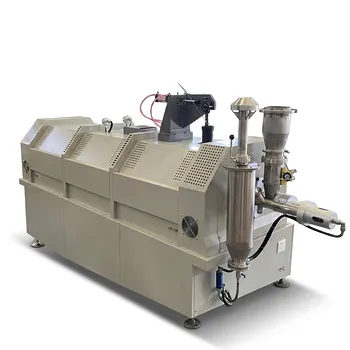
Electric Rotary Kiln Continuous Working Small Rotary Furnace Heating Pyrolysis Plant
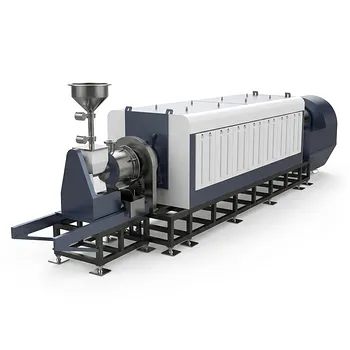
Electric Rotary Kiln Small Rotary Furnace Biomass Pyrolysis Plant
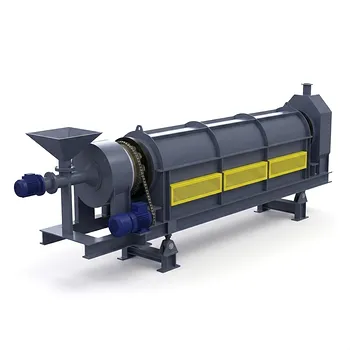
Electric Rotary Kiln Small Rotary Furnace for Activated Carbon Regeneration
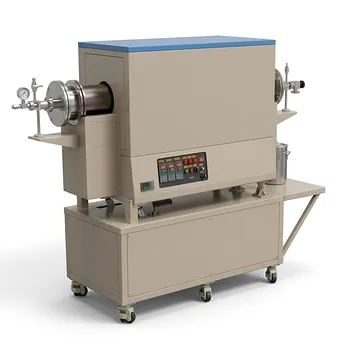
900°C Max Rotary Tube Furnace with 8 Inch 310S Alloy Tube and Optional Multi Zone Heating for Industrial Material Calcination
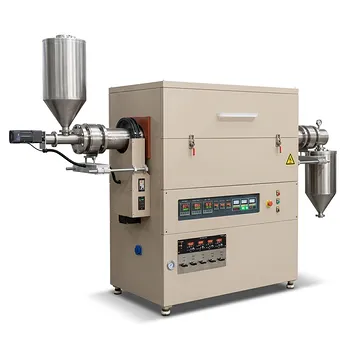
High Temperature Tilting Rotary Tube Furnace with Integrated Mass Flow Control and Multi Zone Heating
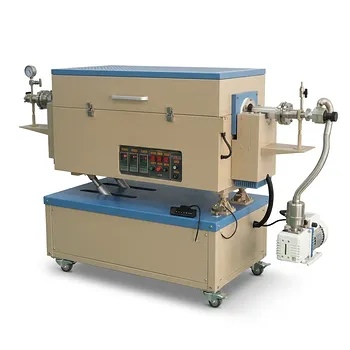
Three Zone Rotary Tube Furnace for High Temperature Powder Processing and Material Research

Vertical 1700C Vacuum and Atmosphere Tube Furnace with 80mm Alumina Tube
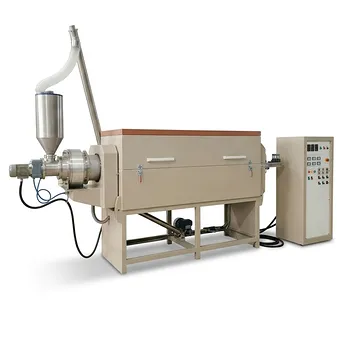
Continuous Feeding Rotary Tube Furnace for Industrial Powder Heat Treatment and Material Research
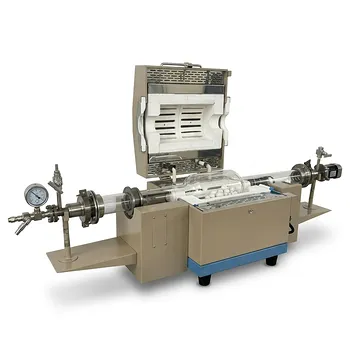
High Temperature Rotary Tube Furnace with Integrated Ball Milling and Gas Flow Function for Powder Nitriding
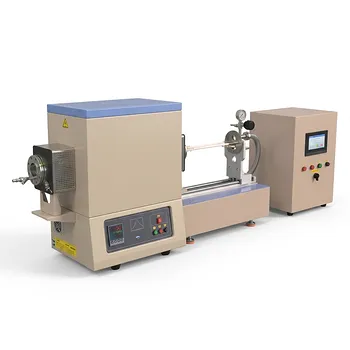
High Temperature Horizontal Electrical Assisted Sintering Furnace with 3KW Programmable Power Source for Advanced Ceramic Materials
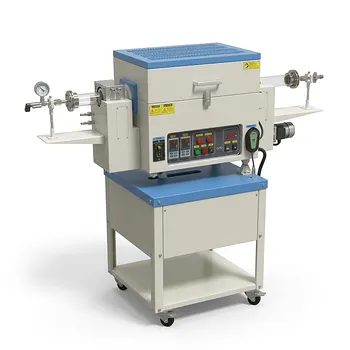
4 Inch Two Zone Rotary CVD Tube Furnace for High Temperature Battery Material Synthesis and Advanced Material Calcination
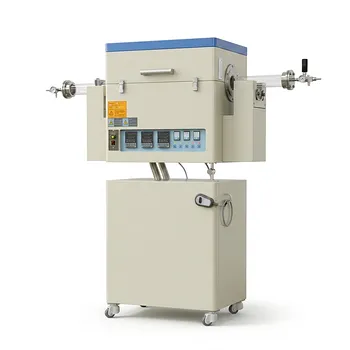
Three Temperature Zone Rotating Tube Furnace for Material Sintering and Controlled Atmospheric Heat Treatment
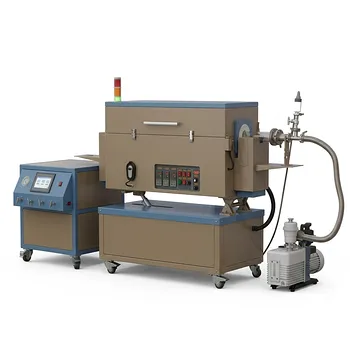
5 Inch Three Zone Rotary Tube Furnace with Integrated Gas Delivery System and 1200C Capability for Advanced Material CVD Processing
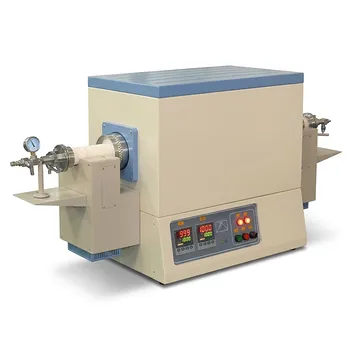
High Temperature 1700C Dual Zone Rotary Tube Furnace with 60mm Alumina Tube and Precision Rotation Control
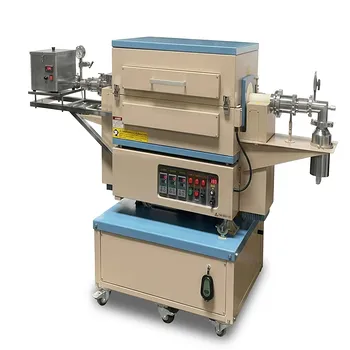
1500C 3-Zone Rotary Tube Furnace 60mm with Automatic Powder Feeding and Receiving System for Continuous Material Synthesis
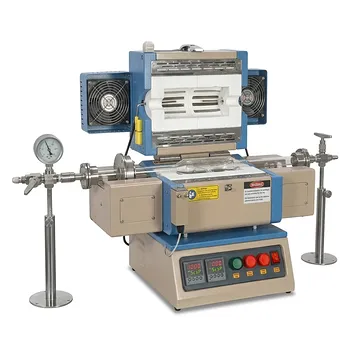
Dual Zone Rotary Tube Furnace for Uniform Powder Calcination 1000C 2 Inch Quartz Tube
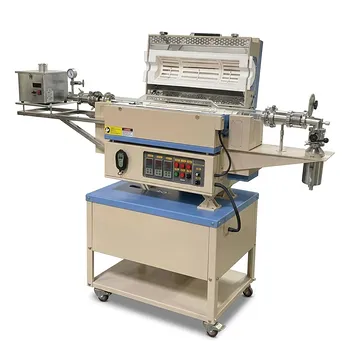
5 Inch Rotary Tube Furnace with Automatic Feeding and Receiving System 1200C Three Zone CVD Powder Processing
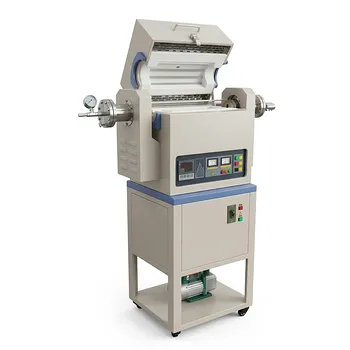
High Temperature Rotary Tilt Tubular Furnaces for Advanced Powder Sintering and Material Processing
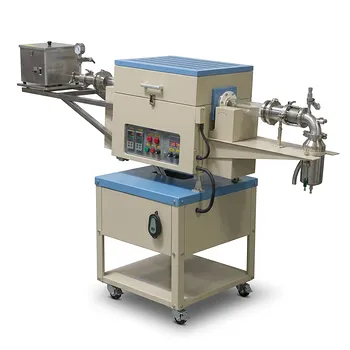
Two Zone Rotary CVD Furnace with Automatic Feeding and Receiving System for Powder Processing