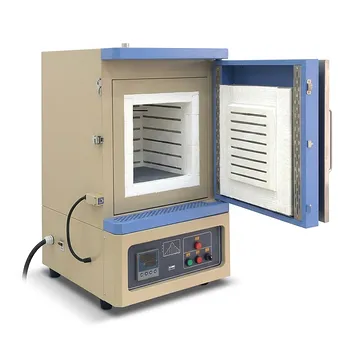
Why is a muffle furnace with precision temperature control required during Pt-MFI catalyst preparation? Optimize Results
Updated 3 months ago
The precision temperature control of a muffle furnace is the critical factor in transforming a raw catalyst precursor into a high-performance Pt-MFI zeolite. During calcination, this controlled environment facilitates the removal of organic template agents and the decomposition of metal precursors while simultaneously preventing the collapse of the zeolite’s delicate pore structure. By maintaining strict heating rates, typically between 2 to 5 °C per minute, the process ensures that platinum species remain finely dispersed rather than agglomerating into inactive clusters.
Core Takeaway: Precision calcination is a balancing act between effective chemical decomposition and structural preservation. A muffle furnace provides the exact thermal regulation needed to remove impurities and anchor platinum without destroying the zeolite framework or reducing the catalyst's active surface area.
Preserving the MFI Zeolite Framework
Controlled Template Removal
The synthesis of MFI zeolites involves organic template agents, such as TPAOH (tetrapropylammonium hydroxide), which occupy the molecular sieve pores. A muffle furnace allows for the slow, thermal oxidation of these agents, ensuring they are removed without generating localized pressure spikes that could rupture the pore walls.
Preventing Framework Collapse
If the temperature rises too rapidly, the sudden exit of decomposed organics and water can cause the zeolite structure to fail. Precision control maintains the structural integrity of the framework, ensuring the final material retains the high specific surface area required for catalytic reactions.
Maintaining Pore Accessibility
The primary goal of this thermal treatment is to clear the channels within the molecular sieve. By regulating the heat, the furnace ensures that the pores are fully opened and accessible to reactant molecules, such as methane or toluene, rather than being blocked by carbonaceous residues or collapsed structures.
Regulating Platinum Dispersion and Interaction
Preventing Platinum Agglomeration
Rapid temperature increases often lead to the sintering and severe agglomeration of platinum species. Precision heating ensures that platinum particles remain small and highly dispersed across the support, which is vital for maximizing the number of active sites available for catalysis.
Strengthening Metal-Support Interaction (SMSI)
The calcination process triggers a thermochemical transformation that anchors the active metal components onto the zeolite support. Accurate temperature regulation facilitates the formation of a Strong Metal-Support Interaction (SMSI), which stabilizes the catalyst and prevents metal leaching or migration during industrial use.
Optimizing Active Site Distribution
Controlled heating allows for the precise regulation of metal oxide particle sizes and the distribution of acid sites. This level of control is essential for creating specific catalytic interfaces and regulating oxygen vacancies, which directly influence the catalyst's selectivity and activity.
Managing Chemical Transformations
Precursor Decomposition
Platinum is often introduced via precursors like chloroplatinic acid or metal nitrates. The muffle furnace provides the stable environment (often around 500–550 °C) necessary to decompose these salts into active metallic or oxide states while removing residual nitrates or chlorides.
Eliminating Surface Impurities
Beyond template removal, calcination eliminates excess surface hydroxyl groups and residual water. This "cleans" the catalytic surface, providing the specific chemical environment required for reactions like alcohol dehydration or methane diffusion.
Phase Stabilization
For catalysts involving multi-component supports, the muffle furnace helps transition the carrier into a stable crystalline phase. This ensures the catalyst remains chemically and thermally stable under the harsh conditions of industrial chemical processing.
Understanding the Trade-offs
Thermal Efficiency vs. Structural Damage
While faster heating rates (e.g., >10 °C/min) would reduce manufacturing time and energy costs, they significantly increase the risk of sintering and pore blockage. The slower, more precise rates of 2 to 7 °C/min are a necessary investment to prevent the total loss of catalytic performance.
Temperature Uniformity Risks
In large-scale calcination, "hot spots" within a lower-quality furnace can lead to uneven catalyst quality. A high-precision muffle furnace ensures isothermal holding, which guarantees that the entire batch of Pt-MFI catalyst undergoes the same chemical transformation, ensuring batch-to-batch consistency.
How to Apply This to Your Project
When preparing Pt-MFI catalysts, your furnace settings should be dictated by your specific structural and performance requirements.
- If your primary focus is maximizing active surface area: Prioritize a very slow heating rate (2 °C/min) to ensure the zeolite framework remains entirely intact and pores are fully cleared.
- If your primary focus is long-term catalytic stability: Focus on the isothermal holding time (e.g., 500 °C for 5 hours) to ensure the formation of strong metal-support interactions and stable crystalline phases.
- If your primary focus is preventing metal sintering: Ensure your furnace has high-precision PID control to avoid temperature overshoots that can cause platinum particles to merge into larger, less active clusters.
The success of a Pt-MFI catalyst depends entirely on the precision of its thermal history during the calcination phase.
Summary Table:
| Process Stage | Impact of Precision Control | Risk of Poor Control |
|---|---|---|
| Template Removal | Gentle oxidation; preserves pore structure | Localized pressure spikes; pore rupture |
| Metal Dispersion | Prevents Pt agglomeration; maximizes active sites | Sintering; formation of inactive clusters |
| Framework Stability | Maintains high surface area and accessibility | Structural collapse; channel blockage |
| Interaction (SMSI) | Strong Metal-Support Interaction for stability | Metal leaching; poor industrial longevity |
Elevate Your Material Research with THERMUNITS Precision
At THERMUNITS, we specialize in providing high-temperature laboratory equipment designed for the rigorous demands of material science and industrial R&D. Our high-precision Muffle, Tube, and Vacuum furnaces offer the exact PID thermal regulation and uniformity needed to prevent sintering and preserve delicate zeolite frameworks during calcination.
From CVD/PECVD systems to Vacuum Induction Melting (VIM) and Hot Press furnaces, our comprehensive thermal processing solutions empower researchers to achieve superior catalytic activity and repeatable results.
Ready to optimize your heat treatment process? Contact THERMUNITS today to find your ideal solution!
References
- Xiaoyu Li, Lichen Liu. Reactant-Induced Structural Evolution of Pt Catalysts Confined in Zeolite. DOI: 10.1021/jacsau.3c00732
Mentioned Products
- Ultra High Temperature Bench Top Muffle Furnace 1750C Sintering System with Kanthal Super Heating Elements and Precision Digital Control
- Top Loading Muffle Furnace 1200°C High Temperature Crucible Furnace with 9 Liter Chamber and Programmable PID Controller
- 1200C Muffle Furnace 12x8x5 7.2L Heating Chamber with Quartz Observation Window and Vent Port
- Five Side Heating Muffle Furnace 1200C High Uniformity 64L Chamber 16x16x16 Inch Industrial Heat Treatment
- Five Sided Heating Muffle Furnace High Uniformity 1200C Lab Box Furnace 27L Alumina Fiber Chamber
People Also Ask
- Why is a benchtop muffle furnace essential for U3O8 micromaterials? Achieve precision stoichiometry and purity.
- What is the function of a muffle furnace in aluminoborosilicate glass prep? Stabilize Raw Materials for Superior Purity
- What is the function of a high-temperature muffle furnace in phosphorus-modified zeolite catalyst preparation?
- What is the function of a high-temp muffle furnace in Ni-V oxide synthesis? Optimize your material's performance.
- What is the purpose of using muffle or tube furnaces in glass synthesis? Achieve Precise Melt-Quenching & Homogeneity

Tech Team · ThermUnits
Last updated on Jun 03, 2026
Related Products
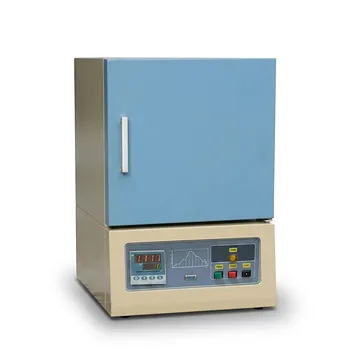
Ultra High Temperature Bench Top Muffle Furnace 1750C Sintering System with Kanthal Super Heating Elements and Precision Digital Control
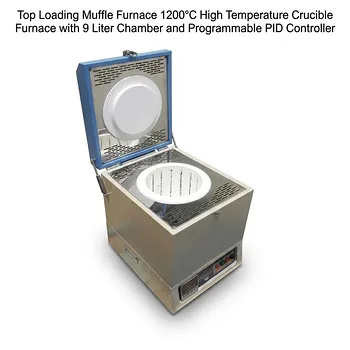
Top Loading Muffle Furnace 1200°C High Temperature Crucible Furnace with 9 Liter Chamber and Programmable PID Controller
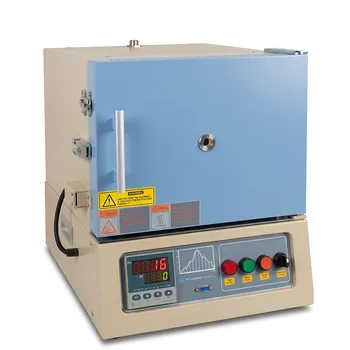
1200C Muffle Furnace 12x8x5 7.2L Heating Chamber with Quartz Observation Window and Vent Port
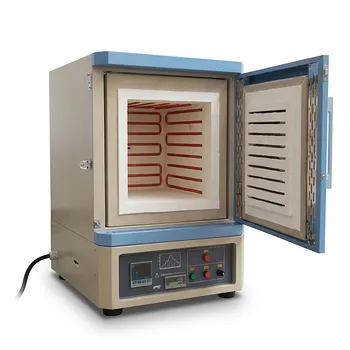
Five Side Heating Muffle Furnace 1200C High Uniformity 64L Chamber 16x16x16 Inch Industrial Heat Treatment
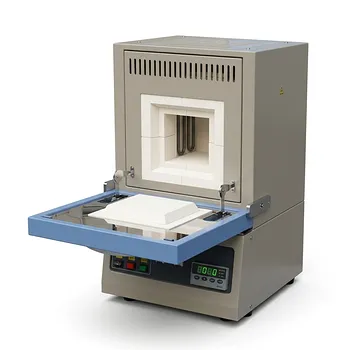
Five Sided Heating Muffle Furnace High Uniformity 1200C Lab Box Furnace 27L Alumina Fiber Chamber
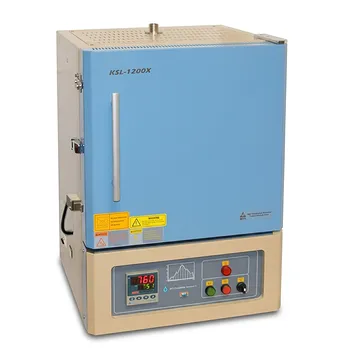
High Temperature 1200C Muffle Furnace 27L Volume 12x12x12 Chamber with Programmable PID Controller for Laboratory Material Science
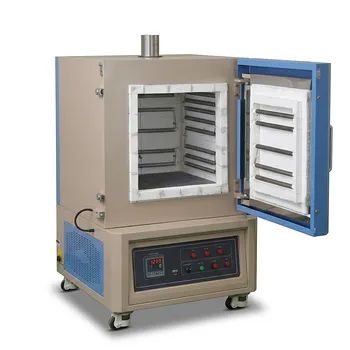
1200C High Temperature 125L Muffle Furnace 5 Side Heating for Large Batch Sintering with Optional Alloy Debinding Chamber
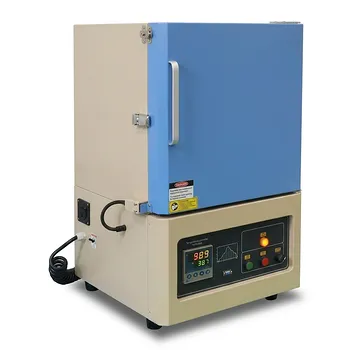
1200°C High Temperature Muffle Furnace 19L Chamber with 50 Segment Programmable Controller
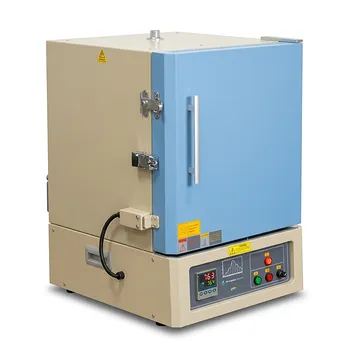
Large Capacity 1200C Muffle Furnace 64 Liter Chamber with Digital PID Controller and Built In Venting Port
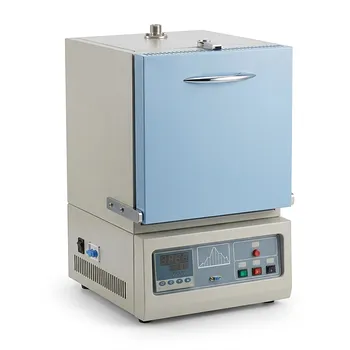
1750C Compact Muffle Furnace 1.7L Ultra High Temperature Laboratory Sintering System for Advanced Ceramics and Material Science Research
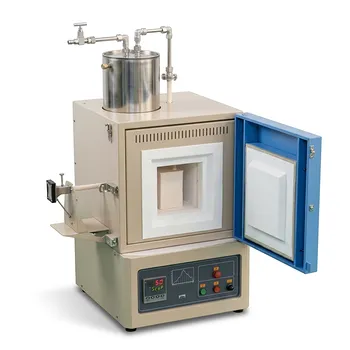
High Temperature Bench Top Muffle Furnace 1700C with Integrated Evaporating Particle Collection and 8x8x8 Alumina Fiber Chamber
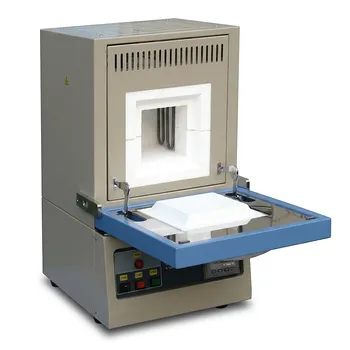
High Temperature 1800C Compact Muffle Furnace with Kanthal Super 1900 Heating Elements and 1.7L Alumina Chamber
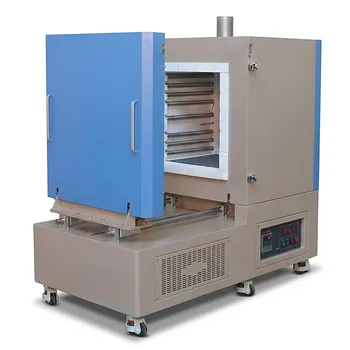
1200C Five Side Heating Muffle Furnace with Sliding Door 125L Volume High Temperature Heat Treatment System for Large Scale Sintering and Annealing
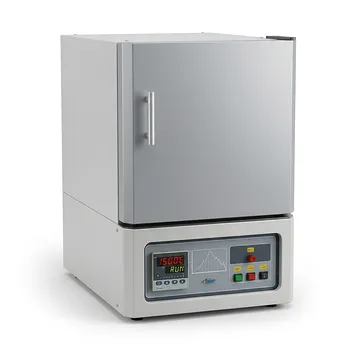
High Temperature 1500C Benchtop Muffle Furnace 3.6L Alumina Fiber Chamber Programmable Controller Sintering Annealing Carbonization Thermal Processing System
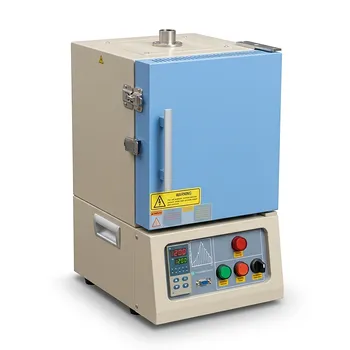
1200°C Small Box Furnace 4.2 Liter Programmable Muffle Furnace with High Purity Alumina Insulation and PID Control
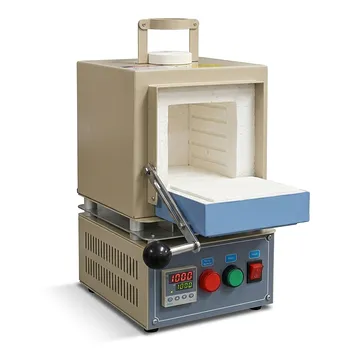
Compact 1000C Muffle Furnace with Programmable Controller and 2 Inch Top Port for Vacuum and Atmosphere Material Research
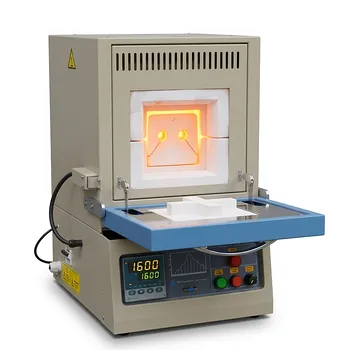
High Temperature Compact Muffle Furnace 1700 C with 30 Segment Programmable Controller and 1.7L Cubic Chamber
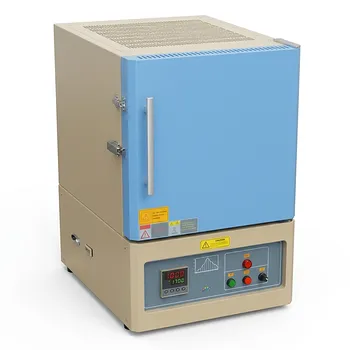
Large Bench Top 1700C High Temperature Muffle Furnace with 19L Chamber for Advanced Material Sintering and Annealing
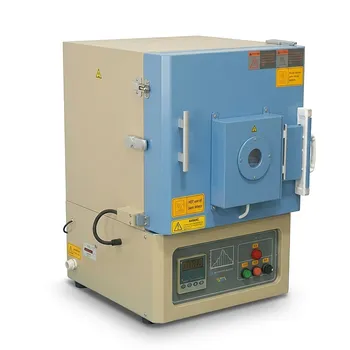
High Temperature Benchtop Muffle Furnace 1500C with 3.6L Chamber and Quartz Observation Window