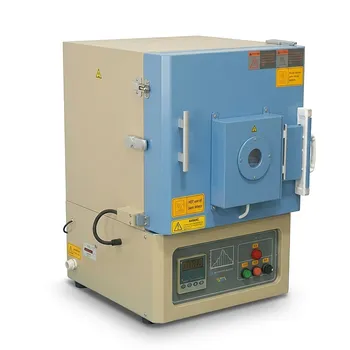
Why is an air atmosphere muffle furnace essential for the stabilization treatment of carbon nanofibers? Expert Insights
Updated 3 months ago
An air atmosphere muffle furnace is the critical tool for the stabilization of carbon nanofibers because it provides the oxygen-rich environment and precise thermal control required to chemically transform polymer precursors. This process, often conducted at temperatures between 250°C and 280°C, converts thermoplastic polyacrylonitrile (PAN) into a heat-resistant "ladder" structure, preventing the fibers from melting or fusing during subsequent high-temperature carbonization.
The air atmosphere muffle furnace serves as a chemical reactor that uses oxygen to trigger cross-linking and cyclization reactions. This structural conversion is the only way to ensure nanofibers maintain their individual fibrous morphology and structural integrity when exposed to the extreme heat required for carbonization.
The Chemical Metamorphosis: From Plastic to Ladder
The Vital Role of Oxygen as a Reactant
Unlike later stages of carbon fiber production that require inert gases, the stabilization phase depends on the presence of oxygen. In an air atmosphere muffle furnace, oxygen facilitates dehydrogenation and cyclization, which are essential for forming the initial chemical bonds between polymer chains.
Achieving Thermal Stability
This chemical shift transforms the nanofibers from a linear, thermoplastic polymer into a thermally stable ladder structure. This new molecular framework is robust enough to withstand temperatures exceeding 1000°C without degrading or losing its shape, effectively "locking" the fiber's form in place.
Preventing Fiber Fusion
Without the oxidative environment of the muffle furnace, PAN precursors would simply melt into a homogenous mass when heated. The stabilization treatment ensures that each nanofiber remains independent, preserving the high surface area and the three-dimensional network structure that makes carbon nanofibers valuable for technical applications.
Precision Control and Morphology Preservation
The Necessity of a Uniform Thermal Field
Muffle furnaces are engineered to provide a highly uniform thermal environment, which is vital for consistent fiber quality. Any temperature gradients within the furnace could lead to uneven stabilization, causing some fibers to remain thermoplastic and melt while others become brittle.
Managing Slow Heating Rates
The transition to a ladder structure is exothermic, meaning it releases its own heat. A precision-controlled muffle furnace allows for extremely slow heating rates, often as low as 1°C per minute, to prevent "thermal runaway" that would destroy the delicate nanofiber morphology.
Maintaining Hierarchical Pore Structures
By maintaining the integrity of the polymer skeleton at 260°C, the furnace sets the foundation for the hierarchical pore structure found in the final material. This structural "memory" is what allows the carbonized product to achieve high electrochemical conductivity and efficient charge transfer.
Understanding the Trade-offs and Pitfalls
The Risk of Under-Stabilization
If the furnace temperature is too low or the air exposure is insufficient, the core of the nanofiber may remain unreacted. During the subsequent carbonization stage, these unreacted cores will melt, leading to fiber breakage and loss of porosity.
The Danger of Over-Oxidation
Conversely, exceeding the recommended stabilization temperature (e.g., going significantly beyond 280°C in air) can lead to oxidative destruction. Instead of forming a ladder structure, the carbon backbone can be "burned off" as CO2, leading to significant mass loss and weakened mechanical properties.
Atmosphere Confusion
A common pitfall is failing to distinguish between the stabilization (air required) and carbonization (inert gas required) stages. Using an inert atmosphere too early prevents the formation of the ladder structure, while using an air atmosphere during high-temperature carbonization will result in the complete combustion of the sample.
How to Apply This to Your Project
Recommendations for Process Success
- If your primary focus is structural integrity: Ensure your muffle furnace is calibrated for a very slow ramp rate (1°C/min) to manage the exothermic nature of the cyclization reaction.
- If your primary focus is high conductivity: Prioritize a uniform air-flow environment during stabilization to ensure every fiber is fully converted into a ladder structure before moving to the nitrogen-rich carbonization phase.
- If your primary focus is preventing fiber clumps: Maintain a stable temperature near 260°C to ensure the fibers cross-link and harden before they reach their melting point.
The air atmosphere muffle furnace is not merely a heater, but a precision instrument that dictates the final structural and functional success of carbon nanofibers.
Summary Table:
| Key Feature | Role in Stabilization Process | Impact on Nanofiber Quality |
|---|---|---|
| Oxygen-Rich Air | Triggers cyclization & dehydrogenation | Converts thermoplastic PAN into heat-resistant ladder structure |
| Precise Temp (250-280°C) | Facilitates chemical metamorphosis | Prevents fiber melting and maintains individual morphology |
| Slow Ramp Rates | Manages exothermic heat release | Avoids "thermal runaway" and structural destruction |
| Uniform Thermal Field | Ensures consistent cross-linking | Eliminates weak spots and prevents fiber breakage during carbonization |
Elevate Your Material Research with THERMUNITS
Precision is non-negotiable when transforming delicate precursors into high-performance carbon nanofibers. THERMUNITS is a leading manufacturer of high-temperature laboratory equipment for material science and industrial R&D. We provide the thermal stability and atmospheric control required to ensure your stabilization and carbonization processes yield superior results.
Our comprehensive range of thermal processing solutions includes:
- Muffle & Atmosphere Furnaces (Perfect for oxidative stabilization)
- Vacuum & Tube Furnaces (Ideal for high-temperature carbonization)
- CVD/PECVD Systems & Rotary Kilns
- Specialized Equipment: Hot Press, Dental, Vacuum Induction Melting (VIM) furnaces, and Thermal Elements.
Ready to achieve superior heat treatment for your materials? Contact THERMUNITS today to find the perfect furnace for your lab.
References
- Bi-Ying Wang, Dawei Wang. Heterostructured WO <sub>x</sub> /W <sub>2</sub> C Nanocatalyst for Li <sub>2</sub> S Oxidation in Lithium–Sulfur Batteries with High‐Areal‐Capacity. DOI: 10.1002/smll.202310801
Mentioned Products
- Atmosphere Controlled Muffle Furnace 1700C Maximum Temperature 80L High Capacity Vacuum Inert Gas Box Furnace
- 1200C High Temperature 125L Muffle Furnace 5 Side Heating for Large Batch Sintering with Optional Alloy Debinding Chamber
- 1200C Five Side Heating Muffle Furnace with Sliding Door 125L Volume High Temperature Heat Treatment System for Large Scale Sintering and Annealing
- 1200C Muffle Furnace 12x8x5 7.2L Heating Chamber with Quartz Observation Window and Vent Port
- High Temperature 1200C Muffle Furnace 27L Volume 12x12x12 Chamber with Programmable PID Controller for Laboratory Material Science
People Also Ask
- How can atmosphere control be achieved in a muffle furnace? Mastering Precision Gas Environments for Material Research
- What role does atmosphere control play in technical ceramics and glass? Master Material Purity and Precision
- What are the typical operating temperature ranges for standard and advanced muffle furnaces? Expert Temperature Guide.
- In what ways do muffle furnaces support aerospace and advanced materials testing? Essential High-Temp Validation Tools
- How is the ash content of polymers and plastics determined using a muffle furnace? Essential Guide for QC & R&D

Tech Team · ThermUnits
Last updated on Jun 03, 2026
Related Products
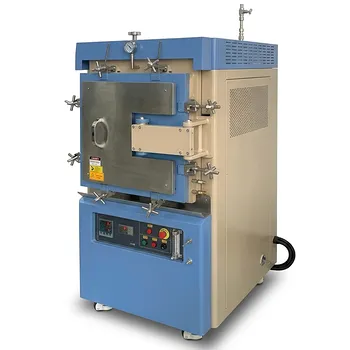
Atmosphere Controlled Muffle Furnace 1700C Maximum Temperature 80L High Capacity Vacuum Inert Gas Box Furnace
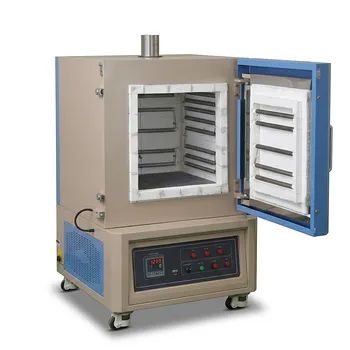
1200C High Temperature 125L Muffle Furnace 5 Side Heating for Large Batch Sintering with Optional Alloy Debinding Chamber
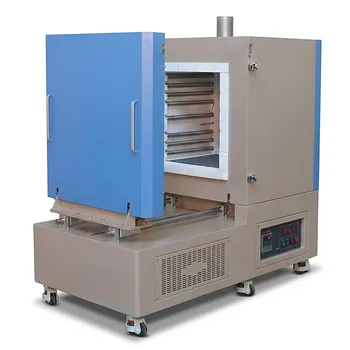
1200C Five Side Heating Muffle Furnace with Sliding Door 125L Volume High Temperature Heat Treatment System for Large Scale Sintering and Annealing
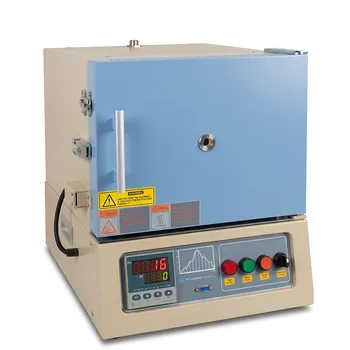
1200C Muffle Furnace 12x8x5 7.2L Heating Chamber with Quartz Observation Window and Vent Port
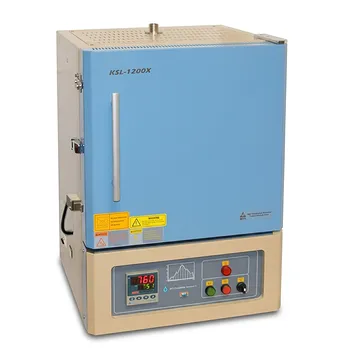
High Temperature 1200C Muffle Furnace 27L Volume 12x12x12 Chamber with Programmable PID Controller for Laboratory Material Science
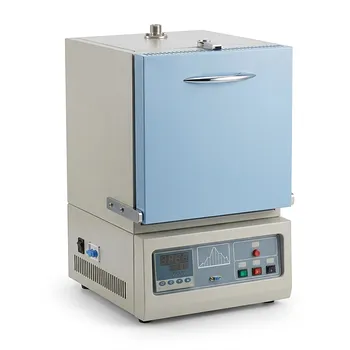
1750C Compact Muffle Furnace 1.7L Ultra High Temperature Laboratory Sintering System for Advanced Ceramics and Material Science Research
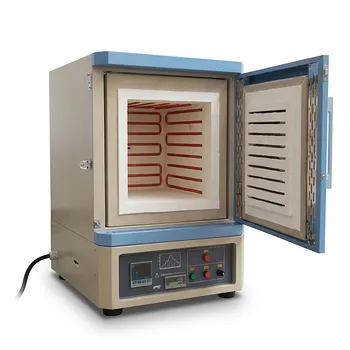
Five Side Heating Muffle Furnace 1200C High Uniformity 64L Chamber 16x16x16 Inch Industrial Heat Treatment
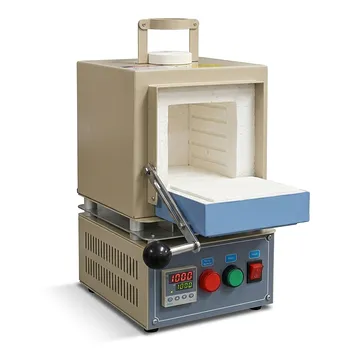
Compact 1000C Muffle Furnace with Programmable Controller and 2 Inch Top Port for Vacuum and Atmosphere Material Research
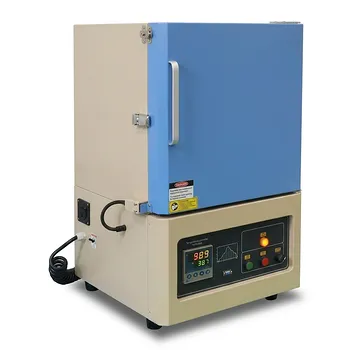
1200°C High Temperature Muffle Furnace 19L Chamber with 50 Segment Programmable Controller
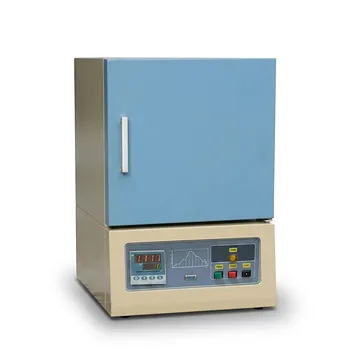
Ultra High Temperature Bench Top Muffle Furnace 1750C Sintering System with Kanthal Super Heating Elements and Precision Digital Control
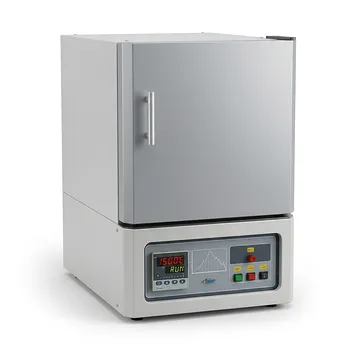
High Temperature 1500C Benchtop Muffle Furnace 3.6L Alumina Fiber Chamber Programmable Controller Sintering Annealing Carbonization Thermal Processing System
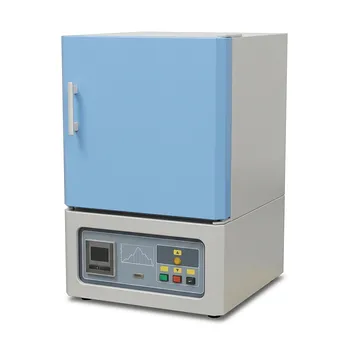
1800C Bench Top Muffle Furnace with Kanthal Super 1900 Heating Elements and 3.6L Alumina Fiber Chamber
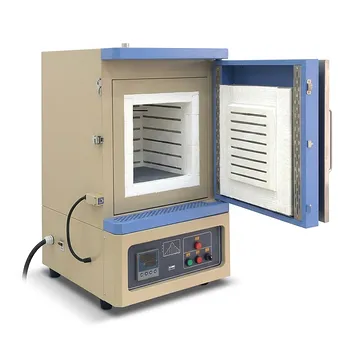
Five Side Heating Muffle Furnace High Purity Alumina Fiber 27L Chamber 1200C High Temperature Thermal Processing System for Sintering Annealing and Materials Research
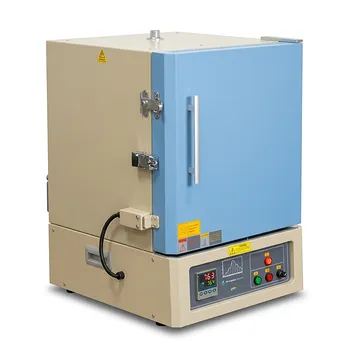
Large Capacity 1200C Muffle Furnace 64 Liter Chamber with Digital PID Controller and Built In Venting Port
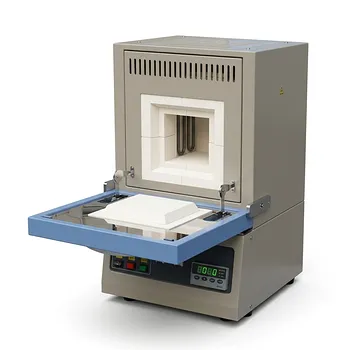
Five Sided Heating Muffle Furnace High Uniformity 1200C Lab Box Furnace 27L Alumina Fiber Chamber
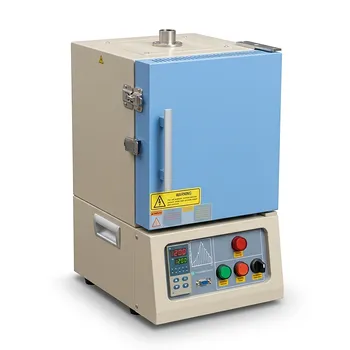
1200°C Small Box Furnace 4.2 Liter Programmable Muffle Furnace with High Purity Alumina Insulation and PID Control
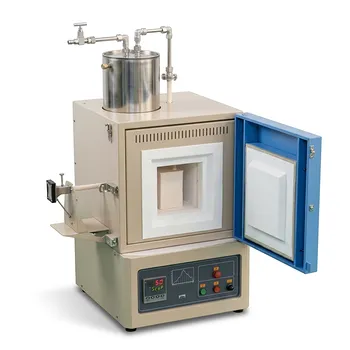
High Temperature Bench Top Muffle Furnace 1700C with Integrated Evaporating Particle Collection and 8x8x8 Alumina Fiber Chamber
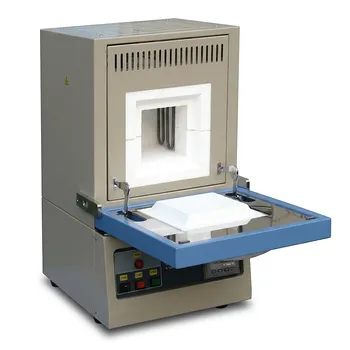
High Temperature 1800C Compact Muffle Furnace with Kanthal Super 1900 Heating Elements and 1.7L Alumina Chamber
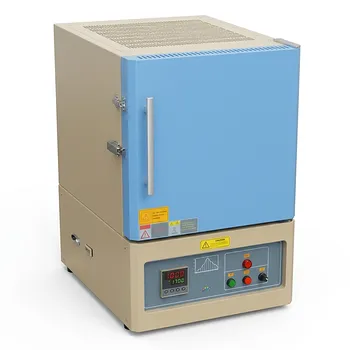
Large Bench Top 1700C High Temperature Muffle Furnace with 19L Chamber for Advanced Material Sintering and Annealing