What role does atmosphere control play in technical ceramics and glass? Master Material Purity and Precision
Updated 5 months ago
Atmosphere control is the defining factor in managing the chemical integrity and structural precision of technical ceramics and glass during high-temperature processing. By precisely regulating oxygen partial pressures or creating reducing conditions, manufacturers can dictate the material's stoichiometry and prevent unwanted phase transformations. This level of environmental mastery is essential for achieving the high purity and specific crystalline structures required for advanced engineering applications.
Atmosphere control transforms the furnace environment from a simple heat source into a precise chemical tool, ensuring that materials achieve their intended mechanical and optical properties by preventing contamination and structural defects.
Maintaining Chemical and Phase Stability
Precision Management of Stoichiometry
Atmosphere control allows for the exact regulation of a material’s chemical composition, particularly its oxygen content. By adjusting the oxygen partial pressure, manufacturers ensure that the final product maintains the correct ratio of elements, which is vital for the functionality of technical ceramics.
Preventing Unwanted Phase Changes
Exposure to the wrong atmosphere at high temperatures can trigger unintended chemical reactions that alter the material's phase. A controlled environment ensures that only the desired crystalline structures are formed, preserving the material's intended characteristics.
Inhibiting Impurity Generation
Even trace amounts of atmospheric gases can introduce impurities during the sintering process. Using inert or reactive protective environments effectively blocks these contaminants, resulting in a significantly higher level of material purity.
Influencing Microstructure and Physical Properties
Regulating Crystalline Phase Purity
The physical foundation of a high-performance ceramic lies in its crystalline phase purity. Controlled atmospheres provide the necessary chemical setting to inhibit the growth of secondary, weaker phases that could compromise the material.
Achieving Precise Microstructure Control
Atmosphere control is a primary lever for regulating a material's microstructure, including grain size and pore distribution. This level of detail is critical for ensuring that the ceramic or glass can withstand specific mechanical stresses.
Enhancing Optical and Mechanical Performance
For optical glass and advanced ceramics, the absence of defects is non-negotiable. Controlled environments reduce the likelihood of internal flaws, directly leading to superior optical clarity and enhanced mechanical strength.
Understanding Technical Challenges and Trade-offs
Complexity of Multi-Stage Cycles
Maintaining a consistent atmosphere throughout complex thermal cycles is technically demanding and requires sophisticated sensor feedback loops. Any fluctuation in gas composition can lead to batch-to-batch inconsistency, making process stability a constant challenge.
Cost vs. Performance
Implementing high-precision atmosphere control, such as using high-purity argon or hydrogen, significantly increases operational costs. Engineers must often balance the need for absolute material perfection against the economic realities of the project.
Equipment Maintenance and Safety
Reducing atmospheres or reactive gases can be corrosive or hazardous, necessitating specialized furnace linings and rigorous safety protocols. This adds a layer of maintenance complexity that is not present in standard air-fired processes.
Making the Right Choice for Your Goal
Technical requirements should dictate the level of atmosphere control required for your specific application.
- If your primary focus is optical clarity: Use a vacuum or inert atmosphere to eliminate bubbles and impurities that scatter light.
- If your primary focus is mechanical strength: Focus on oxygen-controlled environments to ensure a uniform microstructure and prevent phase-related weak points.
- If your primary focus is electronic properties: Prioritize precise stoichiometry control to maintain the exact charge carrier concentrations required for conductivity or insulation.
By mastering the chemical environment, you ensure that your materials meet the rigorous demands of modern technical applications.
Summary Table:
| Key Control Factor | Primary Function | Core Benefit |
|---|---|---|
| Oxygen Partial Pressure | Stoichiometry Regulation | Maintains chemical integrity and electrical properties. |
| Inert/Vacuum Environment | Impurity & Gas Removal | Ensures high optical clarity and density by eliminating bubbles. |
| Reducing Atmosphere | Phase Stability Management | Prevents oxidation and ensures desired crystalline structures. |
| Microstructure Control | Grain Size & Pore Regulation | Enhances mechanical strength and resistance to stress. |
Precision Atmosphere Solutions for Advanced Material R&D
Achieve uncompromising material integrity with THERMUNITS, a premier manufacturer of high-temperature laboratory equipment. Our advanced Atmosphere, Vacuum, and Tube furnaces, alongside our specialized CVD/PECVD systems and Hot Press solutions, are designed to give you total control over your thermal processing environment.
Whether you are refining technical ceramics, engineering optical glass, or developing advanced industrial materials, THERMUNITS provides the reliability and precision required for superior heat treatment. From Muffle and Dental furnaces to Vacuum Induction Melting (VIM) and Electric Rotary Kilns, our comprehensive range supports every stage of material science innovation.
Ready to elevate your research and production standards?
Contact the THERMUNITS Team Today
Mentioned Products
- 1650C High Temperature Atmosphere Controlled Box Furnace with 65L Chamber for Advanced Material Sintering and Industrial Heat Treatment
- High Temperature Vertical Atmosphere Controlled Furnace with Automatic Bottom Loading and 1700°C Capacity for Advanced Material Research
- High Temperature Oxygen and Inert Atmosphere Controlled Furnace 8 Liter 1700C Sintering System for Advanced Materials RD
- Atmosphere Controlled Muffle Furnace 1700C Maximum Temperature 80L High Capacity Vacuum Inert Gas Box Furnace
- 1200°C Five Side Heating Atmosphere Controlled Muffle Furnace 64 Liter High Uniformity Box Furnace for Material Synthesis
People Also Ask
- What role does a high-temperature atmosphere furnace play in the direct electrochemical reduction of CO2? - Key Insights
- What is the role of a high-temperature box furnace in the solid-state synthesis of Europium-doped M3MgSi2O8 phosphors?
- What is the role of a high-temperature box furnace in Na3MnZr(PO4)3 synthesis? Engineering High-Performance NASICON.
- What physical conditions does a high-temperature atmosphere furnace provide for MXene exfoliation? Process Guide
- What is the role of a high-temperature atmosphere furnace in HfCo-N-C catalyst preparation? Expert Synthesis Guide.

Tech Team · ThermUnits
Last updated on Apr 14, 2026
Related Products
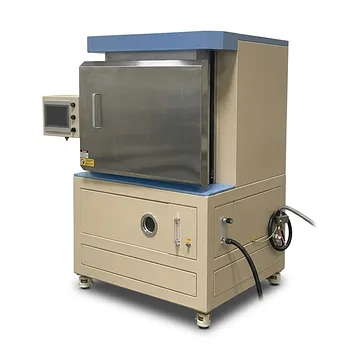
1650C High Temperature Atmosphere Controlled Box Furnace with 65L Chamber for Advanced Material Sintering and Industrial Heat Treatment
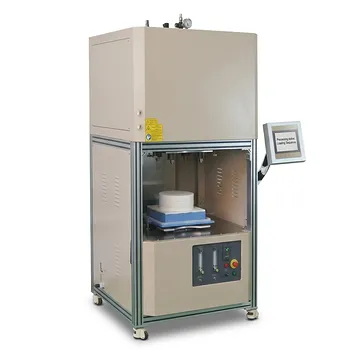
High Temperature Vertical Atmosphere Controlled Furnace with Automatic Bottom Loading and 1700°C Capacity for Advanced Material Research
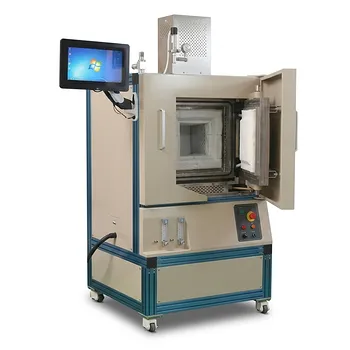
High Temperature Oxygen and Inert Atmosphere Controlled Furnace 8 Liter 1700C Sintering System for Advanced Materials RD
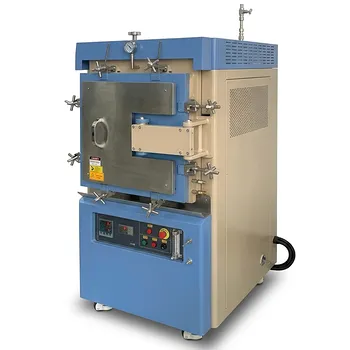
Atmosphere Controlled Muffle Furnace 1700C Maximum Temperature 80L High Capacity Vacuum Inert Gas Box Furnace
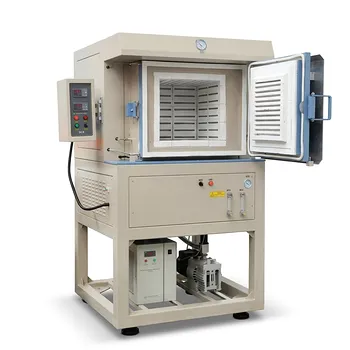
1200°C Five Side Heating Atmosphere Controlled Muffle Furnace 64 Liter High Uniformity Box Furnace for Material Synthesis
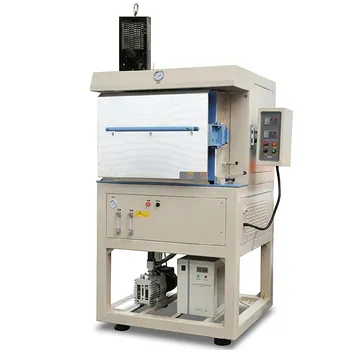
1200C Hydrogen Atmosphere Box Furnace with 5 Heated Sides and 64L Chamber

1750°C High Temperature Benchtop Vacuum Atmosphere Tube Furnace with Kanthal Super 1800 Heating Elements and 60mm Alumina Processing Tube
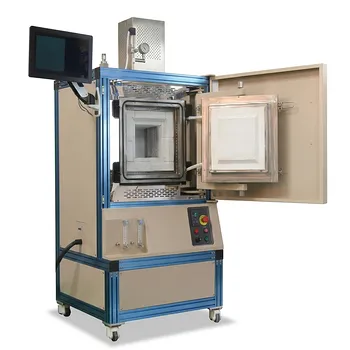
High Temperature Hydrogen Atmosphere Box Furnace 1650C Max Reducing Environment Material Synthesis System 8x8x8 Chamber
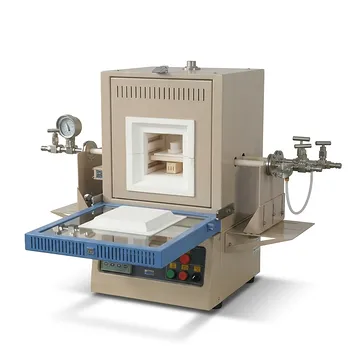
1700C Compact Hybrid Furnace with Dual Layer Box Sintering and Controlled Atmosphere Alumina Tubes

Vertical 1700C Vacuum and Atmosphere Tube Furnace with 80mm Alumina Tube
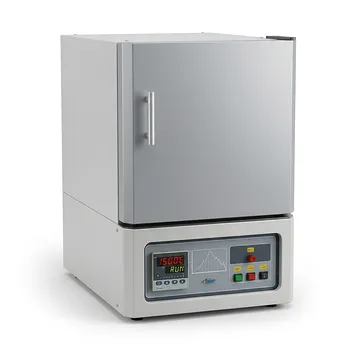
High Temperature 1500C Benchtop Muffle Furnace 3.6L Alumina Fiber Chamber Programmable Controller Sintering Annealing Carbonization Thermal Processing System
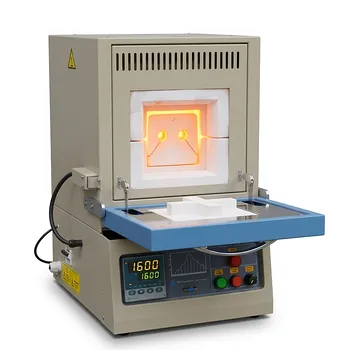
High Temperature Compact Muffle Furnace 1700 C with 30 Segment Programmable Controller and 1.7L Cubic Chamber

High Temperature 1700C Tube Furnace with High Vacuum Turbomolecular Pump System and Multi Channel Mass Flow Controller Gas Mixer
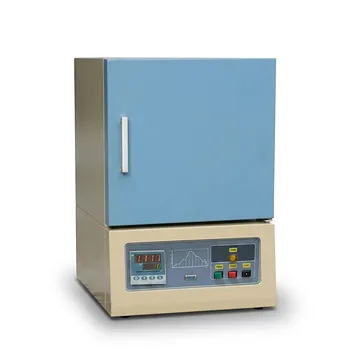
Ultra High Temperature Bench Top Muffle Furnace 1750C Sintering System with Kanthal Super Heating Elements and Precision Digital Control

High Temperature 1700C Vertical Tube Furnace for Powder Spherification and Material Sintering
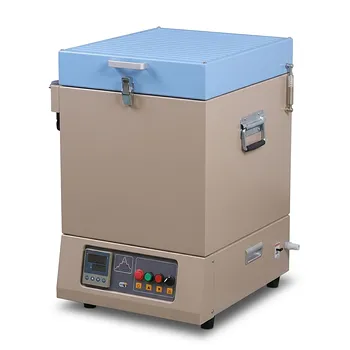
High Temperature Vertical Crucible Furnace with 22L Heating Chamber and 1200C Maximum Temperature
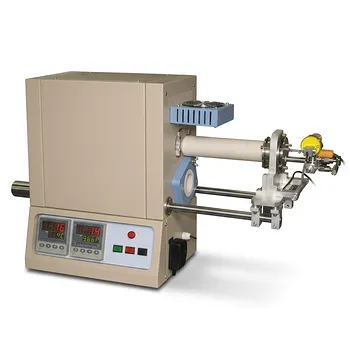
High Temperature Tube Furnace 1500C with Sliding Flanges and 50mm OD for Rapid Thermal Processing Fast Heating and Cooling
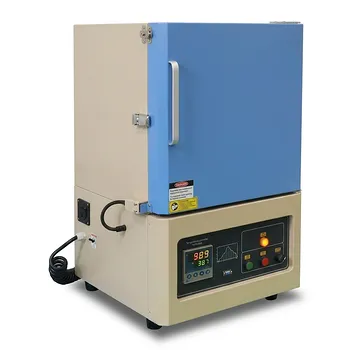
1200°C High Temperature Muffle Furnace 19L Chamber with 50 Segment Programmable Controller
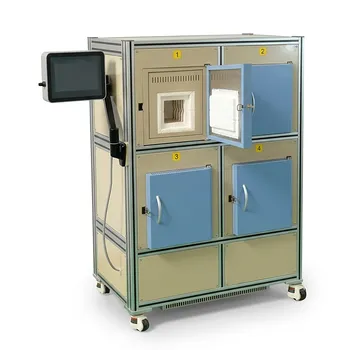
High Temperature Four Chamber Box Furnace for High Throughput Materials Research and Space Saving Thermal Processing