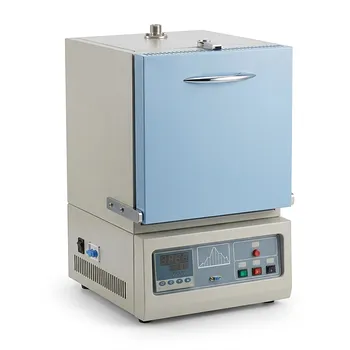
How can atmosphere control be achieved in a muffle furnace? Mastering Precision Gas Environments for Material Research
Updated 5 months ago
Achieving atmosphere control in a muffle furnace requires a specialized unit equipped with integrated gas inlets and exhaust ports. These features allow for the continuous purging of the internal chamber with specific gases to create an oxidizing, inert, or reducing environment. This process is critical for protecting materials from oxidation, decarburization, or combustion during high-temperature thermal processing.
Atmosphere control transforms a standard furnace into a precision environment by replacing ambient air with specific gases to dictate chemical reactions. This capability allows researchers to isolate materials from oxygen and maintain chemical integrity at extreme temperatures.
The Mechanics of Atmospheric Modification
Specialized Gas Inlets and Exhaust Ports
The primary mechanism for control is the inclusion of dedicated gas ports within the furnace structure. These inlets allow for the introduction of high-purity gases directly into the heating chamber.
Exhaust ports are equally vital, as they allow for the displacement of ambient air and the escape of any gaseous byproducts generated during the process. This creates a directional flow that ensures the internal environment remains consistent throughout the heating cycle.
Airtight Chamber Sealing
Standard muffle furnaces are often not airtight; therefore, atmosphere-controlled models feature sealed components to prevent gas leakage. This structural integrity is necessary to maintain the pressure and purity of the internal gas environment.
The Process of Achieving a Pure Environment
Initial Purging and Volume Replacement
To ensure an oxygen-free state, the furnace volume must be replaced multiple times with high-purity gas before and during the heating process. This volume purging removes residual oxygen that could cause material degradation or unintended combustion.
Maintaining Continuous Gas Flow
A continuous flow of gas, such as nitrogen or argon, is often required to maintain the desired atmosphere. This constant stream prevents the infiltration of outside air and carries away volatiles produced during processes like pyrolysis or torrefaction.
Temperature and Heating Rate Coordination
Atmosphere control is often paired with precise temperature controllers to manage specific heating rates. This synergy is essential for processes like biochar production, where the temperature must be held at a specific point (e.g., 500°C) while the atmosphere remains inert.
Common Atmospheric Environments and Their Uses
Inert Gas Blanketing (Nitrogen and Argon)
Nitrogen is the most common inert gas used to prevent biomass combustion during pyrolysis. It facilitates a controlled thermal decomposition that converts biomass into carbon-based materials with stable chemical properties.
Argon is frequently used for high-temperature treatment of alloy ingots, often at temperatures reaching 1000°C. Because argon is heavier and more stable than nitrogen at extreme temperatures, it is superior for preventing oxidation and decarburization in metallurgy.
Reducing and Oxidizing Environments
Beyond inert gases, specialized furnaces can introduce reducing gases to remove oxygen from a material’s surface. Conversely, controlled oxidizing environments can be created for specific ceramic or chemical applications where oxygen is a necessary reactant.
Understanding the Trade-offs and Challenges
Gas Purity and Consumption Costs
Achieving a truly inert environment requires high-purity gas, which can significantly increase operational costs. If the gas source is contaminated with even trace amounts of moisture or oxygen, the material properties may be compromised.
Sealing Limitations and Safety
Maintaining a perfect seal at extreme temperatures is technically difficult due to the thermal expansion of gaskets and furnace components. Furthermore, using certain gases (like hydrogen for reducing atmospheres) requires rigorous safety protocols to prevent leaks and potential explosions.
Flow Rate and Thermal Uniformity
High gas flow rates can sometimes disrupt thermal uniformity within the chamber by creating cool spots near the inlet. Operators must balance the need for high gas exchange rates with the requirement for a consistent temperature profile across the sample.
How to Apply This to Your Project
Making the Right Choice for Your Goal
To determine the best atmosphere control strategy, consider the specific requirements of your material and the desired chemical outcome.
- If your primary focus is Biochar Pyrolysis: Use a continuous flow of high-purity nitrogen to isolate oxygen and prevent biomass combustion while maintaining a steady heating rate.
- If your primary focus is Metallurgy or Alloy Treatment: Utilize argon gas at high temperatures to prevent decarburization and facilitate thermal diffusion without chemical interference.
- If your primary focus is Preventing Oxidation on a Budget: Ensure your furnace supports multiple volume replacements with nitrogen and features a high-quality seal to minimize gas waste.
Effective atmosphere control is the bridge between simple heating and precision material synthesis.
Summary Table:
| Feature/Method | Function in Atmosphere Control | Recommended Application |
|---|---|---|
| Gas Inlets & Ports | Allows introduction of high-purity gases and escape of ambient air. | General heat treatment |
| Airtight Sealing | Prevents gas leakage and oxygen infiltration during heating. | High-purity synthesis |
| Volume Purging | Displaces residual oxygen before the heating cycle begins. | Biochar & Pyrolysis |
| Inert Gas (N2/Ar) | Creates a non-reactive blanket to prevent oxidation or combustion. | Metallurgy & Alloys |
| Reducing Gas | Actively removes oxygen from material surfaces. | Chemical reduction |
| Flow Management | Maintains consistent internal pressure and carries away volatiles. | Torrefaction processes |
Elevate Your Thermal Processing with THERMUNITS
Precision atmosphere control is the difference between a successful experiment and a compromised sample. THERMUNITS is a leading manufacturer of high-temperature laboratory equipment for material science and industrial R&D. We provide the specialized tools you need to master your environment, including:
- Atmosphere & Vacuum Furnaces for oxygen-sensitive processes.
- Muffle, Tube, and Rotary Furnaces for versatile heat treatment.
- CVD/PECVD & Hot Press Systems for advanced material synthesis.
- Custom Solutions: From dental furnaces to vacuum induction melting (VIM) systems.
Don't let oxidation or inconsistent gas flow hinder your results. Contact our expert team today to find the perfect thermal processing solution for your laboratory or industrial facility!
Mentioned Products
- Atmosphere Controlled Muffle Furnace 1700C Maximum Temperature 80L High Capacity Vacuum Inert Gas Box Furnace
- Compact Hybrid Muffle and Tube Furnace for 1000C Controlled Atmosphere Laboratory Material Sintering
- 1200C Hybrid Muffle and Tube Furnace for Material Research with Dual Atmosphere Control Quartz Tubes
- Compact 1000C Muffle Furnace with Programmable Controller and 2 Inch Top Port for Vacuum and Atmosphere Material Research
- 1200°C Atmosphere Controlled Automatic Bottom Loading Furnace with 6 Inch Quartz Tube
People Also Ask
- What role does atmosphere control play in technical ceramics and glass? Master Material Purity and Precision
- What are the typical operating temperature ranges for standard and advanced muffle furnaces? Expert Temperature Guide.
- In what ways do muffle furnaces support aerospace and advanced materials testing? Essential High-Temp Validation Tools
- How is the ash content of polymers and plastics determined using a muffle furnace? Essential Guide for QC & R&D
- Why is the thermal environment provided by high-precision laboratory ovens or muffle furnaces essential? Achieve Precision.

Tech Team · ThermUnits
Last updated on Apr 14, 2026
Related Products
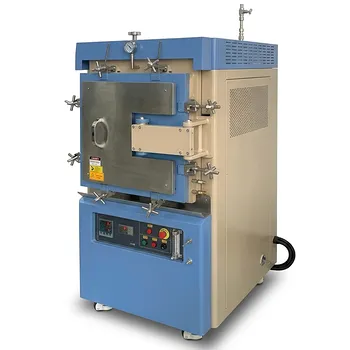
Atmosphere Controlled Muffle Furnace 1700C Maximum Temperature 80L High Capacity Vacuum Inert Gas Box Furnace
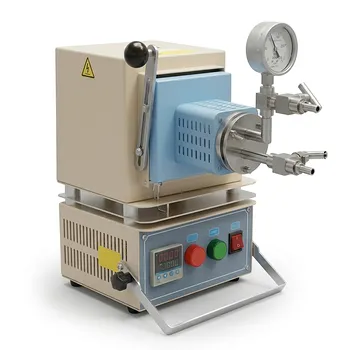
Compact Hybrid Muffle and Tube Furnace for 1000C Controlled Atmosphere Laboratory Material Sintering
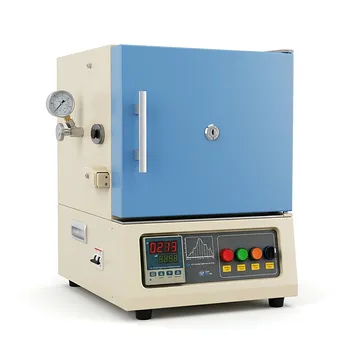
1200C Hybrid Muffle and Tube Furnace for Material Research with Dual Atmosphere Control Quartz Tubes
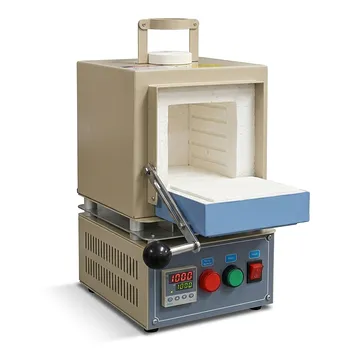
Compact 1000C Muffle Furnace with Programmable Controller and 2 Inch Top Port for Vacuum and Atmosphere Material Research
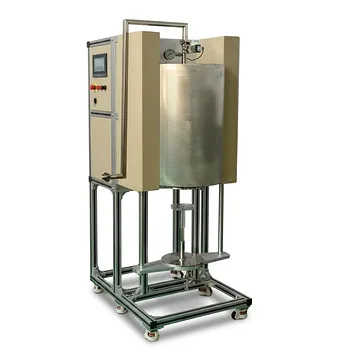
1200°C Atmosphere Controlled Automatic Bottom Loading Furnace with 6 Inch Quartz Tube
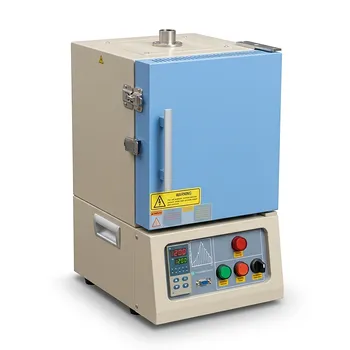
1200°C Small Box Furnace 4.2 Liter Programmable Muffle Furnace with High Purity Alumina Insulation and PID Control
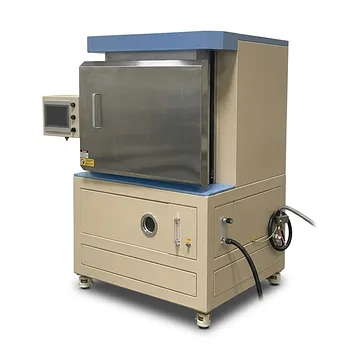
1650C High Temperature Atmosphere Controlled Box Furnace with 65L Chamber for Advanced Material Sintering and Industrial Heat Treatment
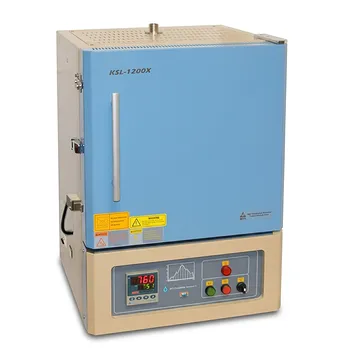
High Temperature 1200C Muffle Furnace 27L Volume 12x12x12 Chamber with Programmable PID Controller for Laboratory Material Science
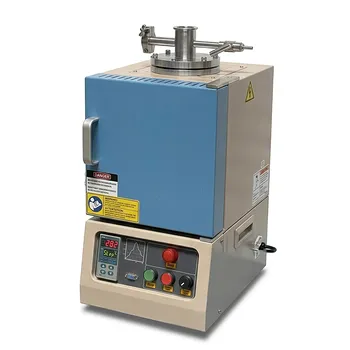
High Temperature Hybrid Muffle and Tube Furnace with Vacuum Capability and PID Control
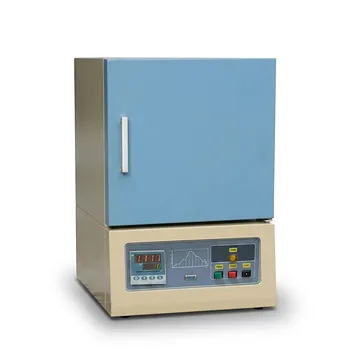
Ultra High Temperature Bench Top Muffle Furnace 1750C Sintering System with Kanthal Super Heating Elements and Precision Digital Control
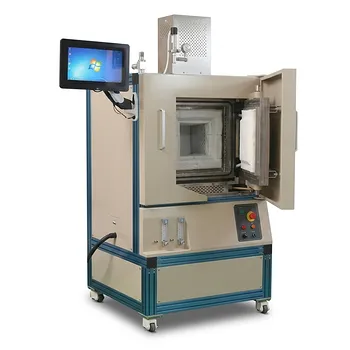
High Temperature Oxygen and Inert Atmosphere Controlled Furnace 8 Liter 1700C Sintering System for Advanced Materials RD
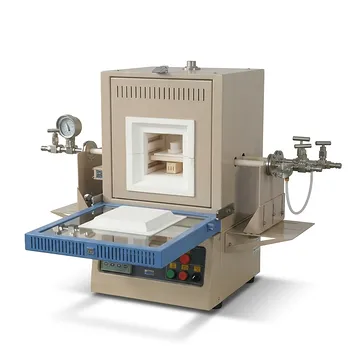
1700C Compact Hybrid Furnace with Dual Layer Box Sintering and Controlled Atmosphere Alumina Tubes
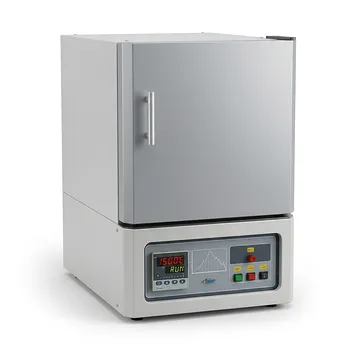
High Temperature 1500C Benchtop Muffle Furnace 3.6L Alumina Fiber Chamber Programmable Controller Sintering Annealing Carbonization Thermal Processing System
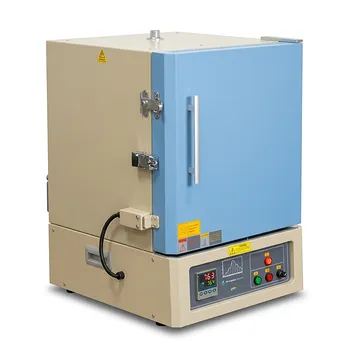
Large Capacity 1200C Muffle Furnace 64 Liter Chamber with Digital PID Controller and Built In Venting Port
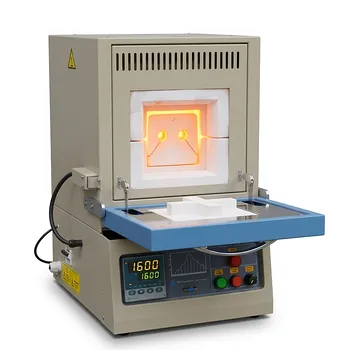
High Temperature Compact Muffle Furnace 1700 C with 30 Segment Programmable Controller and 1.7L Cubic Chamber
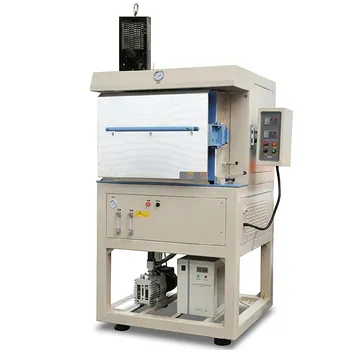
1200C Hydrogen Atmosphere Box Furnace with 5 Heated Sides and 64L Chamber
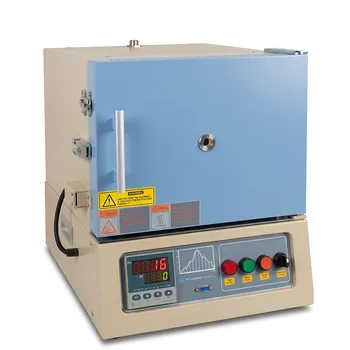
1200C Muffle Furnace 12x8x5 7.2L Heating Chamber with Quartz Observation Window and Vent Port
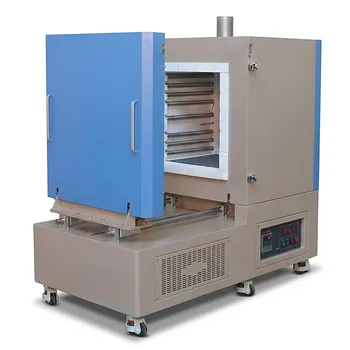
1200C Five Side Heating Muffle Furnace with Sliding Door 125L Volume High Temperature Heat Treatment System for Large Scale Sintering and Annealing
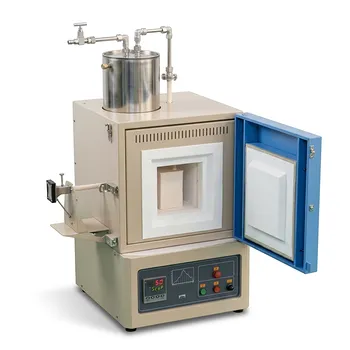
High Temperature Bench Top Muffle Furnace 1700C with Integrated Evaporating Particle Collection and 8x8x8 Alumina Fiber Chamber