Why is high-purity nitrogen used as a protective atmosphere during the pyrolysis of corn straw biochar? Ensuring Quality
Updated 3 months ago
High-purity nitrogen is the critical safeguard that prevents corn straw from burning during the carbonization process. By displacing all oxygen within the furnace, nitrogen ensures that the biomass undergoes thermal degradation (pyrolysis) rather than combustion, allowing the carbon to be captured as a solid skeleton instead of being lost to the atmosphere as carbon dioxide and ash.
Core Takeaway: High-purity nitrogen creates a strictly inert, oxygen-free environment that forces biomass to decompose into high-quality biochar. Without this protective atmosphere, the material would simply burn, destroying the delicate pore structures and chemical groups essential for the biochar's performance.
Preventing Oxidative Loss
Avoiding Direct Combustion
At the high temperatures required for pyrolysis—often exceeding 400°C—biomass will naturally ignite if oxygen is present. High-purity nitrogen (N2) acts as a chemical shield, displacing oxygen to ensure the material charrs rather than catches fire.
Maximizing Carbon Yield
The primary goal of pyrolysis is to convert organic macromolecules into a stable biochar skeleton. By eliminating oxygen, nitrogen prevents the carbon elements from reacting to form $CO_2$, thereby maximizing the final weight and density of the solid product.
Shifting Thermal Pathways
In an oxygen-free environment, thermal energy breaks chemical bonds to produce energy-rich bio-oil and solid char. Nitrogen ensures the reaction follows this "anaerobic" path, which is necessary to transform raw corn straw into a valuable technical material.
Protecting Material Architecture
Preservation of Microporous Structures
The effectiveness of biochar as a filter or catalyst support depends on its microporous structure. An inert atmosphere protects these tiny pores from being "burned away" or collapsed by violent oxidative reactions during heating.
Safeguarding Surface Chemistry
Corn straw biochar often relies on oxygen-containing functional groups and persistent free radicals (PFRs) for chemical reactivity, such as reducing hexavalent chromium. Nitrogen prevents these sensitive groups from being destroyed by premature oxidation at high temperatures.
Maintaining Aromatic Integrity
High-purity nitrogen allows the biomass to develop a stable aromatic structure. This molecular arrangement provides the biochar with its long-term chemical stability and resistance to environmental degradation.
Process Control and Safety
The Importance of Purging
Before the heating cycle begins, nitrogen is used to purge residual air from the reaction chamber. This initial step is vital to ensure the environment is fully inert before the biomass reaches its ignition temperature.
Continuous Flow Stability
A constant flow of nitrogen (e.g., 100 cm³/min) maintains a positive pressure environment. This prevents external oxygen from leaking into the furnace during the various stages of heating and insulation.
Cooling and Stabilization
Even after the heat is turned off, nitrogen continues to protect the biochar. It prevents the hot, freshly formed char from spontaneously combusting when it is eventually exposed to the atmosphere during the cooling phase.
Understanding the Trade-offs
Nitrogen Purity vs. Quality
Using lower-purity nitrogen can lead to unintentional surface oxidation. While cheaper, residual oxygen in the gas stream can thin the pore walls of the biochar, reducing its mechanical strength and surface area.
Flow Rate Implications
While a high flow rate ensures a strictly inert environment, it can also sweep away volatile compounds too quickly. This can alter the yield of bio-oils and slightly change the chemical composition of the final solid char.
Economic Considerations
High-purity nitrogen adds to the operational cost of biochar production. However, this cost is generally considered necessary, as the absence of a protective atmosphere results in a total loss of the product through ash formation.
How to Apply This to Your Project
Understanding the role of nitrogen allows for better optimization of the pyrolysis process based on your specific requirements.
- If your primary focus is maximizing surface area: Ensure a high-purity nitrogen flow and a thorough initial purge to prevent even minor oxidative damage to the micropores.
- If your primary focus is chemical reactivity: Maintain a strictly anaerobic environment to preserve the sensitive surface functional groups required for pollutant reduction.
- If your primary focus is industrial scale-up: Optimize nitrogen flow rates to find the balance between maintaining an inert atmosphere and minimizing gas consumption costs.
Ultimately, high-purity nitrogen is the indispensable "chemical cage" that allows biomass to transform into a high-performance material without being consumed by flame.
Summary Table:
| Role of Nitrogen | Key Technical Benefit | Impact on Biochar Quality |
|---|---|---|
| Oxygen Displacement | Prevents direct combustion/ash formation | Maximizes carbon yield and solid recovery |
| Structure Protection | Preserves delicate microporous networks | Enhances surface area and filtration capacity |
| Chemical Shielding | Safeguards oxygen-containing functional groups | Maintains high chemical and catalytic reactivity |
| Thermal Stability | Enables anaerobic decomposition pathways | Produces stable, aromatic-rich bio-oil and char |
| Safety & Cooling | Prevents spontaneous ignition during cooling | Ensures process safety and material integrity |
Elevate Your Material Research with THERMUNITS
High-performance biochar requires precise atmospheric control. THERMUNITS is a leading manufacturer of high-temperature laboratory equipment, providing the advanced thermal processing solutions needed for rigorous material science and industrial R&D.
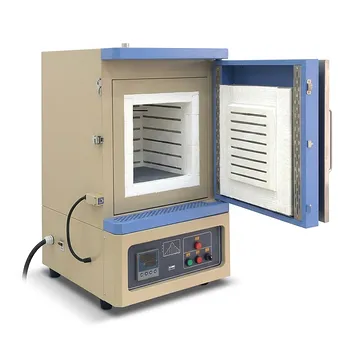
Our specialized range includes Atmosphere, Vacuum, and Tube furnaces, as well as Rotary and CVD/PECVD systems, all engineered to maintain the strict high-purity environments essential for successful pyrolysis. Whether you are developing adsorbents or soil amendments, our equipment ensures uniform heating and reliable gas control to maximize your product quality.
Ready to optimize your heat treatment process?
Contact our technical experts today to find the perfect furnace solution for your laboratory or pilot plant!
References
- Huali Yu, Lei Han. Experimental and DFT insights into the adsorption mechanism of methylene blue by alkali-modified corn straw biochar. DOI: 10.1039/d3ra05964b
Mentioned Products
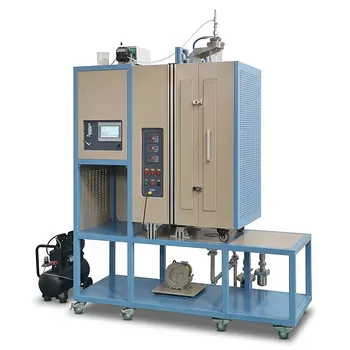
- 1500C Three Zone Vertical Pyrolysis Furnace for Nanoparticle Synthesis and Advanced Oxide Coating
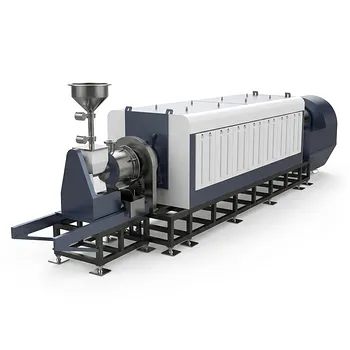
- Electric Rotary Kiln Small Rotary Furnace Biomass Pyrolysis Plant
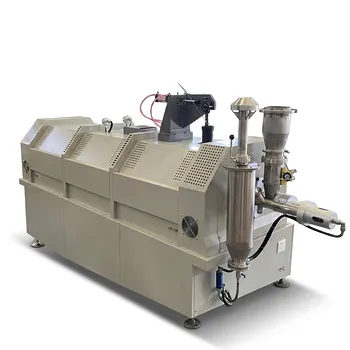
- Electric Rotary Kiln Continuous Working Small Rotary Furnace Heating Pyrolysis Plant
- High Temperature 1700C Vertical Tube Furnace for Powder Spherification and Material Sintering
- 1700C Compact Hybrid Furnace with Dual Layer Box Sintering and Controlled Atmosphere Alumina Tubes
People Also Ask
- Why is high-precision temperature control essential in a pyrolysis furnace? Master Pd NPs/NO-C Catalyst Synthesis
- Why is Nitrogen (N2) required for 3D carbon electrodes? Ensure material purity and structural integrity.
- What is the technical necessity of multiple high-temperature thermocouples in a pyrolysis furnace? Precision Control
- Why is it necessary to maintain a strict nitrogen (N2) atmosphere during the operation of a pyrolysis furnace? (Pro Tips)
- Why are precise nitrogen supply systems and flow meters necessary in the pyrolysis process? Optimize Purity & Yield.

Tech Team · ThermUnits
Last updated on Jun 02, 2026
Related Products
1500C Three Zone Vertical Pyrolysis Furnace for Nanoparticle Synthesis and Advanced Oxide Coating
Electric Rotary Kiln Small Rotary Furnace Biomass Pyrolysis Plant
Electric Rotary Kiln Continuous Working Small Rotary Furnace Heating Pyrolysis Plant

High Temperature 1700C Vertical Tube Furnace for Powder Spherification and Material Sintering
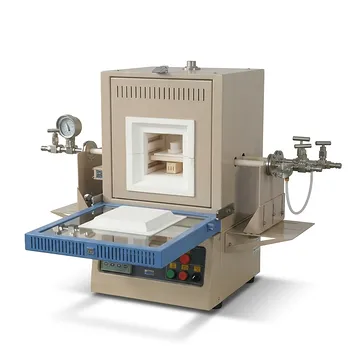
1700C Compact Hybrid Furnace with Dual Layer Box Sintering and Controlled Atmosphere Alumina Tubes