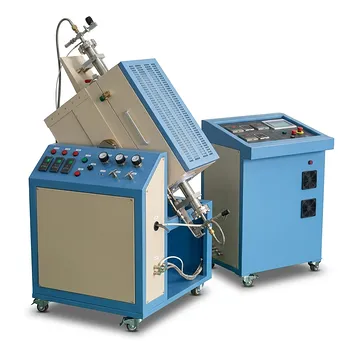
What role does a high-temperature tube furnace play in converting LiMOF into porous carbon? Achieve Precise Carbonization
Updated 3 months ago
A high-temperature tube furnace is the critical reactor for the anaerobic carbonization of Lithium-based Metal-Organic Frameworks (LiMOF). It provides a strictly controlled, oxygen-free environment—typically through high-purity nitrogen or argon flow—that enables the organic ligands within the MOF to undergo thermal decomposition and pyrolysis. This precise thermal processing transforms the molecular framework into a conductive, porous carbon structure with a high specific surface area while ensuring the lithium components are retained in specific chemical forms within the carbon skeleton.
Core Takeaway: The tube furnace serves as a precision environment for converting LiMOFs into functional materials by facilitating oxygen-free pyrolysis, which preserves structural integrity and manages the chemical state of lithium through exact temperature and atmospheric control.
Establishing an Anaerobic Environment for Pyrolysis
Prevention of Direct Combustion
The primary role of the tube furnace is to maintain a strictly oxygen-deficient atmosphere. Without this, the organic components of the LiMOF would simply combust into ash rather than undergoing the carbonization, isolation, and aromatization reactions required to form a carbon skeleton.
Use of High-Purity Inert Gases
By continuously purging with gases like high-purity nitrogen or argon, the furnace reduces oxygen content to negligible levels. This inert environment is essential for the stable thermal decomposition of organic ligands, ensuring that volatiles are removed without oxidizing the remaining carbon material.
Precise Control of Thermal Transformation
Thermal Decomposition and Gasification
A tube furnace provides the stable thermal field (often ranging from 500°C to 1000°C) necessary for pyrolytic carbonization. This heat breaks the bonds of the organic framework, gasifying non-carbon elements and leaving behind a nanoporous carbon material with an ultra-high specific surface area.
Managing Pore Structure and Crystallinity
The ratio of micropores to mesopores in the resulting carbon is determined by the furnace's temperature settings. Precise heating facilitates the deoxygenation of the precursor and ensures the resulting conductive carbon skeleton possesses the specific crystallinity and interconnected pore structure needed for high-performance applications.
Chemical Integrity and Lithium Retention
Controlled Isothermal Holding
The furnace allows for specific isothermal holding times, which are critical for LiMOFs. This ensures that the lithium components remain embedded in the carbon skeleton in the desired chemical forms rather than being lost or converted into inactive phases during the heating process.
Uniformity and Thermal Stability
Advanced tube furnaces utilize PID control systems and multi-stage heating programs to prevent "thermal overshoot." By stabilizing at lower temperatures before reaching the final carbonization peak, the furnace ensures the precursors undergo uniform pyrolysis and self-assemble into stable three-dimensional structures.
Understanding the Trade-offs and Challenges
The Risk of Localized Overheating
In static tube furnaces, raw materials can suffer from uneven heating, leading to inconsistent carbonization and non-uniform pore structures. While rotary tube furnaces can mitigate this through continuous movement, they are more complex to operate and may not be suitable for all MOF precursors.
Atmosphere Purity vs. Cost
Maintaining a strictly oxygen-free environment requires a constant flow of high-purity gas, which increases operational costs. However, even trace amounts of oxygen can lead to the partial oxidation of the carbon framework, significantly reducing the material's specific surface area and electrical conductivity.
Applying Furnace Parameters to Your Goals
Practical Recommendations for LiMOF Carbonization
To achieve the best results when converting LiMOFs into porous carbon, your approach should vary based on your target material properties:
- If your primary focus is Maximum Surface Area: Utilize a slower heating rate and a higher carbonization temperature (near 800-1000°C) to ensure the complete removal of volatiles and the full development of nanopores.
- If your primary focus is Lithium Retention: Prioritize precise isothermal holding times at moderate temperatures to prevent the sublimation or undesired phase transformation of lithium species within the carbon skeleton.
- If your primary focus is Structural Uniformity: Implement a multi-stage heating program with a PID control system to prevent thermal overshoot and ensure the framework stabilizes before reaching peak carbonization.
By mastering the atmospheric and thermal variables of the tube furnace, researchers can precisely tune the electrochemical and structural properties of LiMOF-derived porous carbons.
Summary Table:
| Feature | Role in LiMOF Conversion | Key Benefit |
|---|---|---|
| Atmosphere Control | Provides anaerobic environment (N2/Ar) | Prevents combustion; ensures stable pyrolysis |
| Thermal Field | Maintains 500°C - 1000°C range | Facilitates deoxygenation and carbonization |
| PID Regulation | Multi-stage heating/Isothermal holding | Prevents thermal overshoot; protects pore structure |
| Structural Control | Gasification of non-carbon elements | Develops ultra-high specific surface area |
| Chemical Integrity | Managed thermal decomposition | Ensures lithium retention in the carbon skeleton |
Elevate Your Material Research with THERMUNITS
Precision thermal processing is the key to mastering LiMOF-derived materials. THERMUNITS is a leading manufacturer of high-temperature laboratory equipment for material science and industrial R&D. We offer a comprehensive range of thermal solutions, including Tube, Vacuum, Atmosphere, Muffle, and Rotary furnaces, as well as CVD/PECVD systems and vacuum induction melting furnaces (VIM).
Whether you are focusing on lithium retention or maximizing surface area, our advanced heating programs and atmospheric controls ensure uniform, high-quality results for your laboratory heat treatment needs.
Ready to optimize your carbonization process?
Contact our experts today to find the perfect furnace for your R&D goals!
References
- Simiao Guo, Xinsheng Peng. LiCl <i>in situ</i> decorated metal–organic framework (MOF)-derived porous carbon for efficient solar-driven atmospheric water harvesting. DOI: 10.1039/d4ra02364a
Mentioned Products
- High Temperature Tube Furnace 1500C with Sliding Flanges and 50mm OD for Rapid Thermal Processing Fast Heating and Cooling
- High Temperature 1700C Vertical Tube Furnace for Powder Spherification and Material Sintering
- 1500C Three Zone Vertical Pyrolysis Furnace for Nanoparticle Synthesis and Advanced Oxide Coating
- Multi Position Tube Furnace 1100C for Laboratory Material Research and Advanced Industrial Thermal Processing
- Compact High Temperature 1600C Tube Furnace with 50mm Alumina Tube and Vacuum Flanges for Material Sintering
People Also Ask
- How are high-temperature tube furnaces utilized to repair etching damage? Precision Lattice Restoration Solutions
- What role does a high-temperature tube furnace play in CVD synthesis of silicon nanowires? Master VLS Growth Precision.
- What core conditions does a high-temperature tube furnace provide for rGO aerogels? Mastering Precision Synthesis.
- What role does a high-temperature tube furnace play in the sulfidation heat treatment of CoS@C/MXene nanocomposites? Guide
- How does precision tube furnace control influence CoFe nanoparticle formation? Master Your Bimetallic Synthesis.

Tech Team · ThermUnits
Last updated on Jun 03, 2026
Related Products
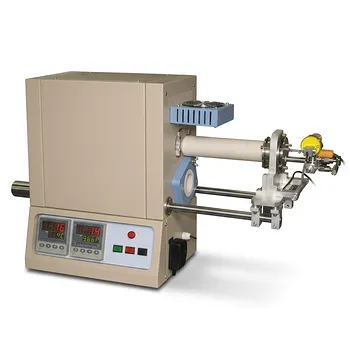
High Temperature Tube Furnace 1500C with Sliding Flanges and 50mm OD for Rapid Thermal Processing Fast Heating and Cooling

High Temperature 1700C Vertical Tube Furnace for Powder Spherification and Material Sintering
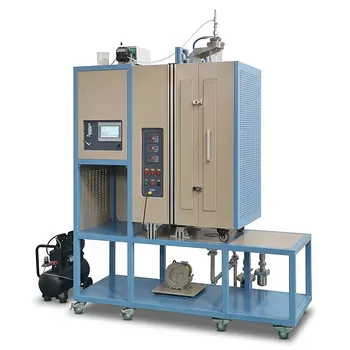
1500C Three Zone Vertical Pyrolysis Furnace for Nanoparticle Synthesis and Advanced Oxide Coating
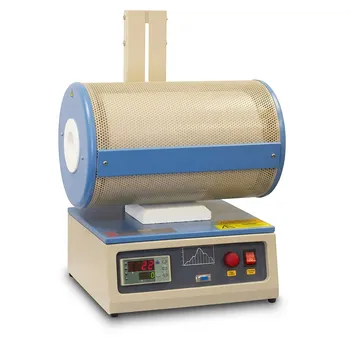
Multi Position Tube Furnace 1100C for Laboratory Material Research and Advanced Industrial Thermal Processing

Compact High Temperature 1600C Tube Furnace with 50mm Alumina Tube and Vacuum Flanges for Material Sintering

High Temperature 1700C Tube Furnace with High Vacuum Turbomolecular Pump System and Multi Channel Mass Flow Controller Gas Mixer
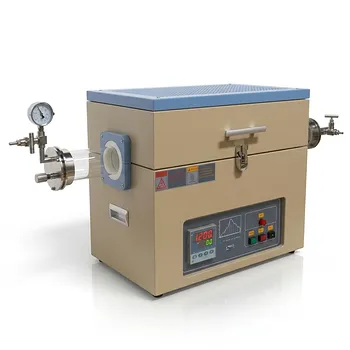
High Temperature 1200C Split Tube Furnace with Optional Quartz Tube Sizes and Vacuum Sealing Flanges for Material Science Research
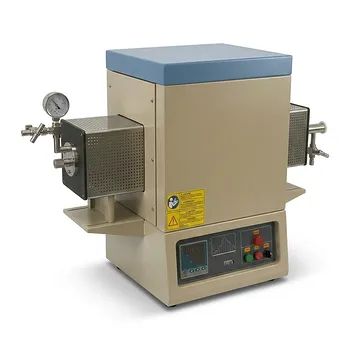
High Temperature 1700C Benchtop Tube Furnace with 5 Inch Heating Zone High Purity Alumina Tube and Vacuum Sealing Flanges
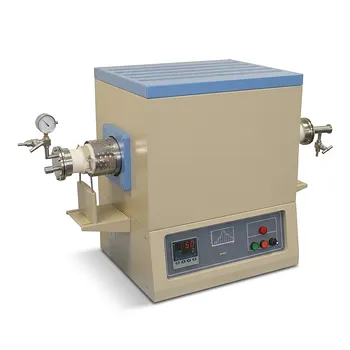
1700C High Temperature Alumina Tube Furnace with 18 Inch Heated Zone and Vacuum Sealing Flanges
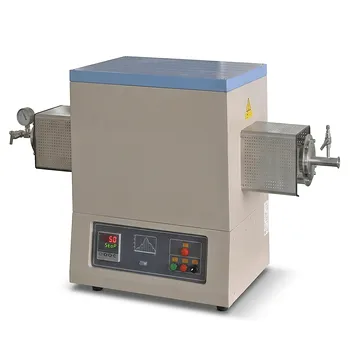
High Temperature 1700C Tube Furnace with 4 Inch OD Alumina Tube and Vacuum Sealing Flanges
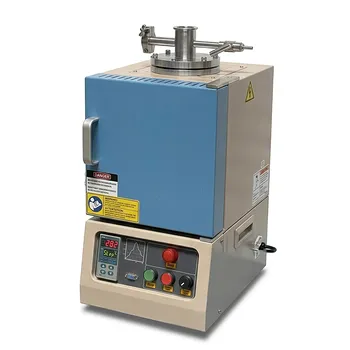
High Temperature Hybrid Muffle and Tube Furnace with Vacuum Capability and PID Control
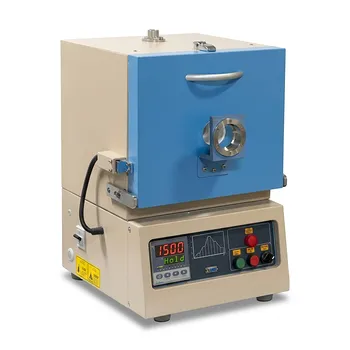
1500C Hybrid Muffle Tube Furnace 1.7L Box with 2 Inch Mullite Tube and Programmable PID Controller

High Temperature Automated 5 Inch Tube Furnace for Autonomous Material Research and Advanced Laboratory R&D

1800C High Temperature Compact Vacuum Tube Furnace with 60mm OD Alumina Tube and Kanthal MoSi2 Heating Elements
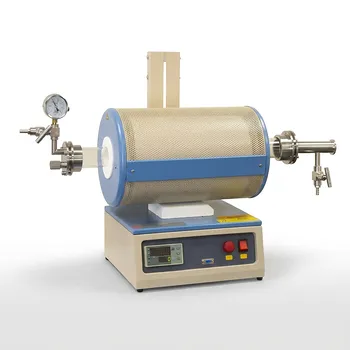
1100C Tube Furnace with Vacuum Flange and Programmable Temperature Controller for Material Science and Industrial Heat Treatment
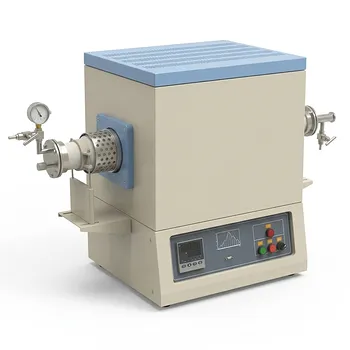
1750°C High Temperature Benchtop Vacuum Atmosphere Tube Furnace with Kanthal Super 1800 Heating Elements and 60mm Alumina Processing Tube
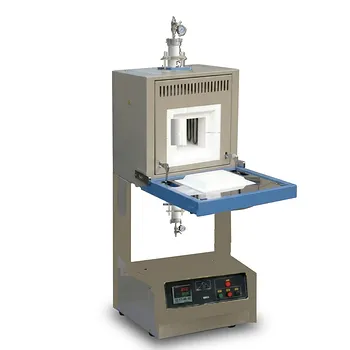
High Temperature Vertical Hybrid Furnace with Alumina Tube and SiC Heating for SOFC Coin Cell Testing and Atmosphere Processing
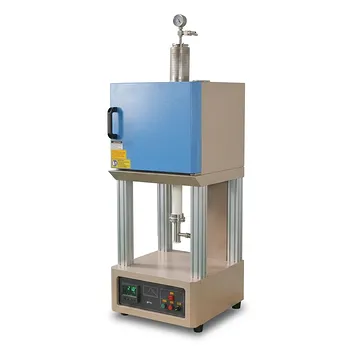
Hybrid High Temperature Tube and Box Furnace 1700C with 2 Inch Alumina Tube for Material Research
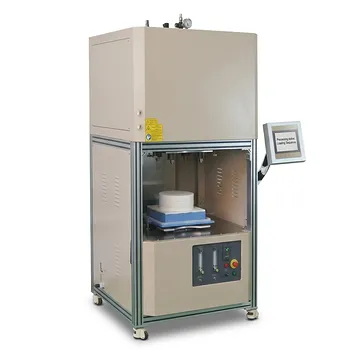
High Temperature Vertical Atmosphere Controlled Furnace with Automatic Bottom Loading and 1700°C Capacity for Advanced Material Research