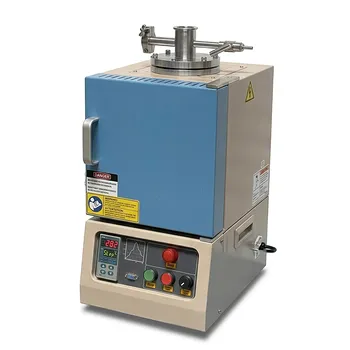
Why is a high-temperature tube furnace selected as the core reaction equipment for sludge co-pyrolysis? Key Benefits
Updated 3 months ago
A high-temperature tube furnace is selected for sludge co-pyrolysis primarily because it provides a strictly oxygen-free environment and high-precision thermal control. This specific combination allows for the carbonization of organic matter, precise structural reconstruction of the material, and the chemical immobilization of toxic heavy metals.
The tube furnace acts as a controlled micro-reactor that ensures sludge transformations occur through pure thermal decomposition rather than combustion. By isolating the reaction from oxygen and maintaining exact temperature profiles, it enables the creation of stable carbon structures and the safe containment of inorganic contaminants.
The Necessity of Precise Thermal Management
Programmed Temperature Control
The furnace utilizes advanced controllers to dictate precise heating rates and constant temperature holding periods. These parameters are critical because the speed at which sludge reaches peak temperature determines the final carbon content and the complexity of the resulting pore structure.
Temperature Field Uniformity
Maintaining a consistent temperature field throughout the heating zone ensures that the entire sludge sample undergoes uniform thermochemical conversion. This uniformity is essential for scaling experimental results and ensuring that the chemical interactions between different feedstocks, such as straw or coal gangue, are representative.
Facilitating Devolatilization
At specific stages, such as 400°C to 1000°C, the furnace induces the devolatilization reaction of organic molecules. This process removes moisture and volatile fractions, establishing a stable carbonaceous precursor that prevents yield loss during subsequent activation steps.
Creating a Strict Anaerobic Environment
Oxygen Exclusion and Inert Gas Purging
The sealed tube structure, combined with high-purity inert gases like Nitrogen or Argon, effectively isolates the reaction from atmospheric oxygen. This "oxygen-deficient" environment is the fundamental requirement for pyrolysis, preventing the organic matter from burning and instead forcing it to decompose into biochar, oil, and gas.
Protecting Original Structural Characteristics
By maintaining a strictly inert atmosphere, the furnace ensures that the resulting samples reflect the original structural characteristics of the feedstock. This allows researchers to study biomass-mineral interactions and gas release patterns without the interference of oxidation or combustion.
Chemical Immobilization of Heavy Metals
The controlled environment facilitates the chemical anchoring and immobilization of heavy metals like copper (Cu), lead (Pb), and zinc (Zn). Within the furnace, these metals are integrated into the stable mineral or carbon matrix of the char, significantly reducing their environmental mobility and toxicity.
Understanding Technical Trade-offs
Throughput vs. Precision
While tube furnaces offer unparalleled control over the reaction environment, they are typically limited to small-scale batch processing. This makes them ideal for fundamental research and benchmarking but requires careful transition strategies when moving to continuous industrial-scale reactors.
Seal Integrity and Maintenance
The effectiveness of the furnace depends entirely on the integrity of its sealed flanges. Over time, high temperatures and corrosive gases released from the sludge can degrade seals, requiring rigorous maintenance to prevent oxygen leakage which would compromise the pyrolysis process.
Gas Flow Dynamics
Managing the flow rate of protective gases is a delicate balance. High flow rates ensure a pure atmosphere but can inadvertently sweep away valuable volatiles or create temperature gradients, while low flow rates may fail to sufficiently exclude oxygen or remove reaction byproducts.
How to Apply This to Your Project
Recommendations for Research and Development
- If your primary focus is heavy metal stabilization: Prioritize a furnace capable of sustained high-temperature "soak times" above 700°C to ensure complete chemical immobilization.
- If your primary focus is producing high-porosity biochar: Focus on the furnace’s ability to maintain specific, slow heating rates (e.g., 5-20°C/min) to allow for optimal pore development.
- If your primary focus is catalyst synthesis within the char: Select a model with superior atmosphere sealing to allow for the thermodynamic anchoring of metallic particles onto the carbon matrix.
The high-temperature tube furnace remains the definitive tool for sludge co-pyrolysis by transforming a hazardous waste stream into a stable, value-added material through rigorous atmospheric and thermal isolation.
Summary Table:
| Feature | Role in Sludge Co-Pyrolysis | Key Benefit |
|---|---|---|
| Anaerobic Environment | High-purity inert gas purging | Prevents combustion; ensures pure thermal decomposition |
| Thermal Management | Programmed heating & holding | Uniform thermochemical conversion & pore development |
| Atmospheric Sealing | Sealed flange structure | Enables chemical immobilization of toxic heavy metals |
| Control Precision | Precise heating rates | Protects the original structural characteristics of feedstocks |
Optimize Your Thermal Research with THERMUNITS
Are you looking to achieve precise structural reconstruction or heavy metal immobilization in your material science projects? THERMUNITS is a leading manufacturer of high-temperature laboratory equipment dedicated to industrial R&D and advanced research.
We offer a comprehensive range of thermal processing solutions tailored to your specific needs, including:
- Furnaces: Muffle, Vacuum, Atmosphere, Tube, Rotary, Hot Press, and Dental Furnaces.
- Advanced Systems: CVD/PECVD systems, Electric Rotary Kilns, and Vacuum Induction Melting (VIM) furnaces.
- Components: High-quality Thermal Elements and specialized heat treatment equipment.
Our equipment provides the strict atmospheric control and thermal uniformity required for successful sludge co-pyrolysis and complex material synthesis. Contact our technical team today to discuss how our solutions can enhance your lab's efficiency and experimental accuracy.
References
- Yujian Li, Zhengfang Ye. Modulatory Role of Biochar Properties and Environmental Risk of Heavy Metals by Co-Pyrolysis of Fenton Sludge and Biochemical Sludge. DOI: 10.3390/toxics12010057
Mentioned Products
- High Temperature 1700C Vertical Tube Furnace for Powder Spherification and Material Sintering
- Compact High Temperature 1600C Tube Furnace with 50mm Alumina Tube and Vacuum Flanges for Material Sintering
- High Temperature Tube Furnace 1500C with Sliding Flanges and 50mm OD for Rapid Thermal Processing Fast Heating and Cooling
- 1500C Three Zone Vertical Pyrolysis Furnace for Nanoparticle Synthesis and Advanced Oxide Coating
- High Temperature 1700C Tube Furnace with High Vacuum Turbomolecular Pump System and Multi Channel Mass Flow Controller Gas Mixer
People Also Ask
- What role does a high-temperature vertical tube furnace play in simulating high-carbon ferromanganese slag formation?
- What functions does a vertical high-temperature tube furnace perform? Master Industrial Sintering & R&D Simulation
- What is the primary function of a high-temperature tube furnace in Cu1-N-C synthesis? Precision Thermal Control.
- High-Temp Tube Furnace Role in Converting Microbial Proteins to Iron Single-Atom Sites: Expert Synthesis Guide
- What impact does the heating rate of a tube furnace have on biochar microstructure? Optimize Your Material R&D.

Tech Team · ThermUnits
Last updated on Jun 02, 2026
Related Products

High Temperature 1700C Vertical Tube Furnace for Powder Spherification and Material Sintering

Compact High Temperature 1600C Tube Furnace with 50mm Alumina Tube and Vacuum Flanges for Material Sintering
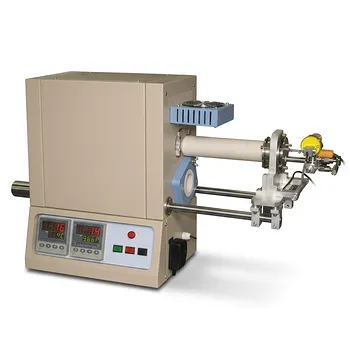
High Temperature Tube Furnace 1500C with Sliding Flanges and 50mm OD for Rapid Thermal Processing Fast Heating and Cooling
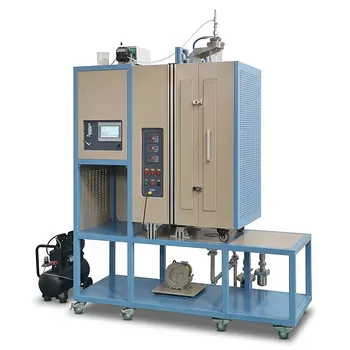
1500C Three Zone Vertical Pyrolysis Furnace for Nanoparticle Synthesis and Advanced Oxide Coating

High Temperature 1700C Tube Furnace with High Vacuum Turbomolecular Pump System and Multi Channel Mass Flow Controller Gas Mixer
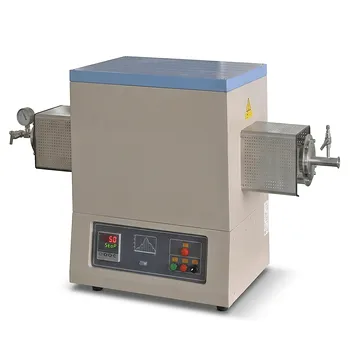
High Temperature 1700C Tube Furnace with 4 Inch OD Alumina Tube and Vacuum Sealing Flanges
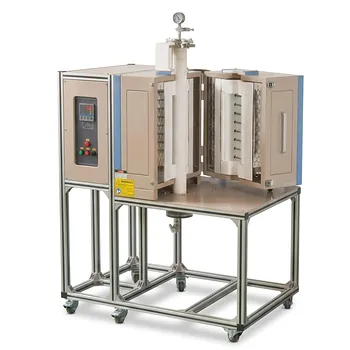
High Temperature 1700C Vertical Split Tube Furnace for Material Quenching and Single Crystal Growth
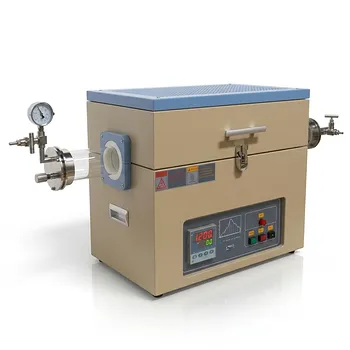
High Temperature 1200C Split Tube Furnace with Optional Quartz Tube Sizes and Vacuum Sealing Flanges for Material Science Research
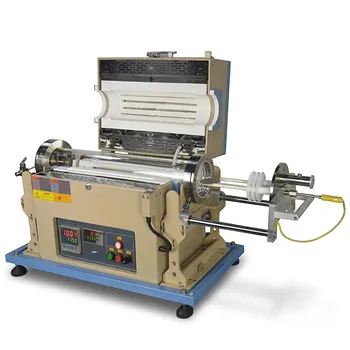
1200°C High Temperature 4 Inch Tube Furnace with Sliding Flange for CVD Systems

High Temperature 1700C Benchtop Tube Furnace with 5 Inch Heating Zone High Purity Alumina Tube and Vacuum Sealing Flanges
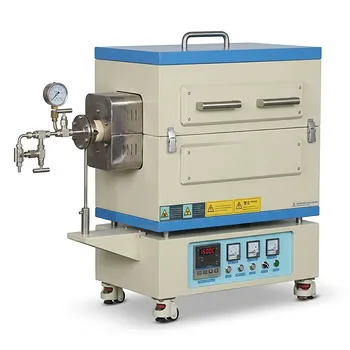
High Temperature Split Tube Furnace 1500C for Material Research Vacuum and Atmosphere Thermal Processing
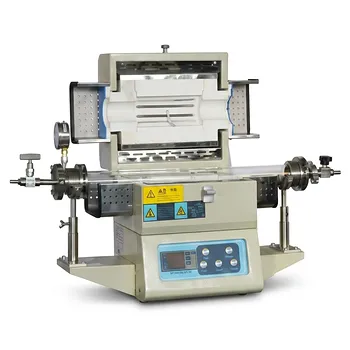
High Temperature 1200C Split Tube Furnace for CVD Research and Vacuum Atmosphere Heat Treatment

High Temperature Automated 5 Inch Tube Furnace for Autonomous Material Research and Advanced Laboratory R&D
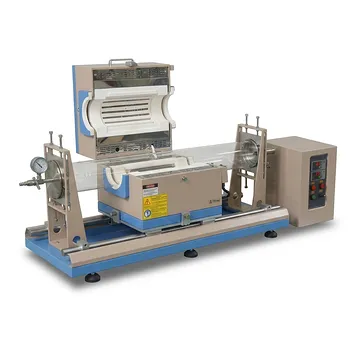
1200C High Temperature 5 Inch Sliding Tube Furnace for Rapid Thermal Processing RTP and Wafer Annealing
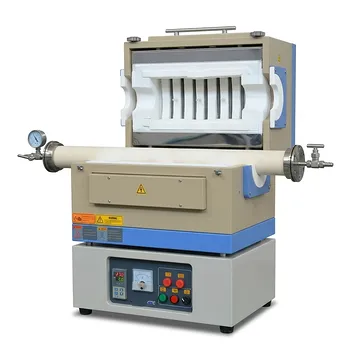
High Temperature 1600C Split Tube Furnace Vacuum Flanges Valves Optional 60mm 80mm Alumina Tube
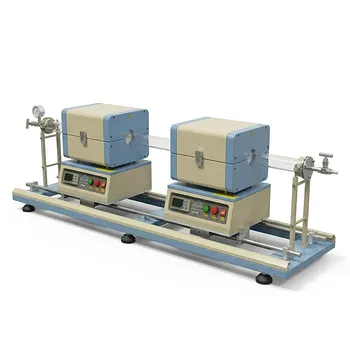
1200C Max Dual Sliding Tube Furnace with 50 mm Tube Flanges for CVD
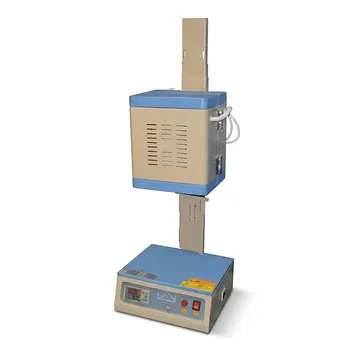
High Temperature Vertical Split Tube Furnace with PID Temperature Controller for 1 and 2 Inch Processing Tubes
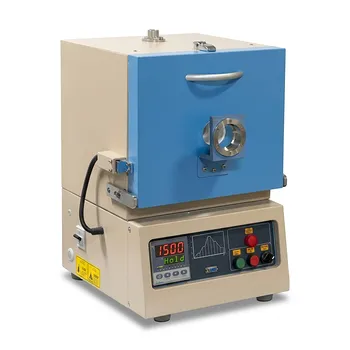
1500C Hybrid Muffle Tube Furnace 1.7L Box with 2 Inch Mullite Tube and Programmable PID Controller
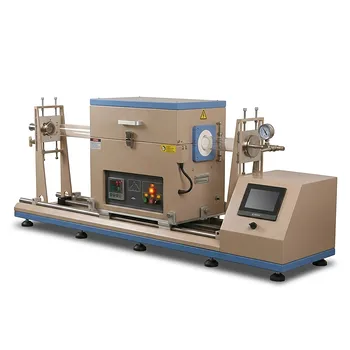
1200C Sliding Tube Furnace for Rapid Thermal Processing and CVD Graphene Growth with 100mm OD Capacity