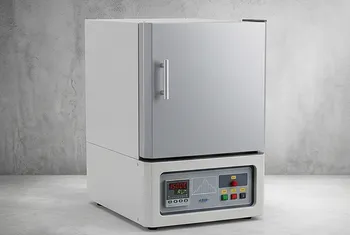
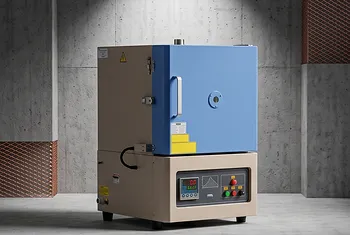
The Alchemy of Ash: How Thermal Precision Defines the Soul of Seaweed Carbon
Jul 02, 2026
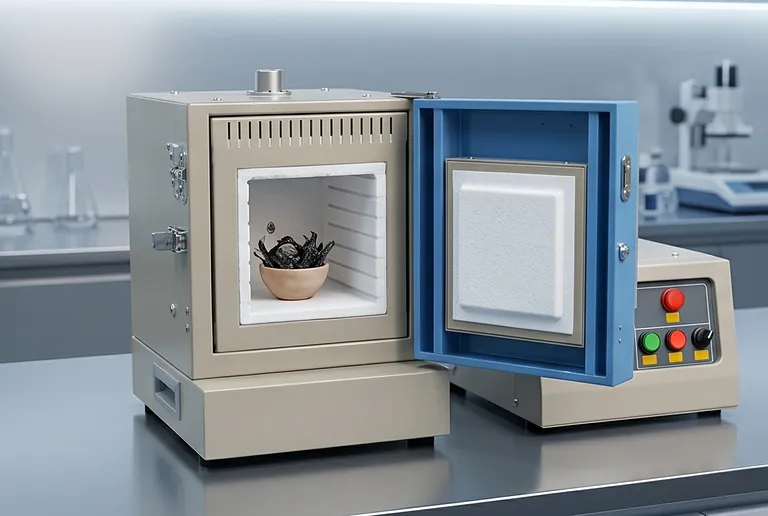
The Invisible Architecture of Carbon
In material science, we often focus on what is added. But in the world of activated carbon, the value lies in what remains.
Seaweed-based activated carbon is a marvel of upcycling—turning marine biomass into a high-surface-area filter for the world's most stubborn pollutants. Yet, between the raw kelp and the finished adsorbent lies a brutal, systematic process of elimination.
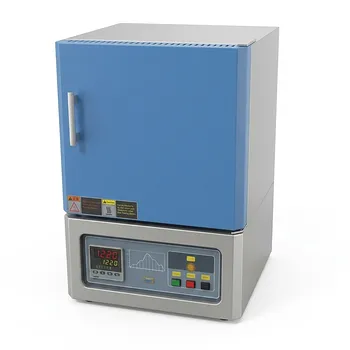
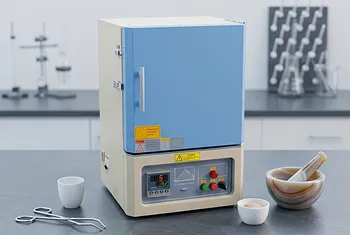
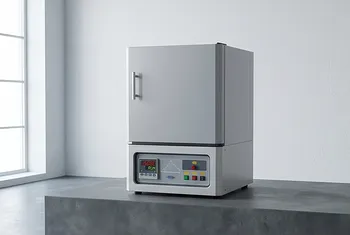
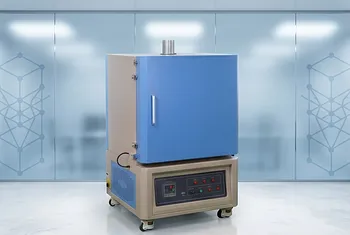
The high-temperature muffle furnace is the arbiter of this process. It does not merely heat; it dissects. Through programmed thermal decomposition, it reveals the industrial components that determine whether a batch of carbon is a world-class filter or merely expensive charcoal.
The Quantitative Truth: Volatiles, Ash, and the Remainder
To manage a system, you must first measure it. In carbon production, this measurement is a tripartite dance of heat and mass.
1. The Volatile Departure
At temperatures between 600°C and 800°C, the furnace creates a controlled purgatory. Under oxygen-limited conditions, volatile organic compounds (VOCs) are driven out. This is the first test of the carbon skeleton: can it release its gasses without collapsing its own structure?
2. The Finality of Ash
When the furnace shifts to aerobic combustion at 800°C, the organic "soul" of the carbon is burned away. What remains is the ash—the inorganic salts and silica residues of the seaweed’s past life. This residual mass is the primary indicator of how well your acid-etching or washing stages performed.
3. The Math of Fixed Carbon
Fixed carbon is not measured; it is discovered. By subtracting the moisture, volatiles, and ash from the total, we find the stable framework. This is the mechanical strength of your product—the skeleton that will hold the pores that do the work of adsorption.
The Psychology of Precision
As Morgan Housel might observe, the biggest risk isn't what we know; it’s the variance we don't account for. In laboratory heat treatment, small errors in "thermal behavior" lead to massive failures in industrial grading.
- Heating Rates (The 5°C Rule): Aggressive heating is the enemy of accuracy. If the temperature rises too fast, volatiles release energetically—a phenomenon known as "popcorning." This splashing of sample material ruins mass calculations.
- The Gradient Trap: In a low-quality furnace, the center is a different world than the corners. Inconsistent heat leads to uneven ash distribution, rendering your R&D data functionally useless.
- The Atmosphere Conflict: The difference between pyrolysis (to find volatiles) and combustion (to find ash) is a single variable: Oxygen. A furnace with a poor seal is a furnace that lies to its operator.
Comparison of Thermal Objectives
| Analysis Component | Thermal Process | Temperature Range | Analytical Objective |
|---|---|---|---|
| Volatile Matter | Pyrolysis (O2-Limited) | 600°C - 800°C | Isolate VOCs while preserving the carbon skeleton |
| Ash Content | Aerobic Combustion | ~800°C | Quantify residual inorganic minerals/impurities |
| Fixed Carbon | Mathematical Derivation | N/A | Determine structural stability and yield |
| Pore Structure | Thermochemical Activation | High Temperature | Create the micropores required for adsorption |
Engineering the Perfect Environment
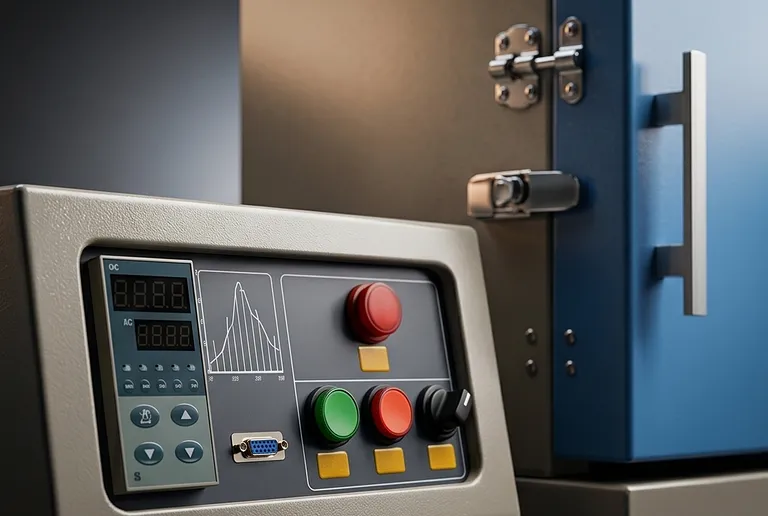
To achieve high-quality seaweed carbon, the equipment must provide a stable thermal radiation field. This is the "engineer's romance"—the ability to create a silent, unmoving environment where molecular-level etching can occur.
Whether you are validating the efficiency of mineral removal or establishing a graphitized carbon framework, the muffle furnace acts as your final physical detection method. It is the bridge between raw marine biomass and high-performance industrial adsorbents.
At THERMUNITS, we engineer the systems that make this precision possible. From Muffle and Vacuum furnaces to advanced CVD and Rotary Kilns, our high-temperature solutions are designed for the rigors of material science R&D. We provide the stability you need to stop guessing and start measuring.
Ready to bring absolute precision to your carbon analysis? Contact Our Experts
Quick Links
Suggested Products
1200C Muffle Furnace 12x8x5 7.2L Heating Chamber with Quartz Observation Window and Vent Port High Temperature 1200C Muffle Furnace 27L Volume 12x12x12 Chamber with Programmable PID Controller for Laboratory Material Science 1750C Compact Muffle Furnace 1.7L Ultra High Temperature Laboratory Sintering System for Advanced Ceramics and Material Science Research 1200C High Temperature 125L Muffle Furnace 5 Side Heating for Large Batch Sintering with Optional Alloy Debinding Chamber Ultra High Temperature Bench Top Muffle Furnace 1750C Sintering System with Kanthal Super Heating Elements and Precision Digital ControlFurther Reading
The Architecture of Ash: Thermal Precision and the Ghost of Biomass The 600-Degree Threshold: The Delicate Physics of Retaining Chemical Truth The Pre-Sintering Threshold: Why Muffle Furnaces Are the Architects of Phosphor Purity The Architecture of Molecular Patience: Why Precision Thermal Reduction Defines Catalyst Success The Physics of Perseverance: Navigating the 1,800°C Thermal Frontier
ThermUnits
Last updated on Apr 14, 2026
Related Products
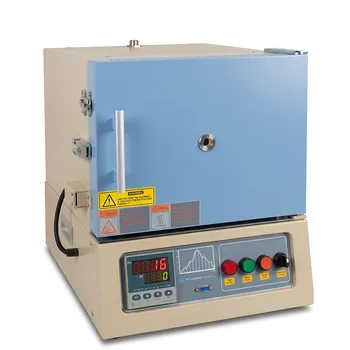
1200C Muffle Furnace 12x8x5 7.2L Heating Chamber with Quartz Observation Window and Vent Port
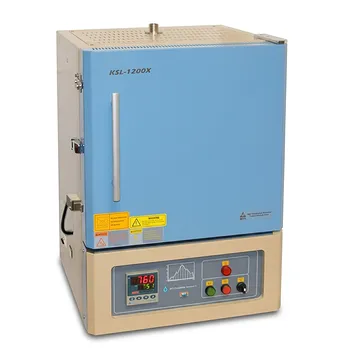
High Temperature 1200C Muffle Furnace 27L Volume 12x12x12 Chamber with Programmable PID Controller for Laboratory Material Science
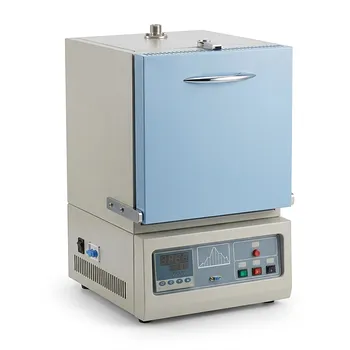
1750C Compact Muffle Furnace 1.7L Ultra High Temperature Laboratory Sintering System for Advanced Ceramics and Material Science Research
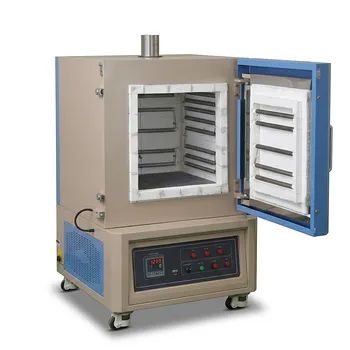
1200C High Temperature 125L Muffle Furnace 5 Side Heating for Large Batch Sintering with Optional Alloy Debinding Chamber
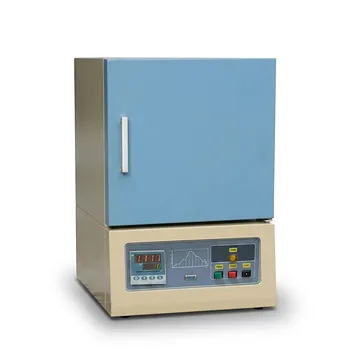
Ultra High Temperature Bench Top Muffle Furnace 1750C Sintering System with Kanthal Super Heating Elements and Precision Digital Control
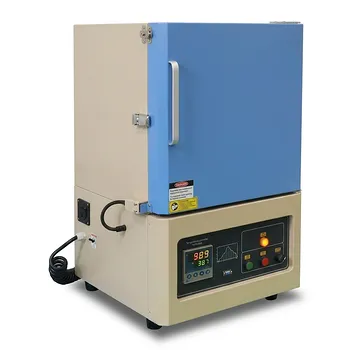
1200°C High Temperature Muffle Furnace 19L Chamber with 50 Segment Programmable Controller
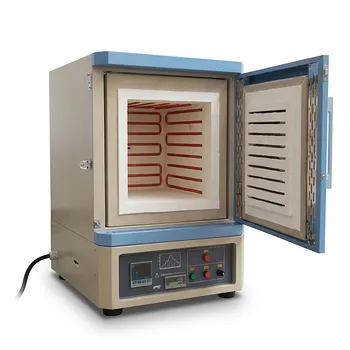
Five Side Heating Muffle Furnace 1200C High Uniformity 64L Chamber 16x16x16 Inch Industrial Heat Treatment
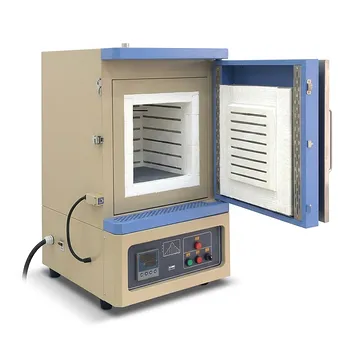
Five Side Heating Muffle Furnace High Purity Alumina Fiber 27L Chamber 1200C High Temperature Thermal Processing System for Sintering Annealing and Materials Research
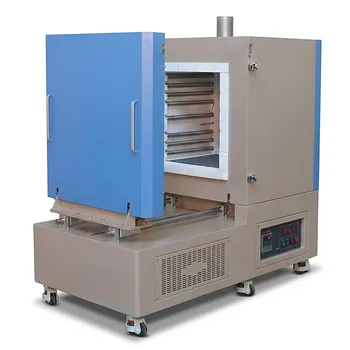
1200C Five Side Heating Muffle Furnace with Sliding Door 125L Volume High Temperature Heat Treatment System for Large Scale Sintering and Annealing
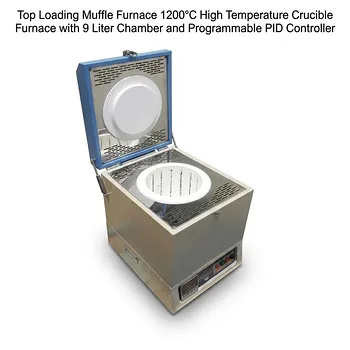
Top Loading Muffle Furnace 1200°C High Temperature Crucible Furnace with 9 Liter Chamber and Programmable PID Controller
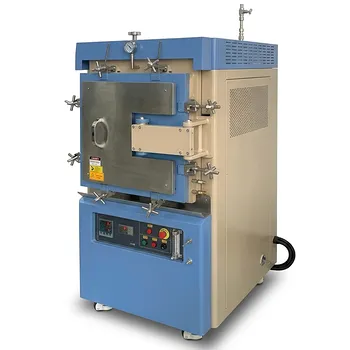
Atmosphere Controlled Muffle Furnace 1700C Maximum Temperature 80L High Capacity Vacuum Inert Gas Box Furnace
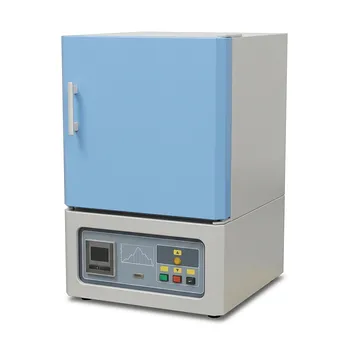
1800C Bench Top Muffle Furnace with Kanthal Super 1900 Heating Elements and 3.6L Alumina Fiber Chamber
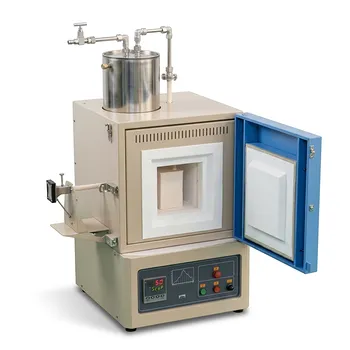
High Temperature Bench Top Muffle Furnace 1700C with Integrated Evaporating Particle Collection and 8x8x8 Alumina Fiber Chamber
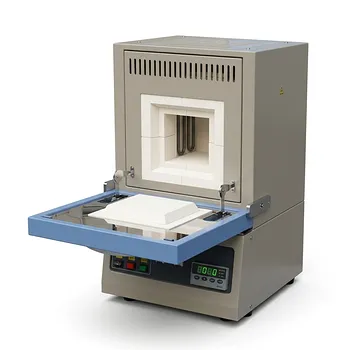
Five Sided Heating Muffle Furnace High Uniformity 1200C Lab Box Furnace 27L Alumina Fiber Chamber
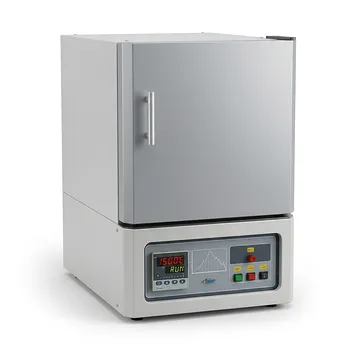
High Temperature 1500C Benchtop Muffle Furnace 3.6L Alumina Fiber Chamber Programmable Controller Sintering Annealing Carbonization Thermal Processing System
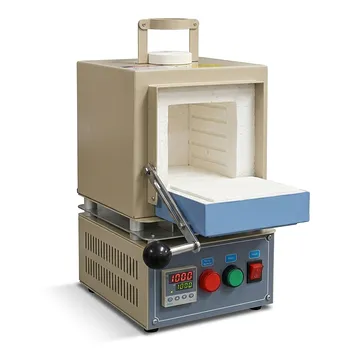
Compact 1000C Muffle Furnace with Programmable Controller and 2 Inch Top Port for Vacuum and Atmosphere Material Research
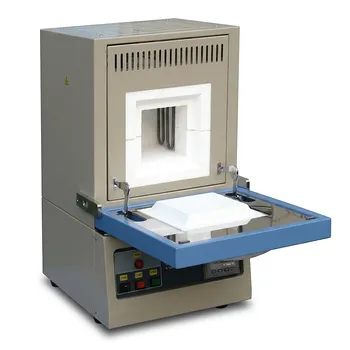
High Temperature 1800C Compact Muffle Furnace with Kanthal Super 1900 Heating Elements and 1.7L Alumina Chamber
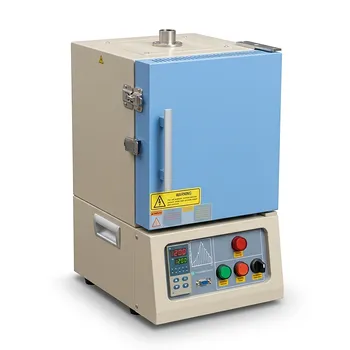
1200°C Small Box Furnace 4.2 Liter Programmable Muffle Furnace with High Purity Alumina Insulation and PID Control
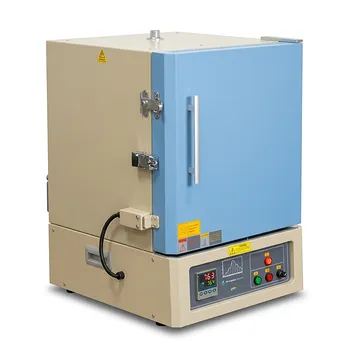
Large Capacity 1200C Muffle Furnace 64 Liter Chamber with Digital PID Controller and Built In Venting Port