The Architecture of Molecular Patience: Why Precision Thermal Reduction Defines Catalyst Success
Aug 01, 2026
The Invisible Architecture of Heat
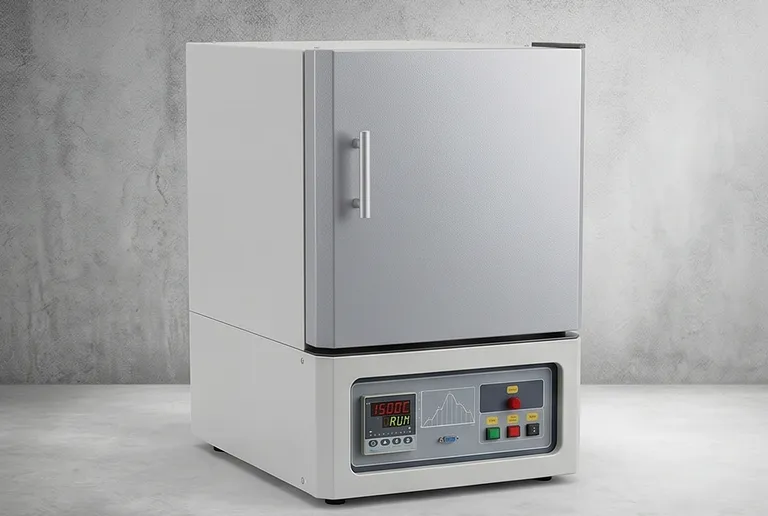
In material science, we often treat the furnace as a simple box that gets hot. But for the researcher working with platinum nanoparticles on niobium oxide ($Nb_2O_5$), the furnace is not just a tool; it is a precision reactor.
It is the environment where liquid precursors become solid-state catalysts.
The goal is not merely to reach a temperature. It is to manage the kinetic energy of atoms with such precision that they don't descend into the chaos of agglomeration. This is the "Engineer's Romance"—finding the perfect equilibrium between energy and structure.
The Alchemy of the Thermal Reduction Process
The transition from chloroplatinic acid to metallic platinum nanoparticles is a delicate chemical choreography. It requires a stable thermal environment to drive the reduction without disrupting the support structure.
Breaking Molecular Bonds
At approximately 200°C, the furnace provides the specific kinetic energy required to break the molecular bonds of the precursor. This is a controlled decomposition. Too little energy, and the precursor remains unreacted; too much, and the reaction happens with a violence that ruins the catalyst.
The Physics of Surface Anchoring
As the platinum ions reduce to their metallic state, they migrate across the $Nb_2O_5$ surface. The furnace acts as a choreographer, ensuring these atoms cluster into discrete, highly dispersed nanoparticles rather than merging into bulk, inactive metal.
Chemical Purification
Heat serves as a solvent-remover. By maintaining a steady dwell time, the furnace facilitates the removal of volatile by-products and chlorides. This leaves behind a "clean" interface—a prerequisite for high-performance photocatalysis.
Why Uniformity is a Psychological Game
In the lab, there is a constant temptation to prioritize speed. We call it "The Sintering Trap."
Heating too quickly or overshooting the target temperature by even a few degrees can cause nanoparticles to merge. This process, known as sintering, drastically reduces the active surface area.
| Parameter | The Goal | The Risk of Failure |
|---|---|---|
| Temperature Stability | High Nanoparticle Dispersion | Agglomeration / Clumping |
| Thermal Uniformity | Consistent Loading | "Cold Spots" & Unreduced Precursors |
| Ramp Rate | Crystalline Purity | Trapped Impurities |
| Venting | Chemical Purity | Residual Chloride Poisoning |
The Cost of the "Cold Spot"
Inexpensive or poorly calibrated furnaces suffer from thermal gradients. To an observer, the display says 200°C, but the reality inside the chamber is a landscape of peaks and valleys.
- Under-processed zones: Lead to unreduced precursors that will wash away during the first reaction cycle.
- Over-processed zones: Create large, "dead" platinum crystals that contribute nothing to hydrogen production.
Systemic success in R&D depends on eliminating these variables. Precision is not a luxury; it is the foundation of repeatability.
Strategies for High-Performance Catalysis
To achieve the best results in loading platinum onto niobium oxide, your thermal strategy must align with your performance goals:
- For Maximum Activity: Prioritize thermal stability. A long, stable dwell at 200°C ensures the highest dispersion and the most "charge collection centers."
- For Durability: Incorporate a programmable ramp. A secondary calcination stage at 350°C can strengthen the metal-support interaction, extending the catalyst's service life.
- For Phase Purity: Use an atmosphere-controlled furnace. Ensuring proper airflow or inert gas purge removes volatile species that would otherwise poison the catalyst surface.
Engineering the Future of Material Science
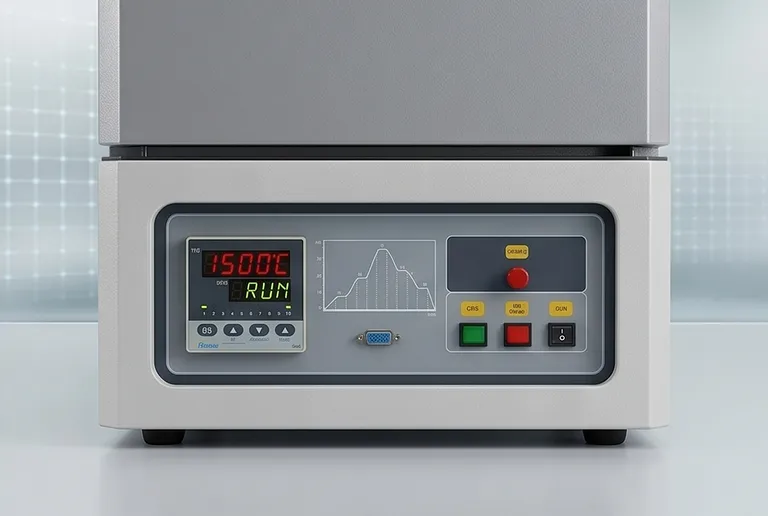
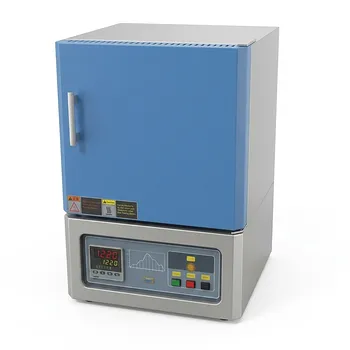
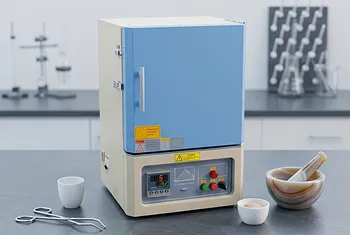
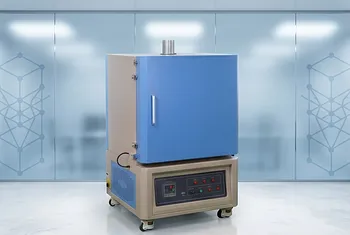
At THERMUNITS, we understand that a furnace is the heart of the laboratory. Our systems—from high-precision Muffle and Atmosphere furnaces to advanced CVD and Rotary kilns—are designed with the technical rigor required for molecular-level control.
Whether you are synthesizing catalysts for hydrogen production or performing complex vacuum induction melting, we provide the thermal stability that transforms research into breakthrough.
Master your thermal environment and ensure your nanoparticles stay where they belong. Contact Our Experts
Quick Links
Suggested Products
1200C Muffle Furnace 12x8x5 7.2L Heating Chamber with Quartz Observation Window and Vent Port High Temperature 1200C Muffle Furnace 27L Volume 12x12x12 Chamber with Programmable PID Controller for Laboratory Material Science 1750C Compact Muffle Furnace 1.7L Ultra High Temperature Laboratory Sintering System for Advanced Ceramics and Material Science Research 1200C High Temperature 125L Muffle Furnace 5 Side Heating for Large Batch Sintering with Optional Alloy Debinding Chamber Ultra High Temperature Bench Top Muffle Furnace 1750C Sintering System with Kanthal Super Heating Elements and Precision Digital ControlFurther Reading
The Architecture of Ash: Thermal Precision and the Ghost of Biomass The 600-Degree Threshold: The Delicate Physics of Retaining Chemical Truth The Pre-Sintering Threshold: Why Muffle Furnaces Are the Architects of Phosphor Purity The Alchemy of Ash: How Thermal Precision Defines the Soul of Seaweed Carbon The Physics of Perseverance: Navigating the 1,800°C Thermal Frontier
ThermUnits
Last updated on Apr 14, 2026
Related Products
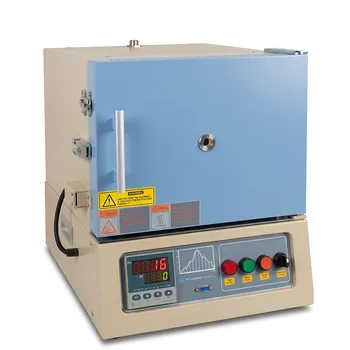
1200C Muffle Furnace 12x8x5 7.2L Heating Chamber with Quartz Observation Window and Vent Port
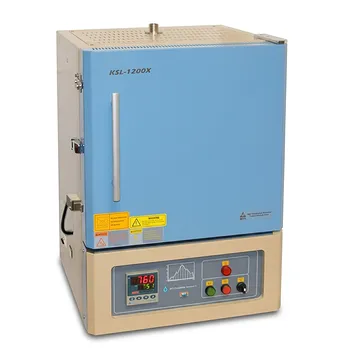
High Temperature 1200C Muffle Furnace 27L Volume 12x12x12 Chamber with Programmable PID Controller for Laboratory Material Science
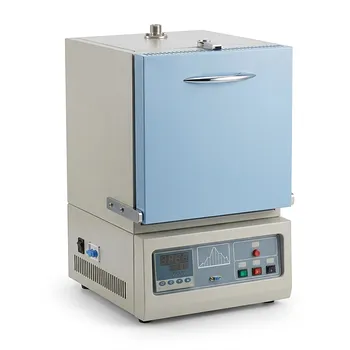
1750C Compact Muffle Furnace 1.7L Ultra High Temperature Laboratory Sintering System for Advanced Ceramics and Material Science Research
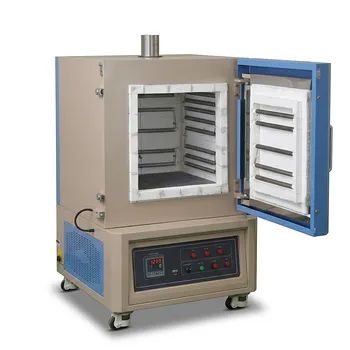
1200C High Temperature 125L Muffle Furnace 5 Side Heating for Large Batch Sintering with Optional Alloy Debinding Chamber
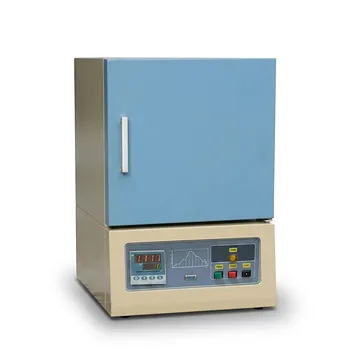
Ultra High Temperature Bench Top Muffle Furnace 1750C Sintering System with Kanthal Super Heating Elements and Precision Digital Control
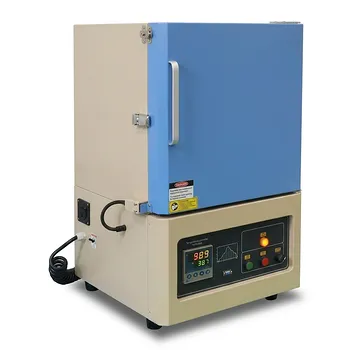
1200°C High Temperature Muffle Furnace 19L Chamber with 50 Segment Programmable Controller
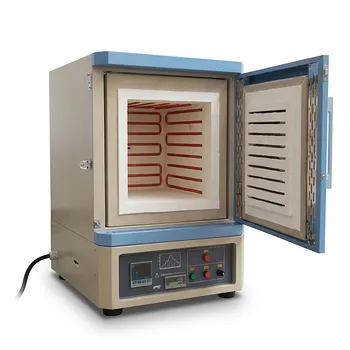
Five Side Heating Muffle Furnace 1200C High Uniformity 64L Chamber 16x16x16 Inch Industrial Heat Treatment
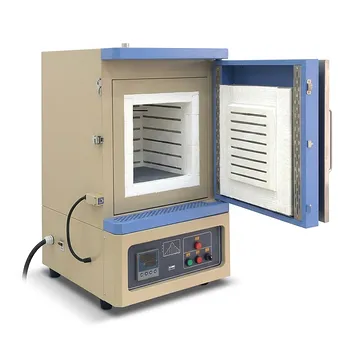
Five Side Heating Muffle Furnace High Purity Alumina Fiber 27L Chamber 1200C High Temperature Thermal Processing System for Sintering Annealing and Materials Research
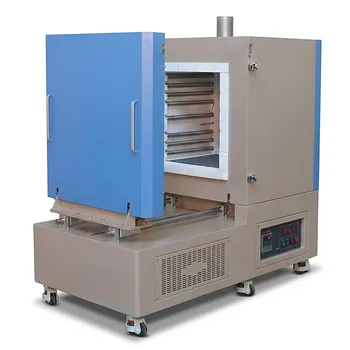
1200C Five Side Heating Muffle Furnace with Sliding Door 125L Volume High Temperature Heat Treatment System for Large Scale Sintering and Annealing
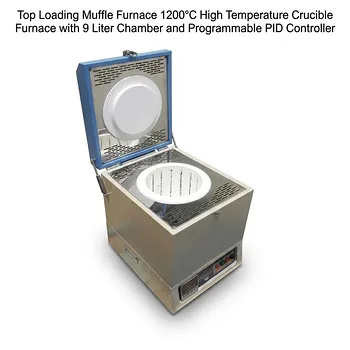
Top Loading Muffle Furnace 1200°C High Temperature Crucible Furnace with 9 Liter Chamber and Programmable PID Controller
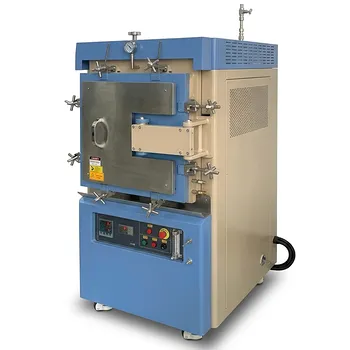
Atmosphere Controlled Muffle Furnace 1700C Maximum Temperature 80L High Capacity Vacuum Inert Gas Box Furnace
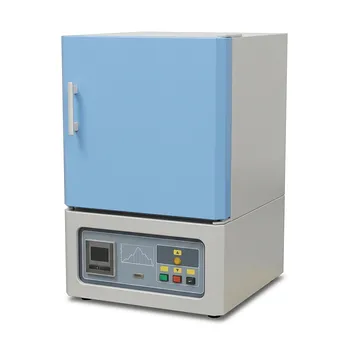
1800C Bench Top Muffle Furnace with Kanthal Super 1900 Heating Elements and 3.6L Alumina Fiber Chamber
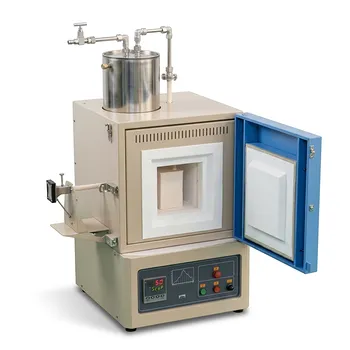
High Temperature Bench Top Muffle Furnace 1700C with Integrated Evaporating Particle Collection and 8x8x8 Alumina Fiber Chamber
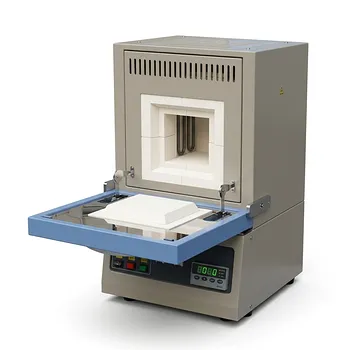
Five Sided Heating Muffle Furnace High Uniformity 1200C Lab Box Furnace 27L Alumina Fiber Chamber
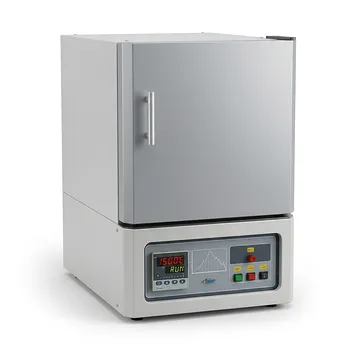
High Temperature 1500C Benchtop Muffle Furnace 3.6L Alumina Fiber Chamber Programmable Controller Sintering Annealing Carbonization Thermal Processing System
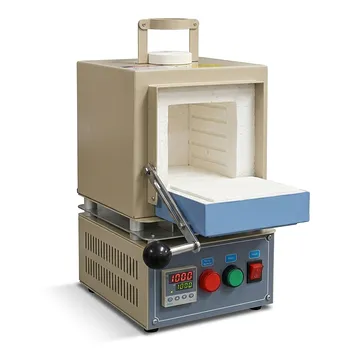
Compact 1000C Muffle Furnace with Programmable Controller and 2 Inch Top Port for Vacuum and Atmosphere Material Research
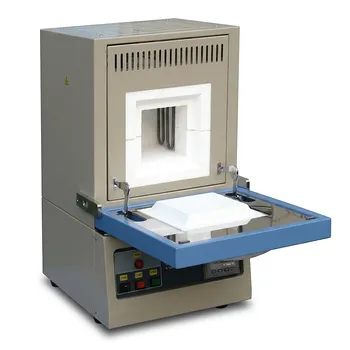
High Temperature 1800C Compact Muffle Furnace with Kanthal Super 1900 Heating Elements and 1.7L Alumina Chamber
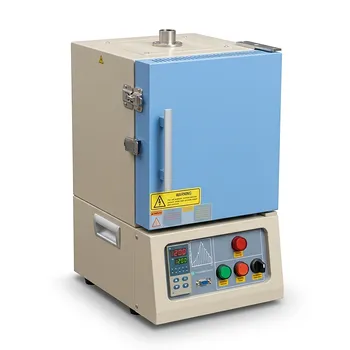
1200°C Small Box Furnace 4.2 Liter Programmable Muffle Furnace with High Purity Alumina Insulation and PID Control
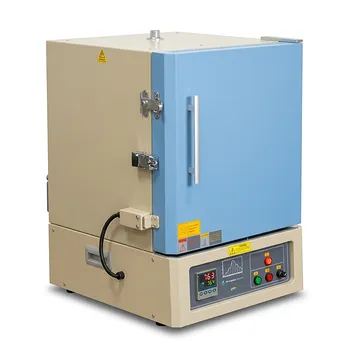
Large Capacity 1200C Muffle Furnace 64 Liter Chamber with Digital PID Controller and Built In Venting Port