The Physics of Perseverance: Navigating the 1,800°C Thermal Frontier
Jun 28, 2026
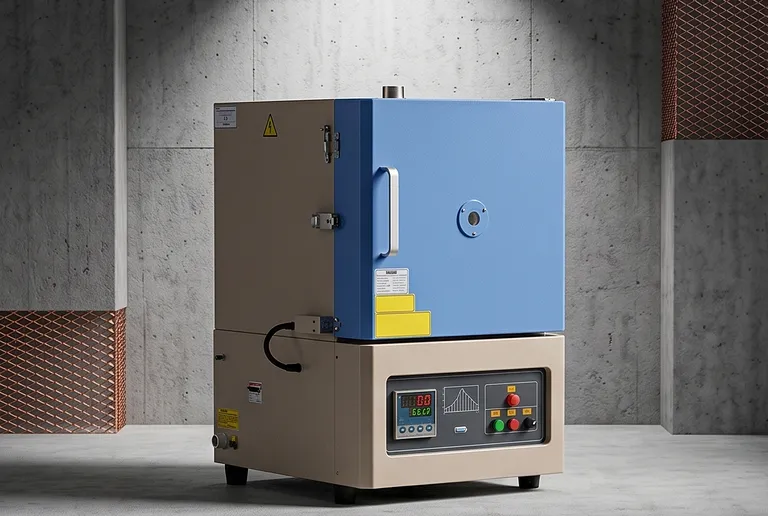
Heat is not a passive utility. In the world of material science, heat is an aggressive force that seeks to break down the very structures designed to contain it.
The difference between a standard laboratory process and a breakthrough in advanced ceramics often comes down to 600 degrees—the gap between the 1,200°C ceiling of common furnaces and the 1,800°C frontier of specialized R&D.
Understanding this range isn't just about picking a number on a digital controller; it’s about understanding the limits of material endurance.
The 1,200°C Baseline: The Psychology of "Enough"
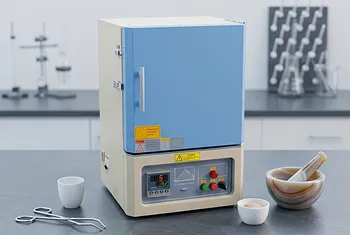
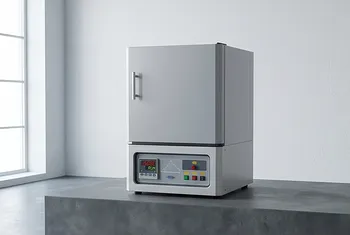
Most routine laboratory work—ashing, glass fusing, and general metal annealing—occurs comfortably below 1,200°C. For these applications, the standard muffle furnace is the reliable workhorse.
These units typically utilize iron-chrome-aluminum (Fe-Cr-Al) heating elements. They are cost-effective, durable, and predictable. For the chemist performing routine analysis, 1,200°C is "enough."
However, "enough" is a dangerous metric in R&D. Engineering for the baseline leaves no room for the anomalies where real discovery happens.
The MoSi2 Breakthrough: Crossing the Threshold
When research shifts toward high-performance ceramics or metallurgical smelting, the 1,200°C ceiling becomes a wall. To break through, the chemistry of the furnace itself must change.
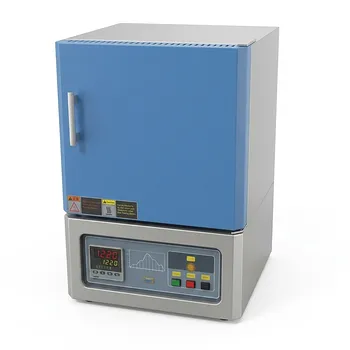
Advanced furnaces employ Molybdenum Disilicide (MoSi2) heating elements. These elements do something remarkable: as they heat up, they form a protective quartz glass coating that prevents further oxidation. This allows them to operate in the 1,500°C to 1,800°C range.
This transition is critical for:
- Ceramic Sintering: Achieving the density required for structural integrity.
- Phase Separations: Forcing metallic iron to coalesce and separate from slag at approximately 1,450°C.
- Material Synthesis: Working with alloys that remain inert at lower thermal levels.
The Margin of Safety: Why the Peak Matters
In engineering, there is a concept of "headroom." Morgan Housel often notes that the most important part of any plan is the plan for when the plan isn't going according to plan.
Operating a furnace at its absolute maximum rated temperature is like driving a car at its redline. It works, but it accelerates the degradation of heating elements and refractory linings.
The Golden Rule of Thermal Selection: Always select a furnace with a maximum temperature slightly higher than your required operating peak. This buffer ensures longevity and protects the structural integrity of the outer steel shell.
A Comparative Logic of Thermal Limits
| Furnace Type | Maximum Temperature | Heating Element | Primary Utility |
|---|---|---|---|
| Standard Muffle | 1,200°C | Fe-Cr-Al Alloy | Ashing, Routine Analysis |
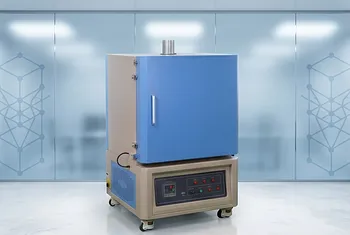
| Advanced Muffle | 1,800°C | MoSi2 | Sintering, Smelting, R&D |
| Rotary Kiln | 1,500°C | Specialized Alloy | Calcination, Powder Processing |
| Vacuum Furnace | 2,000°C+ | Tungsten / Graphite | High-Purity Smelting |
Beyond Atmosphere: When Heat Becomes Reactive
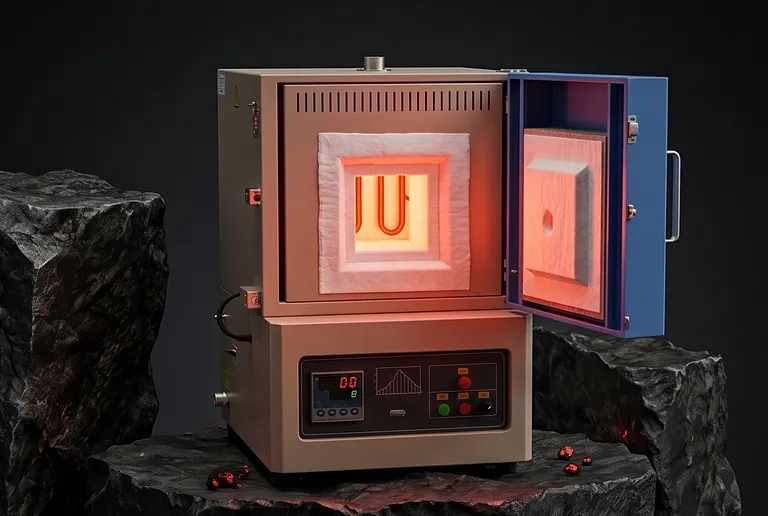
At extreme temperatures, oxygen itself becomes a liability. High-temperature processes often trigger unwanted chemical reactions between the sample and the atmosphere.
This is where the muffle furnace hands the baton to atmosphere-controlled or vacuum systems. If your material involves high vapor pressures or requires absolute purity, a vacuum furnace (reaching 2,000°C+) becomes a necessity rather than an upgrade.
The THERMUNITS Philosophy: Engineering for Extremes
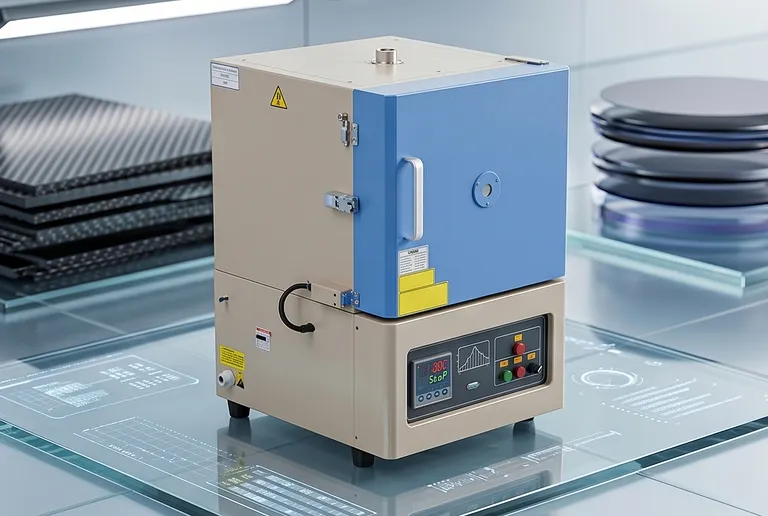
Temperature is more than a variable; it is the environment where materials are born. At THERMUNITS, we build equipment for the engineers who refuse to be limited by a standard ceiling.
Our systems are designed with the systemic rigor required for industrial R&D:
- Precision Control: From standard Muffle and Tube furnaces to advanced Hot Press systems.
- Specialized Environments: CVD/PECVD and Vacuum Induction Melting (VIM) for high-purity synthesis.
- Durability: High-quality thermal elements designed to handle the stress of thermal cycling.
Whether you are performing routine ashing at 1,000°C or pushing the boundaries of ceramic densification at 1,800°C, your equipment should be the last thing you worry about.
Ready to find the thermal solution that fits your specific R&D requirements? Contact Our Experts
Quick Links
Suggested Products
1200C Muffle Furnace 12x8x5 7.2L Heating Chamber with Quartz Observation Window and Vent Port High Temperature 1200C Muffle Furnace 27L Volume 12x12x12 Chamber with Programmable PID Controller for Laboratory Material Science 1750C Compact Muffle Furnace 1.7L Ultra High Temperature Laboratory Sintering System for Advanced Ceramics and Material Science Research 1200C High Temperature 125L Muffle Furnace 5 Side Heating for Large Batch Sintering with Optional Alloy Debinding Chamber Ultra High Temperature Bench Top Muffle Furnace 1750C Sintering System with Kanthal Super Heating Elements and Precision Digital ControlFurther Reading
The Architecture of Ash: Thermal Precision and the Ghost of Biomass The 600-Degree Threshold: The Delicate Physics of Retaining Chemical Truth The Pre-Sintering Threshold: Why Muffle Furnaces Are the Architects of Phosphor Purity The Alchemy of Ash: How Thermal Precision Defines the Soul of Seaweed Carbon The Architecture of Molecular Patience: Why Precision Thermal Reduction Defines Catalyst Success
ThermUnits
Last updated on Apr 14, 2026
Related Products
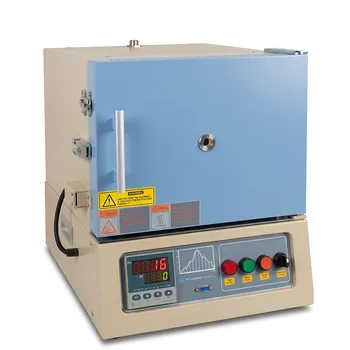
1200C Muffle Furnace 12x8x5 7.2L Heating Chamber with Quartz Observation Window and Vent Port
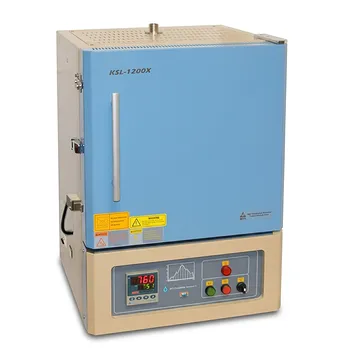
High Temperature 1200C Muffle Furnace 27L Volume 12x12x12 Chamber with Programmable PID Controller for Laboratory Material Science
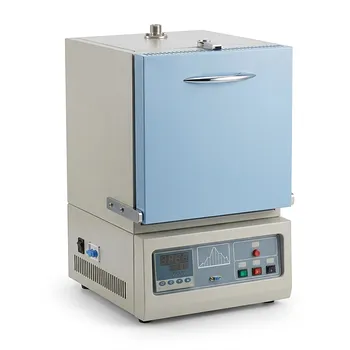
1750C Compact Muffle Furnace 1.7L Ultra High Temperature Laboratory Sintering System for Advanced Ceramics and Material Science Research
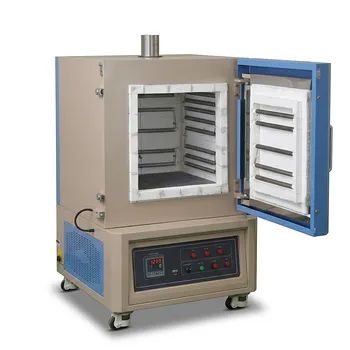
1200C High Temperature 125L Muffle Furnace 5 Side Heating for Large Batch Sintering with Optional Alloy Debinding Chamber
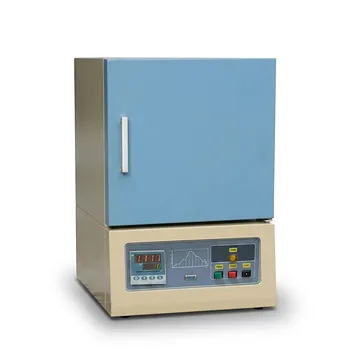
Ultra High Temperature Bench Top Muffle Furnace 1750C Sintering System with Kanthal Super Heating Elements and Precision Digital Control
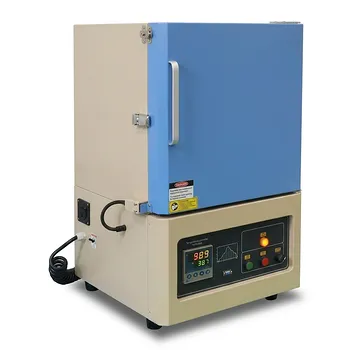
1200°C High Temperature Muffle Furnace 19L Chamber with 50 Segment Programmable Controller
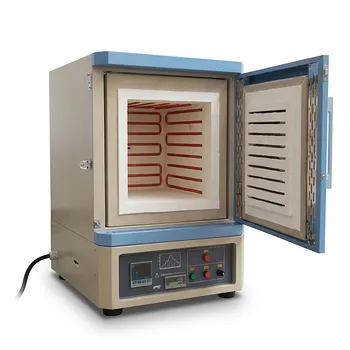
Five Side Heating Muffle Furnace 1200C High Uniformity 64L Chamber 16x16x16 Inch Industrial Heat Treatment
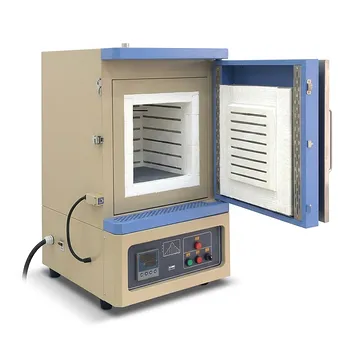
Five Side Heating Muffle Furnace High Purity Alumina Fiber 27L Chamber 1200C High Temperature Thermal Processing System for Sintering Annealing and Materials Research
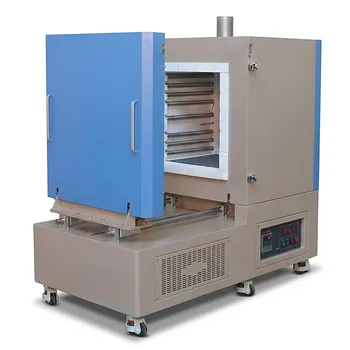
1200C Five Side Heating Muffle Furnace with Sliding Door 125L Volume High Temperature Heat Treatment System for Large Scale Sintering and Annealing
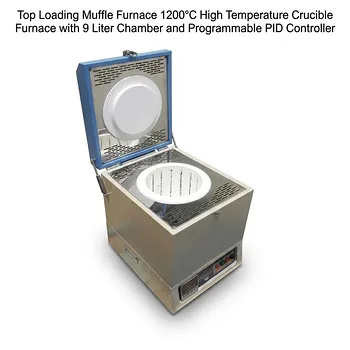
Top Loading Muffle Furnace 1200°C High Temperature Crucible Furnace with 9 Liter Chamber and Programmable PID Controller
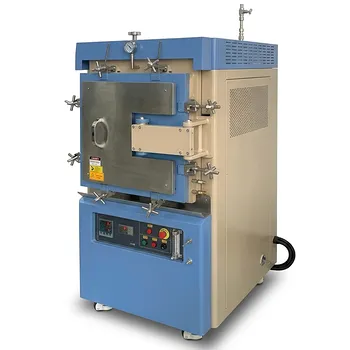
Atmosphere Controlled Muffle Furnace 1700C Maximum Temperature 80L High Capacity Vacuum Inert Gas Box Furnace
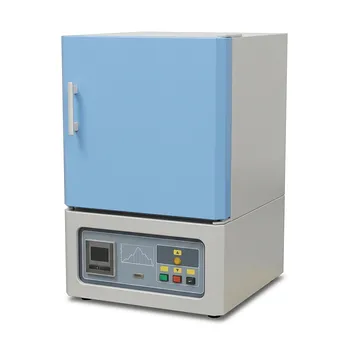
1800C Bench Top Muffle Furnace with Kanthal Super 1900 Heating Elements and 3.6L Alumina Fiber Chamber
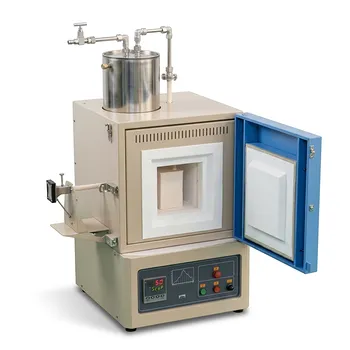
High Temperature Bench Top Muffle Furnace 1700C with Integrated Evaporating Particle Collection and 8x8x8 Alumina Fiber Chamber
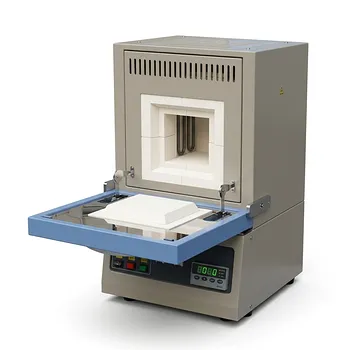
Five Sided Heating Muffle Furnace High Uniformity 1200C Lab Box Furnace 27L Alumina Fiber Chamber

High Temperature 1500C Benchtop Muffle Furnace 3.6L Alumina Fiber Chamber Programmable Controller Sintering Annealing Carbonization Thermal Processing System
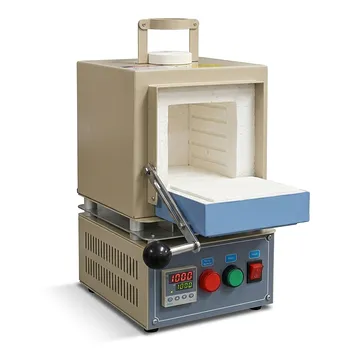
Compact 1000C Muffle Furnace with Programmable Controller and 2 Inch Top Port for Vacuum and Atmosphere Material Research
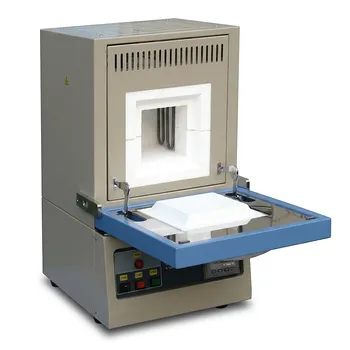
High Temperature 1800C Compact Muffle Furnace with Kanthal Super 1900 Heating Elements and 1.7L Alumina Chamber
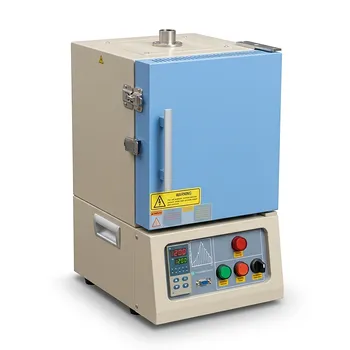
1200°C Small Box Furnace 4.2 Liter Programmable Muffle Furnace with High Purity Alumina Insulation and PID Control
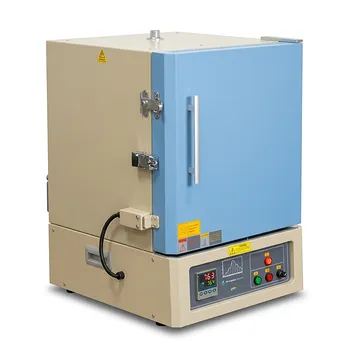
Large Capacity 1200C Muffle Furnace 64 Liter Chamber with Digital PID Controller and Built In Venting Port