The Architecture of Brittleness: Why 200°C is the Magic Number for Biomass
Aug 02, 2026
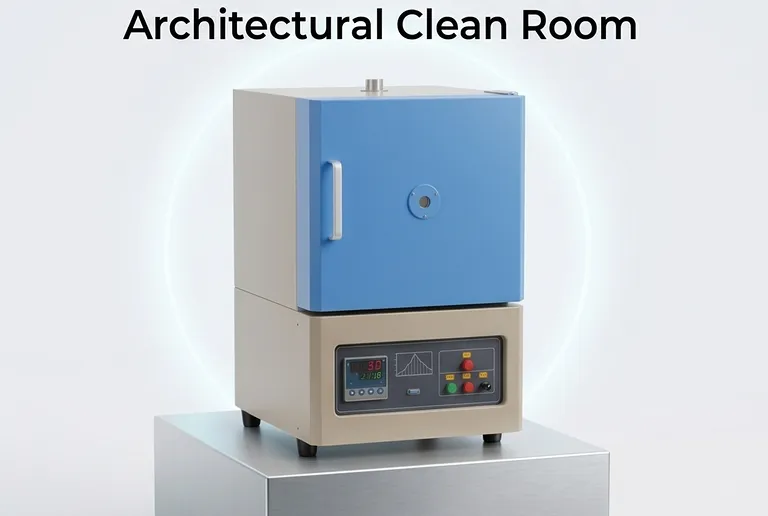
The Resistance of Nature
Nature does not want to be processed.
A date palm stone (DPS) is a masterpiece of evolutionary engineering. It is designed to survive harsh environments, resisting mechanical breakdown and biological decay through a dense, interlocking matrix of cellulose, hemicellulose, and lignin.
In the lab, this resilience is a problem.
If you attempt to grind a raw date palm stone, you encounter a material that is too fibrous to shatter and too moist to react. To create Mesoporous Magnetic Carbon (MMC), we must first force the material to fail.
The 200°C Threshold: Beyond Simple Drying
Most researchers understand that moisture is the enemy of carbonization. However, there is a psychological trap in assuming that "dry" is a binary state.
At 100°C, you remove surface water. But the stone remains tough.
The real transformation happens at the 200°C threshold. This is not merely drying; it is a "pre-roasting" phase that acts as a thermal catalyst. At this specific temperature, the oven performs three systemic functions:
- Evacuating Bound Water: It targets the moisture chemically locked within the cellular structure.
- Fiber Weakening: It initiates the partial decomposition of the lignocellulosic framework.
- Induced Embrittlement: It shifts the material property from "tough and elastic" to "dry and brittle."
The Grinding Paradox
In material science, precision at the end of a process requires destruction at the beginning.
To achieve a particle size of less than 1 mm, the biomass must be capable of shattering. Without the 200°C oven treatment, the stones remain "leathery." Attempting to grind them results in uneven heat distribution and mechanical clogging.
Brittleness, in this context, is not a weakness—it is a functional requirement.
| Feature | Raw Biomass | 200°C Pretreated Precursor |
|---|---|---|
| Physical State | Tough, fibrous, resilient | Brittle, friable, fragile |
| Moisture Content | High (Free + Bound) | Near Zero |
| Grinding Potential | Poor (clogs equipment) | Excellent (< 1mm powder) |
| Heat Transfer | Non-uniform (cold spots) | High efficiency |
The Thermodynamics of Precision
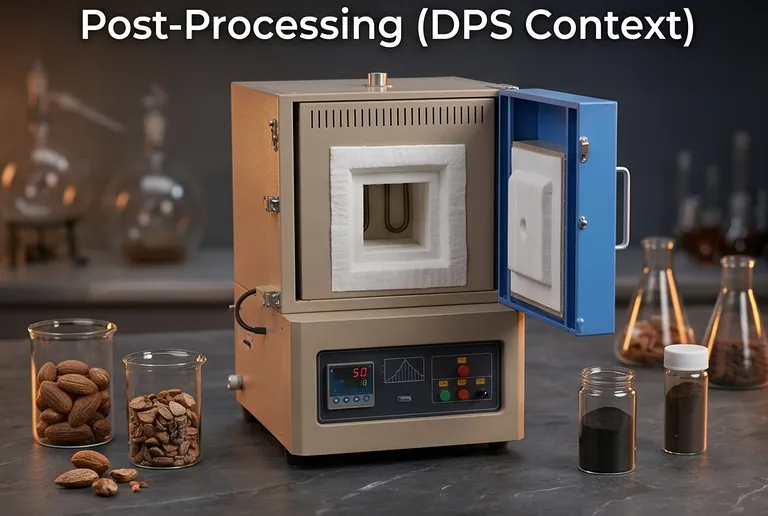
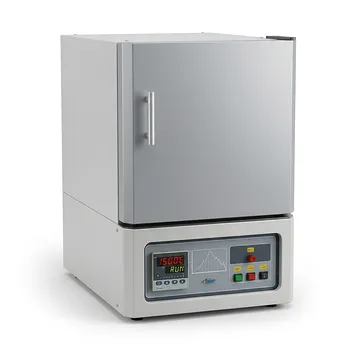
Why does the precision of a Laboratory High-Temperature Oven matter so much?
The Risk of Volatiles If your oven overshoots to 250°C, you begin to lose the volatile organic compounds necessary for high-quality carbon yields. You essentially "burn the harvest" before it’s even planted.
The Cold Spot Problem Residual moisture causes "cold spots" during the subsequent high-temperature pyrolysis. As water evaporates, it consumes latent heat, creating temperature gradients that result in an inconsistent final product.
Consistency in the oven leads to predictability in the furnace.
Engineering the Pretreatment Strategy
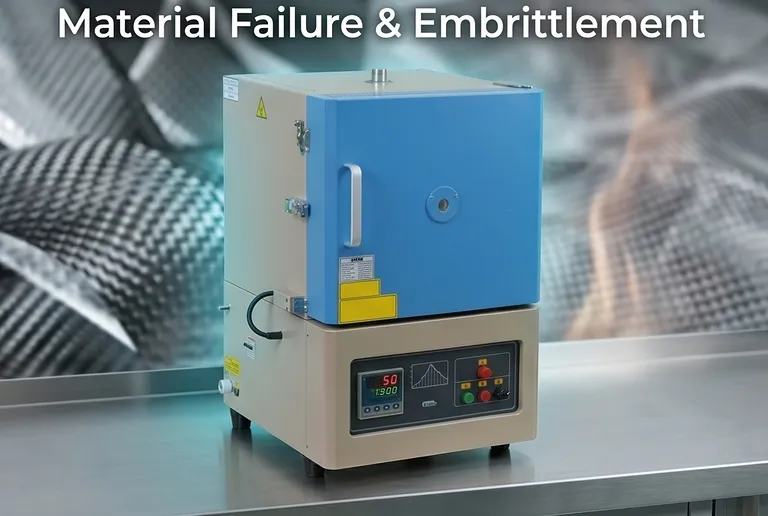
To optimize your research workflow, consider the specific goals of your thermal pretreatment:
- For Mechanical Efficiency: Focus on the "pre-roasting" duration to maximize brittleness.
- For Analytical Accuracy: Reach a "constant weight" to establish a reliable dry-basis for yield calculations.
- For Chemical Impregnation: Ensure total dehydration so that the precursor pores are thirsty for magnetic or chemical solutions.
The Foundation of Advanced Synthesis
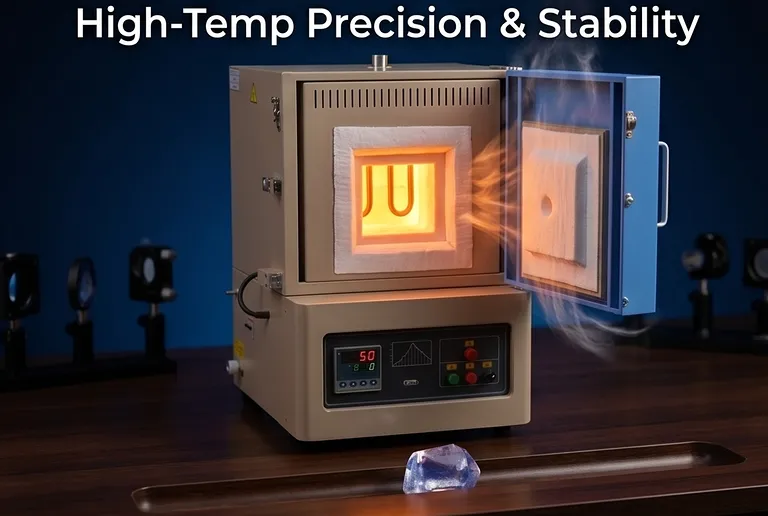
At THERMUNITS, we understand that the success of a 1000°C carbonization process often depends on the stability of a 200°C pretreatment.
As specialists in high-temperature laboratory equipment, we design thermal solutions that provide the exact control required for material science R&D. From Muffle and Vacuum furnaces to advanced CVD systems, our tools are built for researchers who know that "good enough" temperature control is the enemy of breakthrough science.
Whether you are transforming agricultural waste into high-value carbon or pioneering new metallic alloys, the integrity of your thermal processing defines the limits of your results.
Quick Links
Suggested Products
High Temperature Ultrafast Heating Pressing Furnace 2900C Max 100kgf Rapid Thermal Processing System Electric Rotary Kiln Small Rotary Furnace Biomass Pyrolysis Plant High Temperature Bottom Loading Vertical Furnace 1700C Dual Stage Sample Processing System 18L Large Capacity Thermal Treatment Equipment High Temperature Compact Automatic Bottom Loading Furnace with Rapid Cooling for Autonomous Material Research High Temperature Dual Zone Tube Furnace for Material Science Research and Professional Thermal ProcessingFurther Reading
The Calculus of Heat: Why Precision Control is the Soul of Material Science The Architecture of Density: Mastering the Mechanics of Vacuum Hot Pressing The Choreography of Density: Mastering the Vacuum Hot Press Sequence The Geometry of Force: Why Vacuum Hot Pressing Redefines Ceramic Integrity The Geometry of Heat: Why Precision Hot Pressing Defines Modern Composites
ThermUnits
Last updated on Apr 14, 2026
Related Products
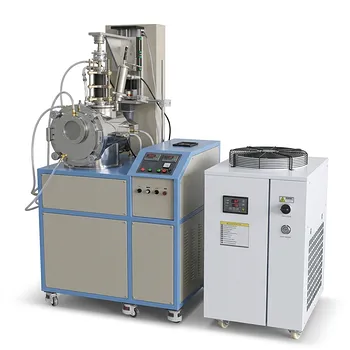
High Temperature Ultrafast Heating Pressing Furnace 2900C Max 100kgf Rapid Thermal Processing System
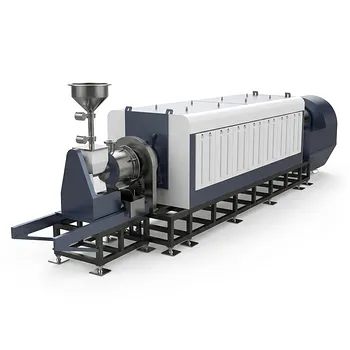
Electric Rotary Kiln Small Rotary Furnace Biomass Pyrolysis Plant
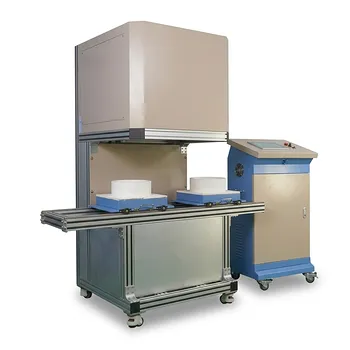
High Temperature Bottom Loading Vertical Furnace 1700C Dual Stage Sample Processing System 18L Large Capacity Thermal Treatment Equipment
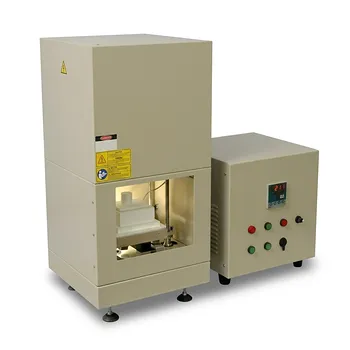
High Temperature Compact Automatic Bottom Loading Furnace with Rapid Cooling for Autonomous Material Research
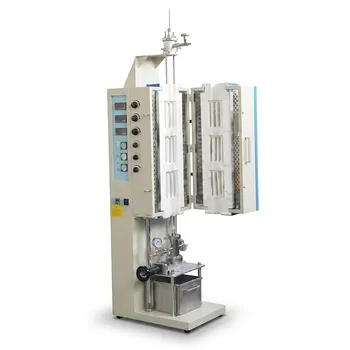
High Temperature Dual Zone Tube Furnace for Material Science Research and Professional Thermal Processing