The Geometry of Force: Why Vacuum Hot Pressing Redefines Ceramic Integrity
Apr 28, 2026
In the world of high-performance ceramics—materials like Silicon Carbide (SiC) and Boron Carbide ($B_4C$)—heat is both the architect and the enemy. To forge these materials into their hardest, most resilient forms, we traditionally rely on extreme temperatures.
But heat, when applied alone, is a blunt instrument. It drives the atomic diffusion needed for bonding, but it also invites chaos: grains grow too large, pores become trapped, and the material’s microscopic "skeleton" weakens before the part is even finished.
The transition from pressureless sintering to Vacuum Hot Pressing (VHP) represents a fundamental shift in philosophy. It is the move from relying on raw thermal energy to a sophisticated "thermo-mechanical coupling."
The Activation Energy Trap
Traditional pressureless sintering operates on a simple, albeit expensive, premise: if you heat a powder enough, the atoms will eventually move.
The problem is the "Sintering Activation Energy." For technical ceramics, this threshold is punishingly high, often requiring temperatures dangerously close to the material's melting point.
Vacuum hot pressing changes the math. By introducing external mechanical work (uniaxial pressure), we lower the barrier for densification.
- Thermal Efficiency: VHP allows for full densification at temperatures 200°C to 400°C lower than standard methods.
- Mechanical Synergy: Pressure physically drives particles together, accelerating "creep" and plastic flow.
- Precision: We no longer wait for diffusion to happen; we command it.
The Microstructural "Tax" of Excess Heat
In materials science, the finest structures are often the strongest. When a furnace stays at peak temperature for too long, a phenomenon called "abnormal grain growth" occurs. A few crystals grow large, consuming their neighbors, creating a coarse structure prone to fracture.
Because hot pressing works at lower temperatures, it effectively "freezes" the microstructure in a fine-grained state.
- High Hardness: Smaller grains mean more grain boundaries, which block cracks from spreading.
- Theoretical Density: While pressureless methods often leave residual pores, VHP achieves over 99% theoretical density.
- Predictability: A dense, fine-grained ceramic behaves consistently under stress—a critical requirement for aerospace and industrial R&D.
The Silent Partner: The Vacuum Environment
What we remove from the process is as important as what we add. In an atmospheric furnace, air is the ghost in the machine. As pores close, they trap gases that create internal pressure, preventing the material from ever reaching a truly solid state.
A vacuum environment performs two critical functions:
- De-gassing: It extracts residual gases before the pores seal, ensuring zero internal voids.
- Chemical Purity: It prevents oxidation. For ceramics sensitive to oxygen, the vacuum acts as a protective shield, maintaining the ionic conductivity and thermal shock resistance of the material.
The Engineering Reality: A Comparative Look
While vacuum hot pressing offers superior mechanical properties, it is a choice of "performance over complexity."
| Feature | Vacuum Hot Pressing (VHP) | Pressureless Sintering |
|---|---|---|
| Density | > 99% (Near-theoretical) | Lower (Residual Porosity) |
| Grain Size | Fine & Controlled | Risk of Coarsening |
| Internal Voids | Eliminated via Vacuum | Risk of Trapped Gases |
| Geometric Freedom | Simple (Discs, Plates) | High (Near-Net Shapes) |
| Primary Goal | Peak Strength/Hardness | Mass Production |
The Systemic Solution for R&D
Choosing the right thermal process is not just about reaching a temperature; it is about controlling the environment in which matter transforms. For those pushing the limits of material science, the trade-off of geometric simplicity for near-perfect density is a strategic necessity.
At THERMUNITS, we engineer the tools that make this precision possible. From our specialized Hot Press Furnaces to Vacuum Induction Melting (VIM) systems, our equipment is designed for the rigorous demands of industrial R&D and material synthesis. We provide the thermo-mechanical control required to turn ceramic powders into high-performance realities.
Whether you are refining Silicon Carbide for armor or experimenting with new composites in a CVD system, the integrity of your material depends on the system you choose.
Quick Links
Suggested Products
High Temperature Vacuum Lamination Hot Press Furnace Machine for Semiconductor Wafer Bonding and Advanced Composite Thermal Processing Industrial Vacuum Hot Press Furnace Machine and High Temperature Heated Vacuum Press for Advanced Material Sintering Industrial High Temperature Vacuum Hot Press Furnace and Heated Vacuum Press Machine for Material Science Sintering High Pressure 600T Vacuum Induction Hot Press Furnace for Advanced Material Heat Treatment and Sintering 2500C High Vacuum Ultrafast Heating Pellet Press with Automated 8 Sample Loading SystemFurther Reading
The Architecture of Density: Mastering the Mechanics of Vacuum Hot Pressing The Choreography of Density: Mastering the Vacuum Hot Press Sequence The Architecture of Absence: Why Vacuum Technology Defines the Future of Flight The Invisible Chemistry of High Heat: Designing Certainty into Vacuum Hot-Zones The Purity of Absence: Why the Human Body Demands Vacuum-Processed Metallurgy
ThermUnits
Last updated on Apr 15, 2026
Related Products
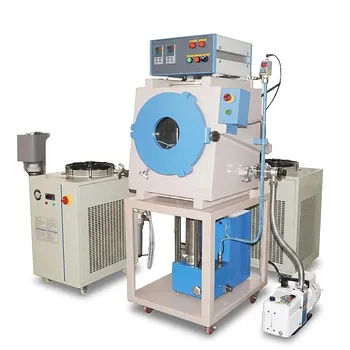
High Temperature Vacuum Lamination Hot Press Furnace Machine for Semiconductor Wafer Bonding and Advanced Composite Thermal Processing
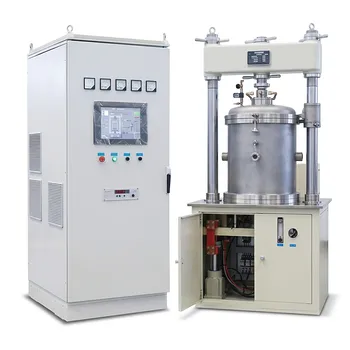
Industrial Vacuum Hot Press Furnace Machine and High Temperature Heated Vacuum Press for Advanced Material Sintering
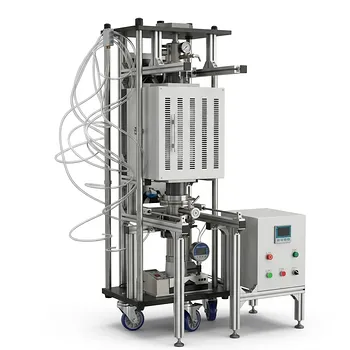
Industrial High Temperature Vacuum Hot Press Furnace and Heated Vacuum Press Machine for Material Science Sintering
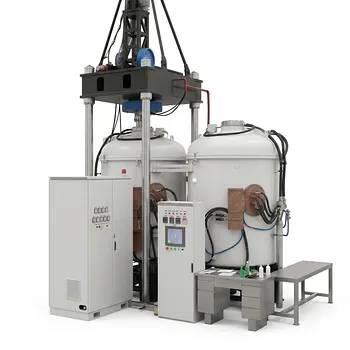
High Pressure 600T Vacuum Induction Hot Press Furnace for Advanced Material Heat Treatment and Sintering
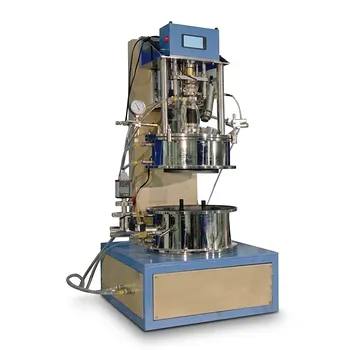
2500C High Vacuum Ultrafast Heating Pellet Press with Automated 8 Sample Loading System
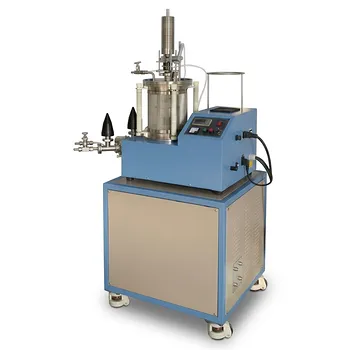
Ultrafast Thermal Pressing Furnace 2900C Max Temperature 200K per Second Heating Rate Vacuum Atmosphere Rapid Processing System
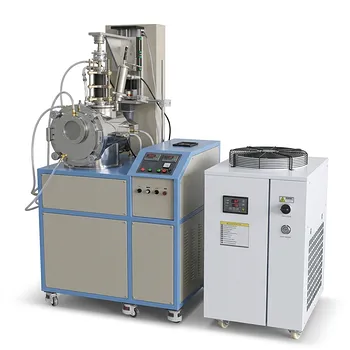
High Temperature Ultrafast Heating Pressing Furnace 2900C Max 100kgf Rapid Thermal Processing System
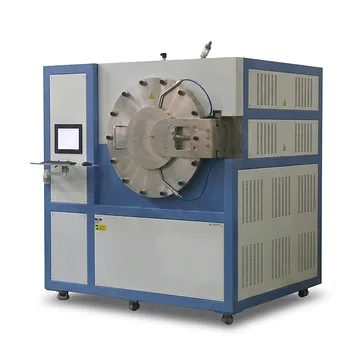
High Vacuum Pressure Chamber Furnace 800C 3.5 Bar Sintering System for Superconducting Materials
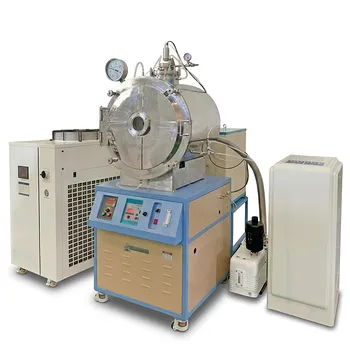
Ultra High Temperature Induction Heated Vacuum Furnace with Molten Salt Electrolysis Capability and 3000 Degree Precision Control
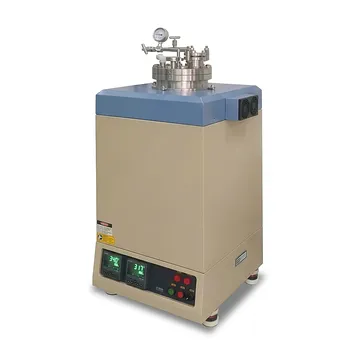
High Temperature 1000C Vacuum Furnace with 8 Inch ID Chamber for Material Sintering and Research Annealing
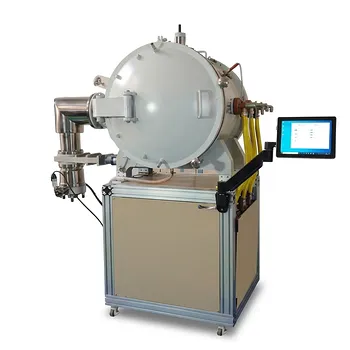
High Temperature Cold Wall Vacuum Furnace for Advanced Material Sintering and Annealing 1600C Heating Area 200x200x300mm

1800C High Temperature Compact Vacuum Tube Furnace with 60mm OD Alumina Tube and Kanthal MoSi2 Heating Elements
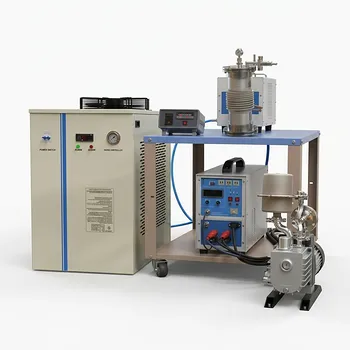
Induction Heating System with Temperature Control for High Temperature Vacuum Sintering and Melting
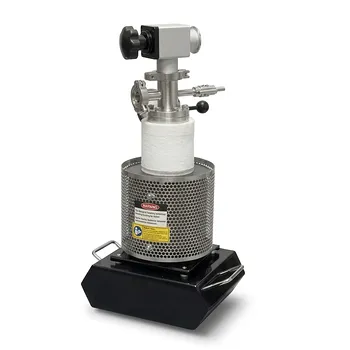
High Temperature 1100C Compact Top Loading Vertical Vacuum Tube Furnace for High Vacuum Noble Metal Melting and Material Research
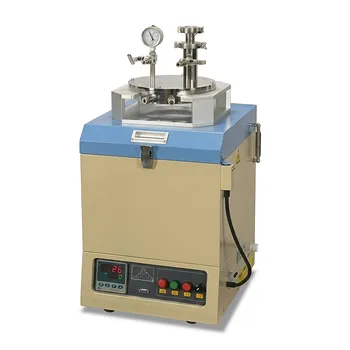
Vertical Vacuum Furnace 1100C High Temperature 8 Inch Quartz Chamber Water Cold Flange System
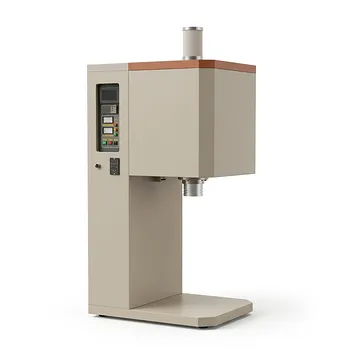
Vertical Openable Tube Furnace 0-1700c High Temperature Laboratory System for CVD and Vacuum Heat Treatment
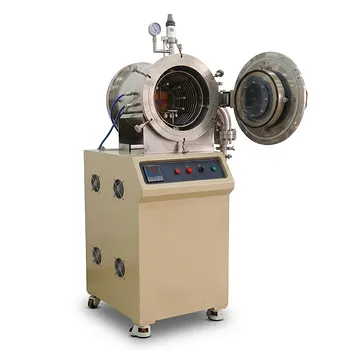
High Temperature Cold Wall High Vacuum Chamber Furnace 1400C for Advanced Material Processing
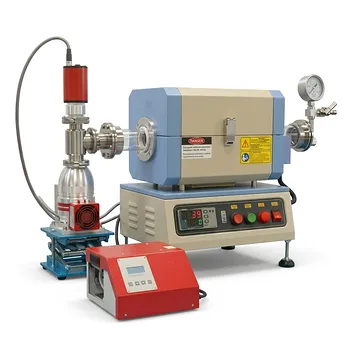
High Vacuum Compact Tube Furnace 1200C with Integrated Turbo Pump System and 8 Inch Heating Zone
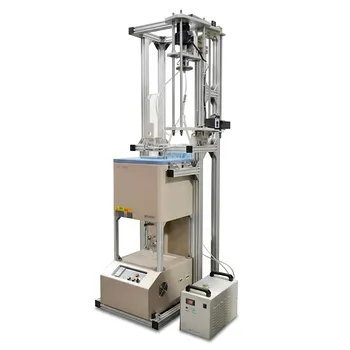
500C Vacuum Vertical Tube Furnace 84mm OD Sample Rotation Lifting System