The Geometry of Endurance: Why Precision Stability Defines the Future of Cr–Mo–Si Alloys
Jul 20, 2026
The Invisible War at 1200°C
In the world of high-performance materials, heat is not just a variable; it is an adversary. When we push Cr–Mo–Si alloys into the 1200°C range, we are asking atoms to remain disciplined under extreme agitation.
Failure in these systems is rarely a sudden collapse. Instead, it is a slow, structural surrender known as oxidation.
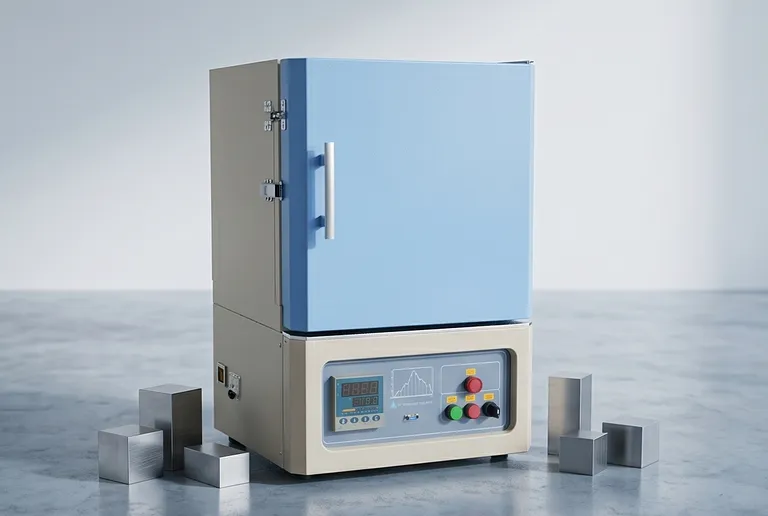
To understand how an alloy survives, we don't just need heat. We need a controlled theater of operations. This is where the high-temperature laboratory box furnace transitions from a tool to a critical scientific environment.
The Psychology of Static Air
In a turbine engine, air is a violent, high-velocity force. But to understand the fundamental chemistry of an alloy, we must first remove the noise.
A box furnace provides a "Static Air Environment." This stillness is intentional. It allows researchers to observe the pure chemical conversation between oxygen and the alloy surface without the interference of kinetic erosion.
Why Isothermal Stability Matters
- The Baseline: Isothermal means "constant temperature." In a Cr–Mo–Si system, even a 5°C deviation can alter the volatility of molybdenum trioxide.
- The Precision: Modern research demands a thermal field stable within ±1°C. This isn't just engineering pride; it is the difference between a repeatable experiment and a collection of anecdotes.
- The Duration: True oxidation kinetics aren't revealed in minutes. They are revealed in the 700th hour of a 1200°C soak.
The Molybdenum Paradox
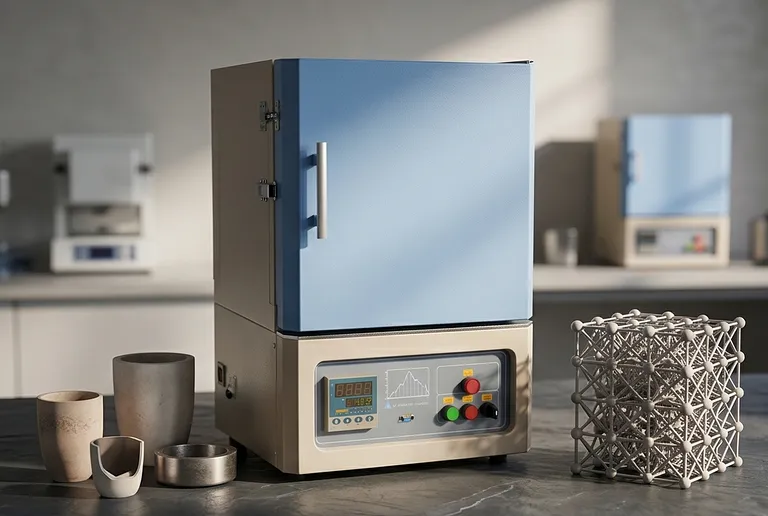
Molybdenum (Mo) is a double-edged sword. It provides strength, but at high temperatures, it seeks to escape.
In the stable environment of a box furnace, we can track "spallation"—the tragic moment when the protective oxide scale loses its grip on the substrate and flakes away. By maintaining a uniform thermal field, the furnace isolates the impact of Mo content on scale adhesion.
| Feature | Condition | Research Impact |
|---|---|---|
| Atmosphere | Static Air | Isolates chemical reaction from mechanical erosion |
| Precision | ±1°C | Ensures weight gain data reflects alloy chemistry |
| Duration | 10–720 Hours | Maps long-term lifespan and kinetic curves |
| Uniformity | Isothermal Zone | Validates the integrity of oxide scale adhesion |
The Engineer’s Trade-off
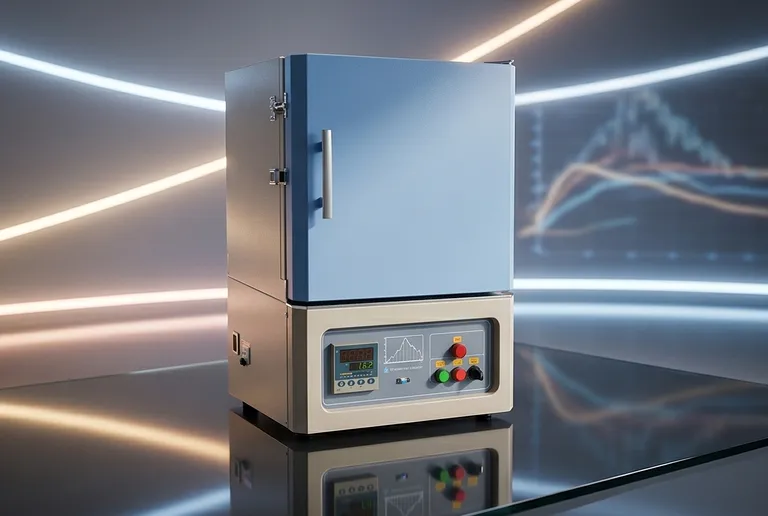
Every simulation has its boundaries. A box furnace is a masterpiece of static stability, yet it is not a flight simulator.
Researchers must account for the lack of high-velocity gas flows. While the box furnace tells us if a protective scale will form, dynamic testing (like that found in specialized tube or atmosphere furnaces) tells us if that scale can withstand a literal hurricane of hot gas.
The "sweet spot" of a furnace—the core where the thermal field is most uniform—is the only place where data is truly sacred. Misplacing a sample by a few centimeters in a low-quality chamber can invalidate weeks of testing.
Designing the Theater of Discovery
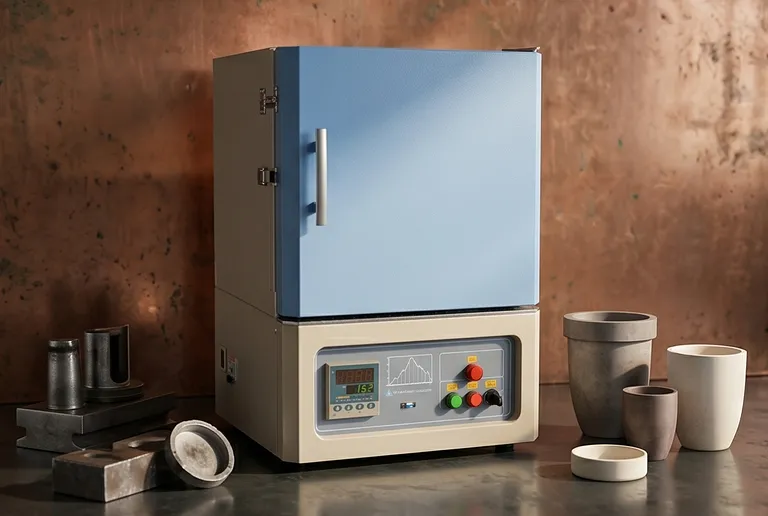
At THERMUNITS, we don't just build furnaces; we build the controlled environments where material breakthroughs happen. We understand that in the pursuit of the next generation of Cr–Mo–Si alloys, the margin for error is non-existent.
Whether you are evaluating oxidation kinetics in a Muffle furnace or exploring complex phase transitions in a Vacuum Induction Melting (VIM) system, precision is the primary requirement.
Our suite of thermal solutions—from CVD/PECVD systems to high-precision Rotary kilns—is engineered to provide the "isothermal silence" your research requires.
Quick Links
Suggested Products
1200°C Five Side Heating Atmosphere Controlled Muffle Furnace 64 Liter High Uniformity Box Furnace for Material Synthesis High Temperature 1200C Split Tube Furnace with Optional Quartz Tube Sizes and Vacuum Sealing Flanges for Material Science Research Top Loading Muffle Furnace 1200°C High Temperature Crucible Furnace with 9 Liter Chamber and Programmable PID Controller 1200C High Temperature Muffle Furnace with Motorized Door and Automated PC Control for Industrial Sintering and Material Processing 27 Liter 1200°C High Temperature Muffle Furnace 19L Chamber with 50 Segment Programmable Controller
ThermUnits
Last updated on Apr 14, 2026
Related Products
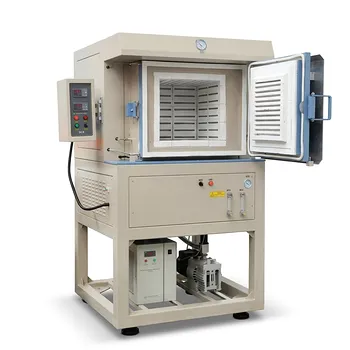
1200°C Five Side Heating Atmosphere Controlled Muffle Furnace 64 Liter High Uniformity Box Furnace for Material Synthesis
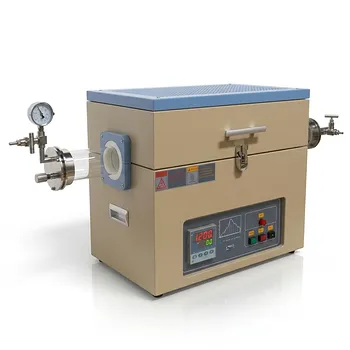
High Temperature 1200C Split Tube Furnace with Optional Quartz Tube Sizes and Vacuum Sealing Flanges for Material Science Research
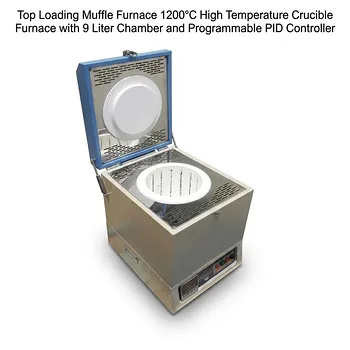
Top Loading Muffle Furnace 1200°C High Temperature Crucible Furnace with 9 Liter Chamber and Programmable PID Controller
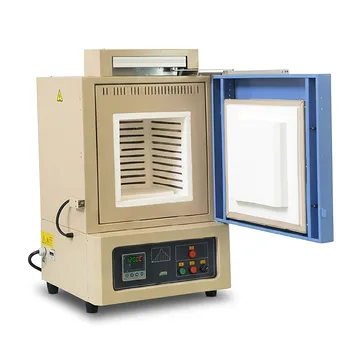
1200C High Temperature Muffle Furnace with Motorized Door and Automated PC Control for Industrial Sintering and Material Processing 27 Liter
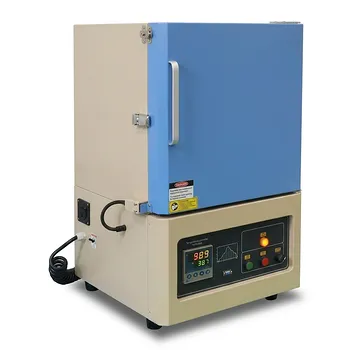
1200°C High Temperature Muffle Furnace 19L Chamber with 50 Segment Programmable Controller
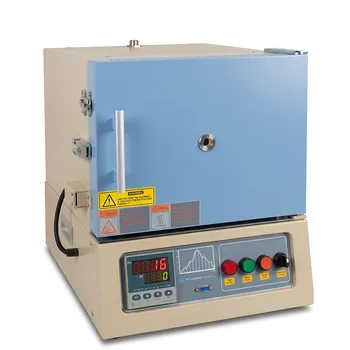
1200C Muffle Furnace 12x8x5 7.2L Heating Chamber with Quartz Observation Window and Vent Port
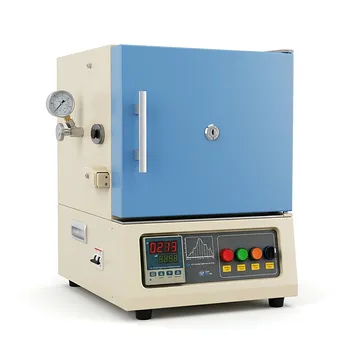
1200C Hybrid Muffle and Tube Furnace for Material Research with Dual Atmosphere Control Quartz Tubes
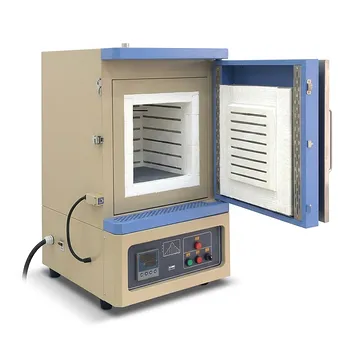
Five Side Heating Muffle Furnace High Purity Alumina Fiber 27L Chamber 1200C High Temperature Thermal Processing System for Sintering Annealing and Materials Research
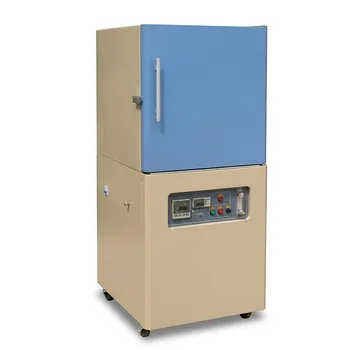
High Temperature Muffle Furnace with Dual Controllers and 36L Large Chamber 1700C Max
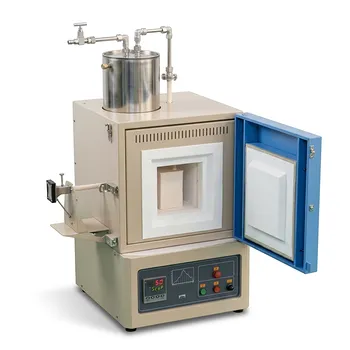
High Temperature Bench Top Muffle Furnace 1700C with Integrated Evaporating Particle Collection and 8x8x8 Alumina Fiber Chamber
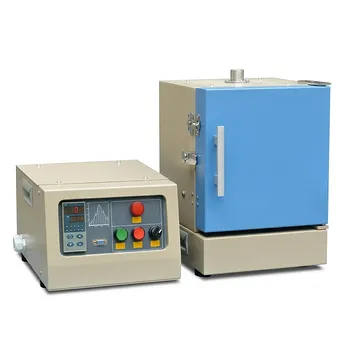
1200C Small Box Muffle Furnace with Separated Programmable Controller and 4.2L Alumina Fiber Chamber
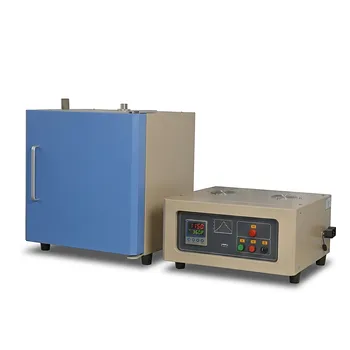
High Temperature Muffle Furnace with Alloy Chamber for Debinding and Sintering Applications
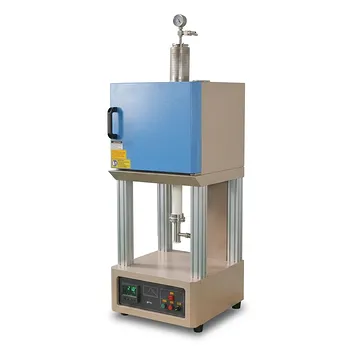
Hybrid High Temperature Tube and Box Furnace 1700C with 2 Inch Alumina Tube for Material Research
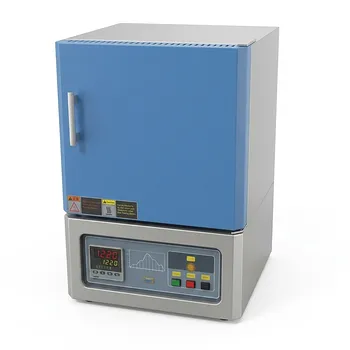
High Temperature Benchtop Muffle Furnace 1700C 10L Chamber Alumina Fiber Insulation MoSi2 Heating Elements
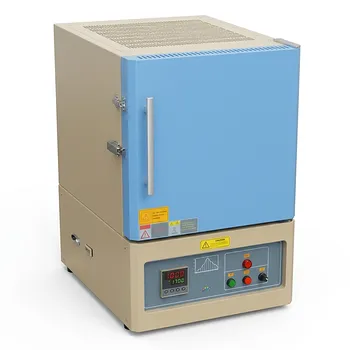
Large Bench Top 1700C High Temperature Muffle Furnace with 19L Chamber for Advanced Material Sintering and Annealing
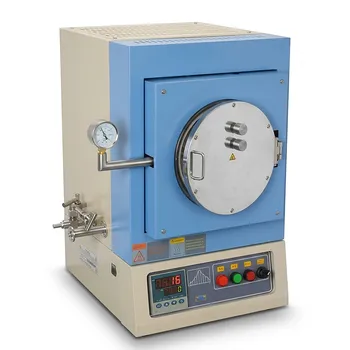
1100°C High Temperature Quartz Chamber Furnace 8 Inch OD with 7.6 Liter Capacity and Vacuum Atmosphere Capability
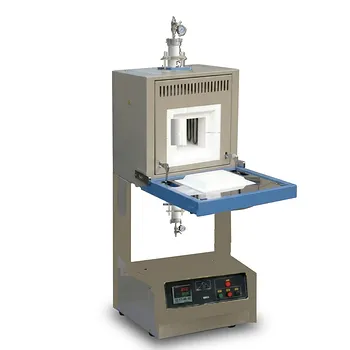
High Temperature Vertical Hybrid Furnace with Alumina Tube and SiC Heating for SOFC Coin Cell Testing and Atmosphere Processing
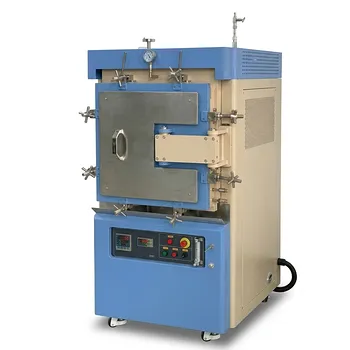
High Temperature Economic Hydrogen Gas Box Furnace 1600C Atmosphere Controlled Thermal Processing System 65L Capacity
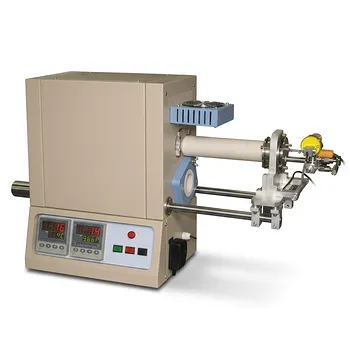
High Temperature Tube Furnace 1500C with Sliding Flanges and 50mm OD for Rapid Thermal Processing Fast Heating and Cooling