How do different cooling rates and media affect the thermal conductivity of Mg-Zn-Y alloys? Optimize Matrix Purification
Updated 3 months ago
The thermal conductivity of Mg-Zn-Y alloys is determined by the rate at which they transition from high temperatures to room temperature. Slower cooling rates, such as furnace cooling, significantly increase thermal conductivity by allowing solute atoms to precipitate out of the magnesium matrix. Faster cooling rates, like water quenching, "freeze" these atoms within the solid solution, causing lattice distortions that impede heat flow.
Core Takeaway: To maximize thermal conductivity in Mg-Zn-Y alloys, one must prioritize "matrix purification." This is achieved through slow cooling media that facilitate the precipitation of solute atoms into secondary phases, thereby reducing lattice resistance to thermal energy.
The Microstructural Mechanism of Heat Flow
Solute Atoms and Lattice Distortion
In Mg-Zn-Y alloys, thermal conductivity is highly sensitive to the presence of solute atoms trapped within the magnesium matrix. When these atoms remain in a solid solution, they distort the crystal lattice, acting as obstacles to the movement of heat-carrying phonons and electrons.
The Power of Matrix Purification
Slower cooling rates provide the necessary time for solute atoms to migrate and form secondary phases. This process "purifies" the magnesium matrix, removing the primary barriers to heat transfer and resulting in a measurable increase in thermal conductivity.
Kinetic Conditions and Phase Transformation
The cooling medium dictates the kinetic conditions of the alloy's transformation. While high-temperature heating dissolves elements into the matrix, the subsequent cooling step determines whether those elements stay there or precipitate into beneficial intermetallic compounds.
Comparing Cooling Media and Their Effects
Water Quenching (WQ): The Lowest Conductivity
Water quenching represents the most rapid cooling method, effectively "freezing" the high-temperature microstructural state. Because it prevents solute atoms from precipitating, it results in the highest level of lattice distortion and the lowest thermal conductivity.
Air Cooling (AC): The Intermediate Approach
Air cooling provides a moderate rate of temperature reduction, allowing for partial matrix decomposition. It offers a middle ground, resulting in better thermal performance than water quenching but falling short of the conductivity levels achieved through slower methods.
Furnace Cooling (FC): The Gold Standard for Conductivity
Furnace cooling is the slowest method, allowing the alloy to undergo a full phase transformation. This extended cooling period ensures maximum precipitation of secondary phases, leading to the cleanest matrix and the highest possible thermal conductivity.
Understanding the Trade-offs
Mechanical Strength vs. Thermal Performance
While slow cooling maximizes thermal conductivity, it may not always be ideal for mechanical integrity. The secondary phases that precipitate during furnace cooling can differ in size and distribution compared to those caught in a quenched state, potentially affecting the alloy's hardness or tensile strength.
Microstructural Stability
Rapid cooling (WQ) is often used to study high-temperature phases that are otherwise unstable at room temperature. By choosing furnace cooling to gain conductivity, a researcher or engineer sacrifices the ability to "lock in" specific high-temperature microstructures that might be required for other functional properties.
How to Apply This to Your Project
Selecting the Right Cooling Method
Achieving the optimal balance in Mg-Zn-Y alloy development requires matching the cooling medium to your primary performance metric.
- If your primary focus is Maximum Thermal Conductivity: Use furnace cooling to allow for complete solute precipitation and matrix purification.
- If your primary focus is Room-Temperature Microstructural Analysis: Use water quenching to "freeze" the state of the alloy as it existed at high temperatures.
- If your primary focus is a Balanced Profile of Properties: Use air cooling to achieve moderate thermal conductivity while maintaining a faster production cycle than furnace cooling.
By strategically controlling the cooling rate, you can precisely tune the thermal resistance of Mg-Zn-Y alloys to meet specific industrial or experimental requirements.
Summary Table:
| Cooling Method | Cooling Speed | Solute Atom Behavior | Thermal Conductivity |
|---|---|---|---|
| Water Quenching (WQ) | Rapid | "Frozen" in solid solution (Lattice Distortion) | Lowest |
| Air Cooling (AC) | Moderate | Partial precipitation from matrix | Intermediate |
| Furnace Cooling (FC) | Slow | Full precipitation (Matrix Purification) | Highest |
Maximize Your Material Performance with THERMUNITS
Precise control over cooling rates and thermal environments is essential for mastering the conductivity and microstructural stability of Mg-Zn-Y alloys. THERMUNITS is a leading manufacturer of high-temperature laboratory equipment, providing the advanced tools needed for professional material science and industrial R&D.
Our comprehensive range of thermal solutions includes:
- Muffle, Vacuum, and Atmosphere Furnaces for controlled environments.
- Tube and Rotary Furnaces for versatile heat treatments.
- Hot Press & CVD/PECVD Systems for complex material synthesis.
- VIM & Dental Furnaces for specialized metallurgical applications.
Whether you need to achieve "matrix purification" through slow furnace cooling or "freeze" high-temperature phases, our equipment offers the precision your research demands.
Contact our experts today to find the perfect furnace for your lab!
References
- Yunsheng Wang, Yoshihito Kawamura. Mg-1.88Zn-0.75Y Cast Alloys with High Thermal Conductivity of 141 Wm<sup>−1</sup>K<sup>−1</sup>. DOI: 10.2320/matertrans.mt-l2024015
Mentioned Products
- 1750C Bench Top Muffle Furnace 3.6L High Grade Molybdenum Disilicide Heating Elements Laboratory Heat Treatment Equipment
- High Temperature 1700C Three Zone Tube Furnace with Alumina Tube 50mm 60mm 80mm OD for Material Research and Industrial Heat Treatment
- 1200C Five Side Heating Muffle Furnace with Sliding Door 125L Volume High Temperature Heat Treatment System for Large Scale Sintering and Annealing
- High Temperature Muffle Furnace with Dual Controllers and 36L Large Chamber 1700C Max
- Vertical Hybrid High Temperature Furnace 1500C Alumina Tube SOFC Fuel Cell Testing Laboratory Heat Treatment Research Equipment
People Also Ask
- Why is a benchtop muffle furnace essential for U3O8 micromaterials? Achieve precision stoichiometry and purity.
- What materials are typically used for heating elements in muffle furnaces? A Guide to Performance & Temperature Limits
- What role does a laboratory high-temperature muffle furnace play in the ash analysis phase of biomass co-firing research? [Guide]
- What role does a high-temperature muffle furnace play in evaluating the mineral composition of rock samples? LOI & XRF Guide
- What is the function of a muffle furnace in aluminoborosilicate glass prep? Stabilize Raw Materials for Superior Purity

Tech Team · ThermUnits
Last updated on Jun 02, 2026
Related Products
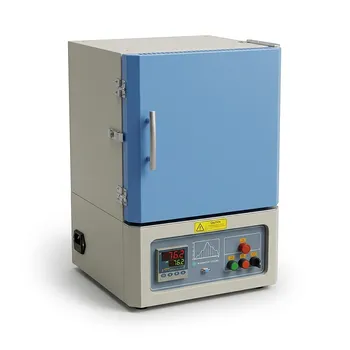
1750C Bench Top Muffle Furnace 3.6L High Grade Molybdenum Disilicide Heating Elements Laboratory Heat Treatment Equipment
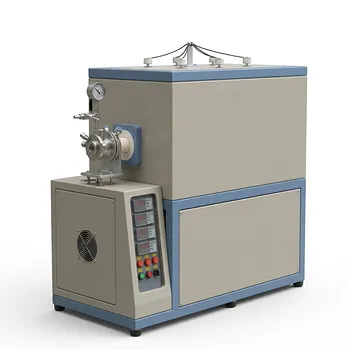
High Temperature 1700C Three Zone Tube Furnace with Alumina Tube 50mm 60mm 80mm OD for Material Research and Industrial Heat Treatment
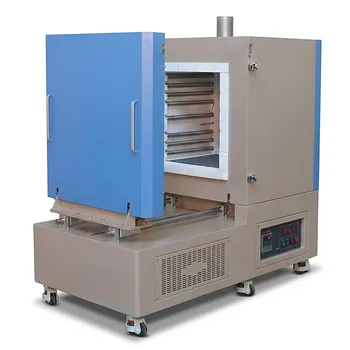
1200C Five Side Heating Muffle Furnace with Sliding Door 125L Volume High Temperature Heat Treatment System for Large Scale Sintering and Annealing
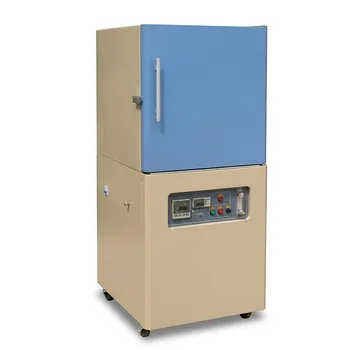
High Temperature Muffle Furnace with Dual Controllers and 36L Large Chamber 1700C Max
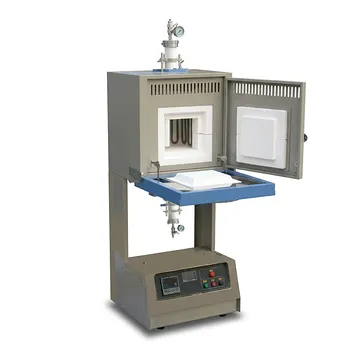
Vertical Hybrid High Temperature Furnace 1500C Alumina Tube SOFC Fuel Cell Testing Laboratory Heat Treatment Research Equipment
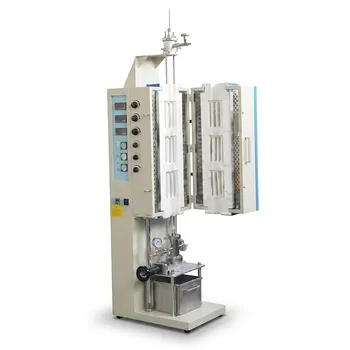
High Temperature Dual Zone Tube Furnace for Material Science Research and Professional Thermal Processing
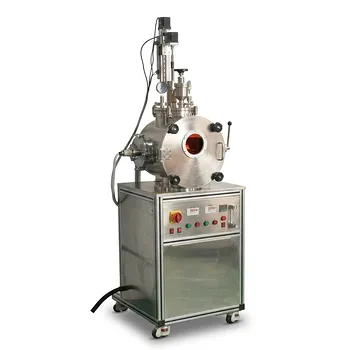
High Vacuum Melting Casting Furnace with Mechanical Stirring and Secondary Charge for Metallic Alloy Research
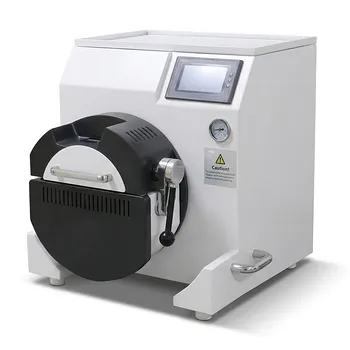
Desktop Induction Melting Furnace with Automatic Rotary Casting Function up to 1700C for Advanced Metal Alloy Research
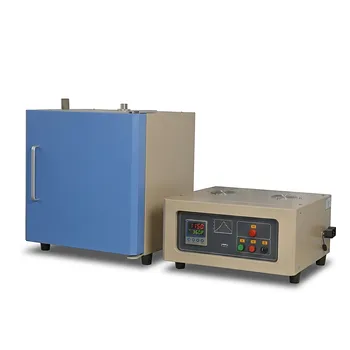
High Temperature Muffle Furnace with Alloy Chamber for Debinding and Sintering Applications
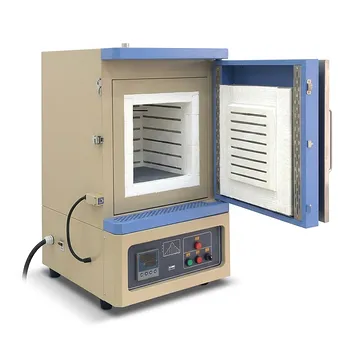
Five Side Heating Muffle Furnace High Purity Alumina Fiber 27L Chamber 1200C High Temperature Thermal Processing System for Sintering Annealing and Materials Research
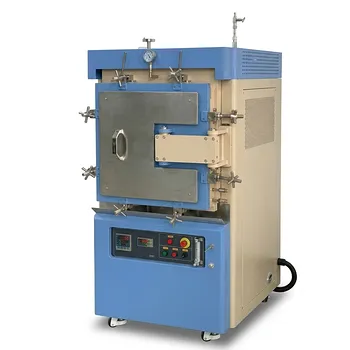
High Temperature Economic Hydrogen Gas Box Furnace 1600C Atmosphere Controlled Thermal Processing System 65L Capacity
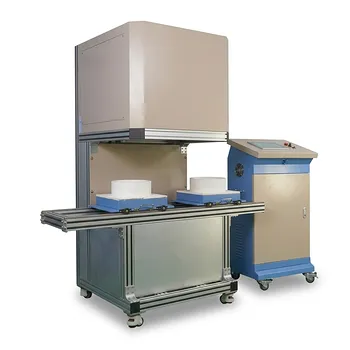
High Temperature Bottom Loading Vertical Furnace 1700C Dual Stage Sample Processing System 18L Large Capacity Thermal Treatment Equipment
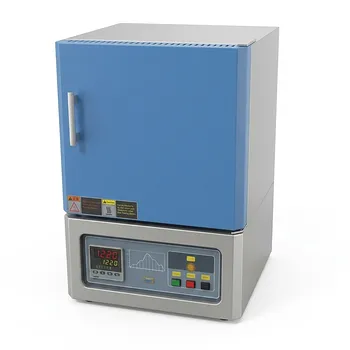
High Temperature Benchtop Muffle Furnace 1700C 10L Chamber Alumina Fiber Insulation MoSi2 Heating Elements
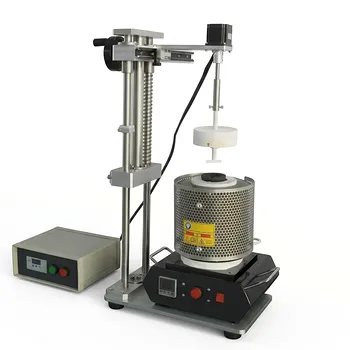
1100C Crucible Melting Furnace with Stirring Function for Glovebox and Air Sensitive Alloy Research
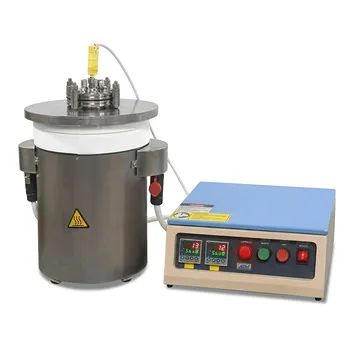
600°C Vertical Crucible Furnace with SS316 Alloy Reactor and 6 Port Vacuum Flange
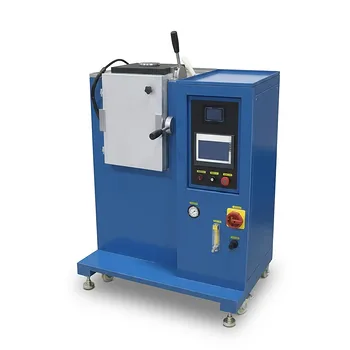
High Throughput Induction Melting and Casting Furnace for Superalloy Research 1700C Atmosphere Controlled Multi Sample System

High Temperature 1700C Benchtop Tube Furnace with 5 Inch Heating Zone High Purity Alumina Tube and Vacuum Sealing Flanges
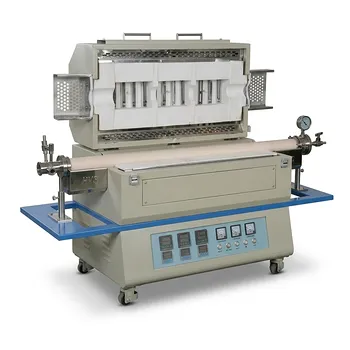
Three Temperature Zone Fast Heating Furnace 1500C Laboratory High Precision Thermal Processing System
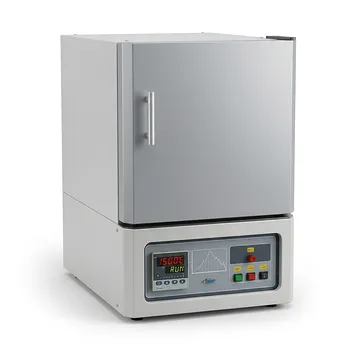
High Temperature 1500C Benchtop Muffle Furnace 3.6L Alumina Fiber Chamber Programmable Controller Sintering Annealing Carbonization Thermal Processing System