Why are calibrated noble metal thermocouples required for high-temperature measurements in the Mn-Si-O system? Accuracy
Updated 3 months ago
For precise thermodynamic studies of the Mn-Si-O system, calibrated noble metal thermocouples are indispensable. At temperatures exceeding 1500 K, standard base-metal sensors fail or drift significantly due to oxidation and structural degradation. These platinum-rhodium alloys provide the extreme thermal stability and corrosion resistance required to capture accurate phase transition data in oxidizing manganese silicate melts.
Core Takeaway: Noble metal thermocouples, such as B-type platinum-rhodium alloys, are required because they maintain exceptional thermoelectric stability and chemical inertness in high-temperature, oxidizing environments, ensuring the +/- 3 K accuracy necessary for reproducible phase equilibrium experiments.
Exceptional Stability at Extreme Temperatures
Performance Beyond 1500 K
Standard thermocouples cannot withstand the intense heat required to melt manganese silicates. Noble metal alloys, specifically platinum and rhodium, are engineered to remain structurally and thermoelectrically stable at temperatures exceeding 1500 K (1227 °C).
Maintaining Thermoelectric Integrity
In long-duration experiments, the "drift" of a sensor can ruin an entire data set. Noble metal sensors exhibit minimal change in their voltage-to-temperature relationship over time, providing reliable feedback during the lengthy cooling or heating cycles required for phase equilibrium.
Resistance to Harsh Chemical Environments
Oxidation Resistance in the Mn-Si-O System
The Mn-Si-O system often requires an oxidizing atmosphere to maintain specific manganese oxidation states. Platinum-rhodium alloys are naturally resistant to oxidation, preventing the sensor from degrading or changing its calibration while exposed to oxygen at high heat.
Protection via Recrystallized Alumina
To further ensure longevity and accuracy, these thermocouples are typically encased in recrystallized alumina protection tubes. This setup prevents direct contact with corrosive silicate vapors while allowing the sensor to be positioned close to the sample for real-time monitoring.
Precision in Phase Transition Analysis
Sensitivity to Temperature Fluctuations
Manganese silicate melts are highly sensitive to thermal changes. Even minor fluctuations can significantly shift phase transition points, leading to incorrect thermodynamic parameters and flawed material models.
Achieving Reproducible Accuracy
Using calibrated B-type thermocouples allows researchers to achieve an accuracy of plus or minus 3 K. This high level of precision is the industry standard for ensuring that experimental conditions can be reproduced across different laboratories and studies.
Understanding the Trade-offs
The Cost of Precision
Noble metal thermocouples are significantly more expensive than base-metal alternatives. This high cost is a direct result of the scarcity of platinum and rhodium, making the sensors a major investment for any high-temperature laboratory.
Physical Fragility and Contamination
Despite their thermal robustness, these sensors are physically delicate and can become brittle after repeated thermal cycling. Additionally, they are susceptible to "poisoning" or contamination if metal vapors bypass the protection tube, which can permanently ruin their calibration accuracy.
Applying This to Your Research
Making the Right Choice for Your Goal
- If your primary focus is high-temperature precision: Utilize a B-type platinum-rhodium thermocouple to ensure stability in environments exceeding 1400 °C.
- If your primary focus is long-term reproducibility: Invest in calibrated noble metal sensors and protect them with high-purity alumina tubes to prevent drift over multiple experimental runs.
- If your primary focus is phase equilibrium accuracy: Prioritize sensors that offer at least +/- 3 K accuracy to correctly identify sensitive transition points in the Mn-Si-O system.
High-precision noble metal thermocouples are the vital link between experimental observation and valid thermodynamic theory in extreme temperature research.
Summary Table:
| Feature | Benefit | Technical Specification |
|---|---|---|
| Thermal Stability | Minimal drift during long cycles | Reliable at temperatures >1500 K |
| Oxidation Resistance | Prevents sensor degradation | High-purity Platinum-Rhodium alloys |
| Measurement Precision | Ensures reproducible phase data | Accuracy within +/- 3 K |
| Protective Housing | Prevents chemical contamination | Recrystallized Alumina tubes |
Elevate Your Material Science Research with THERMUNITS
Precision in thermodynamic studies requires more than just high-quality sensors—it requires a perfectly controlled thermal environment. THERMUNITS is a leading manufacturer of high-temperature laboratory equipment designed for the most demanding industrial R&D.
From Muffle and Vacuum furnaces to CVD/PECVD systems, Rotary kilns, and Hot Press furnaces, our solutions provide the stability and accuracy necessary for advanced phase equilibrium experiments. Whether you need custom Thermal Elements or specialized Dental and Tube furnaces, we deliver the technology that ensures your data is reproducible and reliable.
Ready to optimize your lab’s thermal processing?
Contact our technical team today to discuss your specific high-temperature requirements!
References
- Danilo Alencar de Abreu, Olga Fabrichnaya. Thermodynamic modeling of the Mn–Si–O system. DOI: 10.1007/s00269-024-01302-8
Mentioned Products
- Dual Zone Quartz Tube Furnace with 80mm Diameter 1200C Max Temperature 3 Channel Gas Mixer and Vacuum Pump System
- Molybdenum Disilicide MoSi2 Thermal Elements Electric Furnace Heating Element High Temperature Resistance
- Induction Heating System with Temperature Control for High Temperature Vacuum Sintering and Melting
- Two Zone IR Heating Rapid Thermal Processing RTP Tube Furnace with 4 Inch ID Quartz Tube and Sliding Sample Holders
- High Temperature Tube Furnace 1500C with Sliding Flanges and 50mm OD for Rapid Thermal Processing Fast Heating and Cooling
People Also Ask
- How do dual-zone quartz tube furnaces achieve controllable material preparation? Optimize Perovskite VD Processes
- What are the technical advantages of using a dual-zone tube furnace for growing large PdCoO2 crystals via CVT? Expert Tips
- Purpose of the reverse gradient step in CVT growth? Master Crystal Purity with Dual-Zone Furnaces
- Why is it necessary to place MoS2 devices in a dual-zone tube furnace for annealing? Optimize Lattice Repair & Doping
- Why is a dual-zone tube furnace necessary for ReO3-doped Cu2Te CVD? Essential for precise precursor synchronization.

Tech Team · ThermUnits
Last updated on Jun 02, 2026
Related Products
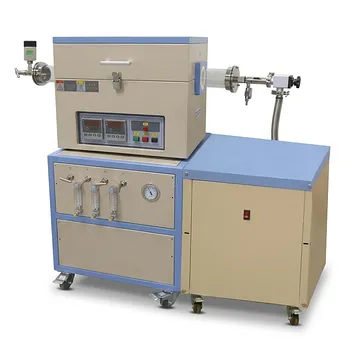
Dual Zone Quartz Tube Furnace with 80mm Diameter 1200C Max Temperature 3 Channel Gas Mixer and Vacuum Pump System
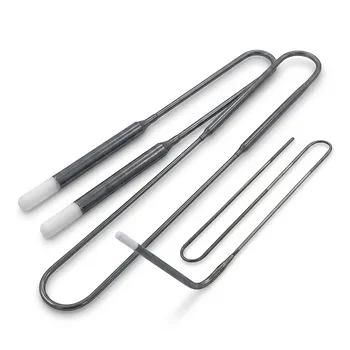
Molybdenum Disilicide MoSi2 Thermal Elements Electric Furnace Heating Element High Temperature Resistance
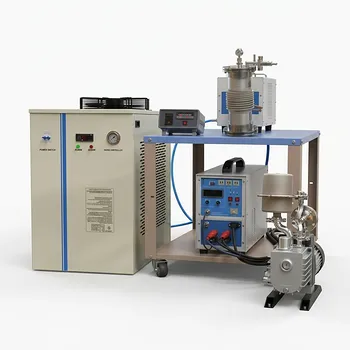
Induction Heating System with Temperature Control for High Temperature Vacuum Sintering and Melting
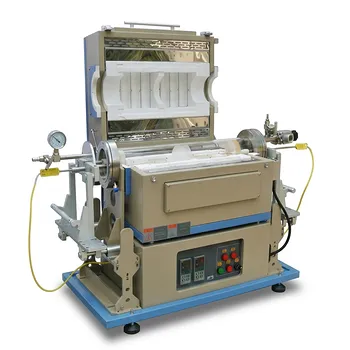
Two Zone IR Heating Rapid Thermal Processing RTP Tube Furnace with 4 Inch ID Quartz Tube and Sliding Sample Holders
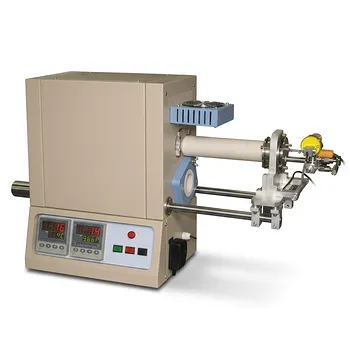
High Temperature Tube Furnace 1500C with Sliding Flanges and 50mm OD for Rapid Thermal Processing Fast Heating and Cooling
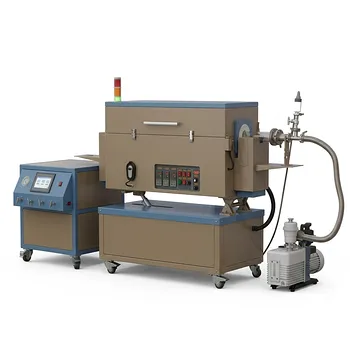
5 Inch Three Zone Rotary Tube Furnace with Integrated Gas Delivery System and 1200C Capability for Advanced Material CVD Processing
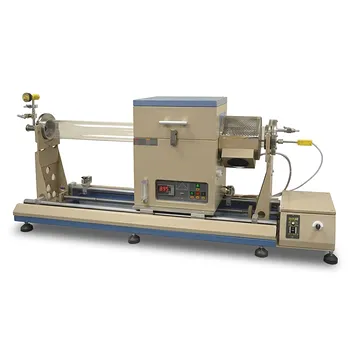
900 ºC Max Sliding RTP Tube Furnace with Rapid IR Heating and 4 Inch OD Quartz Tube
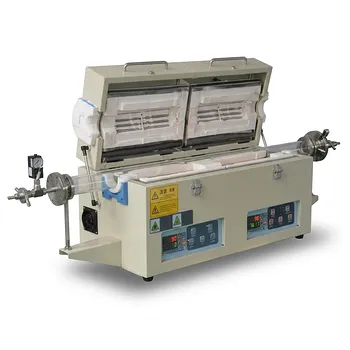
Elongated Two Temperature Zone Pipe Furnace for Industrial Heat Treatment and Material Science Research
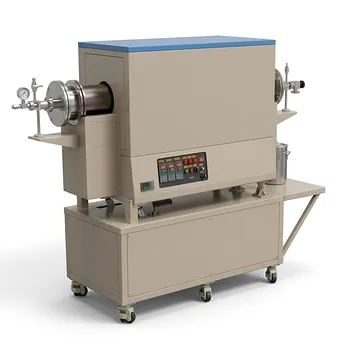
900°C Max Rotary Tube Furnace with 8 Inch 310S Alloy Tube and Optional Multi Zone Heating for Industrial Material Calcination
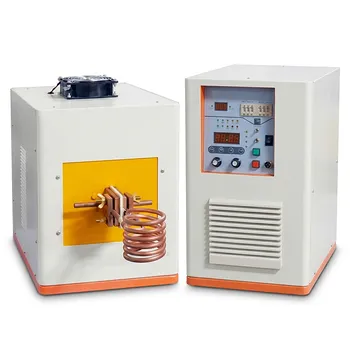
30KW High Frequency Induction Heater for Metal Melting and Industrial Heat Treatment 80-200kHz
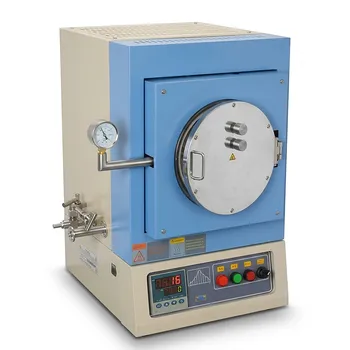
1100°C High Temperature Quartz Chamber Furnace 8 Inch OD with 7.6 Liter Capacity and Vacuum Atmosphere Capability
High Temperature 1700C Dual Zone Tube Furnace for Material Science and Industrial Chemical Vapor Deposition Research
Silicon Carbide SiC Thermal Heating Elements for Industrial Electric Furnaces
1100C High Pressure Rocking Tube Furnace with 2 Inch Super Alloy Processing Tube for Material Synthesis
High Temperature Hydrogen Atmosphere Box Furnace 1650C Max Reducing Environment Material Synthesis System 8x8x8 Chamber
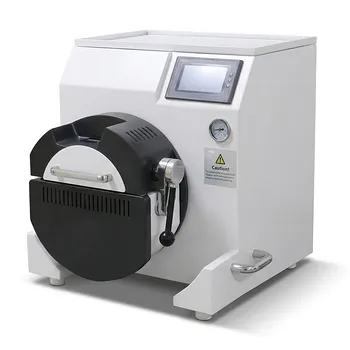
Desktop Induction Melting Furnace with Automatic Rotary Casting Function up to 1700C for Advanced Metal Alloy Research
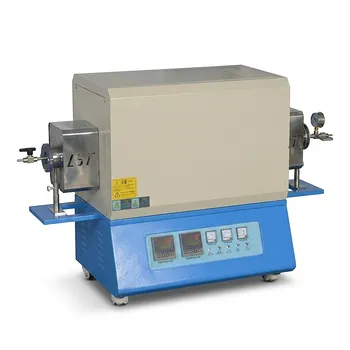
High Temperature Dual Zone Vacuum Tube Furnace for Material Research and CVD Processing
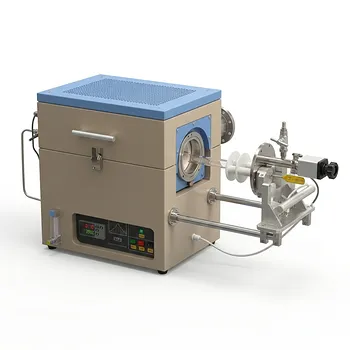
Compact Atmosphere Controlled Rapid Thermal Processing RTP Furnace with 4 Inch ID Quartz Tube 1100C
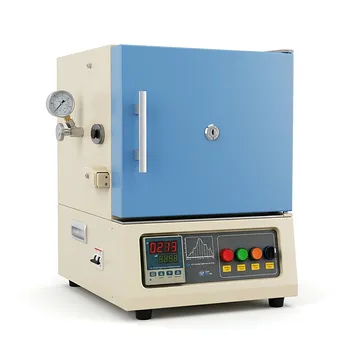
1200C Hybrid Muffle and Tube Furnace for Material Research with Dual Atmosphere Control Quartz Tubes