What are the technical advantages of Positive Temperature Coefficient (PTC) ceramic thermal elements? - Safe & Efficient
Updated 5 months ago
Positive Temperature Coefficient (PTC) ceramic thermal elements represent a fundamental shift from traditional heating methods by providing inherent, material-level thermal management. These components function as self-regulating heaters that automatically restrict power consumption as they reach a specific temperature threshold. This "smart" material behavior eliminates the need for complex external monitoring systems while significantly reducing the risks associated with overheating and mechanical failure.
PTC ceramics provide a "fail-safe" heating solution by using physical properties—rather than external electronics—to limit temperature. This design simplifies system architecture, maximizes safety in volatile environments, and ensures a longer operational lifespan than traditional resistance heaters.
The Mechanics of Self-Regulation
The Inherent Thermal Limit
The primary technical advantage of a PTC ceramic is its ability to act as its own thermostat. As the ceramic material approaches its design temperature, its electrical resistance increases exponentially, which naturally restricts the flow of current and prevents further heating.
Eliminating External Control Hardware
Because the regulation happens at the molecular level, these systems often do not require external sensors, thermostats, or controllers to maintain safety. This reduction in component count simplifies the design and removes multiple potential points of failure from the system.
Efficient Energy Consumption
The self-limiting nature of the material ensures that the heater only draws the power necessary to maintain its target temperature. This makes PTC elements highly efficient in fluctuating environments, as they automatically adjust their output based on ambient conditions.
Critical Safety and Longevity Benefits
Preventing Thermal Runaway
In high-stakes applications like Electric Vehicle (EV) battery packs, PTC elements are essential for safety. They provide a physical guarantee against thermal runaway, ensuring that the heating system cannot exceed a specific temperature even if the surrounding control electronics fail.
Extended Operational Lifespan
Traditional heating wires often fail due to repeated expansion and contraction cycles or localized "hot spots" that burn out the element. PTC ceramics distribute heat more evenly and avoid the stress of extreme temperature spikes, resulting in a much longer service life.
Solid-State Reliability
With no moving parts and a reliance on stable ceramic compounds, these elements are exceptionally durable. They are resistant to oxidation and chemical degradation, making them ideal for harsh industrial environments where reliability is a non-negotiable requirement.
Understanding the Trade-offs
Initial Current Inrush
When a PTC element is powered on at a cold temperature, its resistance is at its lowest point. This creates a significant initial current spike (inrush) that designers must account for when sizing fuses, wiring, and power supplies.
Fixed Temperature Profiles
The maximum operating temperature of a PTC heater is determined by the chemical composition of the ceramic during manufacturing. Unlike traditional heaters, you cannot simply increase the voltage to achieve a higher temperature than the material's physical properties allow.
Making the Right Choice for Your Goal
To determine if PTC technology is the right fit for your application, consider your primary engineering objective:
- If your primary focus is safety-critical systems: PTC elements are the gold standard because they offer a physical, non-electronic safeguard against overheating and fire.
- If your primary focus is system simplification: Utilize these elements to eliminate the cost and complexity of external temperature sensors and thermal cut-off switches.
- If your primary focus is long-term durability: Choose PTC ceramics to minimize maintenance costs in applications where the heater is difficult to access or replace.
By leveraging the physics of self-regulation, PTC ceramics offer a more robust, safe, and efficient alternative to traditional resistance heating.
Summary Table:
| Feature | Technical Advantage | Core Benefit |
|---|---|---|
| Self-Regulation | Resistance increases exponentially with temperature | Eliminates the need for external thermostats |
| Inherent Safety | Physical material limit prevents overheating | Guaranteed protection against thermal runaway |
| Durability | Solid-state ceramic construction | Resists oxidation and mechanical fatigue |
| Efficiency | Draws only necessary power to maintain heat | Reduces energy waste in fluctuating environments |
Optimize Your Thermal Processing with THERMUNITS
At THERMUNITS, we empower material science and industrial R&D with precision-engineered high-temperature laboratory equipment. As a leading manufacturer, we provide a comprehensive range of thermal solutions including Muffle, Vacuum, Atmosphere, Tube, and Rotary Furnaces, as well as specialized CVD/PECVD systems, Vacuum Induction Melting (VIM), and Hot Press furnaces.
Looking to integrate reliable Thermal Elements or high-performance heating technology into your workflow? Our experts are ready to help you select the ideal furnace or heat treatment solution to ensure safety and efficiency in your lab.
Contact THERMUNITS Today to Discuss Your Needs
Mentioned Products
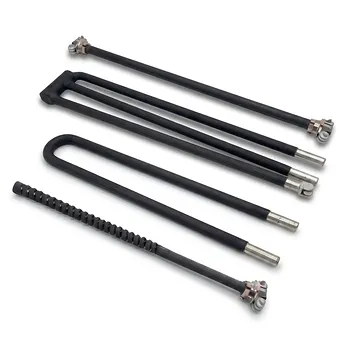
- Silicon Carbide SiC Thermal Heating Elements for Industrial Electric Furnaces
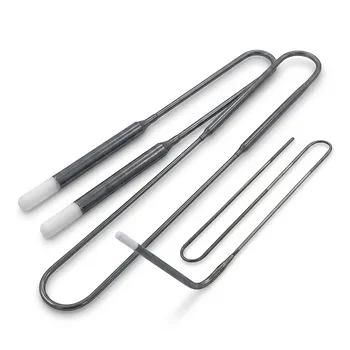
- Molybdenum Disilicide MoSi2 Thermal Elements Electric Furnace Heating Element High Temperature Resistance
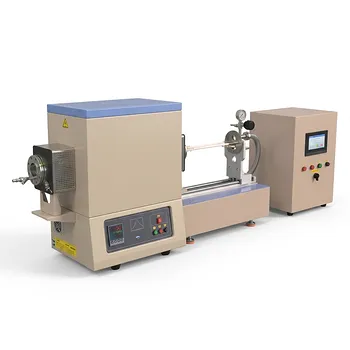
- High Temperature Horizontal Electrical Assisted Sintering Furnace with 3KW Programmable Power Source for Advanced Ceramic Materials
- High Temperature Benchtop Muffle Furnace 1700C 10L Chamber Alumina Fiber Insulation MoSi2 Heating Elements
- Compact Atmosphere Controlled Rapid Thermal Processing RTP Furnace with 4 Inch ID Quartz Tube 1100C
People Also Ask
- Which materials are used for thermal elements in furnaces exceeding 1,500°C? Expert Guide to Extreme Heat Solutions
- How do electric thermal elements compare to combustion-based heating systems? Maximize Your Lab's Energy Efficiency
- What are the fundamental components and operating principles of electric thermal elements? A Comprehensive Guide
- What is the primary function of an industrial electric furnace in the initial stage of preparing reclaimed carbon black?
- Why is a Type C thermocouple selected for slag at 1773 K? Ensure Stability and Precision for High-Temp Analysis

Tech Team · ThermUnits
Last updated on Apr 14, 2026
Related Products
Silicon Carbide SiC Thermal Heating Elements for Industrial Electric Furnaces
Molybdenum Disilicide MoSi2 Thermal Elements Electric Furnace Heating Element High Temperature Resistance
High Temperature Horizontal Electrical Assisted Sintering Furnace with 3KW Programmable Power Source for Advanced Ceramic Materials
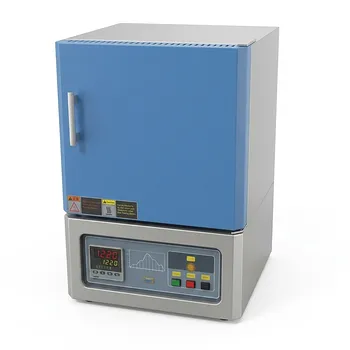
High Temperature Benchtop Muffle Furnace 1700C 10L Chamber Alumina Fiber Insulation MoSi2 Heating Elements
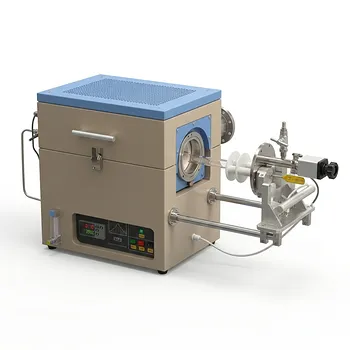
Compact Atmosphere Controlled Rapid Thermal Processing RTP Furnace with 4 Inch ID Quartz Tube 1100C
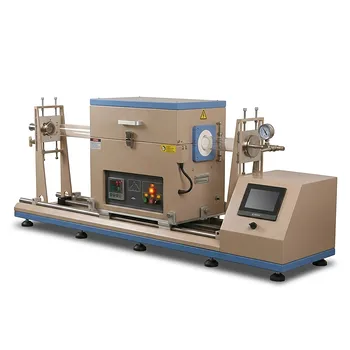
1200C Sliding Tube Furnace for Rapid Thermal Processing and CVD Graphene Growth with 100mm OD Capacity
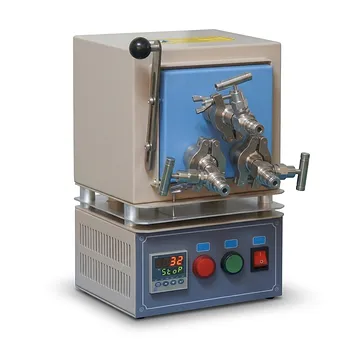
Triple Tube Compact Hybrid Muffle Furnace 1000C High Vacuum Thermal Processing System
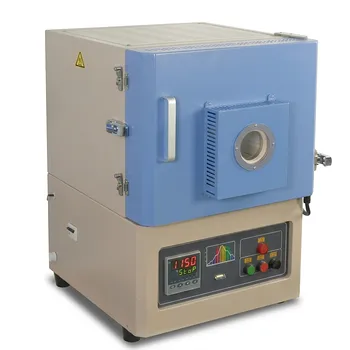
High Temperature Benchtop Muffle Furnace with Quartz Observation Window for Thermal Imaging and Material Analysis
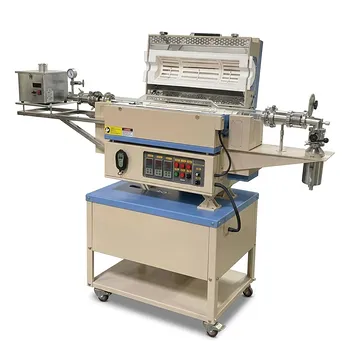
5 Inch Rotary Tube Furnace with Automatic Feeding and Receiving System 1200C Three Zone CVD Powder Processing

High Temperature Tube Furnace 1500C with Sliding Flanges and 50mm OD for Rapid Thermal Processing Fast Heating and Cooling

Compact High Temperature 1600C Tube Furnace with 50mm Alumina Tube and Vacuum Flanges for Material Sintering