How do thermal elements facilitate thermal management in electric vehicles (EVs)? Maximize Battery Range and Safety
Updated 5 months ago
Thermal elements in electric vehicles act as high-precision heat sources that protect battery health and ensure passenger comfort. These components, specifically high-voltage thick-film and PTC (Positive Temperature Coefficient) ceramic heaters, convert electrical energy directly into heat to mitigate the performance degradation batteries suffer in cold climates. By operating at voltages often exceeding 800V and delivering high power density, they provide a lightweight, solid-state solution for managing the complex thermal requirements of modern EV architectures.
Advanced thermal elements are critical for maintaining EV range in cold weather by keeping battery chemistries within their optimal operating windows. These compact, high-voltage components replace bulkier traditional systems, optimizing vehicle weight while ensuring safety through high-insulation standards.
Preserving Battery Range in Adverse Climates
Mitigating Cold-Weather Range Loss
Electric vehicle batteries are chemically sensitive to temperature, often losing significant capacity and discharge efficiency in near-freezing conditions. Thermal elements provide the necessary "pre-conditioning" heat to bring the battery pack to an efficient temperature before and during operation.
Enhancing Chemical Stability
By maintaining a consistent thermal environment, these elements prevent the internal resistance spikes that occur when a battery is too cold. This ensures that the vehicle can maintain consistent power delivery and accept a high rate of charge during regenerative braking or DC fast charging.
Optimizing Space and Weight with Advanced Materials
The Power Density of Thick-Film Technology
Modern thermal elements offer a power density of up to 100 W/cm², allowing for incredibly small form factors. This high density means engineers can integrate powerful heating capabilities into tight spaces without compromising the vehicle's structural layout.
Solid-State Reliability and Weight Reduction
Because thick-film and PTC ceramic elements have no moving parts, they are inherently more reliable and lighter than older mechanical heating systems. Reducing the weight of the thermal management system directly contributes to a longer total driving range for the vehicle.
High-Voltage Safety and Integration
Meeting Stringent Insulation Standards
As EV architectures move toward higher voltages (800V and above), thermal elements must provide superior electrical isolation. These components are designed to meet or exceed 2,000 V insulation standards, ensuring that high-voltage current does not leak into the vehicle chassis or cabin.
Instant Heat Delivery for Passenger Comfort
Unlike internal combustion engines that rely on waste heat from the engine block, EVs require dedicated heat sources for the cabin. Thick-film elements provide instant heat, improving the user experience by defrosting windows and warming the interior seconds after the vehicle is started.
Understanding the Trade-offs
Energy Consumption and Range Impact
The primary trade-off of using thermal elements is that they draw energy directly from the high-voltage traction battery. While they are highly efficient at converting electricity to heat, intensive use in extreme cold will inevitably reduce the vehicle's total driving range.
Cost of Specialized Materials
High-voltage thick-film and PTC materials are more technologically complex to manufacture than traditional resistive wire heaters. This can lead to higher component costs, though these are often offset by the savings found in reduced system complexity and lower assembly weight.
Optimizing Thermal Strategy for EV Design
To effectively implement thermal elements, consider the specific goals of your vehicle platform:
- If your primary focus is maximizing vehicle range: Focus on integrating thermal elements with high-efficiency thermal insulation to minimize the duration and frequency of heating cycles.
- If your primary focus is rapid cabin heating: Prioritize high-power density thick-film elements that provide near-instant thermal transfer to the HVAC airflow.
- If your primary focus is long-term reliability: Opt for PTC ceramic elements, which feature inherent self-regulating properties that prevent the component from ever reaching unsafe temperatures.
Effective thermal management through advanced heating elements is the cornerstone of making electric vehicles viable, safe, and efficient in all environmental conditions.
Summary Table:
| Key Aspect | EV Benefit | Technical Detail |
|---|---|---|
| Battery Health | Prevents cold-weather range loss | Pre-conditions battery to optimal temp |
| Cabin Comfort | Near-instant interior heating | High-voltage Thick-Film & PTC heaters |
| Space Efficiency | Compact, lightweight design | High power density up to 100 W/cm² |
| Safety Standards | High-voltage electrical isolation | Meets or exceeds 2,000 V insulation |
Elevate Your Thermal Research with THERMUNITS
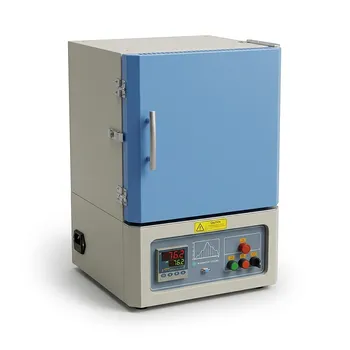
As a leading manufacturer of high-temperature laboratory equipment, THERMUNITS provides the precision tools necessary for material science and industrial R&D. Whether you are testing battery materials or developing next-generation EV components, our comprehensive range of thermal solutions—including Muffle, Vacuum, Tube, and Hot Press furnaces, CVD/PECVD systems, and premium Thermal Elements—ensures your projects meet the highest standards of efficiency and reliability.
Ready to optimize your thermal processing? Contact our expert team today to find the perfect furnace or heating solution for your laboratory needs.
Mentioned Products
- Molybdenum Disilicide MoSi2 Thermal Elements Electric Furnace Heating Element High Temperature Resistance
- Silicon Carbide SiC Thermal Heating Elements for Industrial Electric Furnaces
- 1200C Max Dual Sliding Tube Furnace with 50 mm Tube Flanges for CVD
- 30KW High Frequency Induction Heater for Metal Melting and Industrial Heat Treatment 80-200kHz
- High Temperature Benchtop Muffle Furnace 1700C 10L Chamber Alumina Fiber Insulation MoSi2 Heating Elements
People Also Ask
- What role do MoSi2 heating elements play in high-temperature smelting? Precision for Ferronickel & Slag Research
- Why is the selection of high-performance thermal elements critical for high-temperature testing? Ensure Data Integrity.
- How do electric thermal elements compare to combustion-based heating systems? Maximize Your Lab's Energy Efficiency
- What role do thermocouples play in furnace closed-loop systems? Essential Feedback for Precision
- How do actuators and heaters in an electric resistance furnace respond to control commands? Optimizing Heat Accuracy

Tech Team · ThermUnits
Last updated on Apr 14, 2026
Related Products
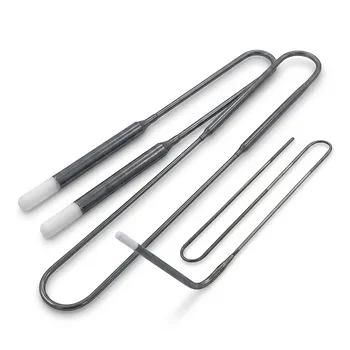
Molybdenum Disilicide MoSi2 Thermal Elements Electric Furnace Heating Element High Temperature Resistance
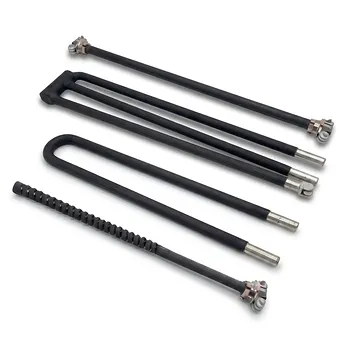
Silicon Carbide SiC Thermal Heating Elements for Industrial Electric Furnaces
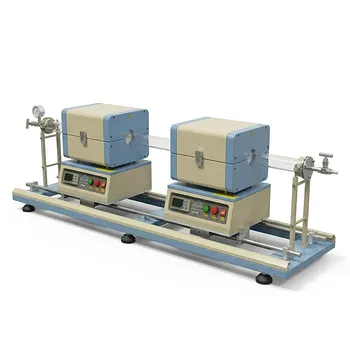
1200C Max Dual Sliding Tube Furnace with 50 mm Tube Flanges for CVD
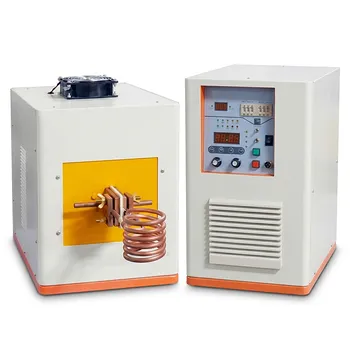
30KW High Frequency Induction Heater for Metal Melting and Industrial Heat Treatment 80-200kHz
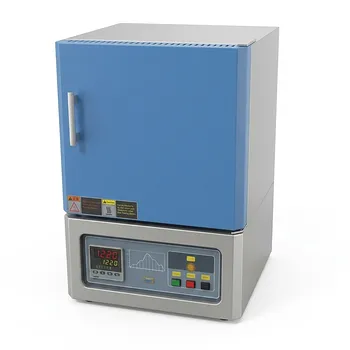
High Temperature Benchtop Muffle Furnace 1700C 10L Chamber Alumina Fiber Insulation MoSi2 Heating Elements