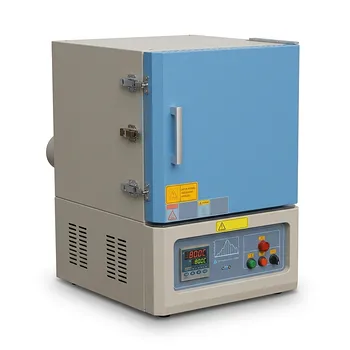
Why is the selection of high-performance thermal elements critical for high-temperature testing? Ensure Data Integrity.
Updated 3 months ago
The selection of high-performance thermal elements determines the ceiling of your research capabilities. Using components like silicon molybdenum or silicon carbide rods is critical because they dictate the maximum achievable temperatures and ensure that experimental data remains uncontaminated. Without these high-quality elements, researchers face the risk of equipment failure, sample corruption, and inconsistent heating profiles that invalidate complex physical and chemical tests.
High-performance thermal elements serve as the foundation of high-temperature testing by maintaining a pure chemical environment and a stable thermal gradient. Their selection is a strategic choice between ensuring experimental precision and risking data-compromising contamination.
Defining the Boundaries of Experimental Conditions
Maximum Operating Temperatures
The material properties of components like silicon molybdenum (MoSi2) or silicon carbide (SiC) define the highest possible temperature your equipment can sustain. High-performance elements allow for a wider range of testing, enabling the study of materials at their true operational or melting points.
Chemical Stability at Extremes
Low-quality elements may react with the furnace atmosphere or degrade prematurely when exposed to extreme heat. Chemical stability ensures the heating element remains structurally sound throughout the duration of the test, preventing unexpected interruptions.
Safeguarding Sample Purity and Data Integrity
Preventing Volatile Contamination
During long-term operation, inferior heating elements can release volatile impurities into the furnace chamber. These impurities can bond with the test specimen, altering its chemical composition and rendering the resulting data useless for high-precision research.
Maintaining Research Continuity
High-quality elements are engineered for longevity and consistent performance over multiple cycles. This durability is essential for long-term experiments where a failure mid-test could lead to the loss of months of progress and expensive raw materials.
Precision through Controlled Thermal Dynamics
Stable Heating Rates
Accurate physical and chemical testing requires a predictable and uniform heating rate. High-performance rods provide consistent resistance and heat output, ensuring that the thermal gradient remains steady and reproducible across different test batches.
Accurate Experimental Data
Because the thermal element is the core of the heat treatment equipment, its reliability directly correlates to the accuracy of the data collected. Fluctuations in heat output from a degrading element can mask or mimic phase changes in the material being tested.
Understanding the Trade-offs
Material-Specific Brittleness
While silicon carbide and silicon molybdenum rods offer superior heat resistance, they are often physically brittle. This means they require careful handling and specific installation procedures to avoid mechanical failure during setup or maintenance.
Cost vs. Reliability
High-performance elements represent a higher initial capital investment compared to standard alloys. However, the total cost of ownership is often lower when factoring in the reduced risk of failed experiments and the extended replacement intervals of premium materials.
How to Apply This to Your Project
When selecting thermal elements for your testing environment, consider the specific requirements of your samples and the duration of your heating cycles.
- If your primary focus is extreme temperature range: Prioritize silicon molybdenum (MoSi2) elements to reach the highest thermal thresholds without compromising element life.
- If your primary focus is chemical purity: Select elements with high oxidative stability and low volatility to prevent any atmospheric contamination of your samples.
- If your primary focus is data reproducibility: Invest in high-precision elements that guarantee stable heating rates across multiple experimental cycles.
Choosing the right thermal element is not merely a hardware decision, but a strategic step in ensuring the scientific validity of your high-temperature research.
Summary Table:
| Element Material | Max Temp Range | Key Advantage | Ideal Application |
|---|---|---|---|
| Silicon Molybdenum (MoSi2) | 1700°C - 1900°C | High oxidation resistance | Extreme high-temp R&D |
| Silicon Carbide (SiC) | 1400°C - 1600°C | Superior chemical stability | Material property testing |
| Refractory Metals | 2000°C+ | Highest thermal ceiling | Vacuum/Inert atmosphere tests |
Secure Your Research Precision with THERMUNITS
As a leading manufacturer of high-temperature laboratory equipment, THERMUNITS understands that your research is only as reliable as the heating elements driving it. We offer a comprehensive suite of thermal processing solutions—including Muffle, Vacuum, Atmosphere, Tube, and Rotary Furnaces, as well as CVD/PECVD systems and Vacuum Induction Melting (VIM) furnaces—all equipped with high-performance thermal elements to ensure maximum temperature stability and sample purity.
Don't let inferior components compromise your material science data. Contact our technical experts today to discuss how our custom heat treatment equipment can enhance your lab's efficiency and experimental accuracy.
References
- Yulian He, Zhiyong Han. Preparation of the Amorphous NiCoP Nanosheet Array on Carbon Cloth for High‐Performance Solid‐State Hybrid Supercapacitor. DOI: 10.1002/slct.202304554
Mentioned Products
- Molybdenum Disilicide MoSi2 Thermal Elements Electric Furnace Heating Element High Temperature Resistance
- Silicon Carbide SiC Thermal Heating Elements for Industrial Electric Furnaces
- High Temperature Benchtop Muffle Furnace 1700C 10L Chamber Alumina Fiber Insulation MoSi2 Heating Elements
- High Temperature Bench Top Muffle Furnace 1700C with Integrated Evaporating Particle Collection and 8x8x8 Alumina Fiber Chamber
- Hybrid High Temperature Tube and Box Furnace 1700C with 2 Inch Alumina Tube for Material Research
People Also Ask
- What role do MoSi2 heating elements play in high-temperature smelting? Precision for Ferronickel & Slag Research
- How do electric thermal elements compare to combustion-based heating systems? Maximize Your Lab's Energy Efficiency
- What are the primary functions of an electric resistance furnace? Enhancing Precision in Industrial Thermal Processing
- How do optimized control schemes for electric resistance furnaces ensure accuracy? Enhance Heat Treatment Stability.
- Why Evaluate Furnace Control Saturation Limits? Achieve Stable Heat Treatment and Protect Your Hardware

Tech Team · ThermUnits
Last updated on Jun 02, 2026
Related Products
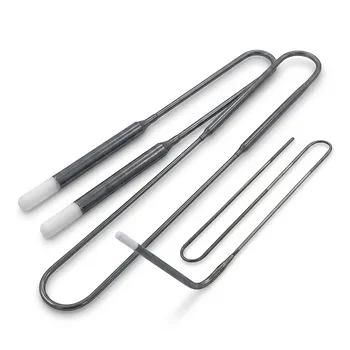
Molybdenum Disilicide MoSi2 Thermal Elements Electric Furnace Heating Element High Temperature Resistance
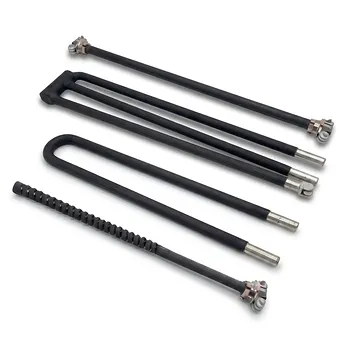
Silicon Carbide SiC Thermal Heating Elements for Industrial Electric Furnaces
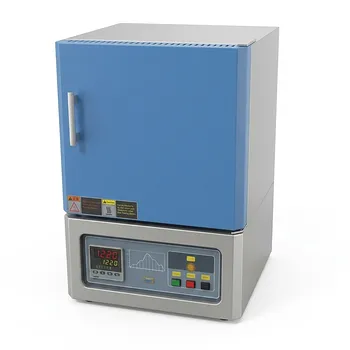
High Temperature Benchtop Muffle Furnace 1700C 10L Chamber Alumina Fiber Insulation MoSi2 Heating Elements
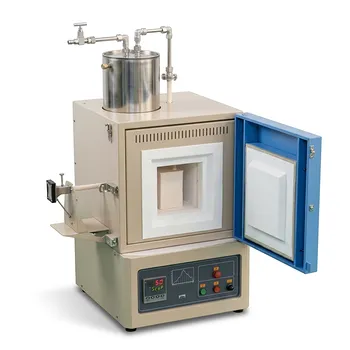
High Temperature Bench Top Muffle Furnace 1700C with Integrated Evaporating Particle Collection and 8x8x8 Alumina Fiber Chamber
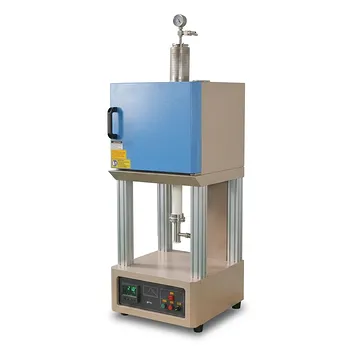
Hybrid High Temperature Tube and Box Furnace 1700C with 2 Inch Alumina Tube for Material Research
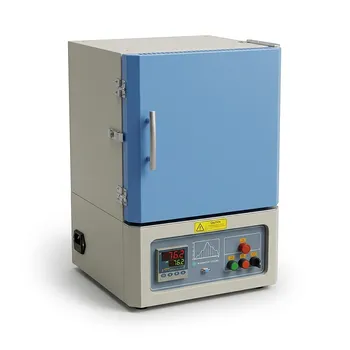
1750C Bench Top Muffle Furnace 3.6L High Grade Molybdenum Disilicide Heating Elements Laboratory Heat Treatment Equipment
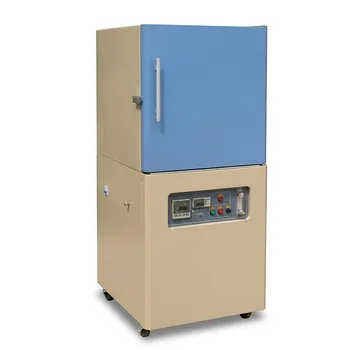
High Temperature Muffle Furnace with Dual Controllers and 36L Large Chamber 1700C Max
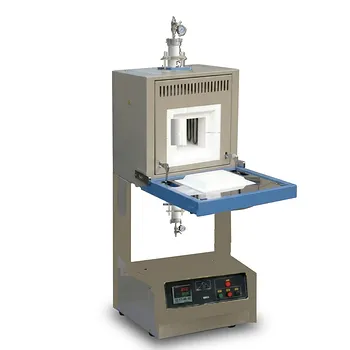
High Temperature Vertical Hybrid Furnace with Alumina Tube and SiC Heating for SOFC Coin Cell Testing and Atmosphere Processing