How do industrial pyrolysis kilns influence the performance of biochar produced from agricultural waste? Master Biochar
Updated 3 months ago
Industrial pyrolysis kilns serve as the primary engineering lever for tailoring biochar performance. By precisely modulating temperature, heating rates, and residence times, these systems transform agricultural waste into high-value adsorbents. The resulting biochar features optimized microporous structures and surface chemistries capable of matching or exceeding the performance of commercial activated carbon in specialized environmental applications.
The industrial kiln dictates the efficiency and utility of biochar by controlling its thermochemical conversion. Precise thermal management allows for the engineered development of the surface area and chemical activity required for high-performance remediation.
The Mechanics of Thermal Transformation
Precise Temperature Control and Porosity
Industrial kilns, such as muffle furnaces, provide a stable environment to reach temperatures up to 1000°C. As temperatures increase, the thermal decomposition of agricultural waste accelerates, significantly expanding the specific surface area and pore volume. This process creates a complex microporous structure essential for capturing pollutants.
The Role of Heating Rates and Residence Time
The heating rate (e.g., 10°C per minute) and the residence time at peak temperature determine the depth of the thermochemical conversion. Controlled kinetics ensure that organic matter is converted into stable carbon without collapsing the newly formed pore networks. This balance is critical for maintaining the structural integrity of the biochar.
Maintaining Oxygen-Limited Environments
Kilns operate as sealed, oxygen-limited environments to prevent the combustion of the feedstock. This restricted environment facilitates the carbonization process rather than simple burning. The result is a high-value carbon product that retains the necessary physical characteristics for industrial use.
Surface Chemistry and Adsorption Potential
Engineering Functional Groups
The thermal profile within the kiln directly influences the number of surface oxygen-containing functional groups. These groups are the primary drivers of chemical activity, allowing the biochar to interact with various contaminants. At specific temperature ranges, such as 300°C to 900°C, kilns can be tuned to maximize these active sites.
Competitive Performance in Remediation
When optimized, the biochar produced in industrial kilns functions as a highly effective low-cost adsorbent. It demonstrates significant potential for mercury removal and denitrification (nitrogen removal). In many scenarios, the performance of this engineered biochar is comparable to or better than expensive commercial activated carbon.
Valorization of Agricultural Waste
The use of industrial kilns transforms low-value agricultural residues into high-performance materials. This process not only solves waste management issues but also creates a product with high mercury removal potential. The kiln is the bridge between raw biomass and technical-grade carbon.
Understanding the Trade-offs
The Balance Between Surface Area and Yield
Increasing the kiln temperature generally enhances the specific surface area, which is beneficial for adsorption. However, higher temperatures typically lead to a lower total yield of biochar as more mass is lost to syngas and oils. Producers must choose between the quality of the surface and the quantity of the final product.
Functional Group Loss at Extreme Temperatures
While extreme temperatures (approaching 1000°C) maximize porosity, they can also strip away essential oxygen-containing functional groups. If the deep need is for chemical bonding rather than physical trapping, excessive heat can actually decrease the biochar's effectiveness. Precise temperature "sweet spots" must be identified for specific contaminants.
Energy Consumption vs. Performance
Operating kilns at high temperatures and slow heating rates increases the energy intensity of the production process. The marginal gain in adsorption performance must be weighed against the increased operational costs. For some agricultural waste streams, moderate processing may be more economically viable than reaching peak performance.
Applying Kiln Parameters to Your Goal
How to Apply This to Your Project
To achieve the best results from your industrial pyrolysis process, align your kiln settings with your specific application requirements.
- If your primary focus is Mercury Removal or Denitrification: Utilize higher temperatures (up to 900°C-1000°C) to maximize the specific surface area and develop a deep microporous structure.
- If your primary focus is Chemical Reactivity: Target moderate temperature ranges (300°C to 500°C) to preserve a higher density of oxygen-containing functional groups on the biochar surface.
- If your primary focus is Structural Consistency: Implement a slow, steady heating rate (e.g., 10°C/min) to ensure uniform thermochemical conversion across the entire batch of agricultural waste.
By mastering the thermal variables of the industrial kiln, you can transform simple agricultural waste into a precision-engineered tool for environmental remediation.
Summary Table:
| Parameter | Impact on Biochar Performance | Target Application |
|---|---|---|
| High Temperature (900-1000°C) | Maximizes specific surface area and micropore volume. | Mercury removal & denitrification |
| Moderate Temperature (300-500°C) | Preserves oxygen-containing functional groups. | Chemical reactivity & bonding |
| Slow Heating Rate (e.g., 10°C/min) | Ensures structural integrity and uniform conversion. | Consistent material quality |
| Oxygen-Limited Environment | Prevents combustion; facilitates pure carbonization. | High-value carbon production |
Elevate Your Biochar Research with THERMUNITS
Precision thermal management is the key to transforming agricultural waste into high-performance materials. As a leading manufacturer of high-temperature laboratory equipment, THERMUNITS provides the advanced technology required for material science and industrial R&D.
Whether you are focusing on mercury removal or chemical reactivity, our comprehensive range of thermal solutions—including Muffle, Vacuum, Atmosphere, Tube, and Rotary furnaces, as well as CVD/PECVD systems and Vacuum Induction Melting (VIM) furnaces—offers the stability and control you need for superior results.
Ready to optimize your heat treatment process? Contact us today to discuss your specific requirements and discover how our expert thermal solutions can drive your innovation.
References
- Guoliang Li, Chuanchuan Liu. Research Progress on the Synergistic Treatment of Multi Pollutants at Low Temperatures Using Carbon-Based Materials. DOI: 10.3390/su162410965
Mentioned Products
- Electric Rotary Kiln Small Rotary Furnace Biomass Pyrolysis Plant
- Electric Rotary Kiln Continuous Working Small Rotary Furnace Heating Pyrolysis Plant
- 900°C Max Rotary Tube Furnace with 8 Inch 310S Alloy Tube and Optional Multi Zone Heating for Industrial Material Calcination
- 1500C Three Zone Vertical Pyrolysis Furnace for Nanoparticle Synthesis and Advanced Oxide Coating
- Three Zone Rotary Tube Furnace for High Temperature Powder Processing and Material Research
People Also Ask
- How does the electric rotary kiln support environmental compliance and sustainability? Achieve Zero-Emission Production
- What are the maintenance and service life advantages of an electric rotary kiln? 25+ Year Longevity & Low Maintenance
- What thermal efficiency can be expected from an electric rotary kiln compared to fuel-fired alternatives? Gain 95% efficiency.
- How does the use of an electric rotary kiln facilitate CO2 capture in cement and lime production? Achieve High-Purity CCUS
- Which minerals and specialty chemicals are commonly processed using electric rotary kilns? Precision Thermal Processing Guide

Tech Team · ThermUnits
Last updated on Jun 02, 2026
Related Products
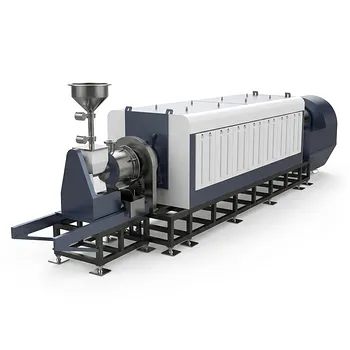
Electric Rotary Kiln Small Rotary Furnace Biomass Pyrolysis Plant
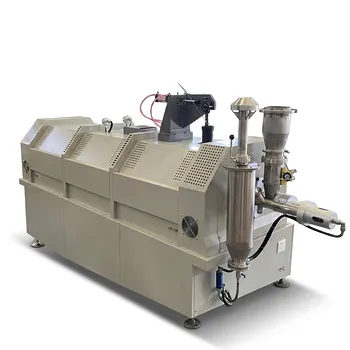
Electric Rotary Kiln Continuous Working Small Rotary Furnace Heating Pyrolysis Plant
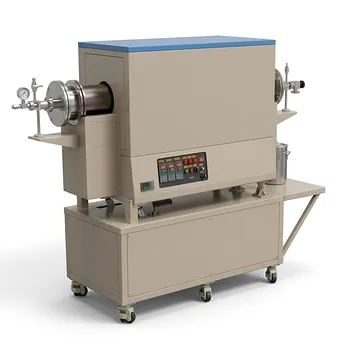
900°C Max Rotary Tube Furnace with 8 Inch 310S Alloy Tube and Optional Multi Zone Heating for Industrial Material Calcination
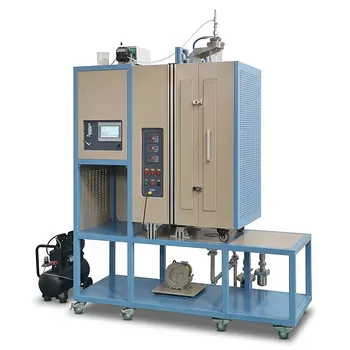
1500C Three Zone Vertical Pyrolysis Furnace for Nanoparticle Synthesis and Advanced Oxide Coating
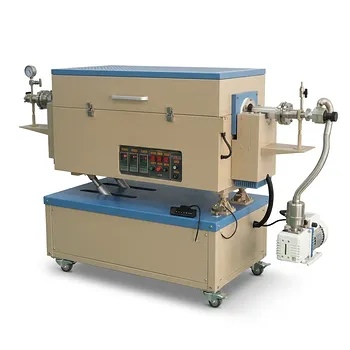
Three Zone Rotary Tube Furnace for High Temperature Powder Processing and Material Research

Vertical 1700C Vacuum and Atmosphere Tube Furnace with 80mm Alumina Tube
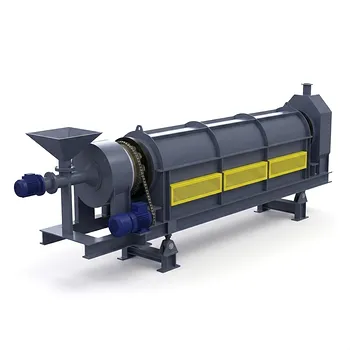
Electric Rotary Kiln Small Rotary Furnace for Activated Carbon Regeneration