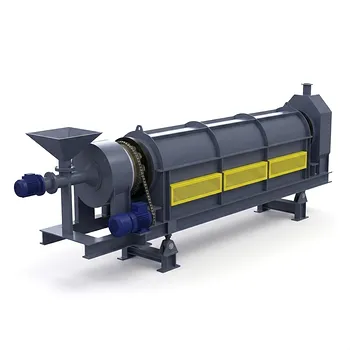
How do internal heat exchangers enhance the efficiency of a rotary furnace? Maximize Heat Transfer & Lower Fuel Costs
Updated 5 months ago
Internal heat exchangers maximize rotary furnace efficiency by bridging the thermal gap between hot combustion gases and the material charge. These components—specifically lifters, chains, and metallic inserts—are strategically placed in cooler furnace sections to recapture energy that would otherwise be lost. By mechanically manipulating the material or increasing the available surface area, they ensure that the maximum amount of thermal energy is transferred to the product, significantly reducing fuel consumption.
Core Takeaway: Internal heat exchangers transform a rotary furnace from a simple vessel into an active thermal processor by forcing interaction between the gas stream and the material. This optimization is critical for maintaining high thermal efficiency in zones where temperature differentials are low.
The Mechanics of Enhanced Heat Transfer
Cascading Material Through Gas Streams
In a standard furnace, the material sits at the bottom while hot gases pass over the top, creating a limited contact area. Lifters and flights solve this by scooping the material and dropping it through the cross-section of the furnace. This "curtain" of falling material forces the hot gases to pass through the charge, drastically increasing convective heat transfer.
Expanding Effective Surface Area
Components like metallic inserts act as secondary heating surfaces that absorb heat from the gas and transfer it to the material via conduction. These inserts increase the "wetted" surface area of the furnace internals. By providing more square footage for heat exchange, the system can extract more energy from the gases without requiring a longer kiln.
Utilizing Chains for Aggressive Heat Capture
In specific applications, heavy chains are hung inside the furnace to act as flexible heat exchangers. These chains absorb heat while hanging in the gas stream and then plunge into the material bed as the furnace rotates. This direct conduction and immersion process is one of the most effective ways to transfer heat to slurry or granular materials.
Understanding the Trade-offs
Mechanical Wear and Maintenance
While heat exchangers improve efficiency, they introduce significant mechanical stress and points of failure. Lifters and chains are subject to constant abrasion from the material charge and thermal cycling from the gases. Regular inspections are required to prevent broken components from contaminating the final product.
Impact on Material Integrity
Not all materials benefit from the aggressive agitation provided by internal exchangers. For fragile materials, the cascading action of lifters can cause unwanted dusting or physical degradation. In these cases, the gains in thermal efficiency must be balanced against the potential loss of product quality or increased filtration requirements for exhaust gases.
Gas Flow Obstruction
Adding internal components naturally increases the pressure drop across the furnace. If the heat exchangers are too dense, they can restrict gas flow, forcing the induction fans to work harder. This can lead to a "diminishing returns" scenario where the energy saved in heating is partially offset by increased electrical consumption for air movement.
Applying Heat Exchangers to Your Process
Choosing the right internal configuration depends entirely on your specific material characteristics and thermal requirements.
- If your primary focus is maximizing fuel economy: Prioritize high-density chain systems or advanced lifter profiles in the cooler zones to capture every possible BTU.
- If your primary focus is processing fragile or dusty materials: Utilize stationary metallic inserts or low-profile flights that increase surface area without causing excessive material cascading.
- If your primary focus is reducing maintenance downtime: Select heavy-duty, abrasion-resistant alloys for all internal components and implement a phased replacement schedule.
By strategically deploying internal heat exchangers, operators can transform the efficiency of their rotary furnace while maintaining precise control over product quality.
Summary Table:
| Component | Heat Transfer Mechanism | Key Benefit |
|---|---|---|
| Lifters/Flights | Convection (Cascading material) | Maximizes gas-to-material contact area |
| Metallic Inserts | Conduction (Increased surface area) | Absorbs gas heat for direct material contact |
| Chains | Immersion & Conduction | Highly effective for slurry or granular heating |
Optimize Your Thermal Process with THERMUNITS
Maximize the efficiency of your material science and industrial R&D with THERMUNITS’ advanced thermal solutions. As a leading manufacturer, we provide a comprehensive range of high-performance equipment including Rotary furnaces, electric rotary kilns, Vacuum Induction Melting (VIM) furnaces, and CVD/PECVD systems.
Whether you need to enhance fuel economy with optimized internal heat exchangers or require precise control with our Muffle, Vacuum, or Hot Press furnaces, we deliver the expertise and durability your lab requires.
Ready to upgrade your heat treatment capabilities? Contact our engineering team today to find your solution
Mentioned Products
- 900°C Max Rotary Tube Furnace with 8 Inch 310S Alloy Tube and Optional Multi Zone Heating for Industrial Material Calcination
- 1500C 3-Zone Rotary Tube Furnace 60mm with Automatic Powder Feeding and Receiving System for Continuous Material Synthesis
- High Temperature 1700C Dual Zone Rotary Tube Furnace with 60mm Alumina Tube and Precision Rotation Control
- Mini Rotary Tubular Furnaces for Precision Powder Heat Treatment and Thermogravimetric Analysis
- Three Zone Rotary Tube Furnace for High Temperature Powder Processing and Material Research
People Also Ask
- How does a rotary tube furnace improve the processing of granular materials? Enhance Uniformity and Reaction Kinetics
- Why use a rotary tube furnace for FACS carbonization? Ensure uniform morphology and prevent sphere agglomeration.
- Why is the precise optimization of residence time essential in the catalyst calcination process? Maximize Your Yields.
- In what ways do rotary tube furnaces enhance chemical and specialty mineral processing? Drive Precision and Uniformity.
- What parameters must operators control to maintain product quality in a rotary furnace? Master Your Heat Treatment.

Tech Team · ThermUnits
Last updated on Apr 14, 2026
Related Products
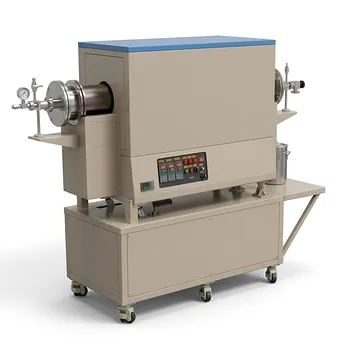
900°C Max Rotary Tube Furnace with 8 Inch 310S Alloy Tube and Optional Multi Zone Heating for Industrial Material Calcination
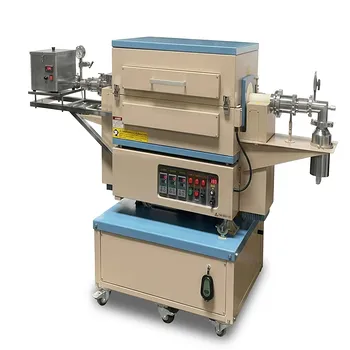
1500C 3-Zone Rotary Tube Furnace 60mm with Automatic Powder Feeding and Receiving System for Continuous Material Synthesis
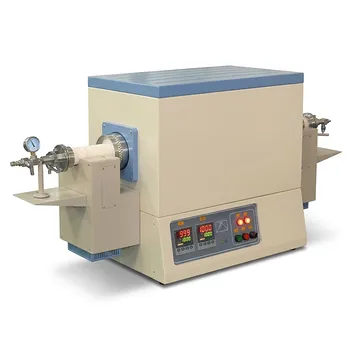
High Temperature 1700C Dual Zone Rotary Tube Furnace with 60mm Alumina Tube and Precision Rotation Control
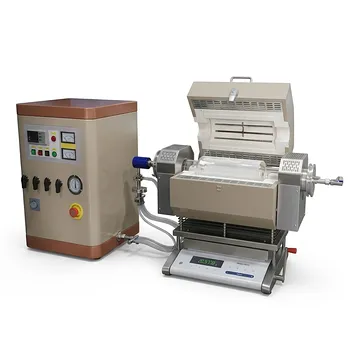
Mini Rotary Tubular Furnaces for Precision Powder Heat Treatment and Thermogravimetric Analysis
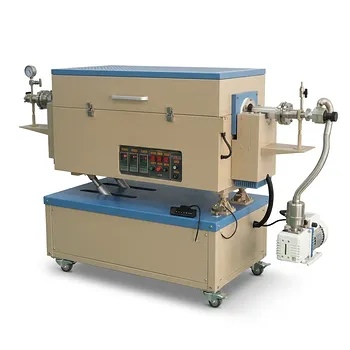
Three Zone Rotary Tube Furnace for High Temperature Powder Processing and Material Research
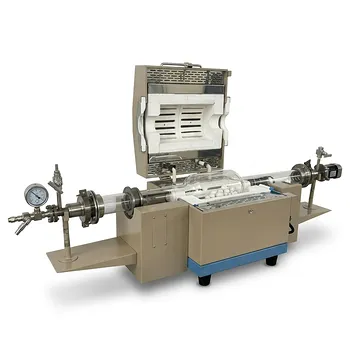
High Temperature Rotary Tube Furnace with Integrated Ball Milling and Gas Flow Function for Powder Nitriding
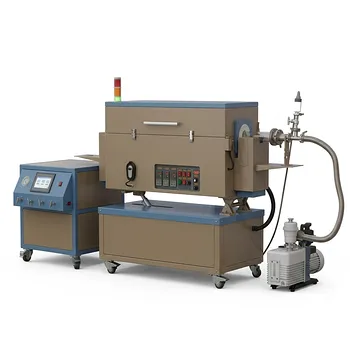
5 Inch Three Zone Rotary Tube Furnace with Integrated Gas Delivery System and 1200C Capability for Advanced Material CVD Processing
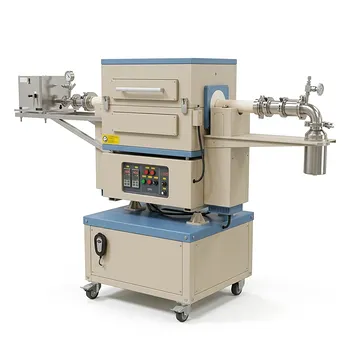
1500C Max Dual Zone Rotary Tube Furnace with 60 mm OD Alumina Tube for High Temperature Material Synthesis
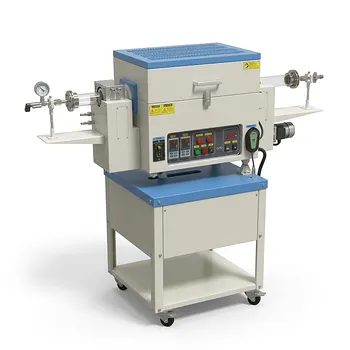
4 Inch Two Zone Rotary CVD Tube Furnace for High Temperature Battery Material Synthesis and Advanced Material Calcination
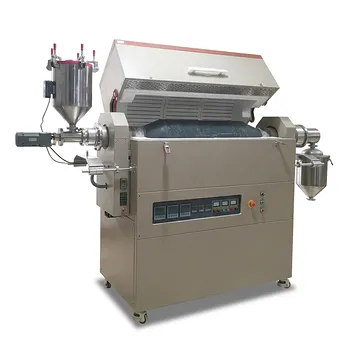
High Temperature Tilting Rotary Tubular Furnace for Continuous Powder Thermal Processing and Controlled Atmosphere Sintering
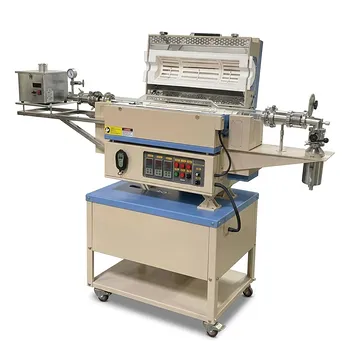
5 Inch Rotary Tube Furnace with Automatic Feeding and Receiving System 1200C Three Zone CVD Powder Processing
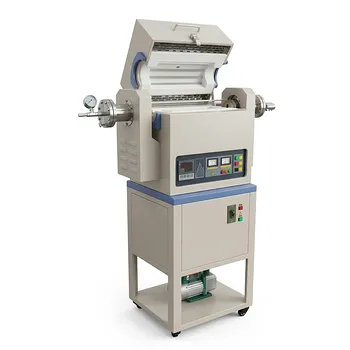
High Temperature Rotary Tilt Tubular Furnaces for Advanced Powder Sintering and Material Processing
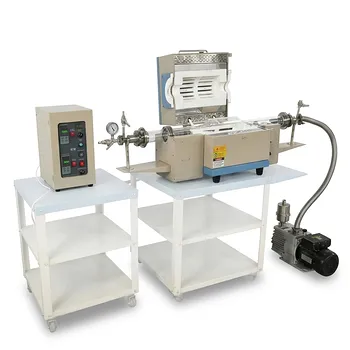
Two Zone Rotary Tube Furnace for Powder CVD Coating and Core Shell Material Synthesis 1100C
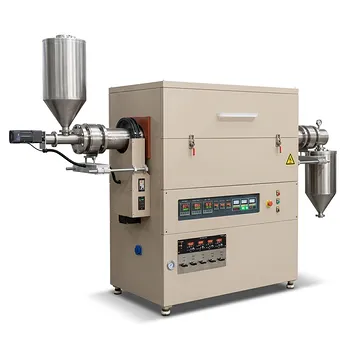
High Temperature Tilting Rotary Tube Furnace with Integrated Mass Flow Control and Multi Zone Heating
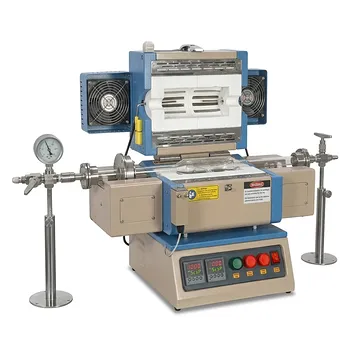
Dual Zone Rotary Tube Furnace for Uniform Powder Calcination 1000C 2 Inch Quartz Tube
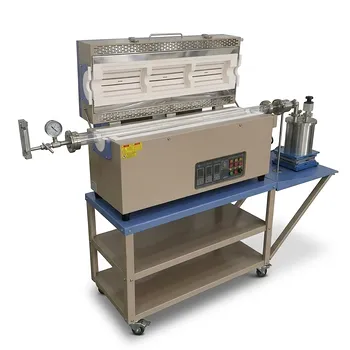
5 Inch Two Zone Rotary Tube Furnace 1100C for Powder CVD and Material Synthesis
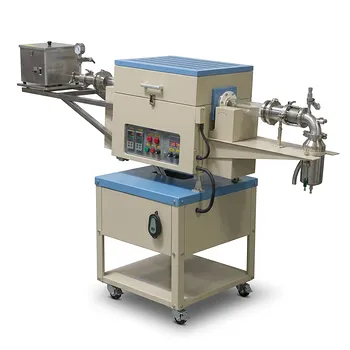
Two Zone Rotary CVD Furnace with Automatic Feeding and Receiving System for Powder Processing
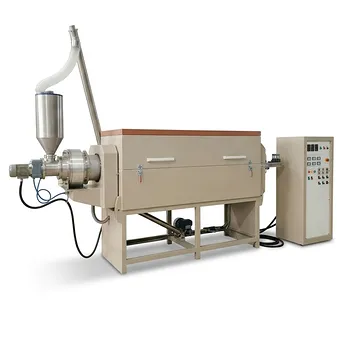
Continuous Feeding Rotary Tube Furnace for Industrial Powder Heat Treatment and Material Research
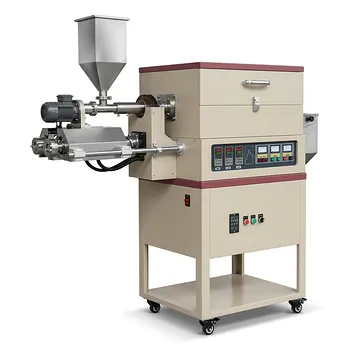
Laboratory Tilting Rotary Tubular Furnaces for Material Science and Industrial Heat Treatment