How do rotary furnaces contribute to effective hazardous waste management and thermal treatment? - High Efficiency Solutions
Updated 5 months ago
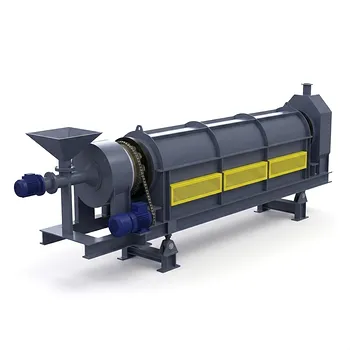
Rotary furnaces and kilns are essential tools in the thermal treatment of hazardous waste, providing a high-efficiency solution for the complete destruction of complex organic pollutants. These systems utilize a rotating drum to ensure that waste materials are subjected to extended residence times and constant physical agitation. This process not only breaks down dangerous chemical bonds but also stabilizes inorganic materials like heavy metals, preventing them from leaching into the environment after disposal.
Rotary furnaces achieve superior hazardous waste management by combining mechanical agitation with precise thermal control to ensure the total destruction of organics. Their ability to handle variable waste compositions through continuous operation makes them a definitive choice for high-stakes environmental remediation.
Ensuring Complete Thermal Destruction
The Role of Long Residence Time
Extended exposure to high heat is critical for breaking down the complex molecular bonds found in hazardous organics and biomedical waste. Rotary furnaces are specifically engineered to keep materials within the high-temperature zone long enough to achieve the required destruction and removal efficiency.
Mechanical Agitation and Uniform Heating
The constant rotation of the furnace drum creates a tumbling effect, ensuring that all surfaces of the waste are consistently exposed to the heat source. This mechanical action eliminates "cold spots" within the waste mass that could otherwise allow unburned hazardous material to bypass the treatment process.
Pyrolysis of Plastics
Beyond traditional incineration, rotary systems are highly effective for the pyrolysis of plastics. By heating materials in an oxygen-depleted environment, these furnaces can break down polymers into valuable byproducts or manageable residues without the standard combustion emissions.
Managing Environmental Hazards and Emissions
Atmospheric Control for Dioxin Suppression
Incineration processes can inadvertently create toxic byproducts like dioxins and furans if the environment is not strictly monitored. Rotary kilns operate within a precisely controlled atmosphere to limit the chemical precursors and temperature windows that lead to these harmful emissions.
Stabilization of Heavy Metals
Hazardous waste often contains heavy metals that cannot be destroyed by heat. The high-temperature environment of a rotary furnace helps bind these elements into stable, non-leachable matrices, ensuring that the resulting ash is safe for final disposal or sequestration.
High Destruction Efficiency (DRE)
The combination of heat, time, and turbulence allows these systems to achieve a high destruction efficiency for even the most persistent organic pollutants. This makes them a reliable technology for meeting stringent environmental regulations regarding the disposal of sensitive materials.
Operational Versatility for Complex Waste Streams
Handling Variable Feedstock Compositions
One of the primary advantages of rotary technology is its ability to process waste with inconsistent physical and chemical properties. Whether the input is solid, sludge, or a mix of industrial materials, the rotating drum ensures a consistent treatment outcome regardless of the feed variability.
Continuous Operation Efficiency
Unlike batch systems, rotary furnaces are designed for continuous 24/7 operation. This allows for the steady throughput of large waste volumes, which is both more energy-efficient and predictable for large-scale industrial or municipal waste management facilities.
Understanding the Trade-offs and Challenges
Mechanical Wear and Refractory Maintenance
The moving parts and high thermal stress of a rotating drum require a rigorous and often expensive maintenance schedule. The refractory lining inside the drum is subject to both chemical attack and physical abrasion from the tumbling waste, necessitating periodic replacement.
Energy Intensity and Operational Costs
Maintaining the high temperatures required for the total destruction of hazardous compounds demands significant energy input. Operators must carefully balance the cost of fuel or electricity against the necessity of meeting high-destruction-efficiency standards.
Complexity of Emission Control Systems
While the furnace itself is highly effective, it must be paired with sophisticated downstream air pollution control (APC) equipment. Managing the fly ash and gases produced during the process adds a layer of technical complexity and capital investment to the facility.
Implementing Rotary Technology for Waste Treatment
To maximize the effectiveness of a rotary furnace in your waste management strategy, you must align the system's operational parameters with your specific material goals.
- If your primary focus is processing diverse waste streams: Utilize a continuous-operation rotary kiln to handle the physical variability of industrial and biomedical materials without interrupting the process.
- If your primary focus is minimizing toxic air pollutants: Invest in advanced atmospheric monitoring and control systems to suppress the formation of dioxins and furans during the thermal cycle.
- If your primary focus is the stabilization of hazardous residues: Prioritize systems that offer longer residence times to ensure heavy metals are fully integrated into stable, non-leachable ash.
Rotary furnaces remain the gold standard for hazardous waste treatment by providing the mechanical and thermal control necessary to render toxic materials inert and environmentally safe.
Summary Table:
| Key Feature | Benefit for Waste Management | Primary Application |
|---|---|---|
| Rotating Drum | Continuous agitation ensures uniform heat exposure | Solids, sludges, and variable feedstock |
| Long Residence Time | Guarantees complete destruction of organic pollutants | Biomedical and toxic chemical waste |
| Atmospheric Control | Suppresses the formation of dioxins and furans | Sensitive environmental remediation |
| Thermal Stabilization | Binds heavy metals into non-leachable matrices | Industrial hazardous waste and ash |
Elevate Your Thermal Processing Standards with THERMUNITS
Is your facility looking for high-efficiency solutions for hazardous waste management or material research? THERMUNITS is a leading manufacturer of high-temperature laboratory equipment specifically designed for material science and industrial R&D.
We provide a comprehensive range of thermal processing solutions tailored to meet the most stringent environmental and performance standards, including:
- Rotary Kilns & Furnaces for continuous waste treatment and pyrolysis.
- Muffle, Vacuum, and Atmosphere Furnaces for precise lab-scale testing.
- Tube, Hot Press, and CVD/PECVD Systems for advanced material synthesis.
- Specialized Equipment: Dental furnaces, vacuum induction melting (VIM), and high-quality thermal elements.
Whether you are stabilizing hazardous residues or developing new materials, our expert-engineered systems deliver the reliability and precision you need.
Contact our technical team today to find your ideal thermal solution
Mentioned Products
- 900°C Max Rotary Tube Furnace with 8 Inch 310S Alloy Tube and Optional Multi Zone Heating for Industrial Material Calcination
- 1500C 3-Zone Rotary Tube Furnace 60mm with Automatic Powder Feeding and Receiving System for Continuous Material Synthesis
- High Temperature 1700C Dual Zone Rotary Tube Furnace with 60mm Alumina Tube and Precision Rotation Control
- Mini Rotary Tubular Furnaces for Precision Powder Heat Treatment and Thermogravimetric Analysis
- Three Zone Rotary Tube Furnace for High Temperature Powder Processing and Material Research
People Also Ask
- How does a rotary tube furnace improve the processing of granular materials? Enhance Uniformity and Reaction Kinetics
- Why use a rotary tube furnace for FACS carbonization? Ensure uniform morphology and prevent sphere agglomeration.
- Why is the precise optimization of residence time essential in the catalyst calcination process? Maximize Your Yields.
- In what ways do rotary tube furnaces enhance chemical and specialty mineral processing? Drive Precision and Uniformity.
- What parameters must operators control to maintain product quality in a rotary furnace? Master Your Heat Treatment.

Tech Team · ThermUnits
Last updated on Apr 14, 2026
Related Products
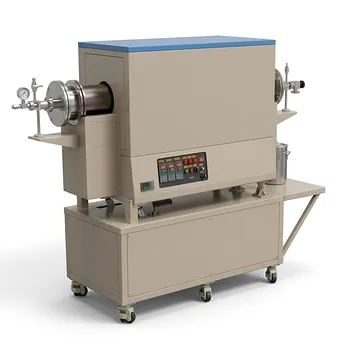
900°C Max Rotary Tube Furnace with 8 Inch 310S Alloy Tube and Optional Multi Zone Heating for Industrial Material Calcination
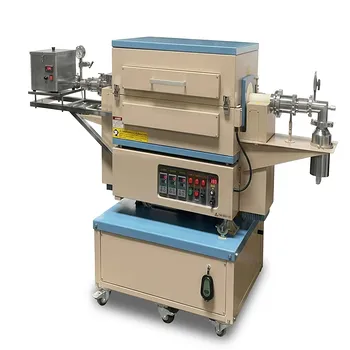
1500C 3-Zone Rotary Tube Furnace 60mm with Automatic Powder Feeding and Receiving System for Continuous Material Synthesis
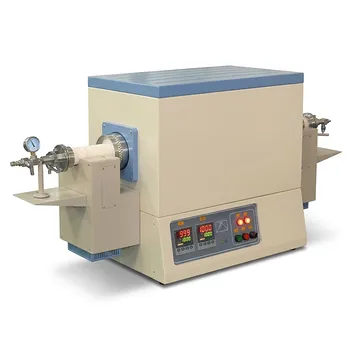
High Temperature 1700C Dual Zone Rotary Tube Furnace with 60mm Alumina Tube and Precision Rotation Control
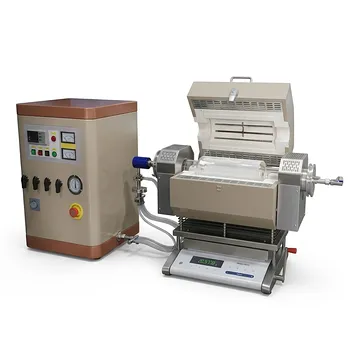
Mini Rotary Tubular Furnaces for Precision Powder Heat Treatment and Thermogravimetric Analysis
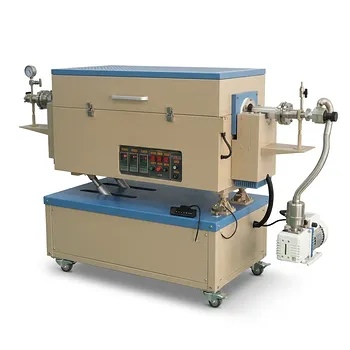
Three Zone Rotary Tube Furnace for High Temperature Powder Processing and Material Research
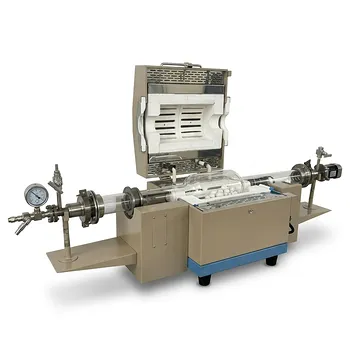
High Temperature Rotary Tube Furnace with Integrated Ball Milling and Gas Flow Function for Powder Nitriding
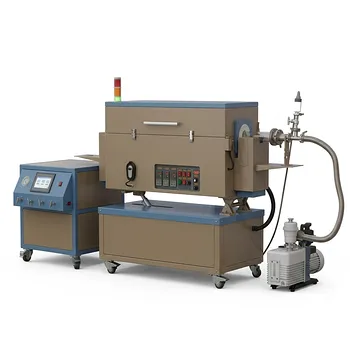
5 Inch Three Zone Rotary Tube Furnace with Integrated Gas Delivery System and 1200C Capability for Advanced Material CVD Processing
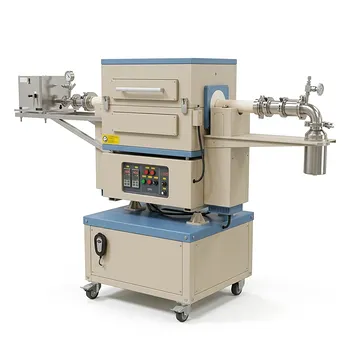
1500C Max Dual Zone Rotary Tube Furnace with 60 mm OD Alumina Tube for High Temperature Material Synthesis
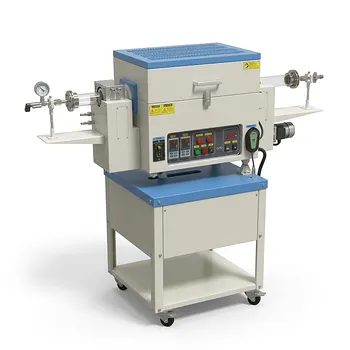
4 Inch Two Zone Rotary CVD Tube Furnace for High Temperature Battery Material Synthesis and Advanced Material Calcination
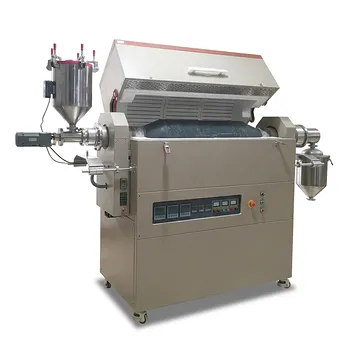
High Temperature Tilting Rotary Tubular Furnace for Continuous Powder Thermal Processing and Controlled Atmosphere Sintering
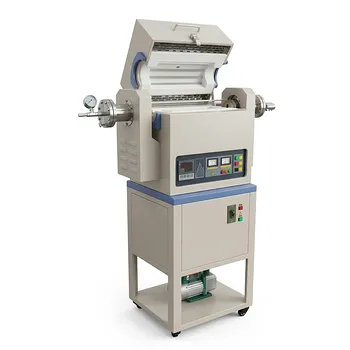
High Temperature Rotary Tilt Tubular Furnaces for Advanced Powder Sintering and Material Processing
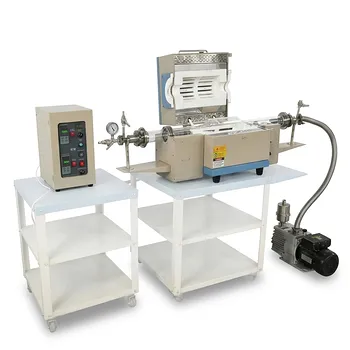
Two Zone Rotary Tube Furnace for Powder CVD Coating and Core Shell Material Synthesis 1100C
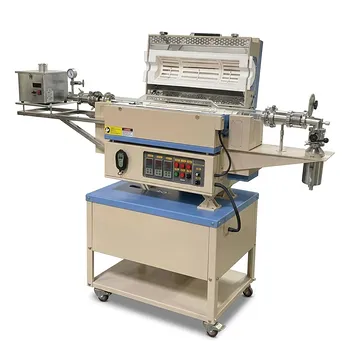
5 Inch Rotary Tube Furnace with Automatic Feeding and Receiving System 1200C Three Zone CVD Powder Processing
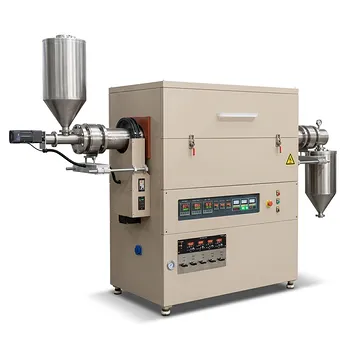
High Temperature Tilting Rotary Tube Furnace with Integrated Mass Flow Control and Multi Zone Heating
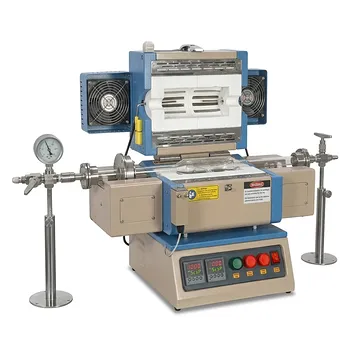
Dual Zone Rotary Tube Furnace for Uniform Powder Calcination 1000C 2 Inch Quartz Tube
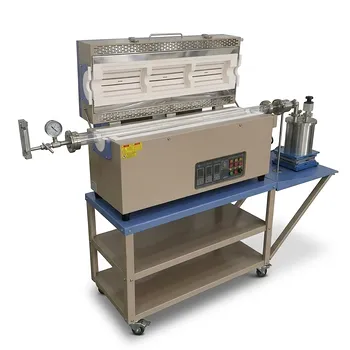
5 Inch Two Zone Rotary Tube Furnace 1100C for Powder CVD and Material Synthesis
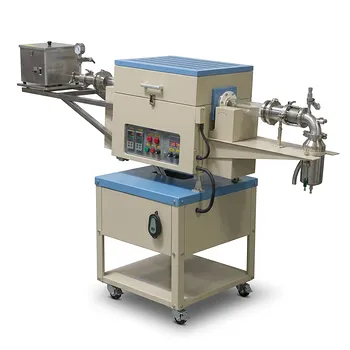
Two Zone Rotary CVD Furnace with Automatic Feeding and Receiving System for Powder Processing
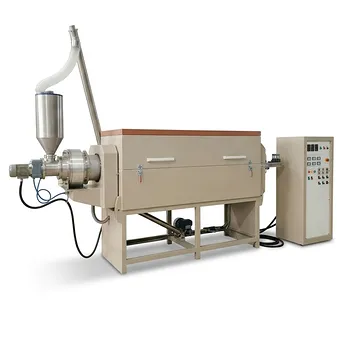
Continuous Feeding Rotary Tube Furnace for Industrial Powder Heat Treatment and Material Research
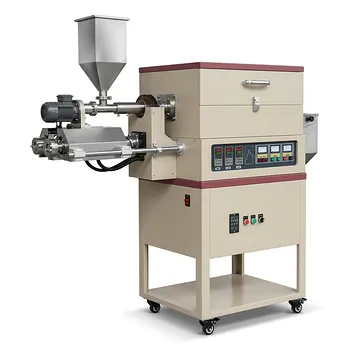
Laboratory Tilting Rotary Tubular Furnaces for Material Science and Industrial Heat Treatment