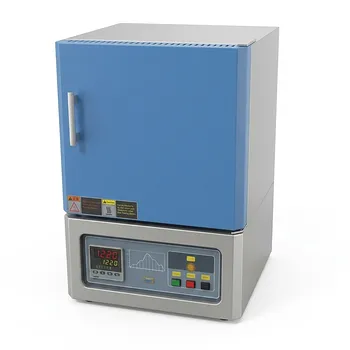
How does a PID controller manage the temperature profile within a muffle furnace? Master Precision Thermal Control
Updated 5 months ago
A PID controller manages a muffle furnace by creating a continuous feedback loop between a thermocouple and the heating elements. The system monitors the internal temperature in real-time and mathematically calculates the exact amount of power required to reach or maintain a specific set-point. This precision allows the furnace to execute complex thermal profiles, including controlled heating rates (ramping) and sustained temperature periods (soaking).
The PID controller serves as the "brain" of the muffle furnace, translating temperature data into precise power adjustments. By balancing Proportional, Integral, and Derivative logic, it eliminates the wild temperature swings common in manual or basic on/off systems, ensuring material consistency and structural integrity.
The Mechanics of the Feedback Loop
Real-Time Monitoring via Thermocouple
The process begins with a thermocouple, a sensor placed inside the furnace chamber that provides a constant electrical feedback signal. This signal represents the current internal temperature and is transmitted directly to the PID controller.
Dynamic Power Regulation
The controller compares the thermocouple’s data against the user-defined set-point. It then adjusts the power sent to the heating elements, increasing output when the temperature is too low and decreasing it as the target is approached to prevent overshoot.
Achieving Thermal Uniformity
High-quality PID systems ensure thermal stability throughout the chamber. This uniformity is critical for processes that require a perfectly even heat distribution to prevent localized defects in the treated material.
Managing Complex Temperature Profiles
Ramping and Multi-Segment Control
Advanced PID controllers allow for multi-segment programming, where the user can define specific "steps" for the furnace to follow. This includes ramping, where the temperature is increased at a specific rate per minute to avoid thermal shock to the sample.
The Importance of Soaking
Once the target temperature is reached, the controller enters a soaking phase. During this time, the PID logic maintains a constant temperature with minimal fluctuation, which is vital for inducing specific atomic arrangements, such as the ordered transition of CoZn atoms into a beta-Mn structure.
Controlled Cooling Cycles
The management of the temperature profile extends to the end of the process. The PID controller can manage controlled cooling, ensuring the temperature drops at a rate that prevents the formation of amorphous impurities or unwanted grain growth.
Impact on Material Science
Enhancing Crystallinity
Precise temperature control is the primary factor in achieving high crystallinity in thin films and other materials. By eliminating temperature fluctuations, the PID controller ensures that crystals grow uniformly and without structural flaws.
Optimizing Magnetic and Physical Properties
In specialized metallurgy, even a few degrees of deviation can alter the magnetic properties of a material. The PID system provides the rigorous environment necessary to meet the exacting standards of advanced material research.
Understanding the Trade-offs and Pitfalls
The Challenge of Tuning
A PID controller is only as effective as its tuning. If the Proportional (P), Integral (I), or Derivative (D) parameters are set incorrectly, the furnace may suffer from oscillations (constantly swinging above and below the target) or take an excessive amount of time to reach the set-point.
Thermal Lag and Overshoot
Muffle furnaces have significant thermal mass, meaning they hold heat for a long time. If the controller is too aggressive, the heating elements may continue to radiate heat even after power is cut, causing a significant overshoot that could damage sensitive samples.
How to Apply This to Your Project
Optimizing Your Thermal Results
When configuring your muffle furnace for a specific application, consider your primary objective to determine how to program your PID profile.
- If your primary focus is material purity: Prioritize slow ramping segments and long soak times to ensure complete phase transformation without trapping impurities.
- If your primary focus is high-throughput testing: Use a more aggressive PID tuning to reach set-points quickly, but ensure your material can handle the resulting thermal stress.
- If your primary focus is structural crystallinity: Focus on the stability of the soaking phase, ensuring the PID controller is tuned to minimize any deviation from the set-point.
Precise PID management transforms a muffle furnace from a simple heating chamber into a high-precision instrument capable of meeting the most demanding scientific requirements.
Summary Table:
| Process Phase | PID Controller Action | Benefit to Material Science |
|---|---|---|
| Real-Time Monitoring | Continuous thermocouple feedback signal | High accuracy and rapid response to deviations |
| Ramping | Controlled power output for specific heating rates | Prevents thermal shock and structural defects |
| Soaking | Maintains set-point with minimal oscillation | Ensures uniform phase transformation and growth |
| Cooling | Managed power reduction for controlled descent | Prevents amorphous impurities and grain growth |
| Tuning | Adjusts P, I, and D logic parameters | Eliminates temperature overshoot and instability |
Elevate Your Research with Precision Thermal Solutions
Achieving superior material crystallinity and structural integrity requires more than just heat; it requires the absolute precision of professional thermal management. THERMUNITS is a leading manufacturer of high-performance thermal processing equipment designed specifically for advanced material science and industrial R&D.
Whether you need standard Muffle, Vacuum, and Tube Furnaces or specialized CVD/PECVD systems, Hot Press Furnaces, and Vacuum Induction Melting (VIM) furnaces, our solutions provide the stability your experiments demand. We empower researchers with the tools to manage complex temperature profiles with zero compromise on quality.
Ready to optimize your heat treatment process?
Contact our technical experts today to discover how THERMUNITS can provide the perfect thermal solution for your laboratory or production requirements.
Mentioned Products
- 1200C Muffle Furnace 12x8x5 7.2L Heating Chamber with Quartz Observation Window and Vent Port
- High Temperature 1200C Muffle Furnace 27L Volume 12x12x12 Chamber with Programmable PID Controller for Laboratory Material Science
- 1750C Compact Muffle Furnace 1.7L Ultra High Temperature Laboratory Sintering System for Advanced Ceramics and Material Science Research
- 1200C High Temperature 125L Muffle Furnace 5 Side Heating for Large Batch Sintering with Optional Alloy Debinding Chamber
- Ultra High Temperature Bench Top Muffle Furnace 1750C Sintering System with Kanthal Super Heating Elements and Precision Digital Control
People Also Ask
- What is the function of an experimental muffle furnace in the conversion of FeOOH to α-Fe2O3? Optimize Phase Transition
- Why is a muffle furnace required for MoO2@HCNF pre-oxidation? Crucial Steps for High-Performance Composites
- What is the function of a high-temperature Muffle furnace in removing residual solvents? Essential Bismuth Synthesis
- What is the function of Muffle furnace calcination? Essential steps for Pr-doped SrFeMoO6 Perovskite synthesis.
- What are the primary functions of a Muffle furnace in oxide calcination? Achieve high purity and phase control.

Tech Team · ThermUnits
Last updated on Apr 14, 2026
Related Products
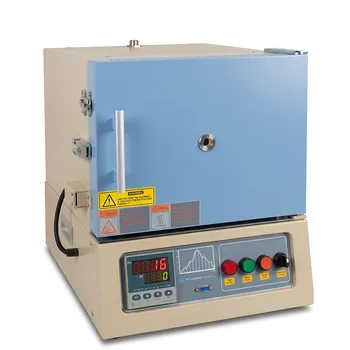
1200C Muffle Furnace 12x8x5 7.2L Heating Chamber with Quartz Observation Window and Vent Port
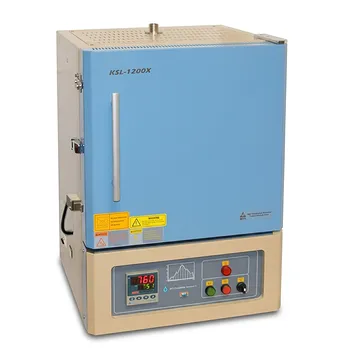
High Temperature 1200C Muffle Furnace 27L Volume 12x12x12 Chamber with Programmable PID Controller for Laboratory Material Science
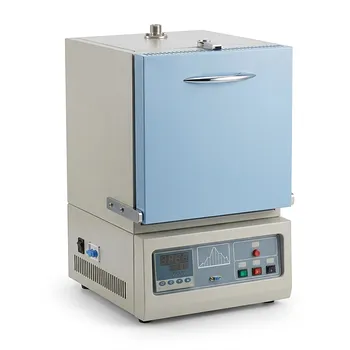
1750C Compact Muffle Furnace 1.7L Ultra High Temperature Laboratory Sintering System for Advanced Ceramics and Material Science Research
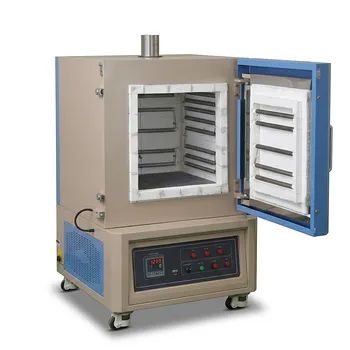
1200C High Temperature 125L Muffle Furnace 5 Side Heating for Large Batch Sintering with Optional Alloy Debinding Chamber
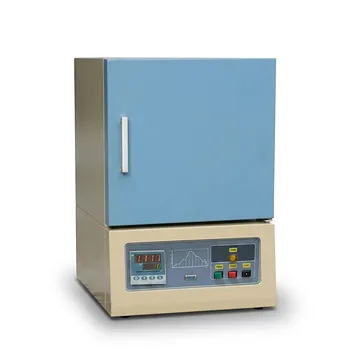
Ultra High Temperature Bench Top Muffle Furnace 1750C Sintering System with Kanthal Super Heating Elements and Precision Digital Control
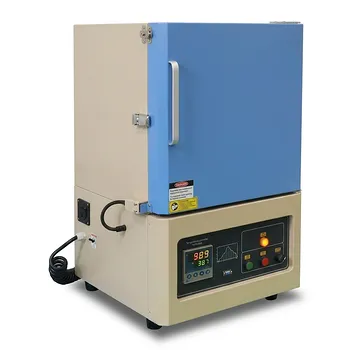
1200°C High Temperature Muffle Furnace 19L Chamber with 50 Segment Programmable Controller
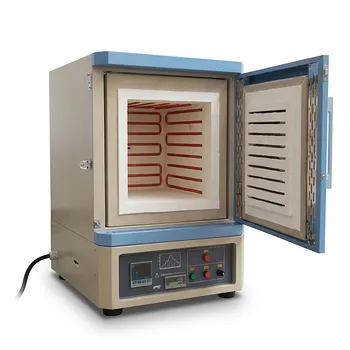
Five Side Heating Muffle Furnace 1200C High Uniformity 64L Chamber 16x16x16 Inch Industrial Heat Treatment
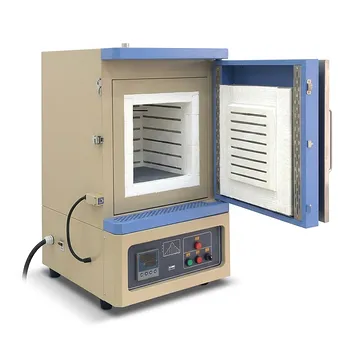
Five Side Heating Muffle Furnace High Purity Alumina Fiber 27L Chamber 1200C High Temperature Thermal Processing System for Sintering Annealing and Materials Research
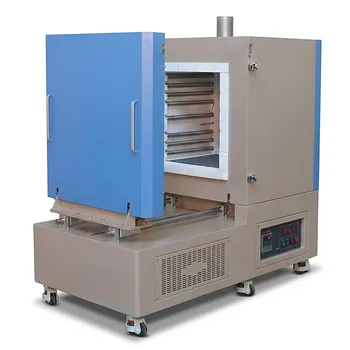
1200C Five Side Heating Muffle Furnace with Sliding Door 125L Volume High Temperature Heat Treatment System for Large Scale Sintering and Annealing
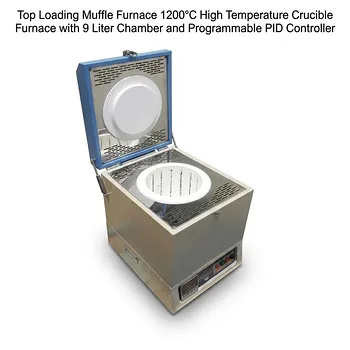
Top Loading Muffle Furnace 1200°C High Temperature Crucible Furnace with 9 Liter Chamber and Programmable PID Controller
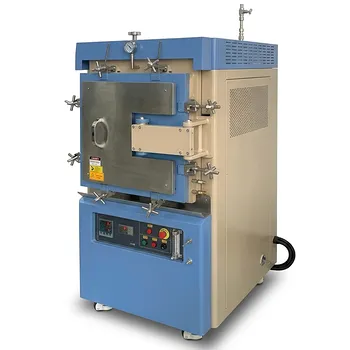
Atmosphere Controlled Muffle Furnace 1700C Maximum Temperature 80L High Capacity Vacuum Inert Gas Box Furnace
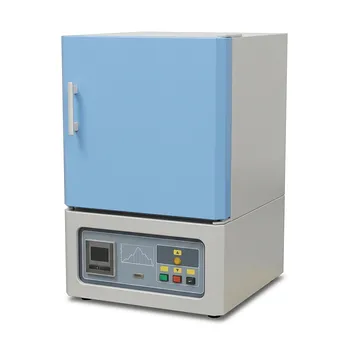
1800C Bench Top Muffle Furnace with Kanthal Super 1900 Heating Elements and 3.6L Alumina Fiber Chamber
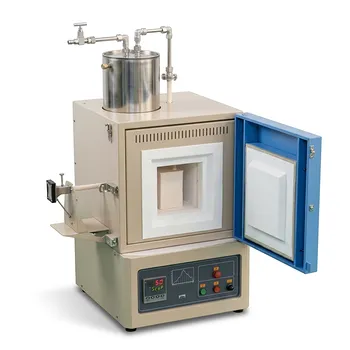
High Temperature Bench Top Muffle Furnace 1700C with Integrated Evaporating Particle Collection and 8x8x8 Alumina Fiber Chamber
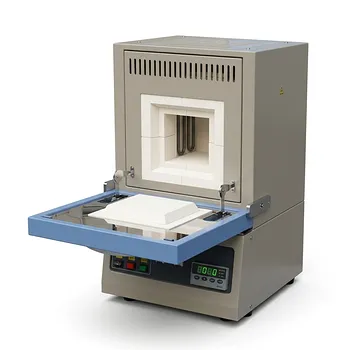
Five Sided Heating Muffle Furnace High Uniformity 1200C Lab Box Furnace 27L Alumina Fiber Chamber
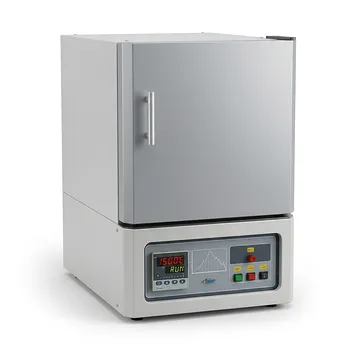
High Temperature 1500C Benchtop Muffle Furnace 3.6L Alumina Fiber Chamber Programmable Controller Sintering Annealing Carbonization Thermal Processing System
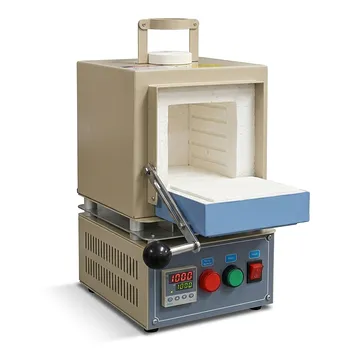
Compact 1000C Muffle Furnace with Programmable Controller and 2 Inch Top Port for Vacuum and Atmosphere Material Research
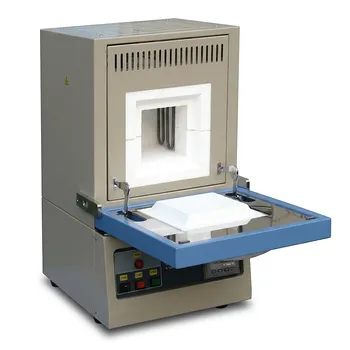
High Temperature 1800C Compact Muffle Furnace with Kanthal Super 1900 Heating Elements and 1.7L Alumina Chamber
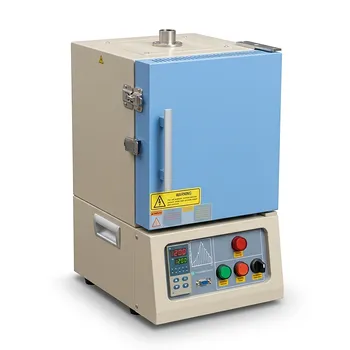
1200°C Small Box Furnace 4.2 Liter Programmable Muffle Furnace with High Purity Alumina Insulation and PID Control
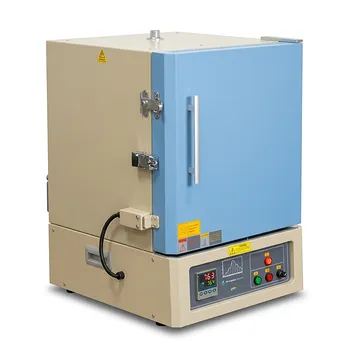
Large Capacity 1200C Muffle Furnace 64 Liter Chamber with Digital PID Controller and Built In Venting Port